
 English
  Polski
  Deutsch
  Nederlands
  Svenska
  Norsk
Norsk  Dansk
Dansk  Français
  Italiano
  Español
  Português
  Slovenčina
  Suomi
Suomi  Gaeilge
 A Lawn Without Bare Patches Depends on Two Things People Rarely Mention
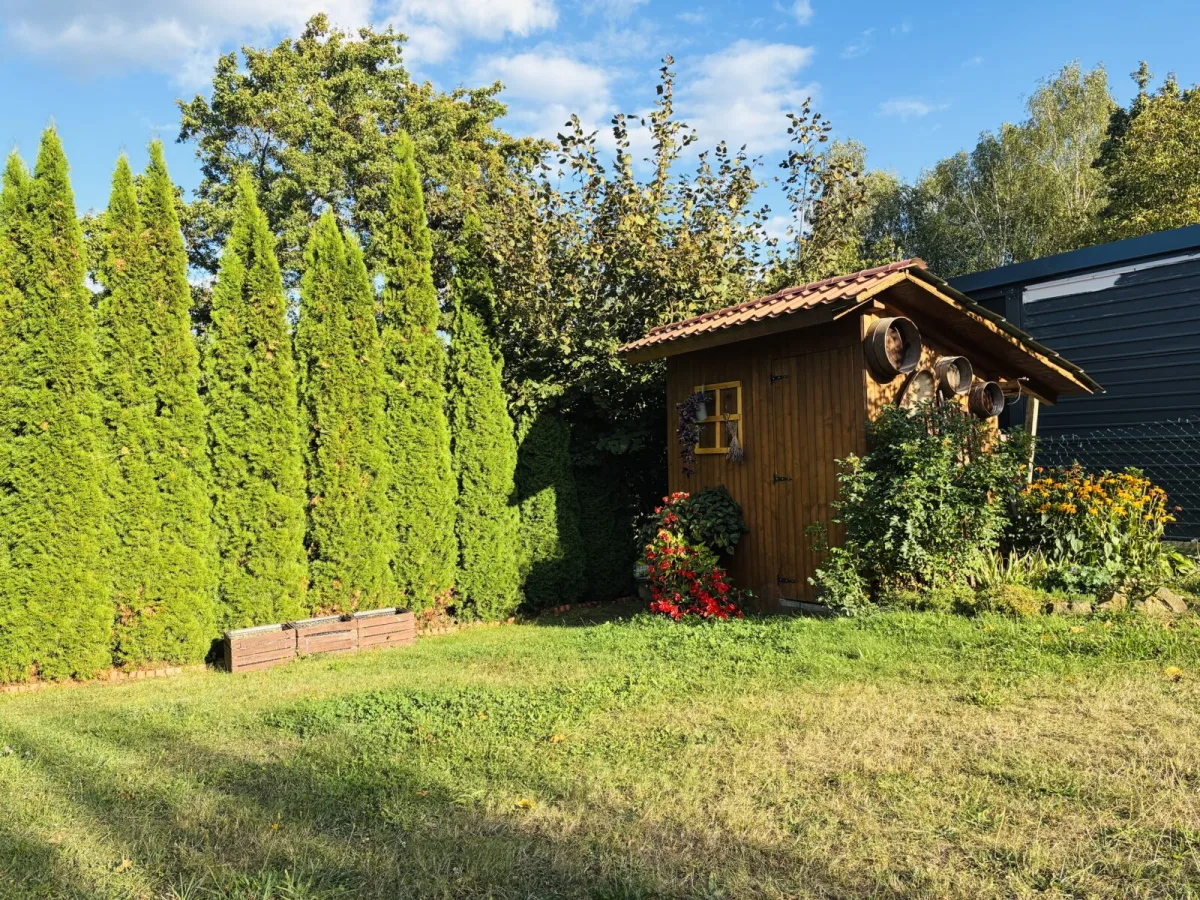
Establishing a lawn from seed is one of the most affordable ways to create a new green space. Compared with laying turf, it’s usually easier on the budget and it lets you choose a grass mix that truly matches your site conditions and how the area will be used. Seed is also easy to transport and can be stored until the weather is right. With ready-cut turf, by contrast, you have to act quickly because it loses quality fast after delivery.
It’s worth bearing in mind, though, that a lawn from seed takes more time. If you follow the basic rules of soil preparation, sowing, and aftercare, the result can be a very attractive, dense, and well-rooted sward.
When is the best time to establish a new lawn
The best time to sow is early autumn or mid-spring. Specifically, September to November is recommended, and in spring mainly March to April. In these weeks the soil is warm enough, the air is neither too hot nor too cold, and there’s usually sufficient moisture in the ground. These are the conditions in which grass seed germinates best.
With favourable weather, you can expect the first seedlings in about seven to ten days. If you have a choice, autumn is often the better window. Young plants have time to establish before harder frosts and over winter they develop a stronger root system. Spring sowing is also possible, but the grass may not root as quickly because it puts more energy into top growth.
The right seed mix determines the result
Not every lawn is meant for the same purpose, so choosing the right seed mix matters. General-purpose mixes suit areas that get a lot of foot traffic, where children play, or where pets are active. These swards tend to be hard-wearing, but they also grow faster and need regular mowing.
Fine ornamental mixes create a dense, soft, elegant lawn with narrow leaves. However, they’re not as tolerant of heavy use. They’re better for showpiece areas that aren’t walked on every day. Their advantage is slower growth and the option of mowing low for a very neat finish.
For spots with light to medium shade, such as under trees or along fences and hedges, choose mixes designed for shady conditions. These grasses are usually less tolerant of wear, but they cope better with reduced light.
Other options are also available, such as mixes for drier conditions, rapid establishment, or lower-maintenance lawns. When choosing, it’s always sensible to check the ingredients and favour a reputable brand.
Saving money on seed doesn’t pay off
Cheap grass seed can contain weed contaminants or coarse agricultural grasses that belong more in a pasture than around a home. Quality seed is usually cleaner, more uniform, and delivers a better look and improved density. It pays to check the mix composition and buy from trusted producers.
Soil preparation is the foundation of success
A carefully prepared site greatly increases your chance of a good lawn. Ideally, start several weeks before you plan to sow. First, remove perennial weeds, especially those that spread by roots. Simply mowing them down isn’t enough; you need to get their underground parts out of the soil as well.
If the ground is hard and compacted, it’s best to dig it over or loosen it to a depth of about 20 cm. On light soils that dry out quickly, adding well-rotted compost or farmyard manure helps improve moisture retention.
After digging, it’s a good idea to leave the surface for a few days, ideally longer, so the soil can settle. The more time it has to firm up, the better. During this period, weeds may reappear and should be removed with a hoe or by hand.
Next, firm the soil by treading it in small steps in different directions. Then comes thorough raking. The goal is to level the surface, remove larger stones, break up clods, and create a fine tilth suitable for sowing. If needed, you can also work an all-purpose fertiliser into the top layer.
A well-prepared seedbed is often more important than the sowing itself. A level, finely worked surface helps create a dense, even, long-lasting lawn.
How to sow seed as evenly as possible
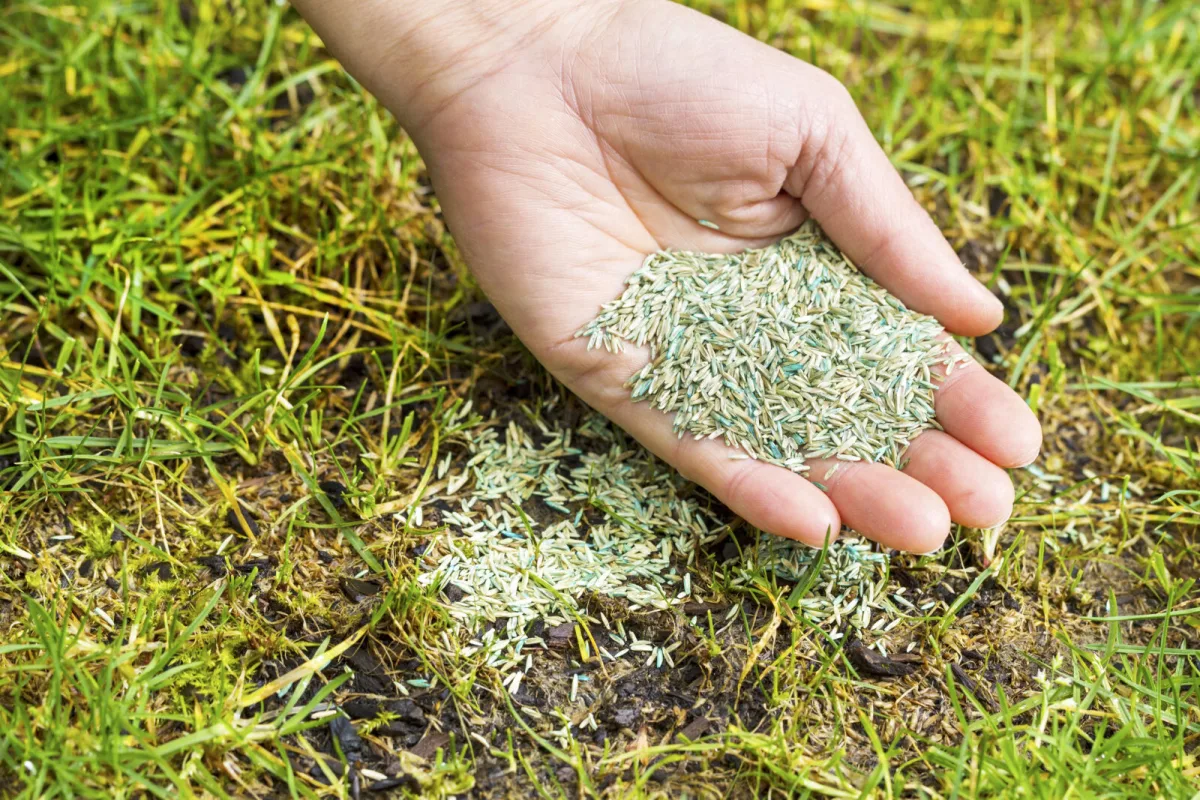
Sowing itself isn’t difficult, but you do need to spread the seed as evenly as possible. First, weigh out the amount recommended by the manufacturer for the size of the area. Split this quantity into two equal parts.
Sow the first half while walking in parallel strips in one direction. Then spread the second half across the same area at right angles. This cross-sowing approach gives a more even distribution and helps prevent bare patches and overly dense clumps.
After sowing, lightly rake the area so most of the seed is gently covered with soil. If rain isn’t expected in the next few days, water carefully using a fine spray. The water flow must not be strong, otherwise it can wash out or shift the seed.
Protection from birds and drying out
Freshly sown ground can be very attractive to birds, so protection is worthwhile. A horticultural fleece weighed down at the edges works well and also helps keep warmth and moisture in the soil. On larger areas, you can also try bird-deterrent tape that makes noise in the wind. If protection isn’t possible, some growers increase the seeding rate to compensate for losses.
Caring for a young lawn after germination
After seven to ten days, the first grass seedlings should appear. At this stage it’s crucial to keep the soil evenly moist, especially if it isn’t raining. Water gently so you don’t damage the young plants.
When the grass reaches roughly 5 to 7.5 cm, it’s a good idea to firm the surface lightly again. A garden roller helps, or you can carefully press down any raised spots. This improves root-to-soil contact.
Two to three days later, the first mow can follow. Reduce the grass by only about one third of its height. The mower blade must be very sharp so it doesn’t tear the young leaves. With autumn sowing, frequent mowing is usually not needed again until spring. With spring sowing, continue according to growth at roughly weekly intervals, gradually lowering the cutting height to the normal level. In hot weather, though, it’s better to leave the grass taller or reduce mowing for a while.
Don’t rush a new lawn
A young sward needs time to strengthen. Common small annual weeds often disappear on their own once mowing starts, but perennial low-growing weeds are best removed by hand. If noticeably coarse grass species appear, it’s best to lift them out early.
A newly established lawn should be kept under as little stress as possible for about eight months. With autumn sowing, it’s best to wait until around June before using it more intensively. With spring establishment, it’s sensible to go easy on it until late autumn. If the soil settles over time and small hollows appear, you can level them in early autumn with a thin layer of fine, sieved topdressing.
In spring you can also support further growth with a suitable lawn fertiliser. Anyone who gives a new lawn patience will be rewarded with a green area that’s dense, resilient, and well prepared for the seasons ahead.
Source: Rhs, The Spruce , Pestrazahrada.cz
Related articles

In September, One Simple Step Decides Whether Your Christmas Cactus Blooms in Winter
With Christmas cactus, winter flowering isn’t mainly about watering or feeding—it’s about uninterrupted darkness after dusk. Start in September to trigger bud set and enjoy a full display in December.

A Simple Trick to Help Geraniums Survive Winter Without Water or Soil
Store geraniums bare-root in a cardboard box over winter—no watering, no pots, and hardly any space needed. With the right cool, frost-free spot, they’ll wake up quickly in spring and flower strongly again.

Picking Apples Without Mistakes Helps Keep Your Harvest Fresh and Rot-Free for Longer
How you handle apples at harvest has a huge impact on how long they keep. Gentle picking, careful sorting and the right storage conditions will help prevent rot and unnecessary losses.
Comments (0)
Be the first to comment.