
 English
 Polski
 Deutsch
 Nederlands
 Svenska
 Norsk
 Dansk
 Français
 Italiano
 Español
 Português
 Slovenčina
 Suomi
 Gaeilge
At the Bottom of a Window Box, Use Something From the Forest Instead of LECA So Roots Don’t Rot
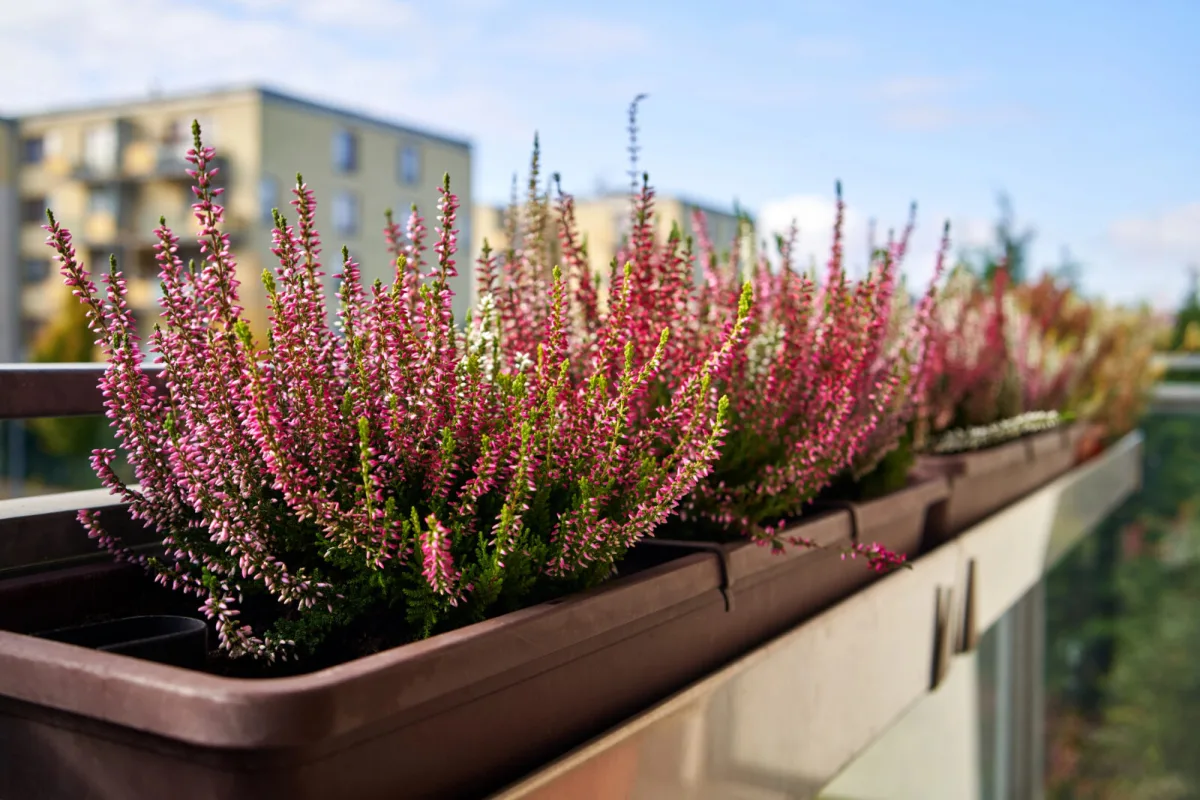
In autumn containers with plants, it’s often a matter of whether the roots stay healthy or begin to rot. Heavy, repeated rain can easily soak the entire potting compost; water then collects at the bottom, and the drainage hole may not be able to keep up. When the compost stays wet for too long, it contains less air and the roots are deprived of oxygen. That’s exactly when the risk of decay and disease increases.
The help doesn’t necessarily have to come from a shop. A material that commonly lies under birch trees—and most people don’t even notice it—can work extremely well. Dry sheets of birch bark can form an airy layer at the bottom of a window box, separating roots from excess water.
What makes birch bark interesting
Birch bark may look unremarkable, but its properties are very well suited to this job. The outer layer contains substances that make it slow to absorb water and allow it to stay firm for a long time. It doesn’t behave like typical organic waste that quickly becomes damp, collapses and starts to break down. Larger pieces hold their shape, and gaps filled with air remain between individual sheets.
That’s crucial at the bottom of a window box. When a coarser, non-compacting layer forms there, water has room to collect below the root zone, and at the same time the compost isn’t smothered so severely. Compared with fine bark, leaves or small wood debris, larger birch pieces have the advantage that they won’t settle into a dense mass.
How to place the bark in a container correctly
The most important condition is a working drainage hole. If it’s missing, no drainage layer will solve the water problem. It’s a good idea to cover the hole with a bit of mesh or a shard of broken pot to stop compost washing out. Then loosely lay dry pieces of birch bark on top to a depth of a few centimetres.
The sheets should be larger—ideally around palm-sized—and arranged so that air pockets remain between them. That loose layout is what determines the result. The bark shouldn’t be crushed or packed down. Fine pieces would settle, the air space would disappear, and the effect would be greatly reduced. Only then do you add compost and plant up.
Where to collect it and what to watch out for
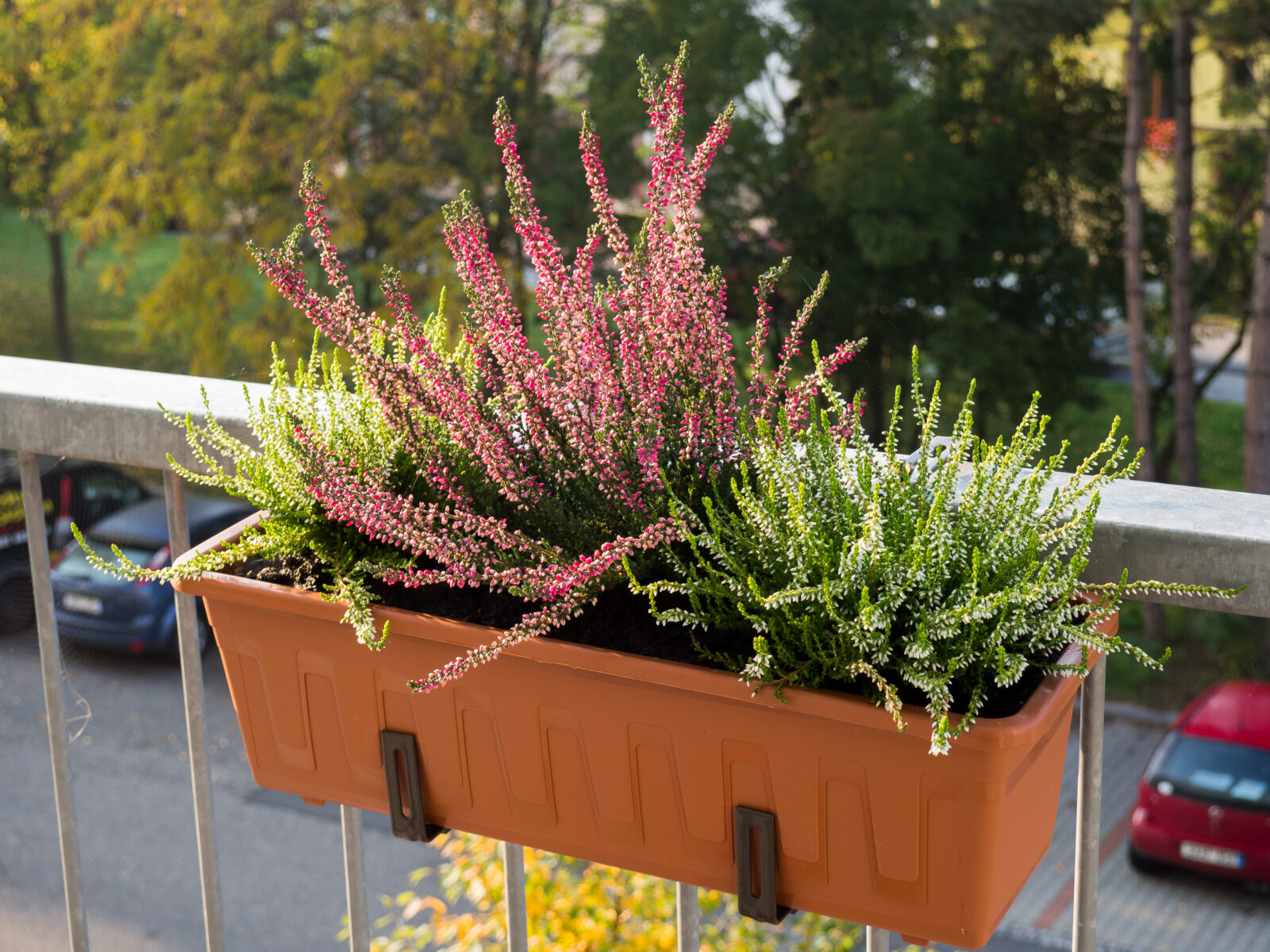
Birch is a very common tree in the Czech landscape and in towns, so the material is usually easy to find. Sensibly, only take dry bark that’s already lying on the ground and has clearly fallen off on its own. You shouldn’t touch living trees, and it’s also not appropriate to take fresh debris left behind after work by park or street-tree crews.
In the woods, you need to be considerate and not damage anything. In parks and municipal green spaces, there are often management rules that forbid damaging trees or collecting parts of them. A safe rule is simple: collect only what is dry, already fallen, and clearly doesn’t belong to anyone as part of maintenance.
Comparison with LECA
LECA is a proven material that has been used for drainage for a long time. It has a consistent size, is clean, lasts for many years and doesn’t decompose. For long-term plantings or containers that are used season after season, it’s very practical.
Birch bark has different strengths. It’s free, light, and easy to get wherever birches grow. For seasonal autumn plantings—such as pansies, heather or ornamental cabbage—it can work very well. The downside is lower durability, and the fact that it isn’t a sterile material with uniform properties. After one or two seasons, it usually loses its original firmness.
For short-term plantings, birch bark can be a simple, low-cost solution, while LECA is the safer choice for long-term, repeated use of window boxes.
More benefits of a light natural layer
A major plus of birch bark is its very low weight. With window boxes and balcony containers, every kilogram matters, and that’s where a lightweight material is more practical than gravel or stones. It also helps keep the lower part of the container more aerated, which benefits roots even outside periods of heavy rain.
It’s also said that compounds in birch bark may have a certain antimicrobial effect. However, this shouldn’t be overstated. Gardening practice doesn’t yet have clear proof that bark pieces in a window box will reliably suppress soil-borne diseases on their own. It’s more of a possible added benefit than the main reason to use bark.
When birch bark makes the most sense
If you need a quick, inexpensive and lightweight solution for a single season, birch bark is a very interesting option. It works best when larger, dry pieces are used and the container has good drainage. It’s not a miracle cure for every growing mistake, but as an airy bottom layer it can significantly reduce the risk of waterlogging and subsequent root rot.
What matters isn’t just the material itself, but above all the right build-up of the drainage layer, a functioning drainage hole, and restrained watering.
Source: PubMed Central, Pestrazahrada.cz

A lover of nature, gardens, and everything that moves, blooms, or grows. He literally grows everything, from herbs to rare species, and he enjoys caring for animals just as much. In his work, he connects modern technology with tried-and-tested grandmotherly methods and is happy when both paths lead to the same goal.
Related articles
Five Shrubs Autumn Pruning Will Ruin Even After Flowering
Autumn tidy-ups can be tempting, but cutting the wrong shrubs now can remove next year’s flower buds. Learn which popular ornamentals should be left alone until after flowering or spring.
Your compost freezes in winter and you needn’t throw peelings away
Winter slows composting, but it doesn’t mean you have to stop. Use a lidded container near the back door to store kitchen scraps until the pile thaws and spring warmth restarts decomposition.
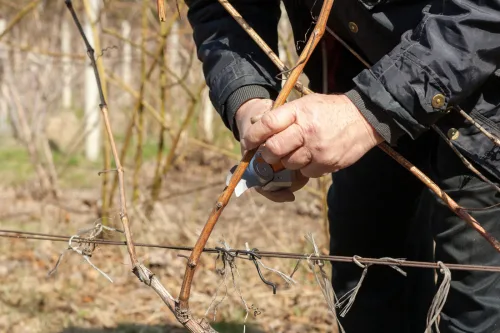
Autumn Grape Vine Pruning Shapes Next Year’s Harvest
Autumn pruning is one of the key jobs that determines how well your grapevine will grow and crop next season. The most common mistake is leaving too much wood, which leads to a dense canopy and smaller, slower-ripening bunches.
Comments (0)
Be the first to comment.