
 English
  Polski
  Deutsch
  Nederlands
  Svenska
  Norsk
Norsk  Dansk
Dansk  Français
  Italiano
  Español
  Português
  Slovenčina
  Suomi
Suomi  Gaeilge
 Autumn Care for Bay Laurel Keeps a Healthy, Bushy Shrub Full of Fragrant Leaves for Next Season
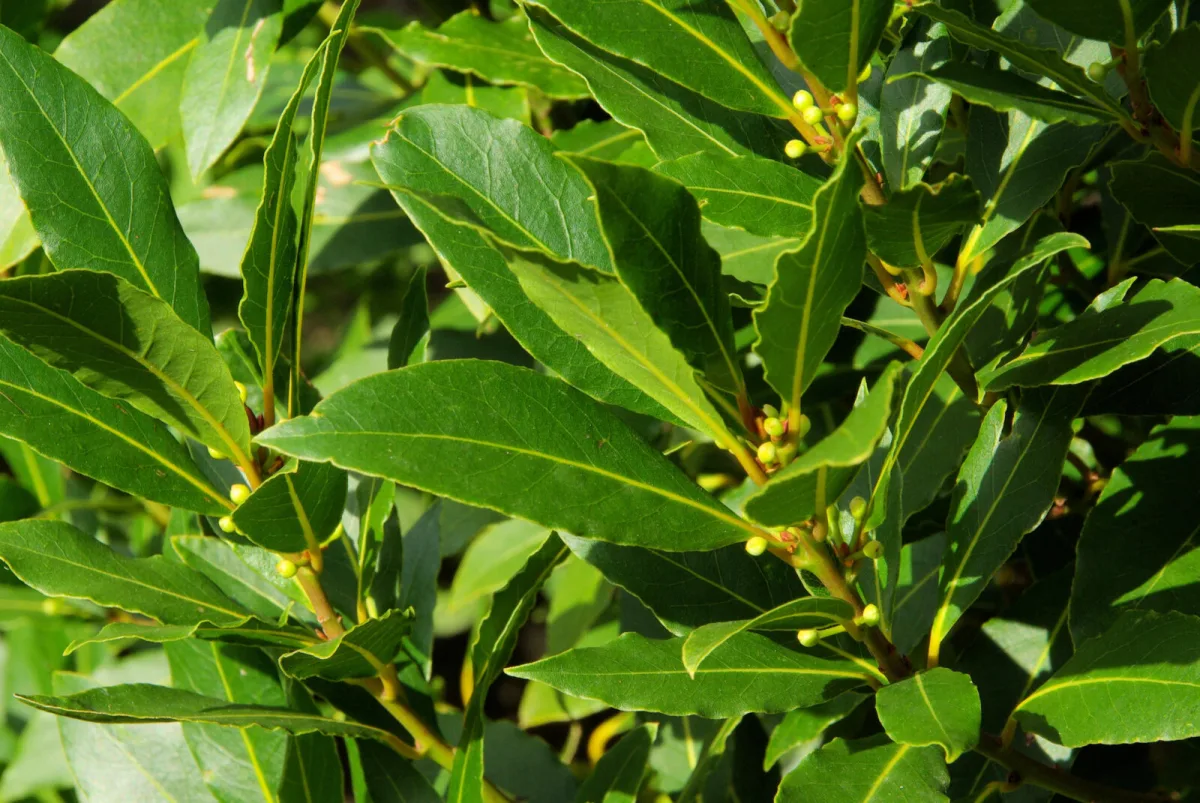
Bay laurel (Laurus nobilis), which most people know simply as bay leaf, is one of the most useful plants to have around the home and kitchen. If you grow it indoors or on a patio, you can regularly harvest your own aromatic leaves and use them for cooking as well as everyday household care. But for the shrub to stay dense and healthy and to come through winter well, it needs the right autumn pruning and suitable conditions for its winter rest.
Bay laurel isn’t hardy in stronger frosts, which is why it’s most often grown in a pot. That makes it easy to move into a sheltered spot when outdoor temperatures start to drop. Correct overwintering has a big impact on the condition the plant will be in when it heads into the next season.
Fragrant leaves aren’t only useful in the kitchen
Most people associate bay leaves mainly with soups, sauces and other traditional dishes. But their use is much wider. Dried leaves can be stored in the pantry among dry foods, where they help deter pantry pests. They work well in wardrobes too, especially combined with lavender and a few peppercorns in a small fabric sachet. The result is a pleasant scent and a natural way to protect stored items.
Bay laurel can be used in other ways as well. Leaves infused with thyme in oil will release their aroma after a few weeks, creating a blend suitable, for example, for rubbing into tired backs or knees. A simple bay leaf infusion is also popular, made by pouring hot water over the leaves and steeping briefly. Many people reach for it when they have digestive upsets.
When to move bay laurel into winter quarters
It’s best to bring young plants into safety once temperatures drop below 5 °C. Older shrubs can cope with a short cold snap a little better, but it still pays not to leave them outdoors too long. Moving them in during October is often ideal, when there’s not yet a serious risk of frost damage to the shoots.
The best winter spot is bright and cool. A conservatory, a bright garage, an unheated hallway or an attic with a window can all work well. What matters is that the space can be ventilated regularly. Air circulation helps reduce the risk of pests, which multiply easily in stale, unventilated conditions.
How to care for the shrub through winter
Winter care for bay laurel is straightforward, but it does require restraint. The plant needs only light watering so the compost doesn’t dry out completely. Overwatering is far more dangerous in cool conditions than short-term dryness. If the shrub were kept in the dark and damp at the same time, it would quickly start to decline and could attract aphids, spider mites or other pests.
There’s no need to feed in winter. The plant is resting, and excess nutrients would do more harm than good. In spring, on the other hand, it’s a good idea to repot into a slightly larger container. During the main growing period it can also benefit from natural feeding, such as diluted nettle liquid feed.
Autumn pruning should be gentle
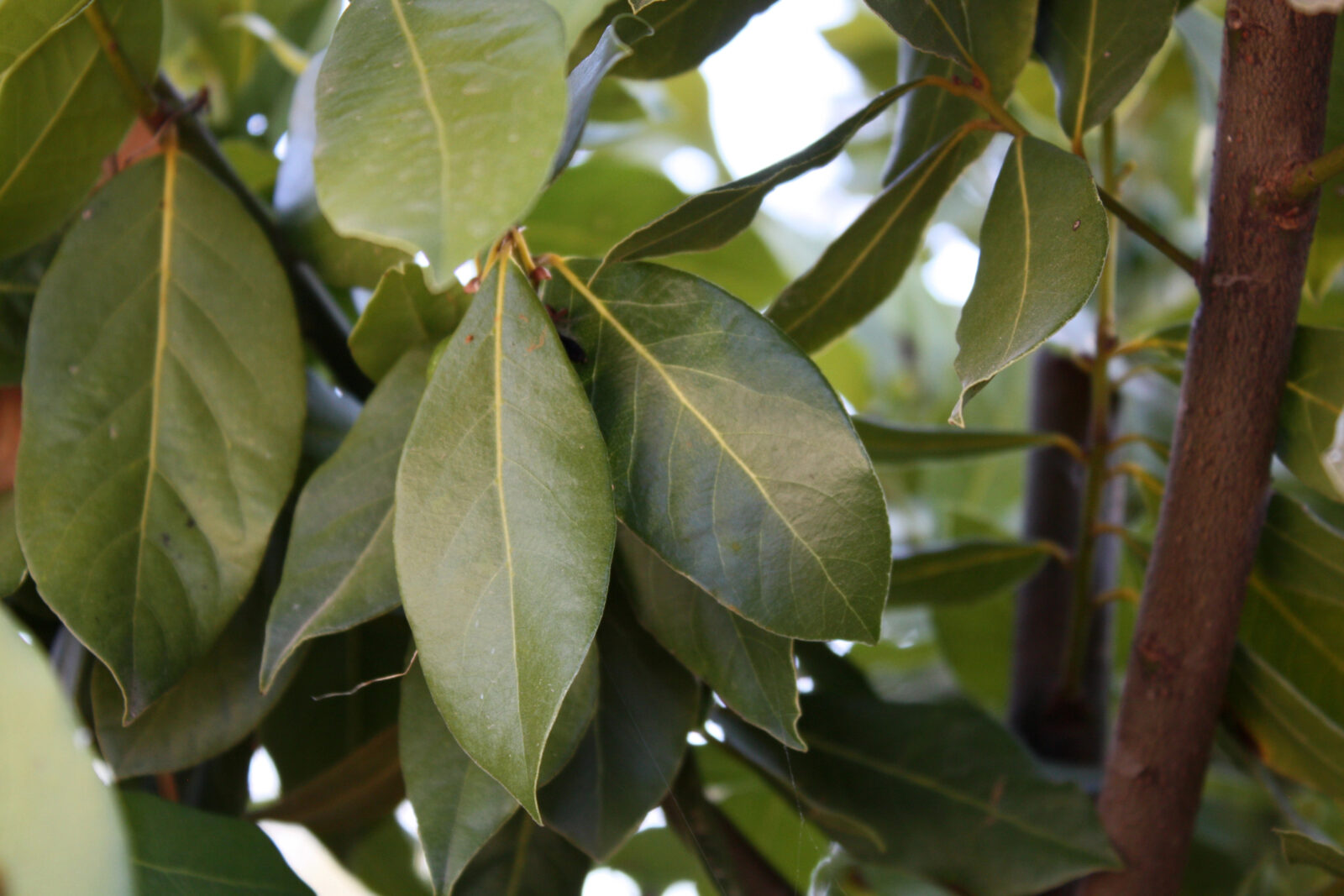
The main shaping prune for bay laurel is usually done in spring and again in summer, most often in March and August. Autumn isn’t the time for heavy cutting back, because it would weaken the shrub unnecessarily before winter. At this time it’s better to focus only on light maintenance.
Remove mainly any dry, damaged or unattractively discoloured parts. Yellow and brown leaves, as well as dried-out shoots, shouldn’t be left on the plant because they can provide a good hiding place for pests. If you need to snip a few sprigs during the year for cooking, bay laurel generally doesn’t mind. The key is simply not to cut it back too hard in winter.
When it’s time for a bigger shape-up
As soon as growth resumes in spring, it’s the right moment for a more thorough cut. Then you can remove shoots that crowd the centre of the shrub, cross over one another, or spoil its overall shape. This pruning helps create a compact, dense crown with plenty of light and air.
Autumn care should be gentle, while the main shaping is best left until spring, when the plant has the strength to shoot again.
A healthy bay laurel will reward you with fragrance and good looks
If you give bay laurel the right conditions in autumn and winter, you’ll be rewarded in spring with a strong, vigorous shrub. It’s enough not to delay moving it into a bright, cool room, to keep watering modest, and to do only a light clean-up prune. Thanks to this, the plant will stay in good shape, won’t suffer from yellowing leaves or pests, and will provide plenty of fragrant leaves for home use in the next season.
Source: Blossomdale, RHS, The Spruce, Pestrazahrada.cz

A lover of nature, gardens, and everything that moves, blooms, or grows. He literally grows everything, from herbs to rare species, and he enjoys caring for animals just as much. In his work, he connects modern technology with tried-and-tested grandmotherly methods and is happy when both paths lead to the same goal.
Related articles

Which Flowers Can Survive Frost Outdoors and Which Must Come Inside
As autumn arrives, some patio and balcony plants can stay outside through chilly nights, while others need bringing in before the first real frost. The key is a plant’s origin, hardiness, and the forecast—not the calendar.

Your Pruners Decide the Fate of Raspberries, Blackberries and Currants
Autumn pruning is the key moment for raspberries, blackberries and currants. Remove old, weak or diseased wood now and you’ll get healthier plants and a bigger crop next season.
Winterise Roses at the Right Time
Your roses’ performance next season depends on timely pruning and proper winter protection. Temperature, hygiene around the bush, and keeping the graft union safely covered are the key details that make the difference.
Comments (0)
Be the first to comment.