
 English
  Polski
  Deutsch
  Nederlands
  Svenska
  Norsk
Norsk  Dansk
Dansk  Français
  Italiano
  Español
  Português
  Slovenčina
  Suomi
Suomi  Gaeilge
 What to Do With Peonies After Flowering So They Set Buds Again in Spring
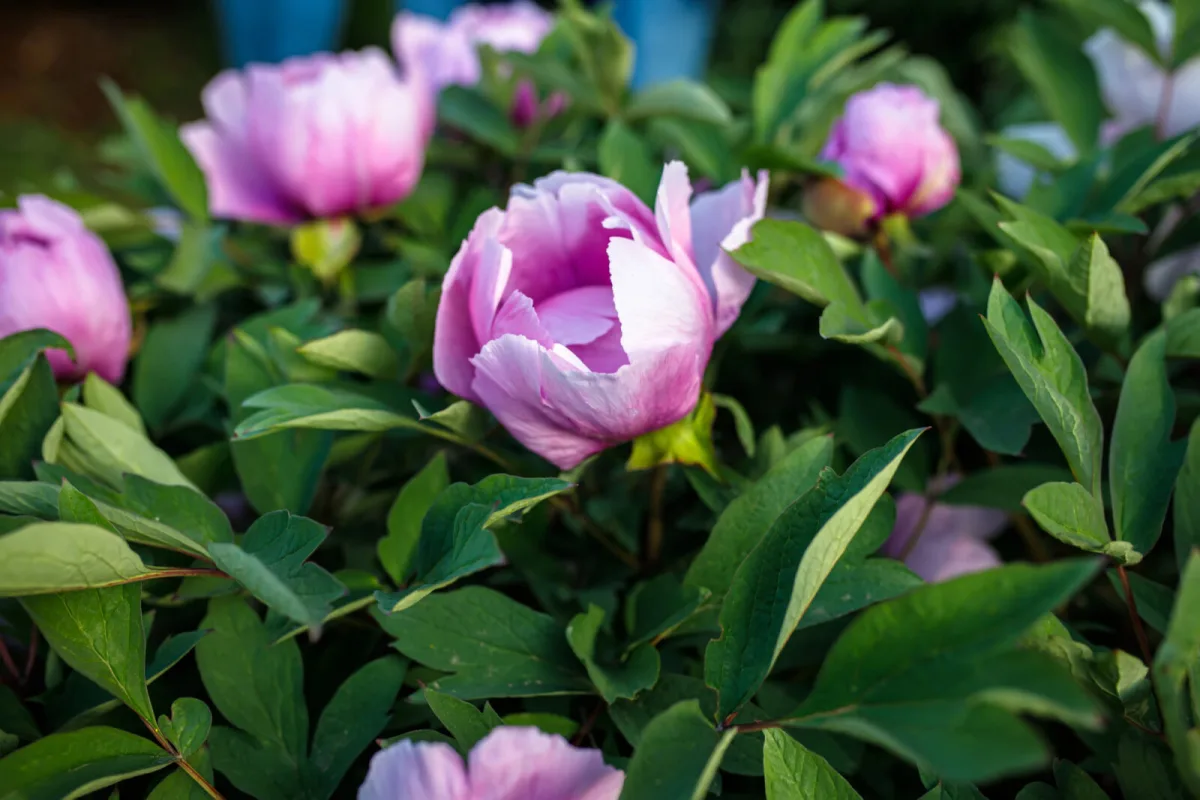
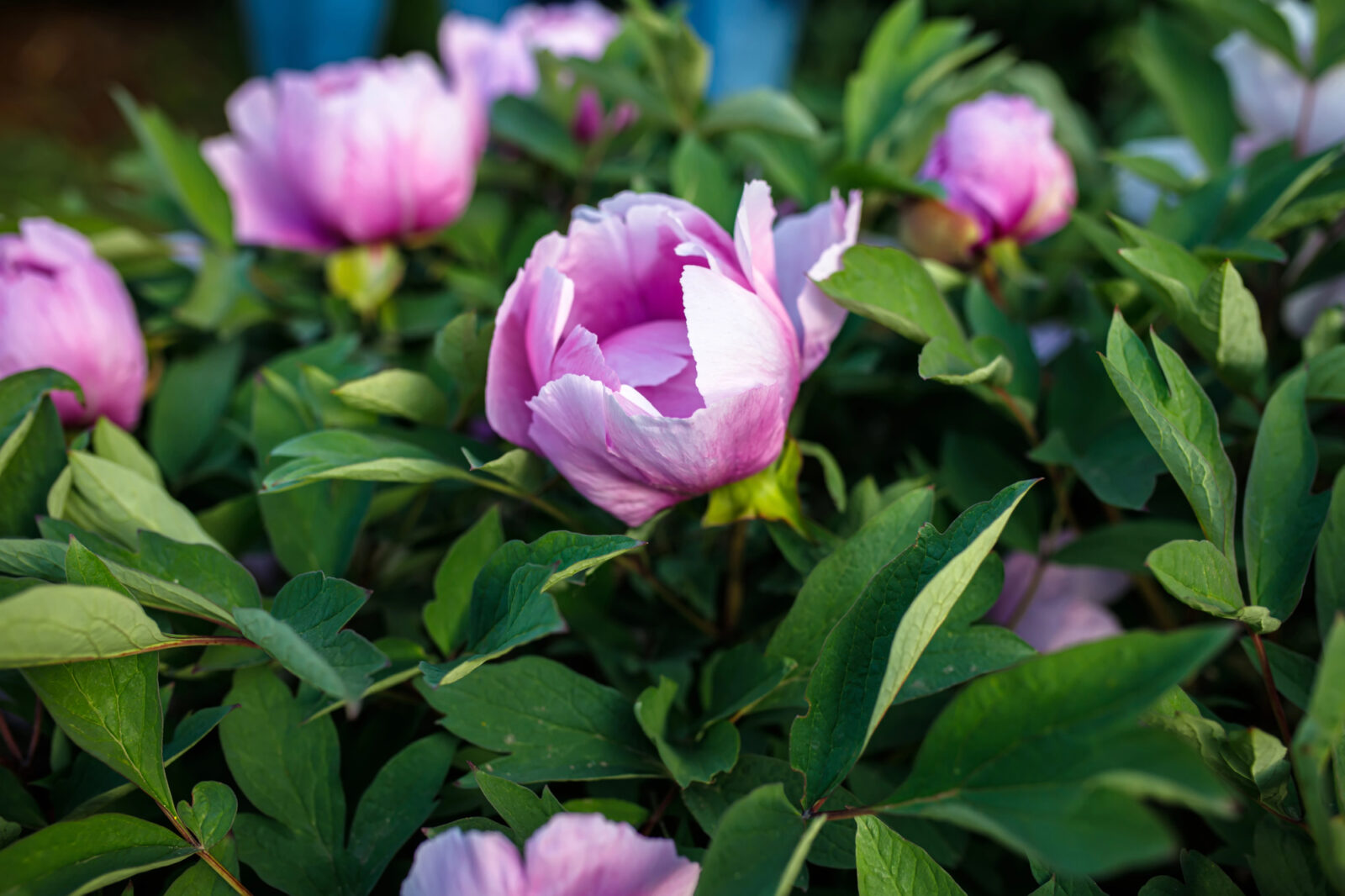
Once the last petals have dropped from a peony, it’s easy to think the job in the border is done for the year. But the period after flowering is exactly what decides how strong the plant will be and how many buds it will form for next season. Some growers leave the spent blooms in place; others cut the plant back far too hard. The right approach sits between these extremes and follows a simple idea: remove only what unnecessarily drains the plant, and keep as many healthy, working leaves as possible.
Why it’s worth removing spent blooms
After flowering, a peony naturally tries to continue its cycle and will start setting seed pods. Seed production is energy-hungry and uses nutrients that would otherwise be directed into the underground crown and roots. If you snip off the spent flowers in good time, the plant can invest in strengthening its root system instead of ripening seed. The crown acts as a storehouse: the more energy the peony banks there, the more reliable and generous next year’s flowering tends to be.
At the same time, the leaves don’t stop working once the blooms are over. The green growth keeps photosynthesising and building reserves the plant will draw on in spring. So the goal isn’t to “tidy up” with a drastic cut, but to help the plant manage its energy as efficiently as possible.
Health benefits and a tidier-looking border
Spent blooms and fallen petals often cling to the foliage and, in damp conditions, break down quickly. That soggy debris can create ideal conditions for fungal diseases, especially grey mould (Botrytis). By removing flowers after they fade, you reduce the amount of decaying material and improve airflow around the plant. The result is usually less disease pressure and a more vigorous clump overall.
Beyond plant health, there’s the look of the border. Peonies can still be very decorative after flowering if the clump stays neat and clean. Without the drooping heads, attention naturally shifts to the foliage, which adds structure and volume in the garden right through to autumn.
Where exactly to cut so the peony isn’t weakened
Where you cut matters just as much as when. Cut the spent flower off just above the first strong set of leaves, most often above a trio of leaves. That removes the bloom and a short section of stem while keeping the maximum amount of green surface. If you cut too low, you remove leaves needed for photosynthesis. On the other hand, leaving a long bare stalk can look untidy and may not heal as cleanly.
Use sharp, clean secateurs. A smooth cut seals faster, and minimal tissue damage also reduces the risk of introducing infection. Accuracy is key here, because every unnecessary leaf you remove can mean smaller reserves for next year.
The golden rule after flowering: let the leaves do their job
The most common mistake is trying to cut a peony back almost to the ground straight after it flowers. Even if the clump doesn’t look as spectacular as it did in full bloom, the leaves are crucial for future flowering. Cutting back too early, especially in mid-summer, is a frequent reason peonies don’t bloom the following year or flower weakly. Without enough foliage, the plant can’t make and store the energy it needs in the crown and roots.
Try to keep the leaves healthy, green and free from spotting for as long as possible. If you notice disease or damage, it’s better to remove only the affected leaves and keep the rest of the plant working, because that’s what determines the quality of next season’s buds.
How to support the clump after removing the blooms
Once you’ve deadheaded, the peony moves into a strengthening phase. During dry spells, regular watering helps prevent root stress and keeps the plant actively growing. Aim for steady moisture rather than waterlogging, because consistently wet soil increases the risk of rot and other problems.
A light feed can also help, ideally one higher in potassium and phosphorus to support root development and the formation of next year’s buds. Avoid fertilisers high in nitrogen at this stage, as they push lots of leafy growth at the expense of storing reserves underground.
A second wave of peony beauty after flowering
Many cultivars have handsome foliage that holds the shape of the border all summer. When you remove the faded blooms, the clump looks cleaner and the leaves stand out as the main visual feature. After the main flowering, a peony becomes a valuable supporting plant that adds texture and depth, blending well with other perennials and shrubs.
What to remember for abundant flowering next year
Deadheading is a small job with a big impact. It reduces unnecessary energy loss to seed production, lowers disease risk, and still allows the foliage to keep producing energy for the crown and roots. If you remove only the flower heads, choose the cut point carefully, and support the plant with watering and appropriate feeding, you’ll be rewarded with a stronger plant and fuller flowering next season.
The most common questions about pruning and caring for peonies after flowering
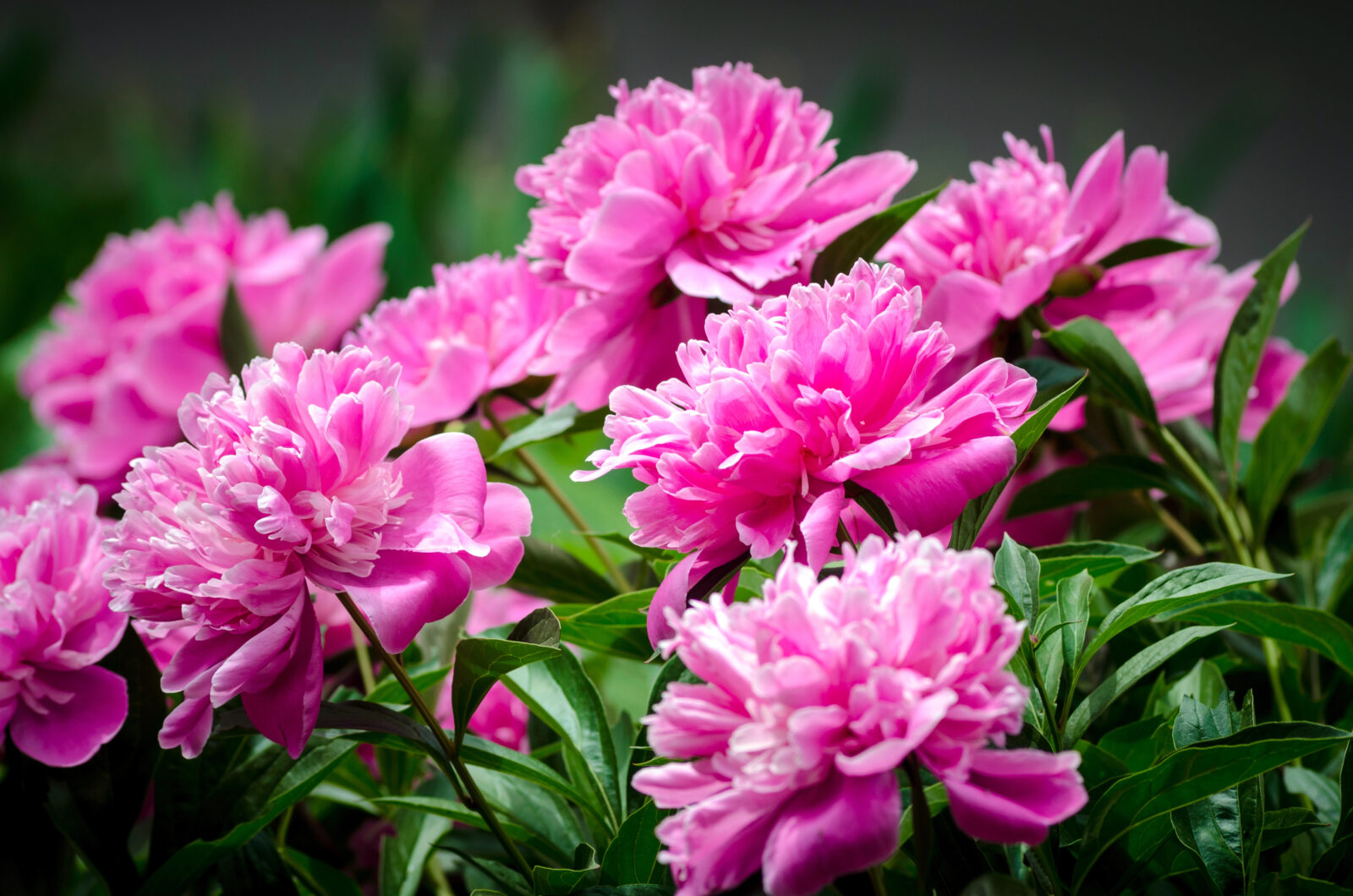
Can I cut a peony right down to the ground after it finishes flowering?
No. The leaves should stay on the plant until autumn, often until October, because they’re essential for photosynthesis and for storing energy in the crown and roots. Removing the green growth too early is one of the main reasons for poor flowering the following year. The correct approach is to remove only the spent blooms and leave the rest of the clump.
What happens if I don’t remove the faded flowers?
The peony will start forming seed pods and will divert some nutrients into ripening seed rather than strengthening the roots. That can weaken the crown and reduce flowering next year. In addition, decaying petals in damp conditions can increase the risk of fungal diseases, and the clump may look untidy.
When is the right time for a full cut-back before winter?
Cut the plant back only after the first harder frosts, when the top growth naturally dies back. Until then, the leaves are still contributing to stored reserves. If you cut the plant down too early, you deprive it of an important part of its seasonal strengthening.
Is it worth feeding straight after deadheading?
Yes, but choose a fertiliser with a higher proportion of potassium and phosphorus, which support roots and bud formation. Avoid high nitrogen, as it mainly encourages leafy growth and may not help what matters most after flowering, namely storing energy in the crown and roots.
Source: RHS, Ideal Home, Pestrazahrada.cz

A lover of nature, gardens, and everything that moves, blooms, or grows. He literally grows everything, from herbs to rare species, and he enjoys caring for animals just as much. In his work, he connects modern technology with tried-and-tested grandmotherly methods and is happy when both paths lead to the same goal.
Related articles
When autumn liming of soil makes sense and how it helps vegetable beds in the garden
Autumn soil liming can markedly improve soil structure and balance pH for healthier vegetables next season. It’s most worthwhile on heavy or overly acidic soils where nutrient uptake and disease resistance suffer.
Don’t Throw Away Pepper Plants After Harvest They Can Crop Again Next Year
Peppers aren’t just a one-season crop. With a simple overwintering routine, you can keep your plants alive indoors and enjoy earlier, heavier harvests next year.
Ten Minutes in Autumn Decide Your Currant Crop
Currants crop best on younger wood, while old stems drain the plant and shade out productive new growth. A quick autumn prune keeps the bush open, healthy, and reliably fruitful next season.
Comments (0)
Be the first to comment.