
 English
  Polski
  Deutsch
  Nederlands
  Svenska
  Norsk
Norsk  Dansk
Dansk  Français
  Italiano
  Español
  Português
  Slovenčina
  Suomi
Suomi  Gaeilge
 Your Pruners Decide the Fate of Raspberries, Blackberries and Currants
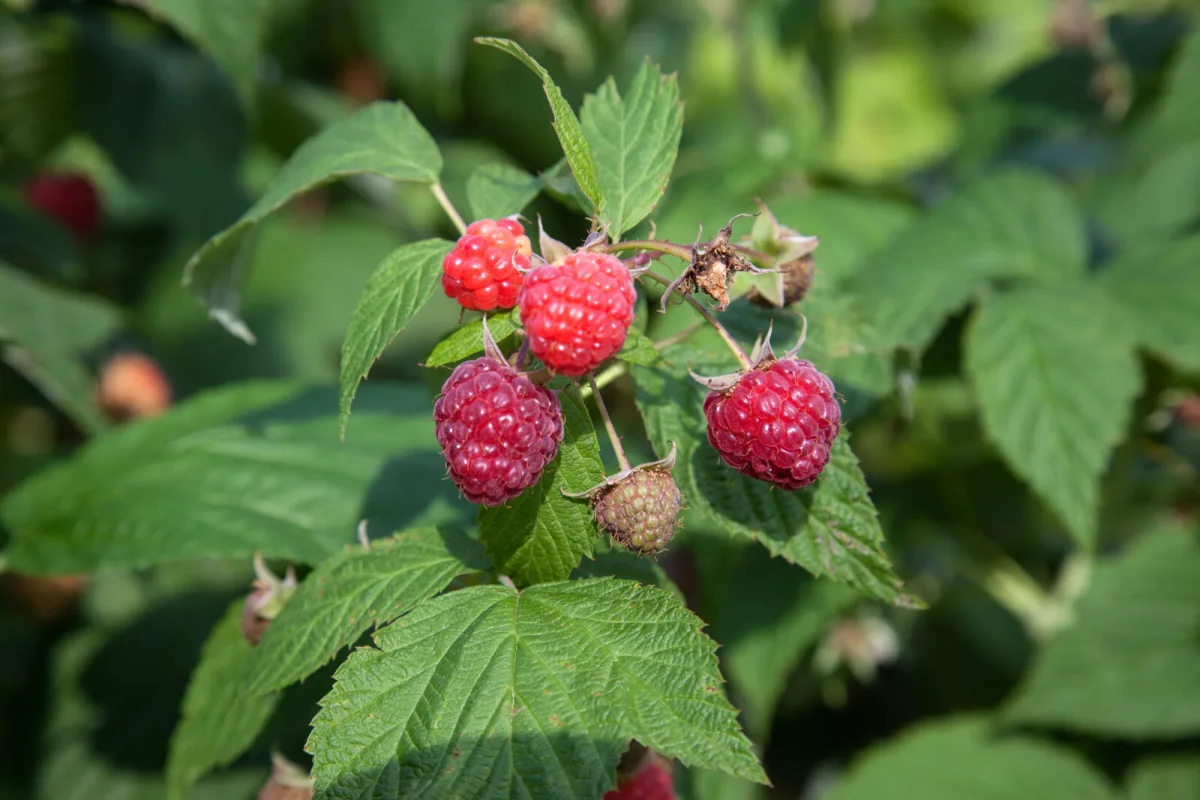
With autumn arriving, it’s the ideal time to tidy up soft fruit in the garden. Raspberries, blackberries and currants all tolerate pruning well right now, and the reward is usually stronger growth, better shrub health and a higher yield next season. If you leave plants without regular care, you often lose light, space and nutrients that would otherwise go into well-formed fruit.
The point of autumn pruning isn’t just to cut back overgrown bushes. The main aim is to remove old, weak or diseased canes so younger growth can thicken and strengthen. Better-aerated plants also dry faster after rain, suffer less from disease and are much easier to harvest.
How to prune raspberries
With raspberries, everything depends on which canes your variety fruits on. If you grow summer-fruiting raspberries (a two-year cycle), cut out every cane that fruited this year. Those canes won’t produce again and only drain energy from the new ones. Keep the young canes, and if needed thin the patch slightly so there’s plenty of light and air. The tips of these canes are not usually shortened.
It’s different with everbearing (autumn-fruiting) varieties, which crop on first-year canes. These can be cut right down in autumn, even to just a few centimetres above the soil. In spring they’ll shoot again and make fresh fruiting canes. If you didn’t remove old canes after harvest, now is the right time to put that right.
Blackberries can handle a harder cut
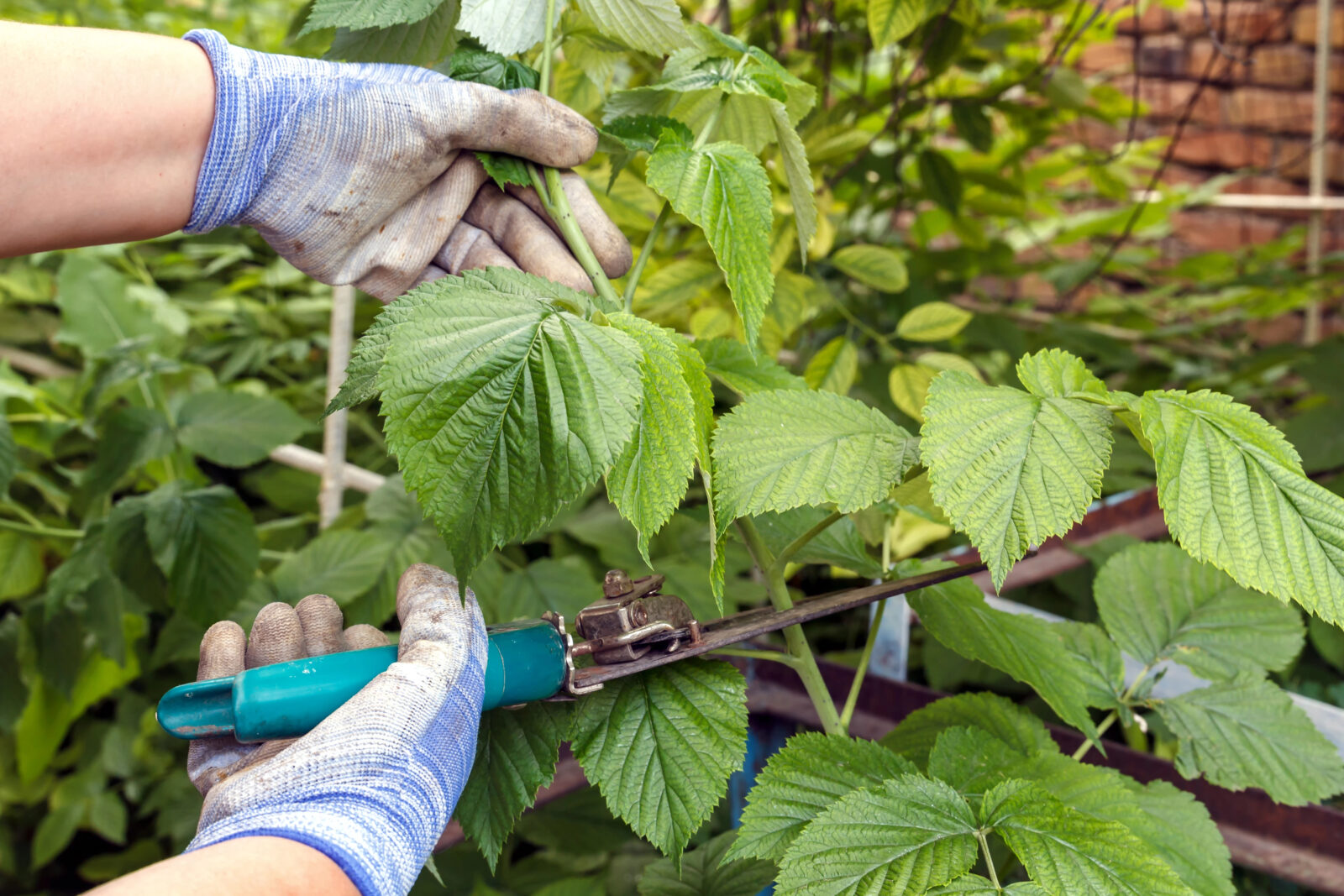
Blackberries grow vigorously and thicken quickly, so there’s no need to be afraid of pruning. The best time is from October to November, before hard frosts arrive. If you don’t manage it in autumn, you can step in in early spring, before bud break.
Start by removing all spent, dead and weak canes as low to the ground as possible. Also cut out surplus suckers that overcrowd the plant or stray outside the space you’ve allocated. Once only strong, promising canes remain, shorten their side shoots to about twenty centimetres. This encourages fruiting and keeps the plant in a more manageable shape.
With blackberries, it’s usually true that a bolder prune is better than none at all, because the plant has plenty of vigour to reshoot.
After pruning, tie the canes back to their support and mulch around the base with compost. It helps protect the plant through winter and also provides a reserve of nutrients.
Currants need light and renewal
Currants also benefit from autumn thinning. When the bush is opened up, it wastes less energy maintaining old wood and can direct more into fruiting. At the same time, you reduce the likelihood of pests and diseases, and harvesting is easier.
The best time is when leaves are starting to fall, but before severe frosts. That’s often late October or early November. Spring pruning is more of a back-up option and should be done very early, ideally by the end of February.
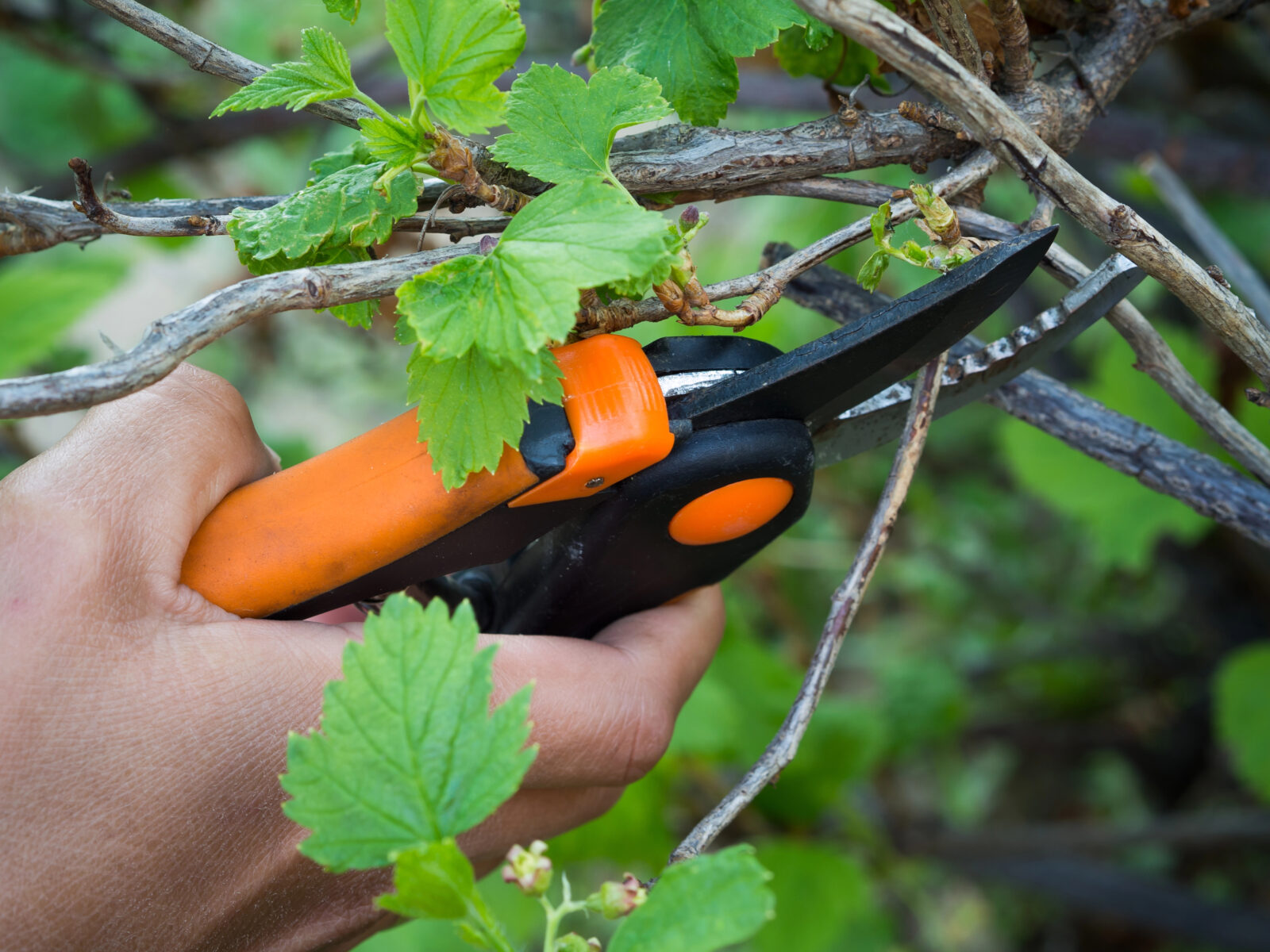
With older bushes, don’t be afraid of a more decisive cut. It’s enough to keep five to six strong main stems. Choose those with younger, paler bark, as darker stems tend to be older and less productive. Branches over five years old usually don’t crop as well, so it’s best to remove them. You should also cut out anything damaged, twisted or showing signs of infestation.
Careful autumn pruning pays off at harvest
Regular autumn care for raspberries, blackberries and currants isn’t complicated, but it makes a big difference. It rejuvenates the shrubs, helps them overwinter better and brings more high-quality fruit the following year. All it takes is to pick up the pruners, remove what no longer serves the plant, and give space to new vigour that will show itself next season.
Source: Rural Sprout, Hobby Fruit Growers, Pestrazahrada.cz

A lover of nature, gardens, and everything that moves, blooms, or grows. He literally grows everything, from herbs to rare species, and he enjoys caring for animals just as much. In his work, he connects modern technology with tried-and-tested grandmotherly methods and is happy when both paths lead to the same goal.
Related articles
Which Flowers Can Survive Frost Outdoors and Which Must Come Inside
As autumn arrives, some patio and balcony plants can stay outside through chilly nights, while others need bringing in before the first real frost. The key is a plant’s origin, hardiness, and the forecast—not the calendar.
Winterise Roses at the Right Time
Your roses’ performance next season depends on timely pruning and proper winter protection. Temperature, hygiene around the bush, and keeping the graft union safely covered are the key details that make the difference.
Autumn Care for Bay Laurel Keeps a Healthy, Bushy Shrub Full of Fragrant Leaves for Next Season
With the right autumn trim and a proper winter rest, bay laurel will stay dense, healthy and ready to put on strong growth in spring. Move it in before real cold arrives, water sparingly, and stick to light tidying rather than hard pruning.
Comments (0)
Be the first to comment.