
 English
 Polski
 Deutsch
 Nederlands
 Svenska
 Norsk
 Dansk
 Français
 Italiano
 Español
 Português
 Slovenčina
 Suomi
 Gaeilge
Ten Minutes in Autumn Decide Your Currant Crop
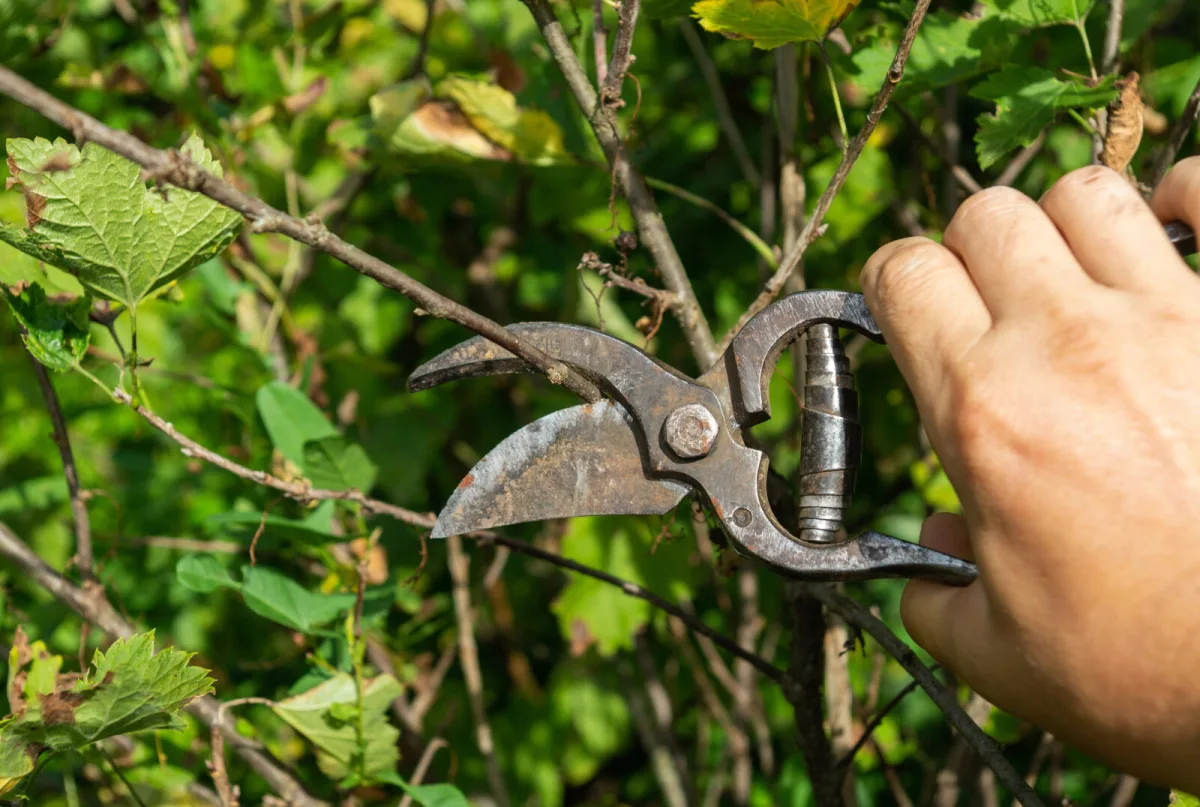
Currants produce their best crops on younger wood, while old branches tend to weigh the bush down. They may look healthy, be well leafed and show no obvious problems, yet they contribute very little to the next harvest. The shrub then wastes energy maintaining over-aged parts, and the young shoots with the greatest fruiting potential remain shaded and develop poorly.
Autumn is the ideal time, because once the leaves have dropped you can clearly see the framework of the bush. A brief session with the secateurs is enough to bring currants back into balanced growth. With blackcurrants it’s often right to remove up to a third of the oldest stems; with red and white currants you need to be more cautious and keep good two- and three-year-old wood.
How to recognise old branches that no longer help the bush
Telling young from over-aged wood isn’t difficult. Young shoots have lighter bark, are smooth, flexible and bend fairly easily. Old branches, by contrast, are darker, thicker, rough to the touch and often have cracked bark. You may also see lichens or a greenish film on them. Typically, they carry less fresh side growth and have longer bare stretches.
Branch thickness is a good clue too. If a stem has thickened so much that ordinary secateurs won’t cope and you need a pruning saw, it’s usually wood that has already passed its best. On older bushes, you can also judge age by the amount of branching: heavily branched main stems are often prime candidates for removal.
Blackcurrants and redcurrants need different approaches
The most common mistake is using the same pruning for every type. Blackcurrants fruit mainly on strong young growth, so they need more regular, more decisive renewal pruning. Branches older than three years shouldn’t be left on the bush for long. The aim is to keep a majority of young shoots and an open, airy structure.
Red and white currants are different. They crop well on older, but still productive wood, especially on two- and three-year-old branches. That’s why heavy pruning doesn’t pay off with them. You mainly remove four-year-old and older wood, while the younger fruiting framework should be kept. If you cut redcurrants back like blackcurrants, you can easily reduce your harvest.
A quick step-by-step pruning routine
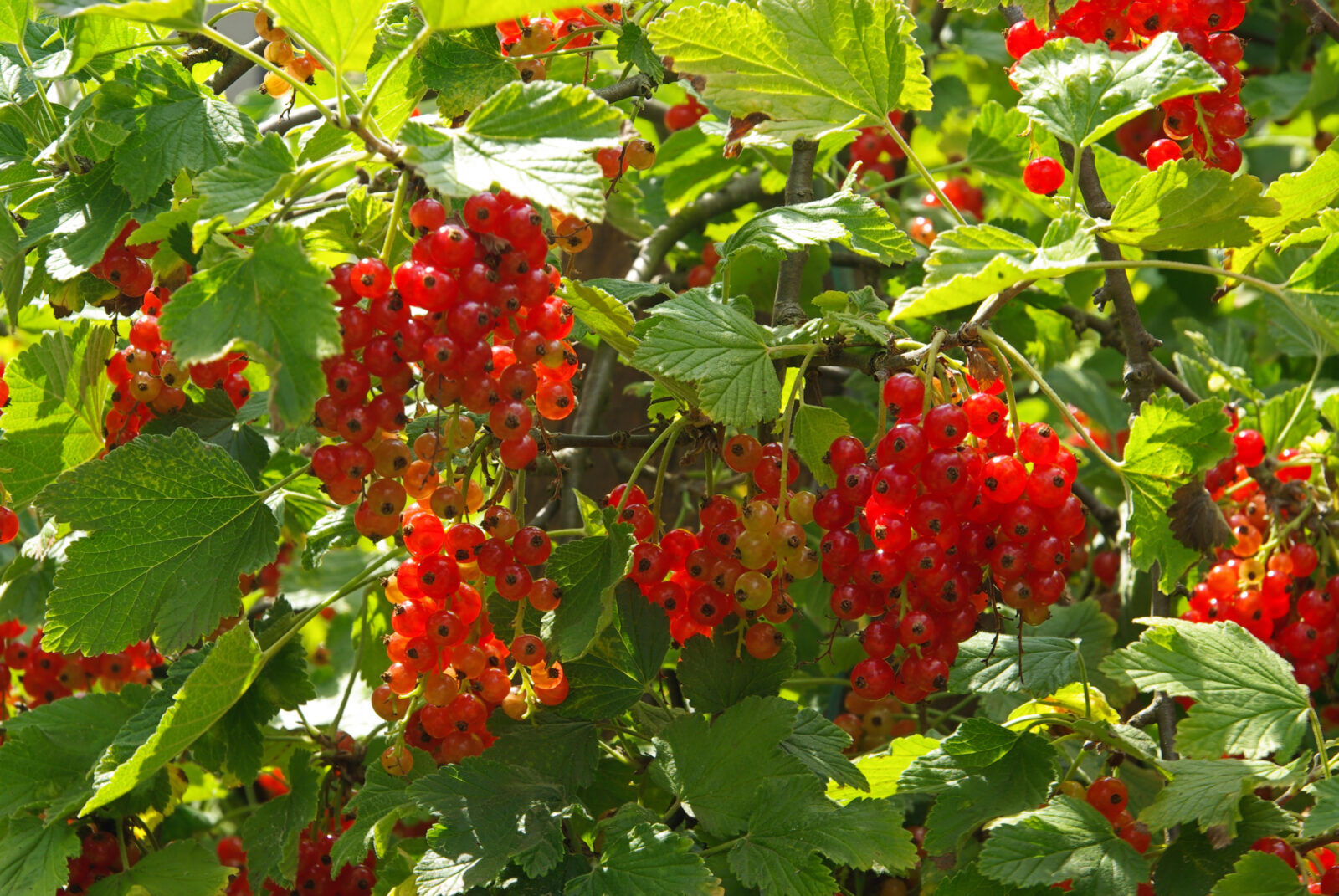
The best time is after harvesting and after leaf fall, but before hard frosts set in. In warmer areas this is usually October and November; at higher elevations it’s better to get on with it sooner. If you don’t manage it in autumn, you can also prune in late winter before bud break.
First remove anything dead, diseased, damaged or hollow. Next deal with shoots that sit too low, point into the centre of the bush, or cross and rub against others. Then comes the main part of the prune: cutting out the oldest, darkest main stems right down at ground level. It’s important not to leave stubs, as they only thicken the bush and encourage weak growth.
Finally, check how many main stems you’ve left. Blackcurrants do best with fewer stems dominated by young wood; red and white currants should have a more even mix of one-, two- and three-year-old branches. The finished plant should look like an open bush, with light and air reaching into the centre.
What you gain from proper thinning
After pruning, light reaches all parts of the bush more easily and the leaves dry faster after rain. That reduces the risk of fungal diseases, and young shoots get better conditions to ripen. In neglected bushes the change is often obvious within one or two seasons, because the proportion of fruitful wood is restored and the clusters become both more numerous and better quality.
Old branches can look vigorous, but the real future of the crop lies mainly in young, well-lit shoots.
How to care for the bush after pruning
After pruning, it’s worth topping up potassium, which helps wood ripen and supports the quality of next year’s fruit. Potash fertilisers in sulphate form are suitable, because currants don’t tolerate chloride well. Scatter the fertiliser around the drip line where the active roots are, and lightly work it into the soil. Then water the bush and cover the soil with compost or mulch.
In autumn, don’t overdo nitrogen. Excessive doses push soft, lush growth at the expense of fruit quality and can reduce tissue ripening. Proper disposal of prunings matters too. Healthy young rods can be used for propagation, but diseased or infested wood shouldn’t go on the compost. It’s safer to take it away with green waste or dispose of it according to local rules.
Ten minutes that decide next year’s harvest
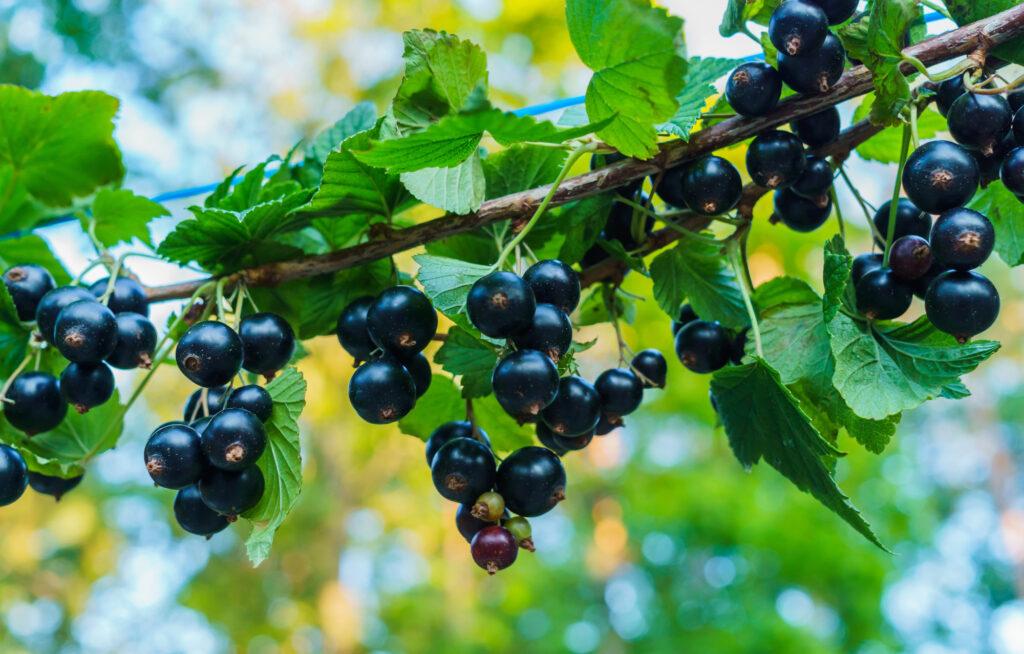
Autumn pruning of currants isn’t complicated and doesn’t take long. Even so, it’s a job with a big impact on both the quantity and quality of fruit next season. When over-aged wood is removed regularly and the bush maintains a balanced framework, cropping stays steady and the plant thrives. All it takes is a quick check, a confident hand, and the willingness to sacrifice a few old stems in favour of a new harvest.
Source: Chris Bowers, RHS, Gardening Know How, Pestrazahrada.cz

A lover of nature, gardens, and everything that moves, blooms, or grows. He literally grows everything, from herbs to rare species, and he enjoys caring for animals just as much. In his work, he connects modern technology with tried-and-tested grandmotherly methods and is happy when both paths lead to the same goal.
Related articles
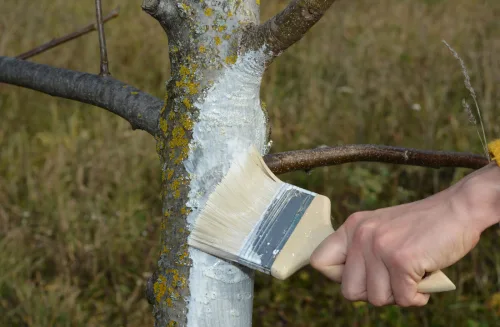
White Painted Trunks in Orchards Protect Trees from a Hidden Winter Threat
Whitewashing tree trunks in winter isn’t decoration. It helps prevent bark cracking caused by sharp day-to-night temperature swings and reduces the risk of disease entering through wounds.
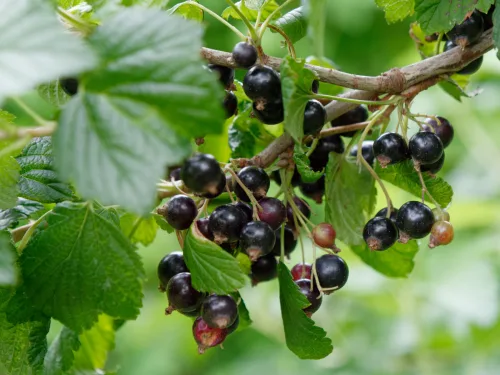
What to do for currant bushes in October so they’re loaded with fruit next year
October is the best time to set currant bushes up for a strong spring and a heavy crop. With the right pruning, protection and autumn feeding, you’ll encourage more flower buds and better winter hardiness.
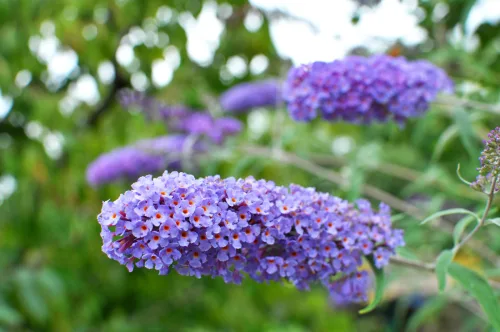
October care for butterfly bush encourages abundant flowering, good shape and safe overwintering
Butterfly bush (Buddleja davidii) benefits from a light autumn tidy-up, seedhead removal and a bit of root protection. These October steps help keep the shrub compact, limit self-seeding and improve its chances through winter.
Comments (0)
Be the first to comment.