
 English
  Polski
  Deutsch
  Nederlands
  Svenska
  Norsk
Norsk  Dansk
Dansk  Français
  Italiano
  Español
  Português
  Slovenčina
  Suomi
Suomi  Gaeilge
 Speed Up Tomato Ripening Without Unnecessary Chemicals and Get a Sweeter Crop Weeks Earlier
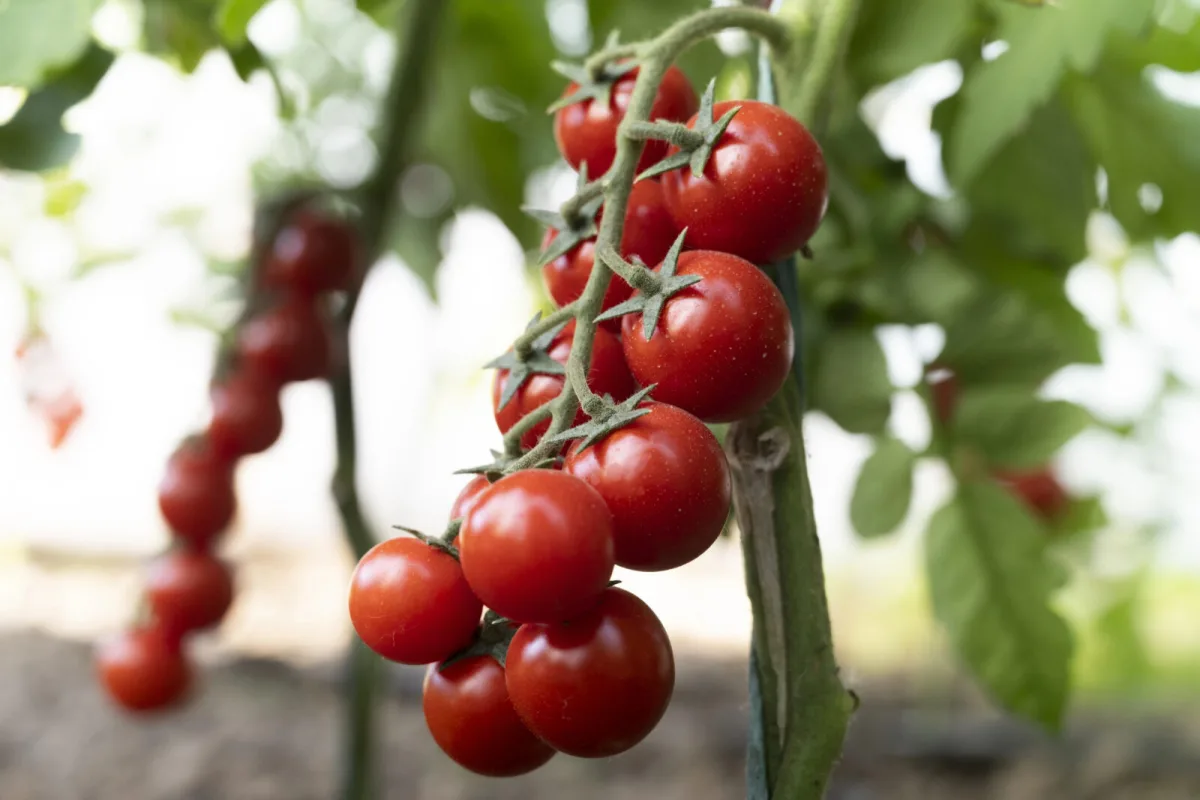
Garden tomatoes usually start to redden in the second half of summer, and harvesting often drags on into September. But if you don’t want to wait, you can encourage ripening with a few simple steps. An earlier crop means not only quicker enjoyment of fresh, sweet fruits, but also less risk of tomatoes being damaged by cool nights, prolonged rain, or fungal diseases. Bringing harvest forward also helps when the weather suddenly turns and there are still plenty of green fruits left on the plants.
Stop vertical growth and let the plant work for the fruit
One of the most effective methods is to stop the plant from growing taller. In practice, this means pinching out the main growing tip above the last, highest flower truss. The tomato then stops putting energy into more leaves and new blooms and focuses its strength on the fruits already on the plant. It’s also worth removing fruits as you go that are diseased, split or otherwise damaged, so the plant doesn’t waste nutrients where the crop can’t be saved anyway.
Fewer fruits on the plant can mean faster colouring up
When there are too many tomatoes on a plant, each one gets a smaller share of energy. There’s no need to panic-pick every green tomato, but it does make sense to remove any that are misshapen, blight-affected or clearly weakened. The remaining healthy fruits then usually size up and ripen faster, because the plant channels nutrients where they’ll have the greatest effect.
A little stress as a natural accelerator
As paradoxical as it may sound, slightly reducing comfort can significantly speed ripening. Under mild stress, the tomato reads the situation as risky and tries to finish seed development quickly, which means ripening sooner. You can trigger this, for example, by carefully cutting back on watering. The soil shouldn’t dry out completely; the goal is simply to slow lush growth and redirect the plant’s attention to the fruit.
Light root disturbance helps slow growth
Another option is to gently restrict the root system, for instance by lightly slicing into the soil with a spade at a certain distance from the stem. This isn’t a drastic measure, but a small check on water and nutrient uptake that encourages faster ripening. This approach makes the most sense when fruits are already set and the aim is no longer more growth, but finishing the crop.
How to ripen green tomatoes after picking
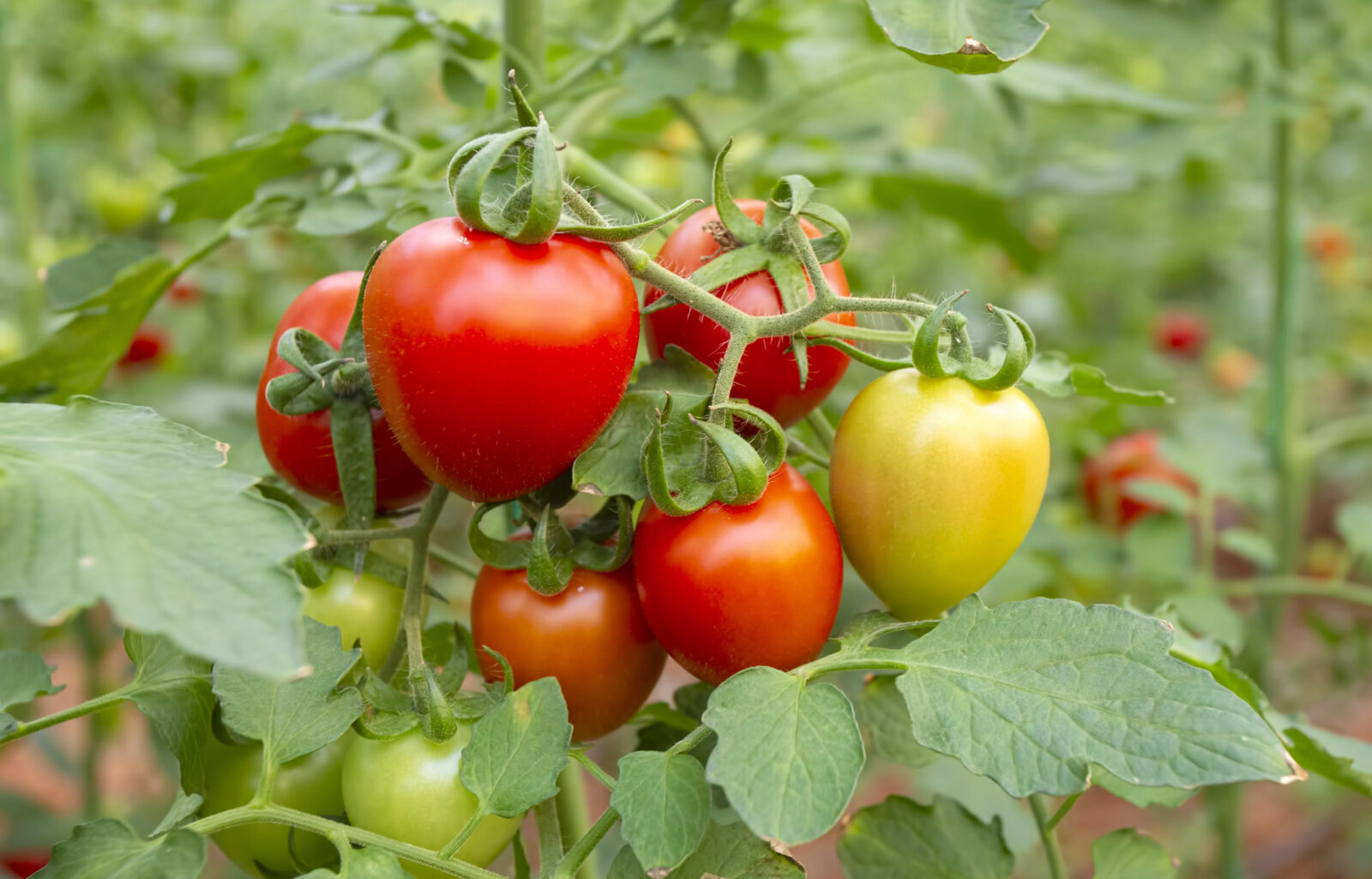
Sometimes you have to pick fruits that are still green, for example when cool nights arrive or when the risk of blight increases. The good news is that tomatoes can ripen off the plant. A tried-and-true trick is to put them in a paper bag together with an apple. Apples release ethylene gas, which acts as a natural trigger for ripening. In these conditions the fruits usually colour up within a few days, and the flavour is often very similar to tomatoes ripened on the vine.
Other small tweaks that speed up harvest
Better access to light and warmth also helps tomatoes ripen faster. It’s practical to remove lower leaves that unnecessarily shade the fruit, hold moisture and can encourage disease spread. On cooler days it pays to create a warmer microclimate for the plants, for example with short-term protection using horticultural fleece, or by growing in a polytunnel. If you fertilise, focus more on potassium, which supports sugar formation and helps fruits ripen more quickly, while excess nitrogen often mainly drives leafy growth at the expense of colouring up.
Weeks-earlier harvest without complicated measures
A combination of pinching out the growing tip, sensible thinning of fruit, mild stress, and good conditions for warmth and light can shorten the wait for the first ripe tomatoes by several weeks. And if you do have to pick part of the crop green, ripening in a paper bag with an apple often saves the day. The reward is fragrant, juicy fruits from your own garden, which taste best when you pick them at just the right moment.
Source: Rural Sprout, Garden Betty, Epic Gardening, Pestrazahrada.cz

A lover of nature, gardens, and everything that moves, blooms, or grows. He literally grows everything, from herbs to rare species, and he enjoys caring for animals just as much. In his work, he connects modern technology with tried-and-tested grandmotherly methods and is happy when both paths lead to the same goal.
Related articles
Don’t Throw Away Pepper Plants After Harvest They Can Crop Again Next Year
Peppers aren’t just a one-season crop. With a simple overwintering routine, you can keep your plants alive indoors and enjoy earlier, heavier harvests next year.
Ten Minutes in Autumn Decide Your Currant Crop
Currants crop best on younger wood, while old stems drain the plant and shade out productive new growth. A quick autumn prune keeps the bush open, healthy, and reliably fruitful next season.
White Painted Trunks in Orchards Protect Trees from a Hidden Winter Threat
Whitewashing tree trunks in winter isn’t decoration. It helps prevent bark cracking caused by sharp day-to-night temperature swings and reduces the risk of disease entering through wounds.
Comments (0)
Be the first to comment.