
 English
  Polski
  Deutsch
  Nederlands
  Svenska
  Norsk
Norsk  Dansk
Dansk  Français
  Italiano
  Español
  Português
  Slovenčina
  Suomi
Suomi  Gaeilge
 Turn One Bouquet into a Whole Rose Bed with the Right Method

Were you given a gorgeous bouquet of roses and hate the thought that it will inevitably wilt after a few days in a vase? If you have even a small patch of garden, a balcony, or a spot on a windowsill, you can try turning cut roses into new plants. If rooting works, one bouquet can become a border bed or several pots that will bring you long-term enjoyment.
It’s not an overnight miracle and the result is never 100%, because it depends on how fresh the flowers are and on the variety. Still, there are simple home methods that can encourage root formation. The most common are a yeast solution, honey water, or water with aloe vera. Each method works a little differently, but the principle is similar: you give the cuttings conditions in which they can form roots more easily, while keeping a close eye on the liquid level.
A yeast solution as the most often praised option
Yeast is popular mainly because it’s easy to use and the solution can be mixed up in no time. Start by adding about 100 ml of crumbled fresh yeast to 1 litre of water and stirring so the yeast disperses through the water.
Place the roses into the prepared solution so that about one third of the stem is submerged. At this stage, let the cuttings sit for roughly two days. Then take them out and rinse the stems in warm water to remove any residue. After that, put them back again, this time a little deeper, to about half the stem length.
It’s important to keep checking the liquid level. As the water drops, top it up to keep roughly the original volume. Leave the cuttings in the solution until roots begin to appear. Once the roots are visible and strong enough, it’s time to think about potting on.
Honey water as a gentle boost for rooting
Another simple option is honey, added to water in a small amount. Prepare 1 litre of water and dissolve 1 teaspoon of honey in it until it is completely dissolved.
Submerge about one third of the stem length in this honey water and leave the cuttings in the solution for 10 to 12 hours. Then take them out and move them into a container of clean water. Here they can be submerged to about half their length. This step is practical for anyone who doesn’t want to leave cuttings in a single solution for too long and prefers to continue with standard water rooting.
Aloe vera and water for faster tissue recovery
The third method uses aloe vera juice. Add about 10 drops of freshly pressed aloe juice to 1 litre of water and stir. Submerge the cuttings to about half their length.
As with the other methods, you need to watch the level and, when it drops, top up with water so the immersion stays around half the stem. After about ten days, it’s recommended to add another 5 to 7 drops of aloe juice. From experience, this mix is said to support the formation of side roots and help plant cells recover, which can give the cuttings an easier start.

When to transplant roses and where to grow them afterwards
Once the cuttings have a sufficient number of roots, it’s best to transplant them into compost. At this point they tend to be at their most delicate, so it pays to work carefully, avoid damaging the roots unnecessarily, and give the plants steady moisture. You can grow roses either in a pot with a suitable growing medium or plant them straight into the garden, if you have a spot with good conditions.
The choice depends on your options and preferences. A pot makes it easier to control watering and placement, while the garden offers more space. Whichever route you choose, the biggest reward is the moment the roses from the original bouquet truly take root and gradually turn into a full-grown plant that will flower again and again.
Source: To je nápad, Gardening Know How, Pestrazahrada.cz

A lover of nature, gardens, and everything that moves, blooms, or grows. He literally grows everything, from herbs to rare species, and he enjoys caring for animals just as much. In his work, he connects modern technology with tried-and-tested grandmotherly methods and is happy when both paths lead to the same goal.
Related articles

A Lawn Without Bare Patches Depends on Two Things People Rarely Mention
Sowing a lawn from seed is affordable and flexible, but success hinges on careful soil preparation, the right seed mix, and patient aftercare. Follow proven timing and sowing techniques to get a dense, even sward without bare patches.

September Pruning Can Be Fatal for Shrubs Leave These Types Alone
Early autumn can tempt you to tidy shrubs with the secateurs, but September pruning can trigger soft new growth, weaken plants for winter, and cost you next spring’s flowers. For many shrubs, waiting until after flowering or until spring is the safer choice.
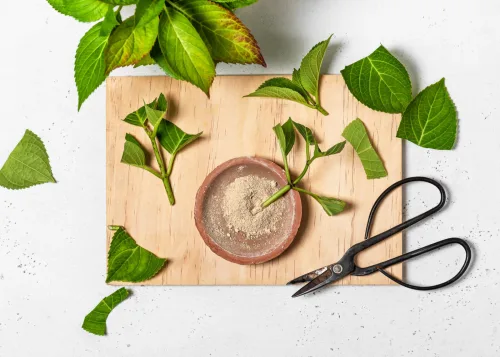
September cuttings will save you buying new plants in spring
Taking cuttings in September is an easy, low-cost way to raise new plants for beds and containers. Root them under protection through winter and you’ll have sturdy young plants ready to go outside in spring.
Comments (0)
Be the first to comment.