
 English
  Polski
  Deutsch
  Nederlands
  Svenska
  Norsk
Norsk  Dansk
Dansk  Français
  Italiano
  Español
  Português
  Slovenčina
  Suomi
Suomi  Gaeilge
 Winterise Roses at the Right Time
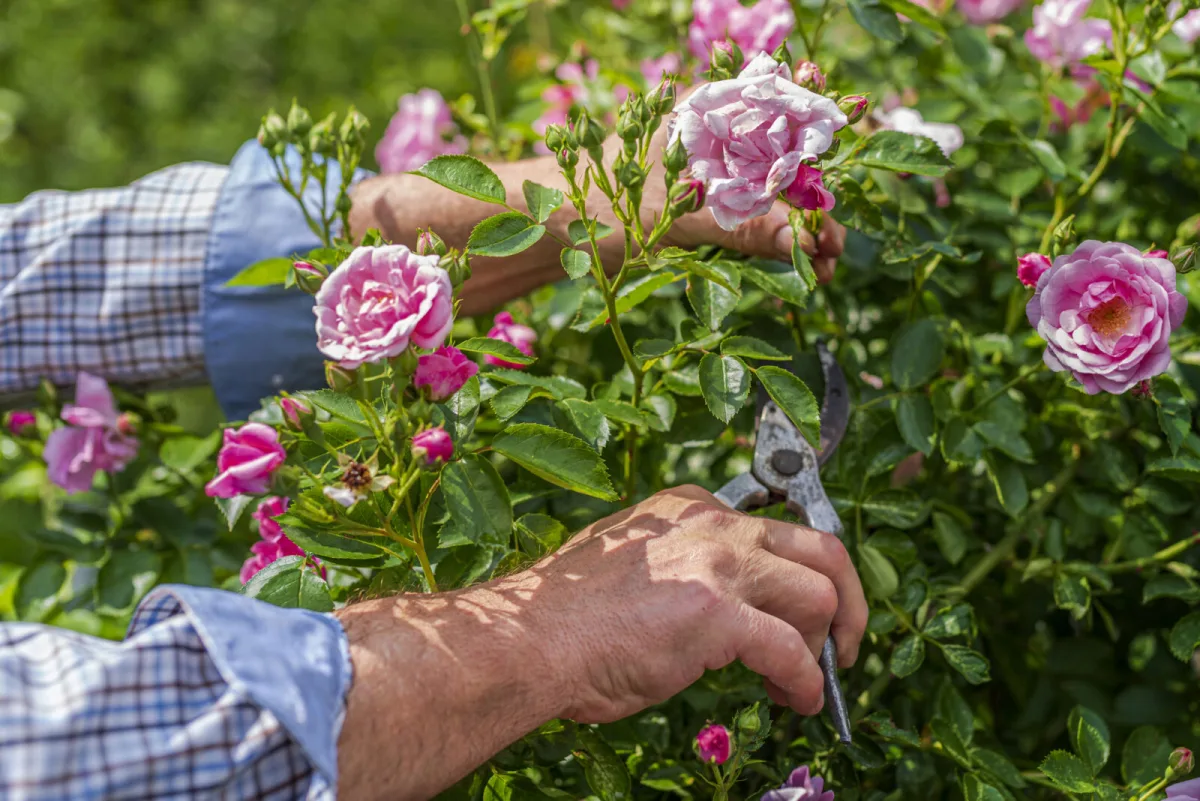
Roses are among the most striking garden features, but their beauty next season depends on how you care for them before winter. The right pruning and careful winter protection determine whether the bushes break into healthy growth in spring, produce strong new shoots and flower freely. If this step is neglected, plants can weaken over winter, suffer frost damage, or be hit by fungal diseases.
As colder days arrive, it’s time to prepare roses for dormancy. The aim is not only protection from frost, but also preventing the plants from starting into growth again during a short warm spell. Any new buds would then be easily damaged by the next frosts, and the bush would lose strength unnecessarily.
When to start pruning
The best moment comes when temperatures settle consistently around -5 to -7 °C. In colder areas this can be as early as October, while in milder parts of the country you can wait until November. The key is not to prune too early, so you don’t encourage roses into fresh growth.
Always follow the weather for your specific location and the way autumn is unfolding. The point is to let the plant rest and prepare it for winter at the time when growth has genuinely stopped.
How to prune a rose correctly
First, remove all spent blooms from the bush. But the job doesn’t end there. The leaves need to come off too, because they often harbour disease spores. Once pruning is finished, the bush should be almost completely bare. This treatment significantly reduces the risk of mildew and other problems through the winter months.
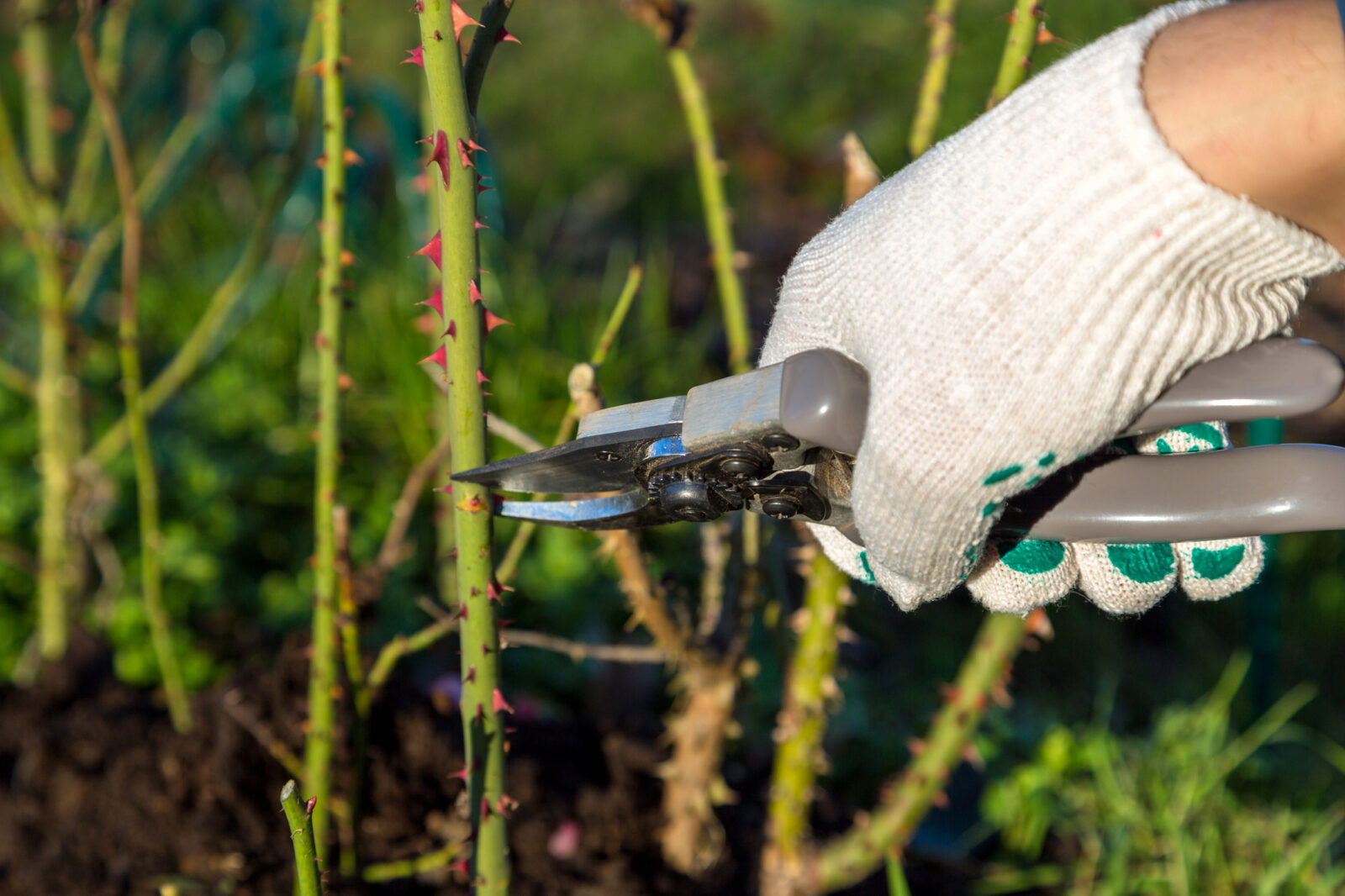
Then shorten the stems to roughly five buds. If the buds aren’t easy to see, use a simple rule of thumb and leave a height of about one and a half to two hand spans from the base of the bush. This cut helps the plant overwinter better and, in spring, directs energy into strong, healthy shoots.
Pay special attention to young, soft, unripe growth. This usually won’t survive the winter, so it’s better to remove it completely right down at the base. If left on the plant, it may rot later and become an entry point for disease.
Tidying around the bush is just as important as pruning
After cutting back, collect all plant debris, fallen leaves and pruned stem pieces. It’s also worth clearing weeds from around the bush. A clean area around the rose reduces overwintering pests and diseases and makes further frost protection easier.
A sensible step is also to treat the soil around the bush with a product against fungal diseases. It isn’t always necessary, but in gardens where problems have occurred in previous years, this one measure can help a great deal.
How to winterise roses properly
The foundation of protection is to mound dry soil up into the centre of the bush. The layer should be about 8 to 10 cm, and the graft union should remain safely under this light covering of soil. The top layer of garden soil works best, piled up into a small mound.
Sawdust isn’t recommended for winter protection. You can’t be sure it hasn’t come from infected wood, and it can also hold unwanted moisture. Ordinary soil is much safer, followed by covering with a suitable material.
What to cover the bush with
After mounding up the soil, cover the rose with a material that lets air and water through. Conifer branches work very well, for example spruce boughs. They create a natural protective layer over the bush, but won’t smother the plant. That matters, because roses need adequate ventilation even in winter.
Evergreen branches also hold snow well, which acts as a natural insulating blanket. Thanks to this, the bush stays better protected from deep freezing and sharp temperature swings.
Simple preparation for abundant flowering next season
Autumn care for roses isn’t complicated, but it does require good timing and attention to detail. When you remove blooms and leaves, shorten the shoots, tidy around the bush and protect the rose properly for winter, you greatly increase the chances of strong, healthy spring growth. Your reward will be vigorous bushes and noticeably heavier flowering next year.
Just a few simple steps, and your roses will repay you next season with masses of beautiful blooms.
Source: Garden Gare, Incolorme, Wenke Green Houses, Pestrazahrada.cz

A lover of nature, gardens, and everything that moves, blooms, or grows. He literally grows everything, from herbs to rare species, and he enjoys caring for animals just as much. In his work, he connects modern technology with tried-and-tested grandmotherly methods and is happy when both paths lead to the same goal.
Related articles

Which Flowers Can Survive Frost Outdoors and Which Must Come Inside
As autumn arrives, some patio and balcony plants can stay outside through chilly nights, while others need bringing in before the first real frost. The key is a plant’s origin, hardiness, and the forecast—not the calendar.

Your Pruners Decide the Fate of Raspberries, Blackberries and Currants
Autumn pruning is the key moment for raspberries, blackberries and currants. Remove old, weak or diseased wood now and you’ll get healthier plants and a bigger crop next season.
Autumn Care for Bay Laurel Keeps a Healthy, Bushy Shrub Full of Fragrant Leaves for Next Season
With the right autumn trim and a proper winter rest, bay laurel will stay dense, healthy and ready to put on strong growth in spring. Move it in before real cold arrives, water sparingly, and stick to light tidying rather than hard pruning.
Comments (0)
Be the first to comment.