
 English
  Polski
  Deutsch
  Nederlands
  Svenska
  Norsk
Norsk  Dansk
Dansk  Français
  Italiano
  Español
  Português
  Slovenčina
  Suomi
Suomi  Gaeilge
 When to Prune Roses in Autumn for Safe Wintering and Heavy Bloom Next Year

Roses can be the highlight of the garden right into late autumn, but if you want them to set plenty of flowers again next season, they need targeted end-of-year care. One of the most important jobs is autumn pruning. It helps the shrub head into winter in better condition, reduces disease pressure, and lowers the risk of long shoots being damaged by frost, wind, or the weight of snow. An autumn tidy doesn’t just improve the shape of the rose, it mainly sets it up for a healthier start in spring.
A common mistake is assuming roses will take care of themselves. Without regular removal of weak and damaged parts, the bush can become overly congested, ventilation suffers, and it becomes more prone to fungal diseases. Think of autumn pruning as both prevention and preparation for dormancy.
The best month for autumn rose pruning
As a rule, autumn pruning is best done in October. The ideal moment is after the first light frosts, when the rose has already slowed down and is gradually switching into winter mode. By then, the shrub has usually finished its main flush of bloom and the shoots are better ripened, so the work won’t unnecessarily drain the plant.
If you cut roses back too early, they may respond with fresh growth. Those young, soft shoots are easily damaged by later frosts, and the plant goes into winter weakened. Timing is key precisely because you don’t want pruning to trigger growth at a time when the rose needs to rest.
How to tell it’s time to pick up the secateurs
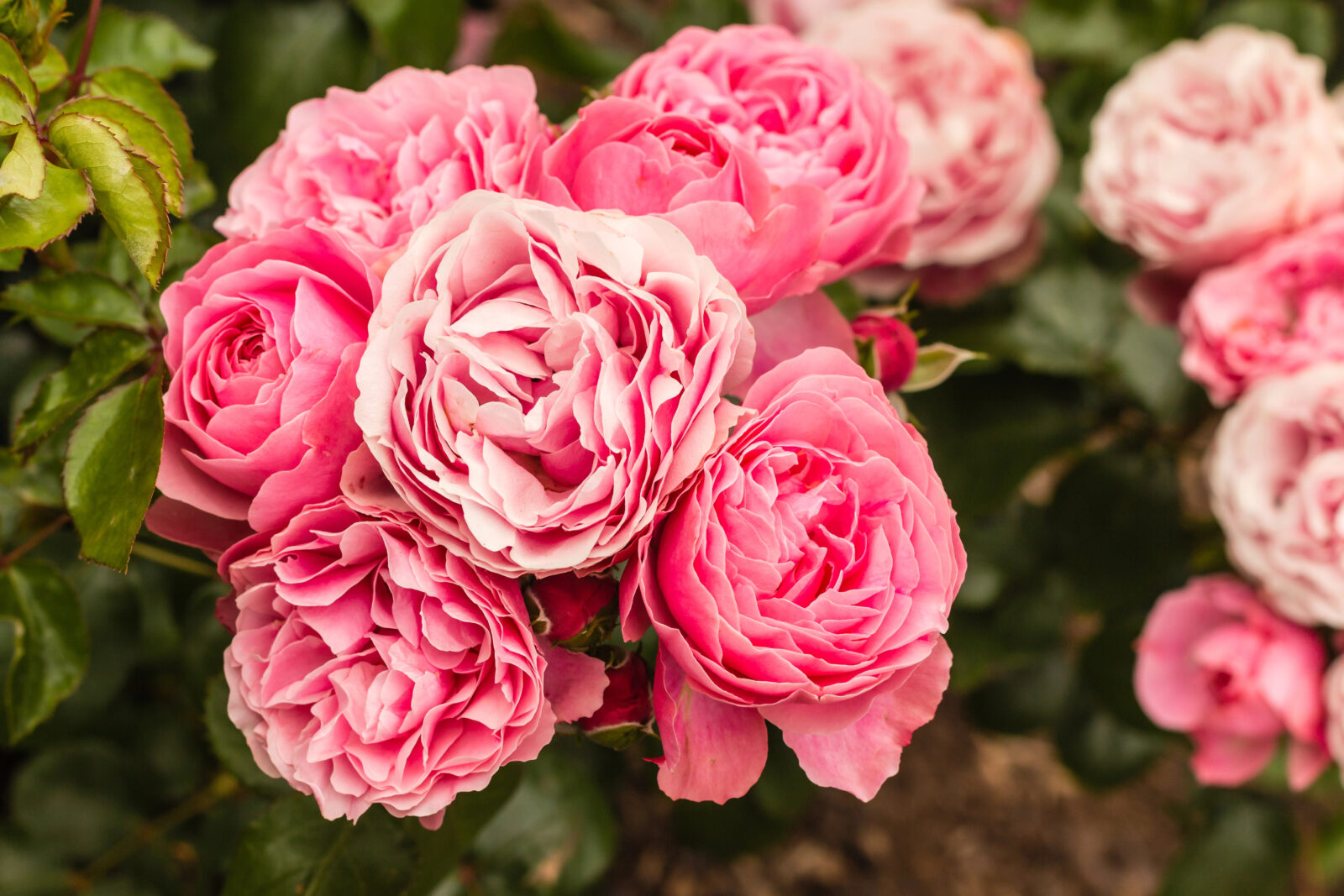
Follow not only the calendar, but also the weather and the condition of the plant. The right moment is when nights are cold, growth has almost stopped, and the rose is no longer making strong new shoots. Once the first light frosts arrive and daytime temperatures stay on the lower side, it’s a reliable signal that autumn pruning won’t encourage unwanted new growth.
It’s also best to prune in dry weather. Damp, rainy days increase the risk that fresh cuts will become an entry point for infection.
The correct method for autumn pruning step by step
Autumn pruning is usually gentler than spring pruning. It’s not about hard rejuvenation, but more about shortening and cleaning up the bush. First remove weak, diseased, broken, or clearly damaged shoots. Then shorten healthy branches to roughly half to two thirds of their length, depending on the vigour of the rose and its position. The aim is to reduce the leverage of long canes that wind could rock or snap, and to limit snow load.
Use sharp, clean secateurs. A blunt tool crushes tissue and leaves ragged wounds that heal more slowly. Cleanliness is just as important, as it reduces the chance of spreading disease from one plant to another.
What to watch for so the shrub doesn’t suffer
Prune thoughtfully, and when in doubt, do less rather than cutting too hard. The autumn job is meant to stabilise the rose, not exhaust it. Focus on opening up the plant and removing troublesome parts that wouldn’t survive the winter anyway or would hold back healthy growth in spring. If you’re not sure, stick to the rule that you can always fine-tune more in spring, but it’s harder to correct an overdone autumn prune.
What to do after pruning so the rose overwinters well
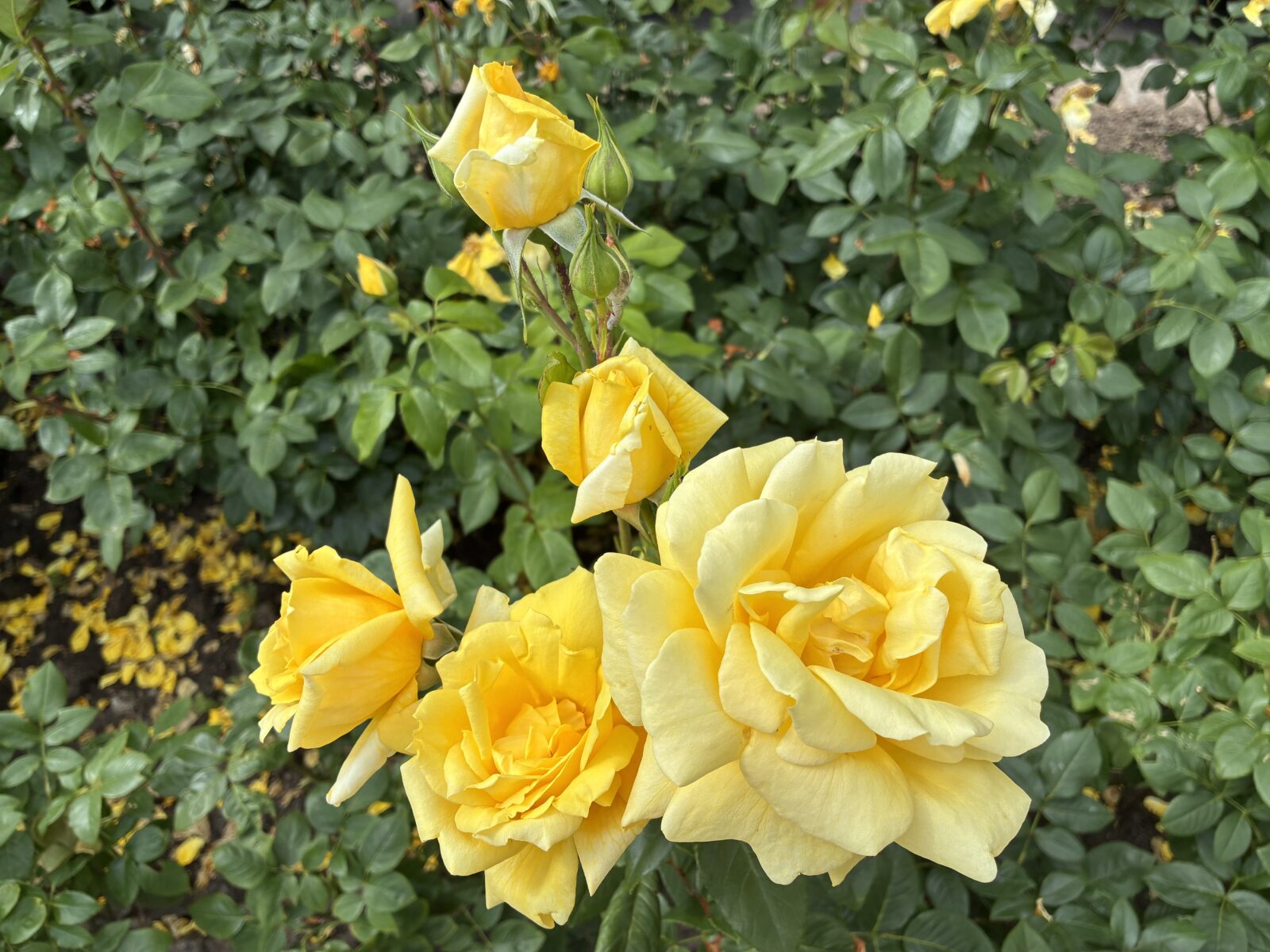
After shortening the shoots, protecting the crown and roots is very important. A proven method is to earth up with soil or mulch, which reduces how deeply the ground freezes. In colder areas, it’s worth adding conifer branches or another breathable cover, or using horticultural fleece to shield the shrub from sharp weather swings.
It’s also practical to remove any leaves still left on the rose. Fungal disease spores often overwinter on them, and by clearing them from the plant and the surrounding area, you reduce infection pressure next season. A deep autumn watering is important too, especially if late summer and autumn were on the dry side. A well-watered rose copes with frost more steadily than a plant going into winter stressed by lack of moisture.
Autumn care as an investment in spring flowering
Roses do need regular attention, but the reward is worth it. If you time autumn pruning for October and choose a mainly shortening, cleaning approach, you’ll help the shrub get through winter without unnecessary losses. By adding earthing up, clearing fallen leaves, any needed frost protection, and watering, you create conditions that help roses start faster in spring, flower more heavily through the season, and thrive for many years to come.
Source: Southern living, Garden Design, BBC Gardeners World, Pestrazahrada.cz

A lover of nature, gardens, and everything that moves, blooms, or grows. He literally grows everything, from herbs to rare species, and he enjoys caring for animals just as much. In his work, he connects modern technology with tried-and-tested grandmotherly methods and is happy when both paths lead to the same goal.
Related articles
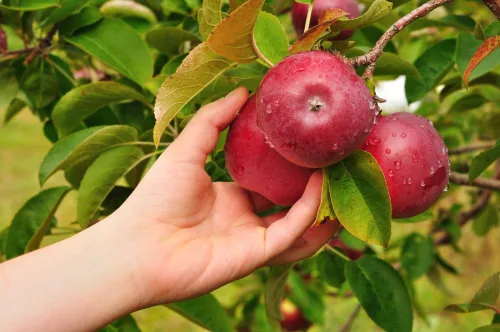
Picking Apples Without Mistakes Helps Keep Your Harvest Fresh and Rot-Free for Longer
How you handle apples at harvest has a huge impact on how long they keep. Gentle picking, careful sorting and the right storage conditions will help prevent rot and unnecessary losses.

A Lawn Without Bare Patches Depends on Two Things People Rarely Mention
Sowing a lawn from seed is affordable and flexible, but success hinges on careful soil preparation, the right seed mix, and patient aftercare. Follow proven timing and sowing techniques to get a dense, even sward without bare patches.

September Pruning Can Be Fatal for Shrubs Leave These Types Alone
Early autumn can tempt you to tidy shrubs with the secateurs, but September pruning can trigger soft new growth, weaken plants for winter, and cost you next spring’s flowers. For many shrubs, waiting until after flowering or until spring is the safer choice.
Comments (0)
Be the first to comment.