
 English
 Polski
 Deutsch
 Nederlands
 Svenska
 Norsk
 Dansk
 Français
 Italiano
 Español
 Português
 Slovenčina
 Suomi
 Gaeilge
October care for butterfly bush encourages abundant flowering, good shape and safe overwintering
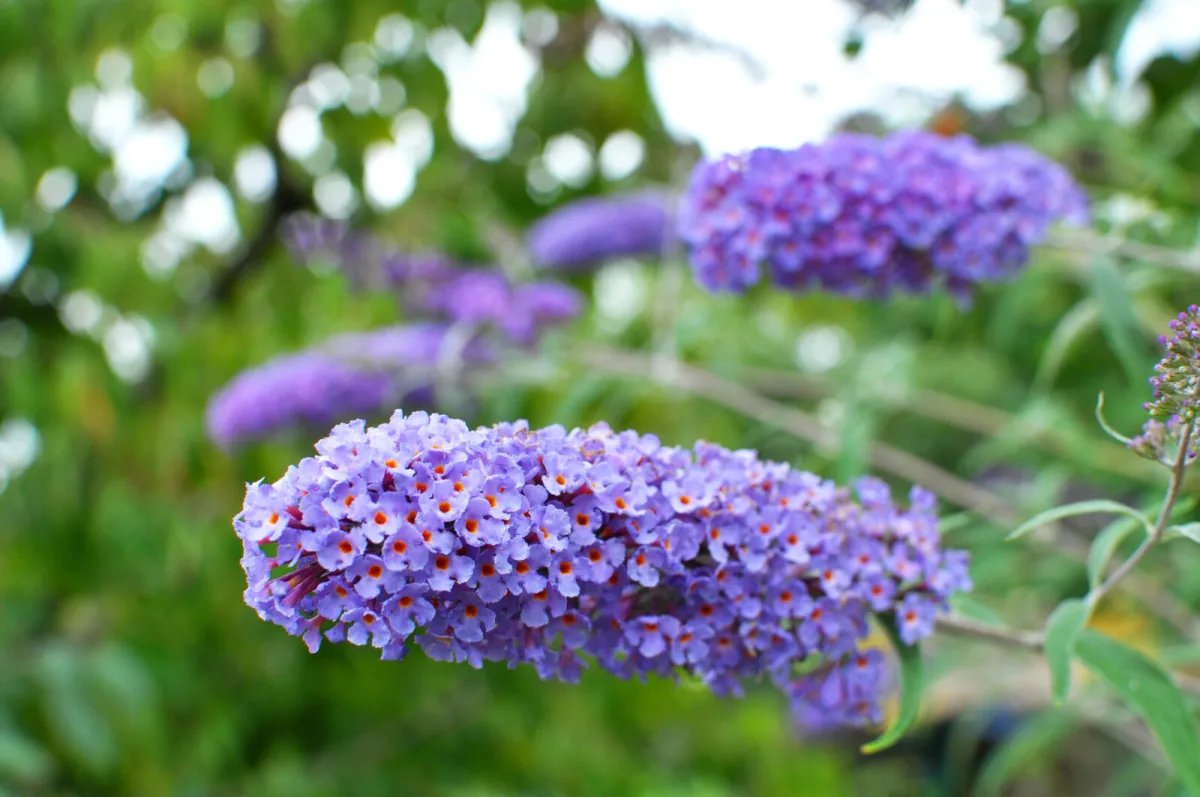
Butterfly bush, also known as Buddleja davidii, is one of those standout garden shrubs that has won popularity thanks to its long flower spikes and its ability to draw in bees, bumblebees and butterflies. It’s most often talked about in spring, when the more important pruning comes around, but October shouldn’t pass without attention either. Autumn tasks help the plant keep a neat shape, curb unwanted spreading around the garden, and improve its prospects going into winter.
Buddleja is valued for its purple, pink and white blooms and for a strong fragrance that attracts pollinators from a wide area. To keep the shrub healthy and blooming freely next season, it’s worth giving it a few simple steps in autumn. It’s not complicated work, more a matter of sensible maintenance at the right time.
When and where to plant butterfly bush
If you’re only planning Buddleja for your garden, the best time to plant is usually spring. The plant has plenty of time to strengthen, establish roots and cope better with its first winter. Autumn planting isn’t ruled out, but you do need to choose strong, container-grown plants in good condition that aren’t stressed or dried out.
The site should be as sunny as possible, because plenty of light supports both growth and flowering. The soil should be well-drained, fertile and on the lighter side, ideally with a good amount of humus. It also tolerates a slightly limey base. Heavy clay is the problem, because roots easily suffer in waterlogged conditions and may rot. If you have no other option, lighten the soil with sand and add a drainage layer of gravel at the bottom of the planting hole.
The planting hole should be roughly twice as wide as the pot the plant came in. After setting the shrub in place, make sure the root collar sits roughly level with the surrounding ground. Planting too deep doesn’t suit Buddleja and can slow establishment.
What to do with Buddleja in October
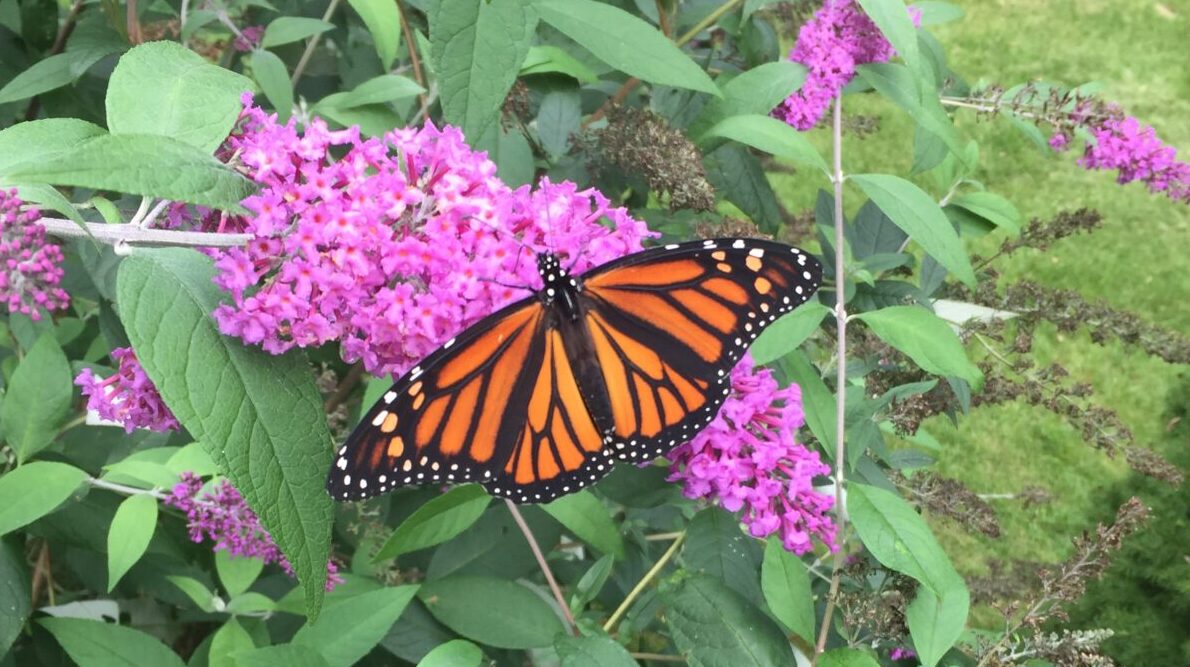
October is a good time for a light autumn tidy-up, not for cutting the entire shrub back hard. It’s better to leave heavy pruning until spring, when the risk of severe frosts has passed. In autumn, the goal is mainly to clean up the plant and prepare it for winter.
Remove dry, weak or damaged shoots that would only drain the shrub over winter. Just as important is cutting off spent flower spikes. This not only improves the look of the plant, but above all prevents seed formation and the resulting self-seeding around the garden. Buddleja can spread quite readily, and without regular control it may pop up where you don’t want it.
It’s also worth checking the area around the shrub. If young seedlings have appeared nearby, or if new shoots are growing in awkward places, remove them in time. That way the planting stays tidy and the butterfly bush won’t gradually take up more space than you originally intended.
How to prepare butterfly bush for winter
Most established Buddlejas cope with a normal winter fairly well. Still, there are situations where protection makes a lot of sense. This applies especially to newly planted shrubs, roughly during the first three years after planting, and also in colder or windy gardens.
The simplest protection is to cover the area around the root collar. A layer of mulch, heaped-up soil, straw or wood chips will do. This cover helps reduce sharp temperature swings and protects the most sensitive part of the plant. The above-ground shoots may sometimes be lightly frost-damaged, but that’s usually not a major issue. In spring, any damaged parts are simply removed during the main prune.
Autumn care for Buddleja isn’t about drastic shaping, but about sensible tidying, limiting self-seeding and protecting the root area for winter.
A container-grown butterfly bush needs more protection
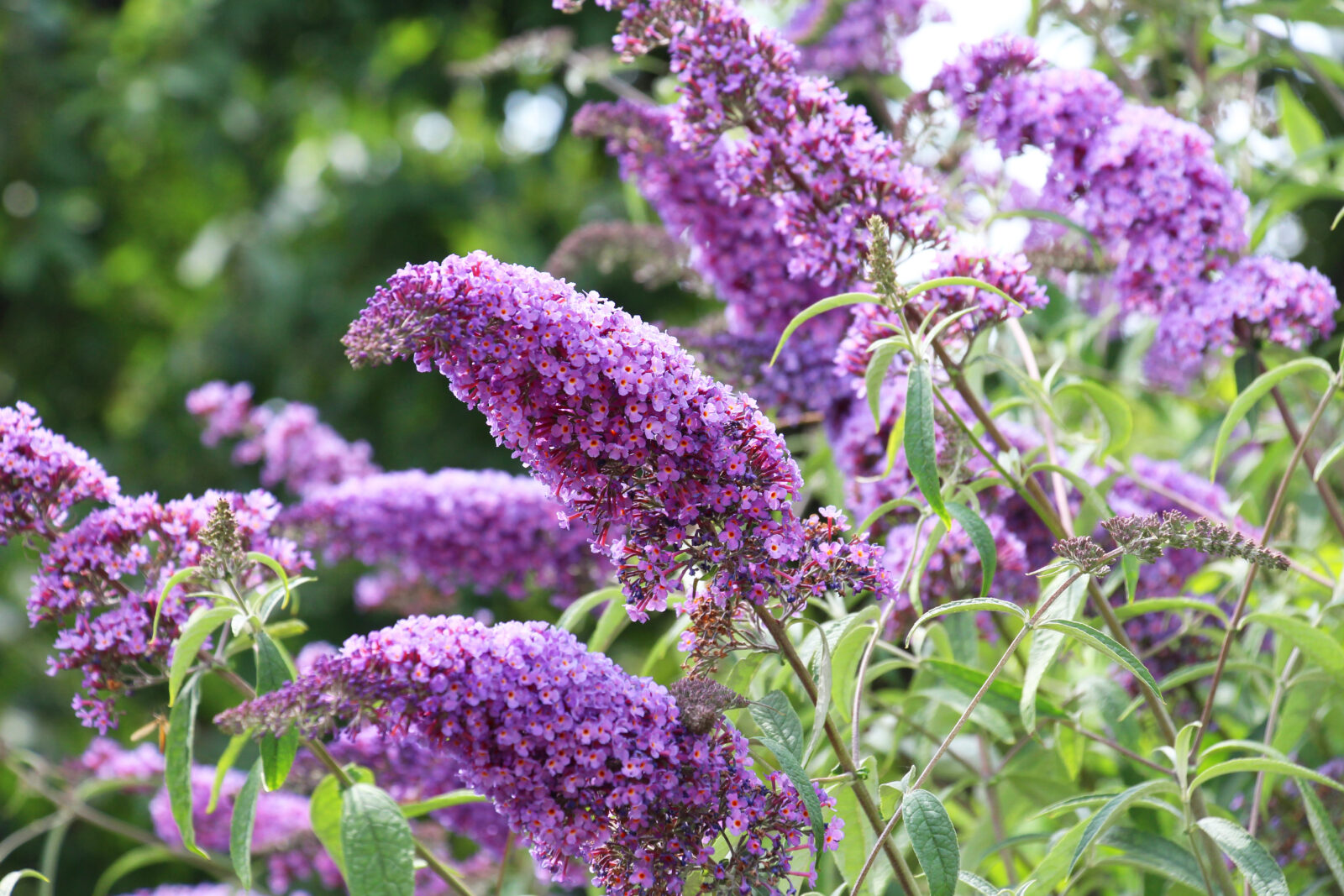
It’s different with Buddleja grown in a pot or other container. Here the roots are far less protected than in open ground, so they freeze much more easily. Wrap the container in hessian or another breathable material and move the plant close to the house wall, ideally in a sheltered spot on the south side. There it will be better protected from wind and hard frost.
Even in a container, any autumn shortening should be only minimal. The main cutback comes in spring. So if you give the shrub a basic clean-up in October, remove spent flower heads and protect the roots, it will reward you next season with stronger growth, a more compact habit and heavier flowering.
Source: Gardening Community, Proven Winners, Butterfly Bushes, Pestrazahrada.cz

A lover of nature, gardens, and everything that moves, blooms, or grows. He literally grows everything, from herbs to rare species, and he enjoys caring for animals just as much. In his work, he connects modern technology with tried-and-tested grandmotherly methods and is happy when both paths lead to the same goal.
Related articles
Ten Minutes in Autumn Decide Your Currant Crop
Currants crop best on younger wood, while old stems drain the plant and shade out productive new growth. A quick autumn prune keeps the bush open, healthy, and reliably fruitful next season.
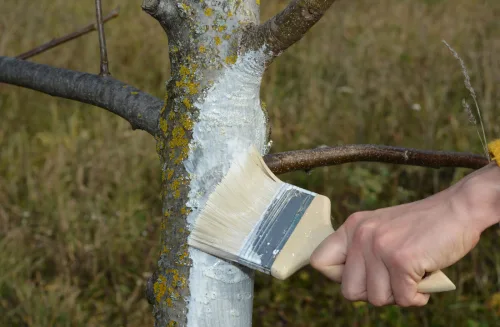
White Painted Trunks in Orchards Protect Trees from a Hidden Winter Threat
Whitewashing tree trunks in winter isn’t decoration. It helps prevent bark cracking caused by sharp day-to-night temperature swings and reduces the risk of disease entering through wounds.
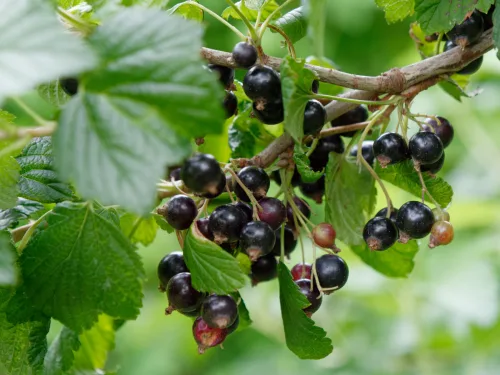
What to do for currant bushes in October so they’re loaded with fruit next year
October is the best time to set currant bushes up for a strong spring and a heavy crop. With the right pruning, protection and autumn feeding, you’ll encourage more flower buds and better winter hardiness.
Comments (0)
Be the first to comment.