
 English
  Polski
  Deutsch
  Nederlands
  Svenska
  Norsk
Norsk  Dansk
Dansk  Français
  Italiano
  Español
  Português
  Slovenčina
  Suomi
Suomi  Gaeilge
 A September Prune Can Cost Hydrangeas All Their Flowers
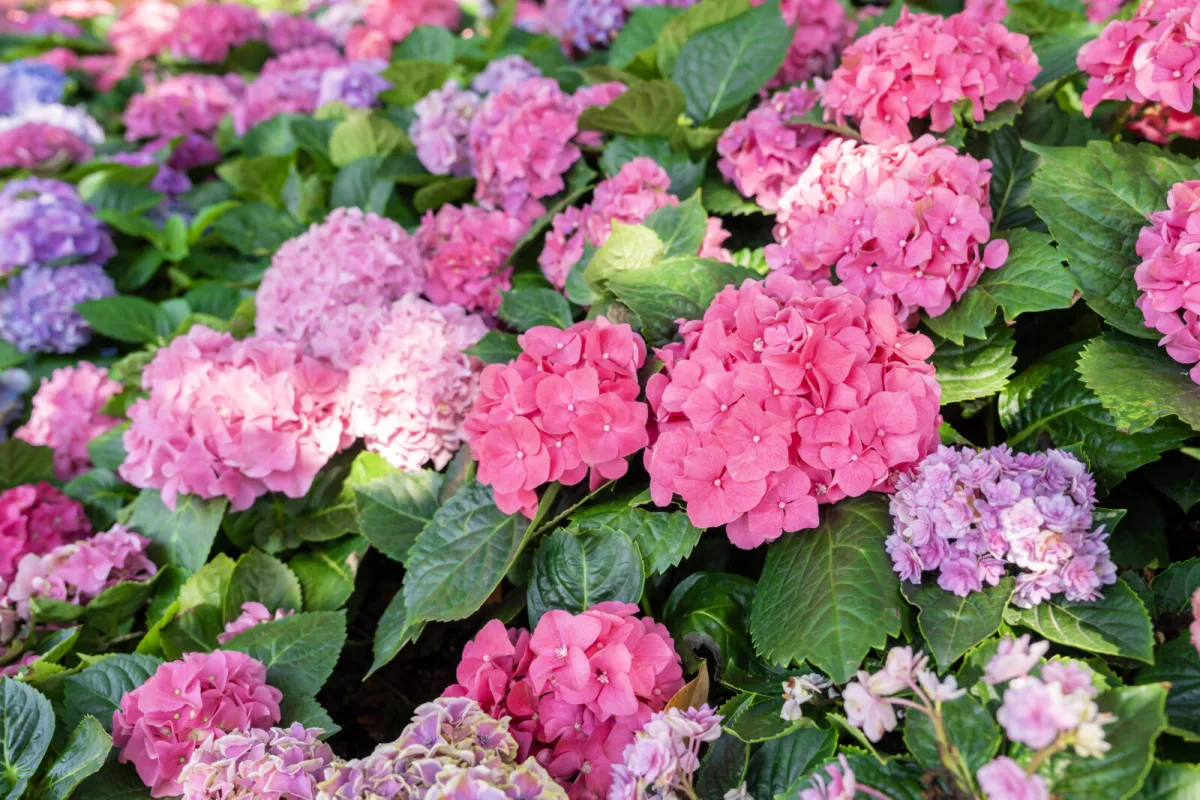
Hydrangeas are among the most striking ornamental shrubs in the garden. Their generous flower heads can transform a romantic corner as well as an open space, which is exactly why they deserve the right autumn care. As September arrives, many people automatically start pruning, shortening stems, and removing old parts of the plant. With hydrangeas, though, this approach isn’t always right—and sometimes it can mean you won’t see a single bloom in spring.
First, you need to identify your hydrangea type
The foundation of success is being able to tell which kind of hydrangea you’re growing. Most commonly, these are bigleaf, serrated-leaf (mountain), panicle, and smooth hydrangeas. Between these groups, the crucial difference is which shoots they form flowers on. That’s what determines the right approach to autumn pruning.
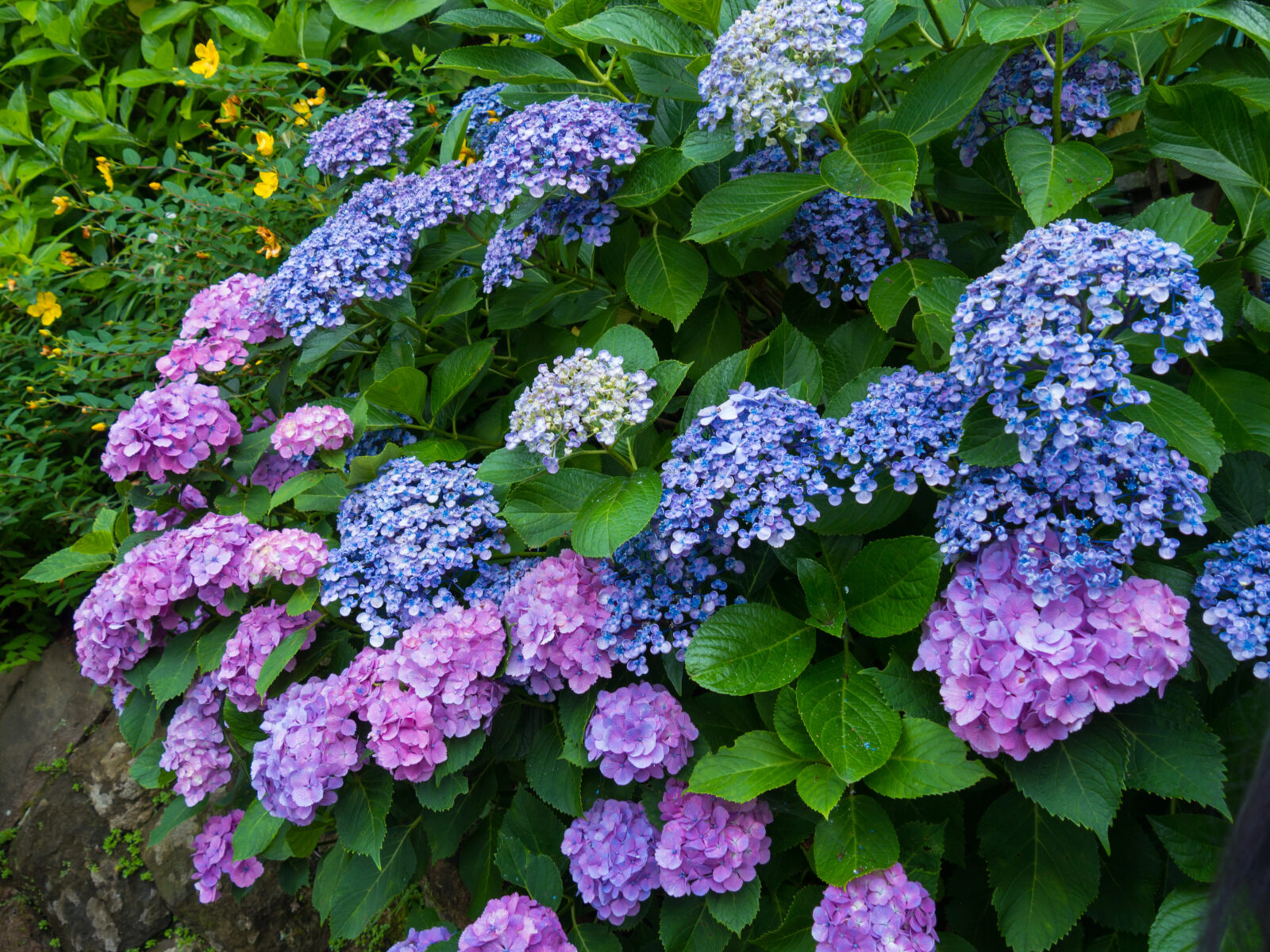
Bigleaf and serrated-leaf hydrangeas set their flower buds on last year’s growth. In other words, everything important for next season is already on the plant. If you remove those shoots in autumn, you’ll also remove the future flower heads. Panicle and smooth hydrangeas, on the other hand, bloom on new growth that won’t emerge until the following year. With them, pruning during the cooler part of the year is much less risky.
Which hydrangeas not to prune in autumn
With bigleaf and serrated-leaf hydrangeas, it’s best to be restrained. The dried flower heads and stems also help the plant as natural protection against winter cold and frost. If you cut these shrubs back too hard, the plant may look neat, but it can be flowerless the following season. With these types in particular, patience pays off more than the urge for perfect autumn tidiness.
Which types you can cut back without worry
Panicle and smooth hydrangeas are far more forgiving in this respect. Because they bloom on new growth, autumn or early-spring pruning won’t harm them. On the contrary, it can help keep the shrub in better condition. The plant doesn’t have to sustain as much top growth through winter, and in spring it can focus on vigorous new growth and abundant flowering. These are exactly the types that are good candidates for more regular shaping.
You can remove spent blooms, but do it carefully
If you still want to do at least a small tidy-up in autumn on hydrangeas that bloom on old wood, you can remove this year’s faded flower heads. The key is to proceed very carefully. Make the cut as close as possible to where the flower head is attached, while making sure you don’t damage the buds hidden just below it. Those buds are what will develop into next year’s flowers.
For some hydrangeas, autumn pruning means fewer flowers; for others, it actually helps encourage stronger growth. The deciding factor is always correct identification of the type.
Don’t fertilize in autumn, and don’t forget moisture
Autumn care doesn’t end with the pruners. Hydrangeas shouldn’t be fertilized at this time of year. Fertilizer could stimulate new shoots that won’t have time to harden off before frost. Those tender young parts are very sensitive to cold and can weaken the plant unnecessarily.
Just as important is not to skimp on watering. If autumn is drier, hydrangeas need enough water to prepare properly for winter. A lack of moisture can weaken the root system and the shrub’s overall resilience.
Mulch helps roots make it through winter
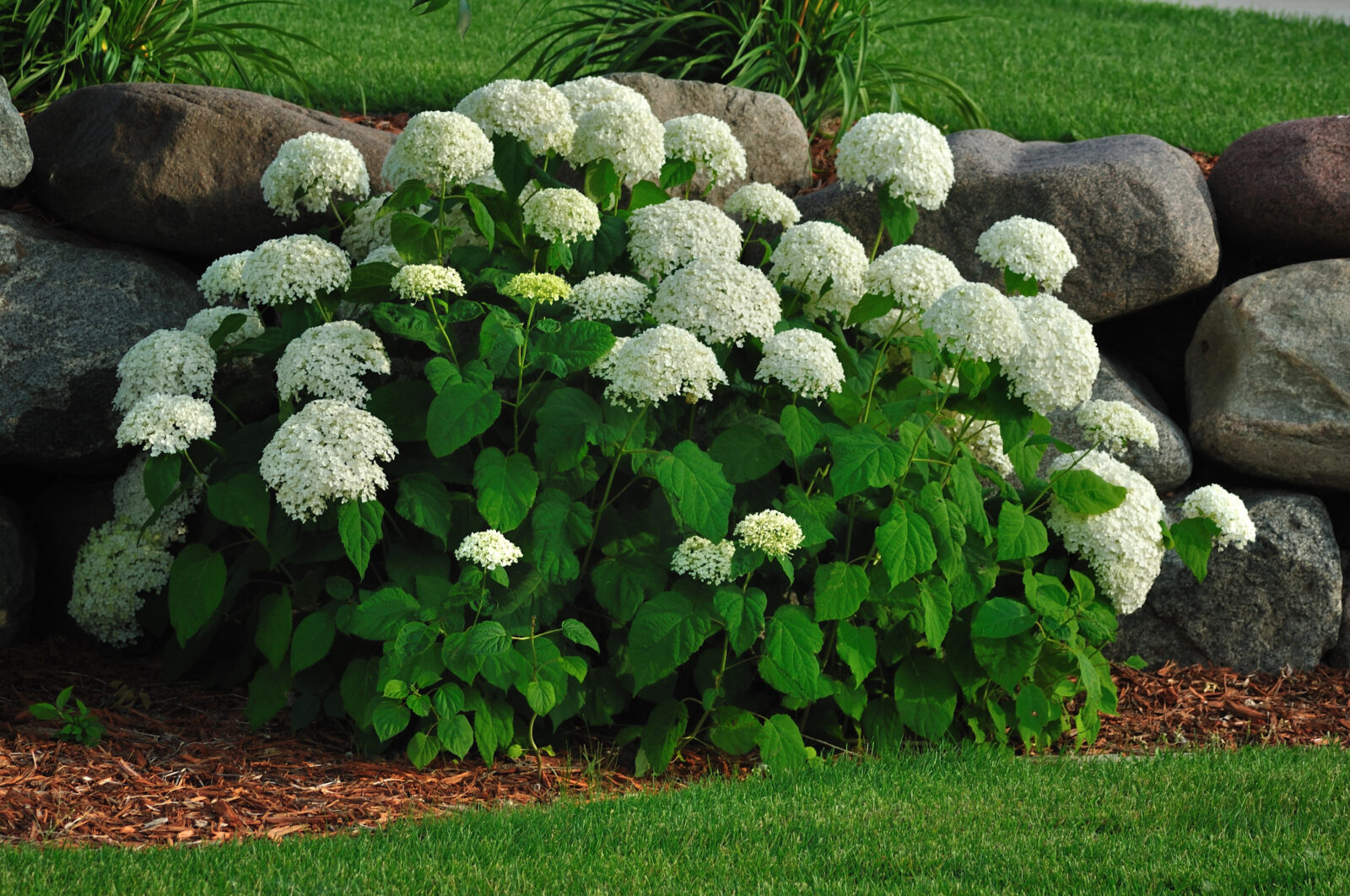
A big help before winter is a layer of mulch around the plant. It protects roots from sharp temperature swings and reduces how deeply hard frost penetrates the soil. Chipped bark, dry leaves, or straw all work well. This protective layer also helps retain soil moisture, which is very beneficial for hydrangeas.
It’s not about complexity, but about the right timing
Hydrangea care may seem complicated at first glance, but in reality the most important thing is understanding the differences between the types and not missing the right moment to act. If you resist unnecessary pruning in September where it would do harm—and, conversely, support the tougher types with appropriate pruning—your reward will be strong shrubs in spring and abundant blooms in season. It’s the timing that determines whether hydrangeas come through winter smoothly and become an eye-catching highlight of the garden once again.
Source: Hyannis Country Garden, Martha Stewart, Pestrazahrada.cz

A lover of nature, gardens, and everything that moves, blooms, or grows. He literally grows everything, from herbs to rare species, and he enjoys caring for animals just as much. In his work, he connects modern technology with tried-and-tested grandmotherly methods and is happy when both paths lead to the same goal.
Related articles
Which Flowers Can Survive Frost Outdoors and Which Must Come Inside
As autumn arrives, some patio and balcony plants can stay outside through chilly nights, while others need bringing in before the first real frost. The key is a plant’s origin, hardiness, and the forecast—not the calendar.
Your Pruners Decide the Fate of Raspberries, Blackberries and Currants
Autumn pruning is the key moment for raspberries, blackberries and currants. Remove old, weak or diseased wood now and you’ll get healthier plants and a bigger crop next season.
Winterise Roses at the Right Time
Your roses’ performance next season depends on timely pruning and proper winter protection. Temperature, hygiene around the bush, and keeping the graft union safely covered are the key details that make the difference.
Comments (0)
Be the first to comment.