
 English
  Polski
  Deutsch
  Nederlands
  Svenska
  Norsk
Norsk  Dansk
Dansk  Français
  Italiano
  Español
  Português
  Slovenčina
  Suomi
Suomi  Gaeilge
 Oilseed Rape Can Be a Soil Ally in Your Vegetable Beds
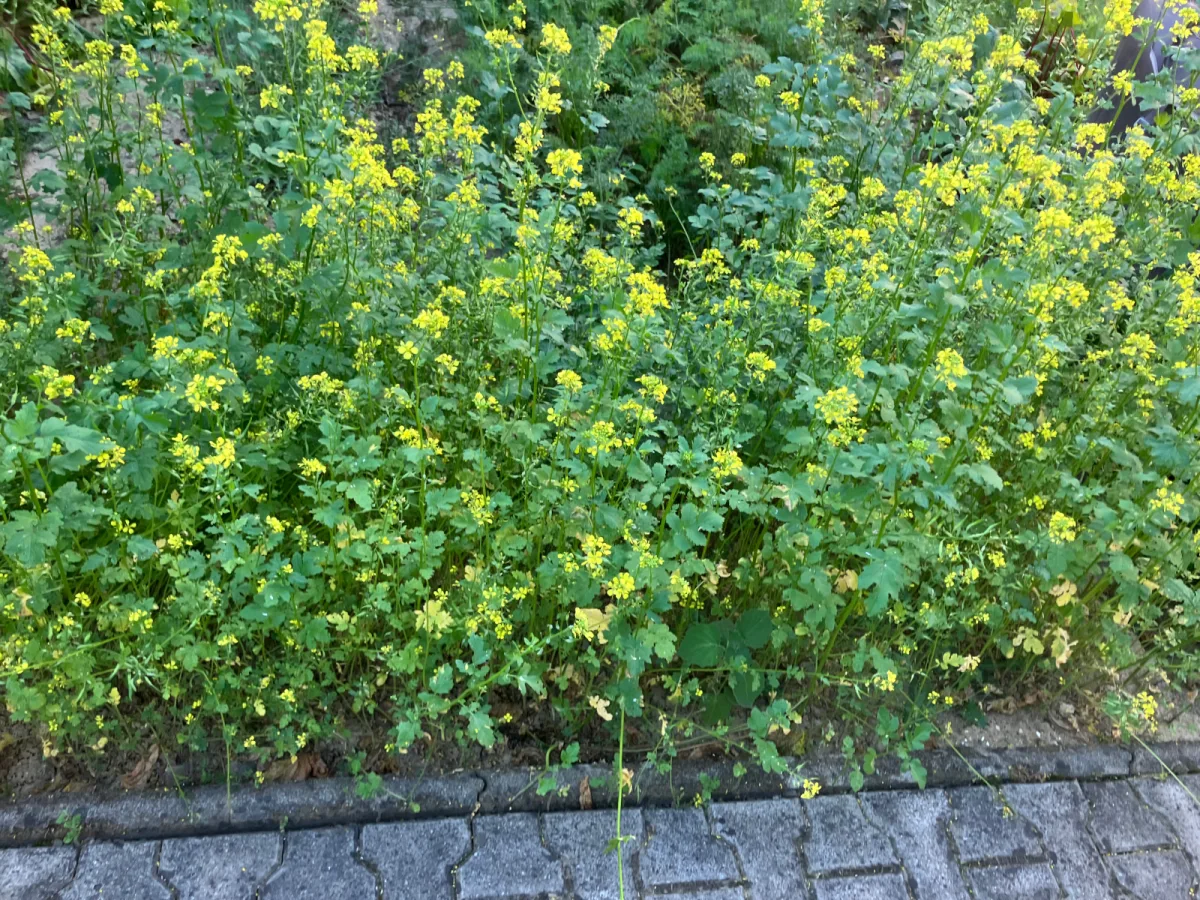
For many people, oilseed rape is a symbol of endless yellow fields and much-debated intensive farming. In the garden, though, it can play a completely different role. Winter oilseed rape is one of the most effective green-manure crops because it quickly produces a large amount of organic matter and develops a strong root system. Both the roots and the above-ground biomass are exactly what garden soil often lacks, especially if you don’t have access to farmyard manure or enough good-quality compost.
The idea behind green manuring is simple: instead of leaving beds bare, you let the soil do its work. Oilseed rape covers the ground, roots through it, “feeds” soil organisms, and once incorporated becomes a natural fertiliser. The result is usually better soil structure, more humus, and soil that holds water and nutrients more effectively.
When oilseed rape brings the biggest benefits to your beds
Oilseed rape is an excellent choice anywhere you want to improve soil ahead of growing root crops. Carrots, beetroot, celeriac, turnips, radishes, horseradish, or scorzonera appreciate a bed that’s open, lively, and not prone to drying out. Oilseed rape can also help “kick-start” soil for crops such as lettuces, chicory, or potatoes, because it leaves behind a substantial amount of readily decomposable material.
It’s also important that oilseed rape closes canopy quickly. This temporarily occupies space that weeds would otherwise move into. A bed left bare after harvest is exposed to sun, wind, and heavy downpours. Green manuring greatly reduces this problem and also limits the leaching of nutrients into deeper soil layers.
Wireworms and other troubles where oilseed rape can help indirectly
In recent years, many gardeners have been complaining about wireworms, the larvae of click beetles, which damage roots and tubers. When wireworms build up, they can ruin potatoes and root vegetables. Experience suggests that brassica cover crops, which include oilseed rape, can have an unfavourable effect on wireworms and help reduce pest pressure.
Practical help in the garden often lies in combining approaches: green manures such as oilseed rape to improve soil and reduce pests, along with simple checks and wireworm traps in the most vulnerable beds.
So oilseed rape isn’t a “miracle cure”, but a smart part of the system. Healthier soil, more life in the ground, and less stress for plants often also means lower susceptibility to damage.
What to watch out for with crop rotation
Oilseed rape belongs to the brassica (cabbage) family, and that’s key information for planning. It’s not suitable to sow it before or after crops from the same family, such as cabbage, kale, kohlrabi, broccoli, cauliflower, as well as rocket (arugula), radishes, or cress. If brassicas are repeated too often in the same spot, it can put one-sided pressure on the soil and also encourage a build-up of diseases and pests typical of this plant group.
If you grow a lot of brassicas, it’s sensible to alternate oilseed rape with other green-manure crops. In practice that means one time oilseed rape or mustard, next time, for example, phacelia, oats, peas, lupins, or calendula. This kind of rotation helps keep the soil more balanced and fertile in the long run.
Sowing and timing so green manuring really works
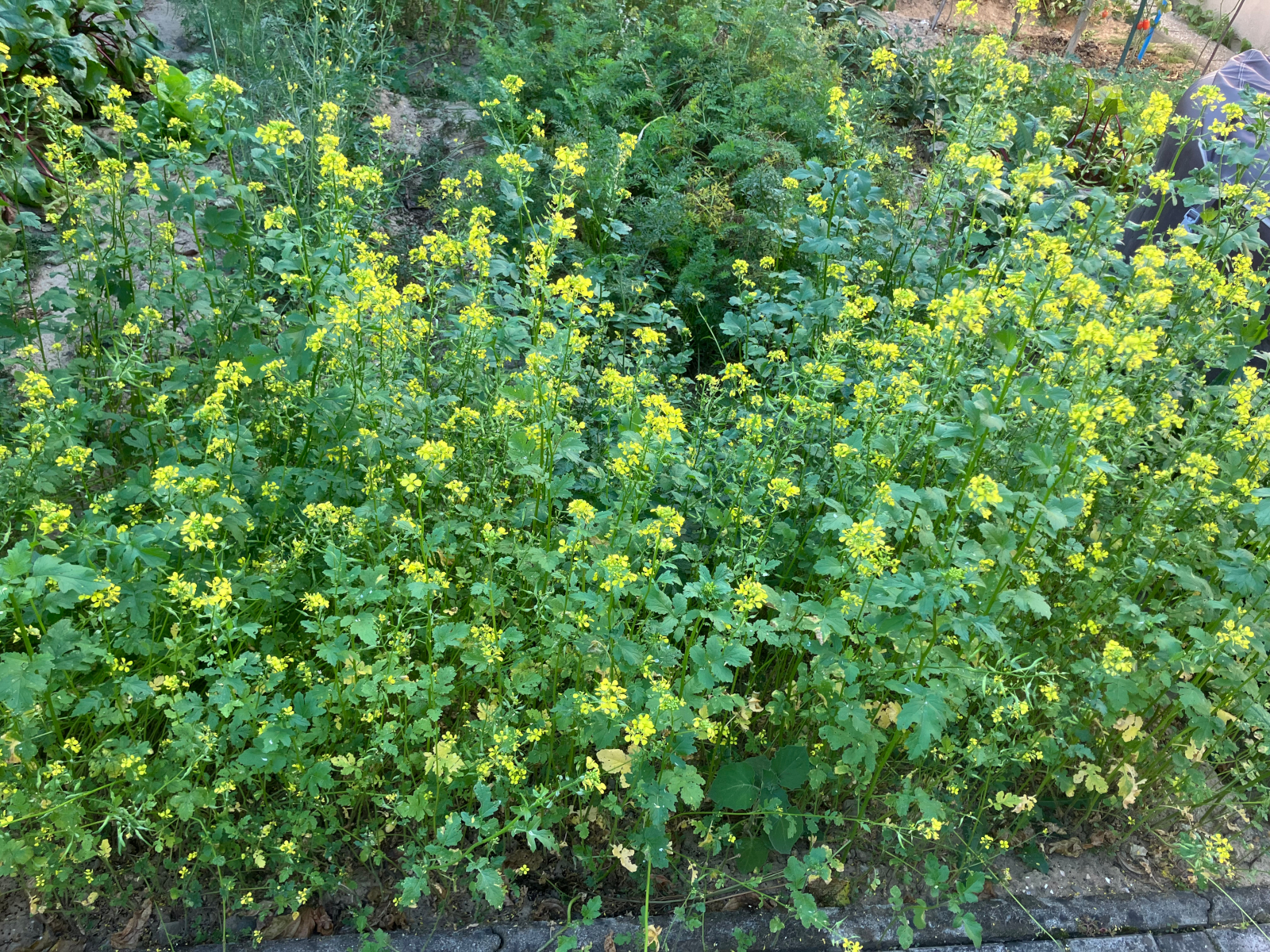
Oilseed rape is forgiving in that it suits many soil types and will tolerate later sowing dates. If you want to incorporate the green material in autumn, sowing by the end of August, or in early September, is usually ideal. Plants typically cope with the first light frosts, and if you don’t manage to dig the crop in before winter, it’s not a disaster. On the contrary, the soil remains protected over winter and you can incorporate the stand in early spring as soon as conditions allow.
Oilseed rape also acts as a living mulch. The bed isn’t bare, it dries out less, and it resists erosion better. This is especially valuable where soil is light and sandy, or conversely prone to capping and compaction.
When to cut the crop and how to incorporate it properly
With green manures, the timing of when you terminate the crop matters. The most valuable stage is often around flowering, when there’s plenty of biomass with a good balance of material. At the same time, it’s important to make sure it doesn’t set seed. If oilseed rape goes to seed, it can behave like an unwanted “weed” the following season where you want vegetables.
It’s best to incorporate the cut material into the soil as soon as possible. Digging in, shallow incorporation, or incorporating after chopping speeds decomposition and improves nutrient use. If you shorten the material first, for example with a mower, soil organisms can access it sooner and the humus-building process runs more smoothly.
Why oilseed rape also makes sense from a nature-friendly viewpoint
In the garden, oilseed rape doesn’t mean a monoculture across hundreds of hectares, but short-term, targeted care for your soil. When it flowers, it also provides food for pollinators. It attracts bees, bumblebees, and butterflies, which can improve pollination of other plants nearby. And because it roots well, it helps loosen and “re-energise” soil even where it has been tired or compacted for years.
So if you want your beds to be more than just a place for a one-off harvest, and instead a long-term fertile, stable environment, oilseed rape as a green manure is a very practical choice. Instead of being an eyesore from the fields, in your garden it can be exactly what it should be: a simple natural fertiliser and soil protection in one.
Source: Zemědělec, Mendelova Univerzita, Gardening Know How, Pestrazahrada.cz

A lover of nature, gardens, and everything that moves, blooms, or grows. He literally grows everything, from herbs to rare species, and he enjoys caring for animals just as much. In his work, he connects modern technology with tried-and-tested grandmotherly methods and is happy when both paths lead to the same goal.
Related articles
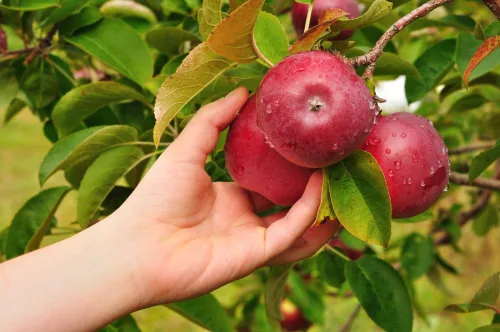
Picking Apples Without Mistakes Helps Keep Your Harvest Fresh and Rot-Free for Longer
How you handle apples at harvest has a huge impact on how long they keep. Gentle picking, careful sorting and the right storage conditions will help prevent rot and unnecessary losses.
A Lawn Without Bare Patches Depends on Two Things People Rarely Mention
Sowing a lawn from seed is affordable and flexible, but success hinges on careful soil preparation, the right seed mix, and patient aftercare. Follow proven timing and sowing techniques to get a dense, even sward without bare patches.
September Pruning Can Be Fatal for Shrubs Leave These Types Alone
Early autumn can tempt you to tidy shrubs with the secateurs, but September pruning can trigger soft new growth, weaken plants for winter, and cost you next spring’s flowers. For many shrubs, waiting until after flowering or until spring is the safer choice.
Comments (0)
Be the first to comment.