
 English
 Polski
 Deutsch
 Nederlands
 Svenska
 Norsk
 Dansk
 Français
 Italiano
 Español
 Português
 Slovenčina
 Suomi
 Gaeilge
Don’t Throw Away Pepper Plants After Harvest They Can Crop Again Next Year
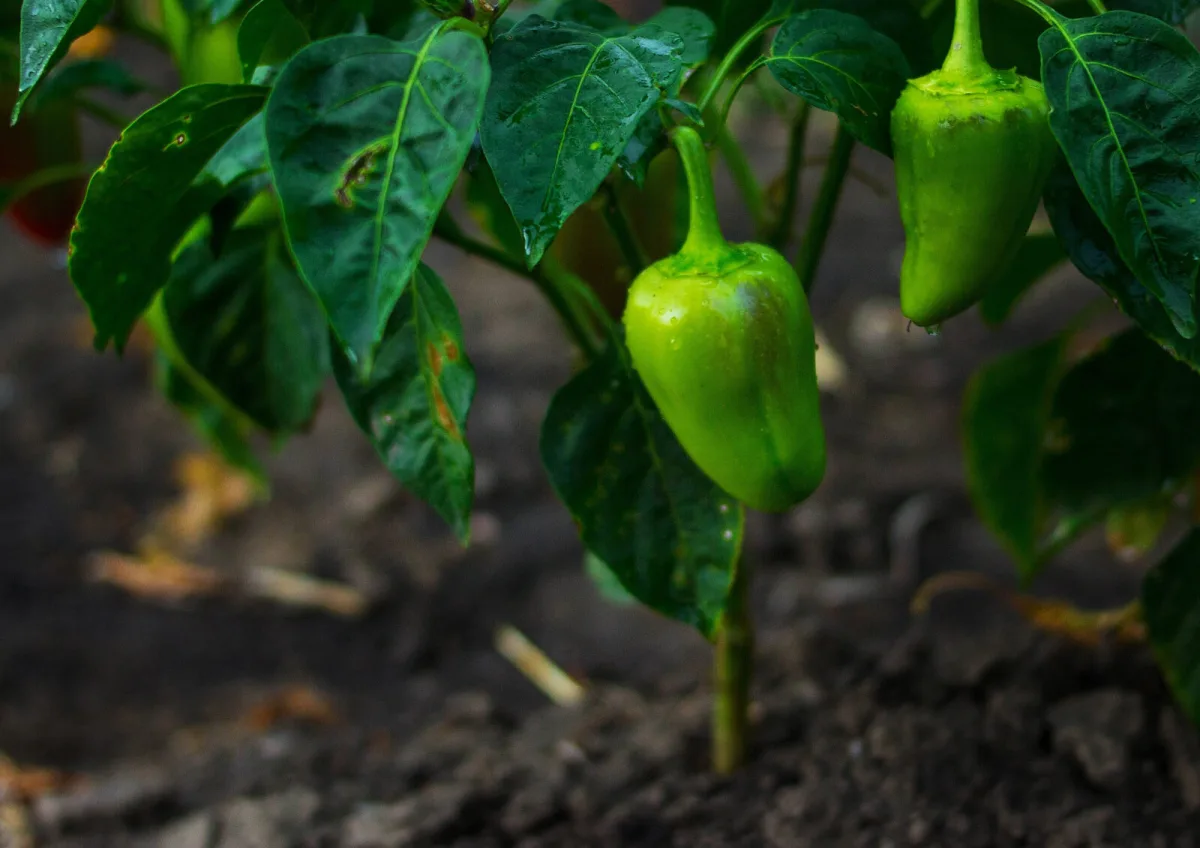
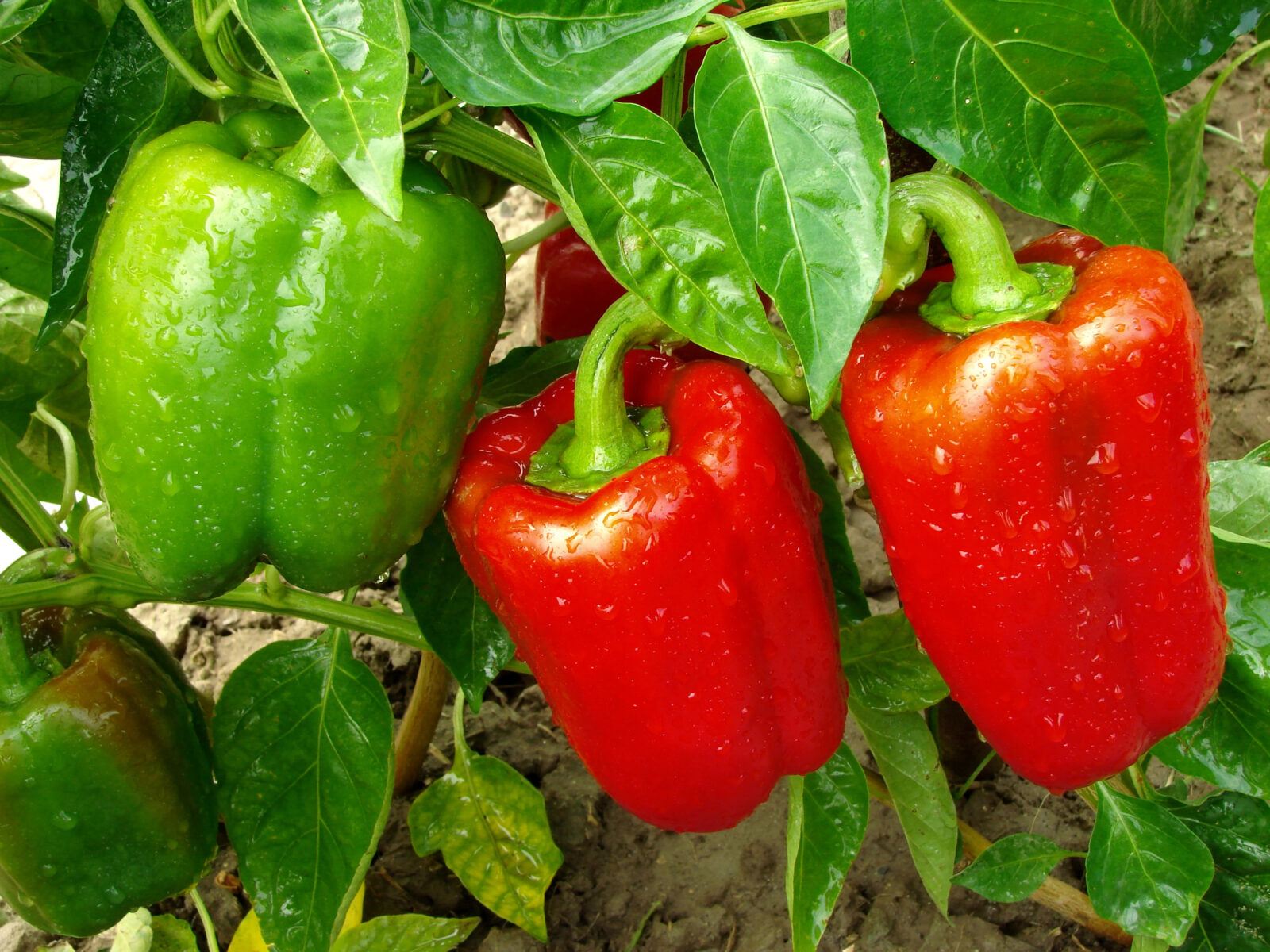
Many growers treat peppers as a typical summer vegetable that has to be re-sown or bought as young plants every spring. In reality, they aren’t strictly a one-season plant. If you give them the right care after harvesting, they can make it through winter and start growing again in spring. You’ll save time and money, and you’ll also get a head start on the new season.
Why it’s worth overwintering peppers
Overwintering peppers comes with several practical benefits. Plants with an established root system are often stronger in spring than newly raised seedlings. They also tend to flower sooner and set fruit earlier. That means harvests can start quicker and are often more generous. You also avoid the hassle of starting from seed, which takes time, space and patience.
What to do when the season ends
In autumn, carefully lift the chosen plants from the bed and pot them up. Then move them indoors to a bright spot, ideally near a window where they get plenty of daylight. It’s important they stay reasonably warm and aren’t exposed to frost or cold draughts.
If you don’t have room at home for full-sized plants, you can cut them back. The roots can be shortened by about a third, and the top growth can be reduced in a similar way. Trim the branches so that a few nodes remain on the main stem. This keeps peppers more compact and easier to fit into a smaller space without compromising their ability to grow on.
The right conditions over winter
After potting into fresh, nutrient-rich compost, gently firm the soil around the roots. Over winter, peppers do best at roughly 13 to 18 °C. During this period the plant slows down and goes into a resting phase, which helps it get through the colder months without needless stress.
Watering needs to be reduced significantly. Peppers don’t need as much water in winter as they do in summer, so only water when the compost is almost dry. In many cases, watering once every two to three weeks is enough. Overwatering is risky because it can lead to root rot. There’s also no need to feed through the winter months if the plants were potted into a good-quality fresh compost.
What to watch out for
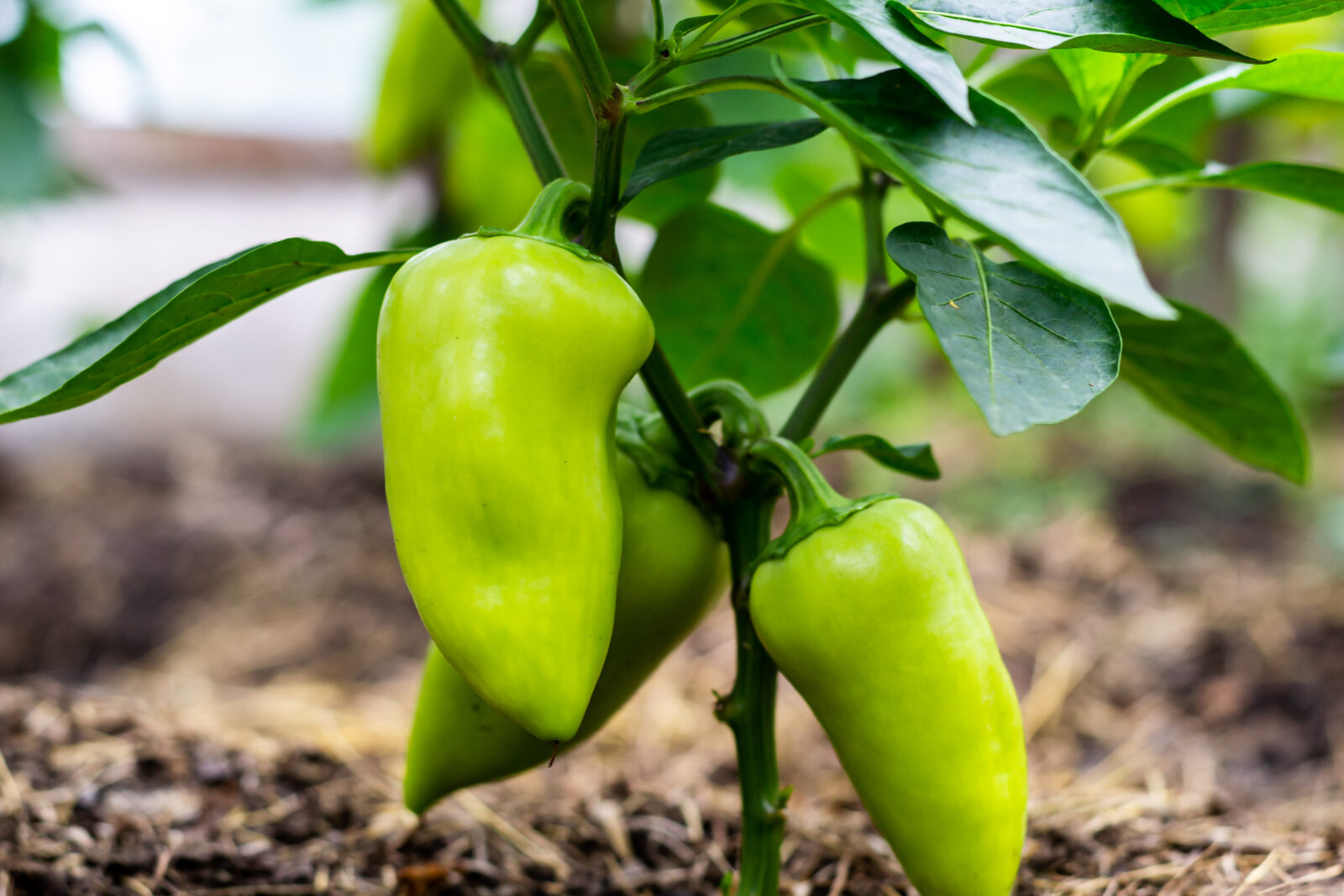
Even though peppers need light, they shouldn’t be placed right next to a window you frequently open for ventilation. A sudden blast of cold air can damage them or even kill them. The best option is a bright, sheltered spot where they’ll get enough sun but enjoy more stable conditions.
An overwintered pepper plant can give you a faster start in spring, earlier flowering and a noticeably higher yield than a newly raised seedling.
Moving them back into the garden
Once the risk of the last frosts has passed, you can plant them back outside in the ground or move them into larger containers. Because they’ve already had one season and have a strong foundation, they’ll put on growth faster as soon as temperatures rise. These pepper plants are typically vigorous, flower well and can produce a heavy crop of large fruits.
This method works for many different pepper varieties and is well worth trying if you want to get the most from your plants. Instead of buying new plants every year, you can make use of what you’ve already grown. All it takes is a few simple steps in autumn, a little space in a flat or house and sensible winter care. The reward is strong plants ready for the new season, without unnecessary extra costs.
Source: To je nápad, GrowVeg, Pestrazahrada.cz

A lover of nature, gardens, and everything that moves, blooms, or grows. He literally grows everything, from herbs to rare species, and he enjoys caring for animals just as much. In his work, he connects modern technology with tried-and-tested grandmotherly methods and is happy when both paths lead to the same goal.
Related articles
Ten Minutes in Autumn Decide Your Currant Crop
Currants crop best on younger wood, while old stems drain the plant and shade out productive new growth. A quick autumn prune keeps the bush open, healthy, and reliably fruitful next season.
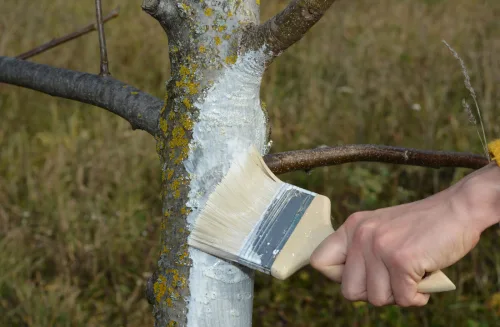
White Painted Trunks in Orchards Protect Trees from a Hidden Winter Threat
Whitewashing tree trunks in winter isn’t decoration. It helps prevent bark cracking caused by sharp day-to-night temperature swings and reduces the risk of disease entering through wounds.
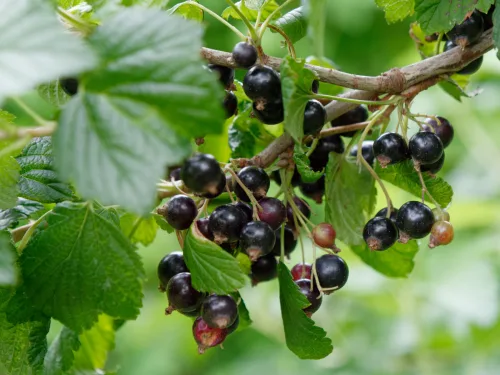
What to do for currant bushes in October so they’re loaded with fruit next year
October is the best time to set currant bushes up for a strong spring and a heavy crop. With the right pruning, protection and autumn feeding, you’ll encourage more flower buds and better winter hardiness.
Comments (0)
Be the first to comment.