
 English
 Polski
 Deutsch
 Nederlands
 Svenska
 Norsk
 Dansk
 Français
 Italiano
 Español
 Português
 Slovenčina
 Suomi
 Gaeilge
Five Shrubs Autumn Pruning Will Ruin Even After Flowering
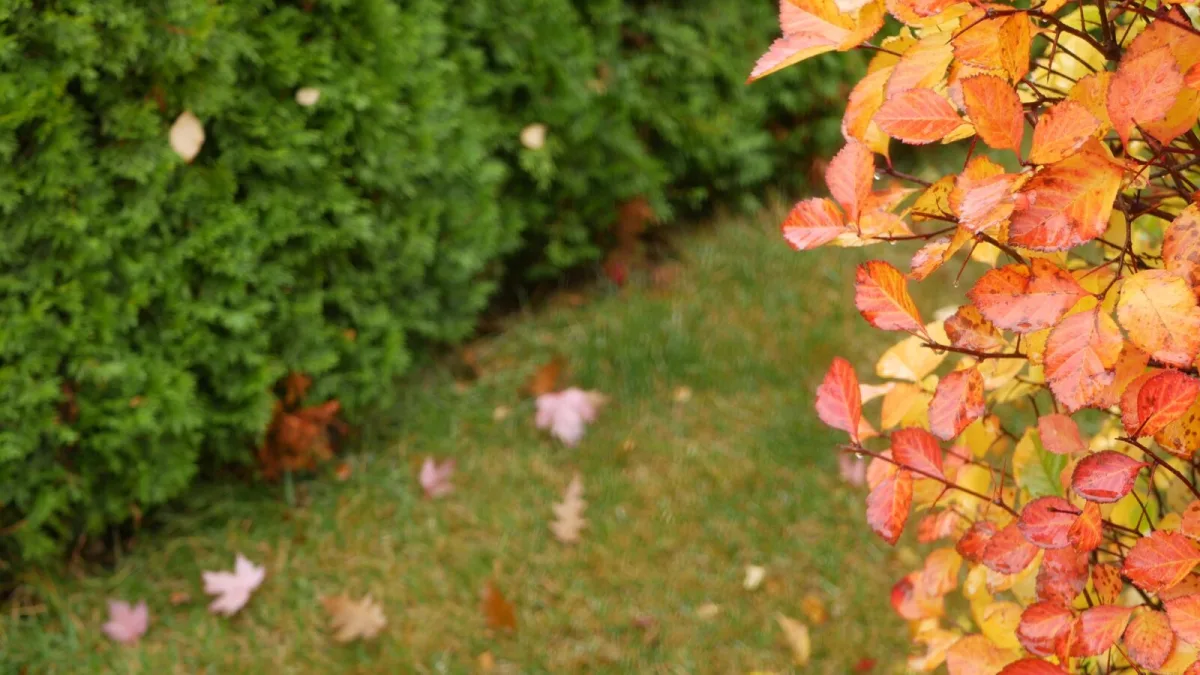
Autumn is often the season for a major garden clean-up. As soon as the weather cools and the season starts to wind down, many people grab the secateurs and want shrubs and borders to look neat before winter. But this is exactly when a mistake is often made—one that won’t show itself until several months later. Some plants form their flower buds during summer and carry them on the stems through autumn, ready for next year.
If you cut such a shrub back hard in autumn, you’re removing next season’s flowers with your own hands. Instead of a generous spring or early-summer display, you’ll get plenty of green growth but none of the expected blooms. What’s more, fresh pruning cuts heal more slowly ahead of winter, leaving the plant more vulnerable to frost, damp and potential dieback or rot.
Why autumn pruning harms some woody plants
The key difference is what kind of wood the plant flowers on. Many ornamental shrubs set bloom on last year’s growth—so-called old wood. Buds are formed in late summer or early autumn and simply wait through winter for suitable conditions. Once you剪 those stems, you remove most of the flower potential.
Autumn pruning can also disrupt a plant’s natural protection. A denser crown, or even some dry growth, often helps create a slightly kinder microclimate and shields the shrub during hard, snowless frosts. For more sensitive species, it’s therefore better to wait until spring, or prune immediately after flowering.
Which shrubs are best left alone in autumn
Lilac
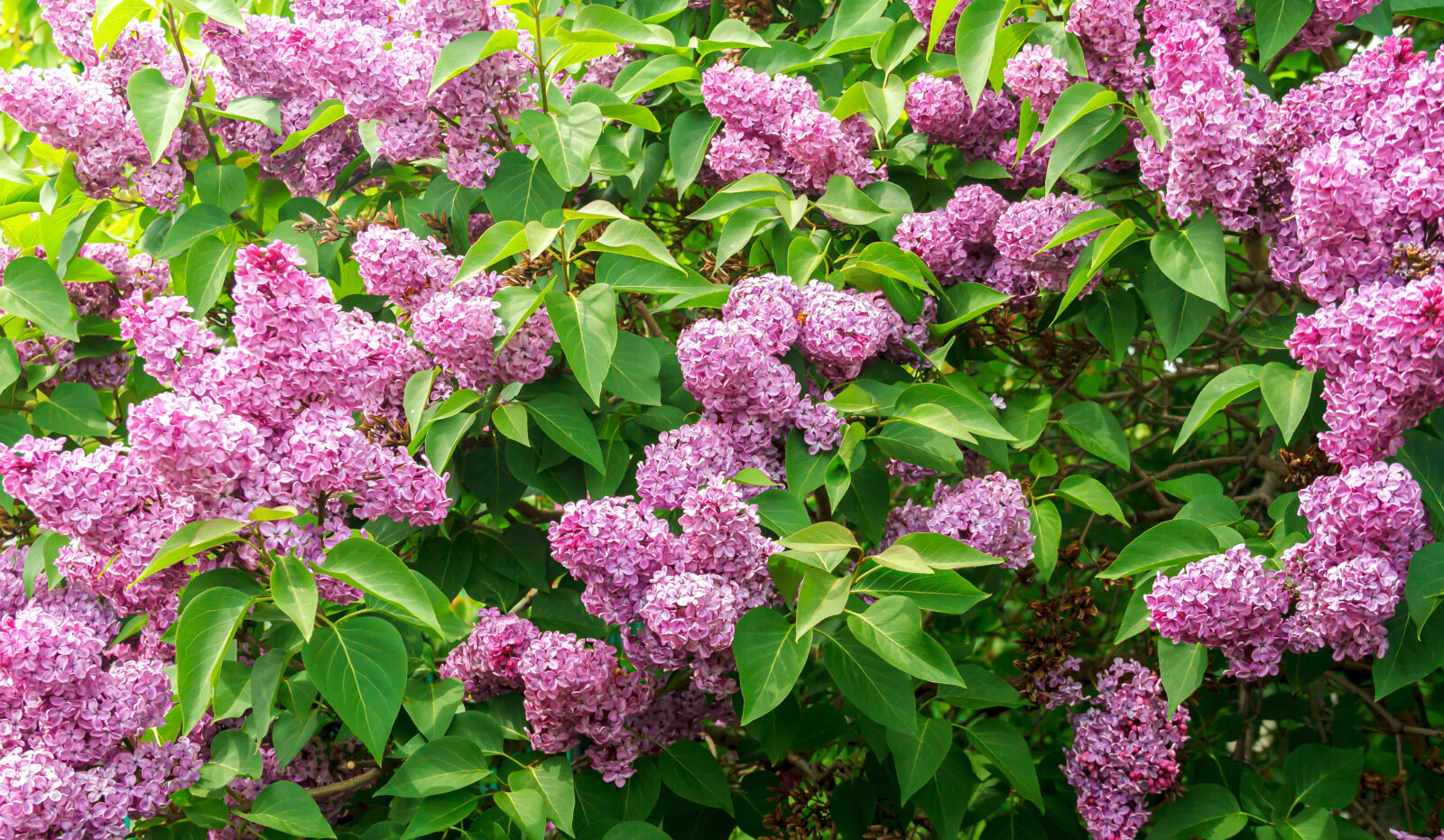
Lilac is a classic herald of spring, but it prepares its flowers well in advance. Buds for the next season appear as early as late summer, most often at the tips of the shoots. If you shorten the shrub in autumn, it will leaf out in spring—but without the fragrant panicles. The best time to tidy it is straight after flowering, when spent flower heads are removed and the shape can be lightly refined if needed.
Bigleaf hydrangea
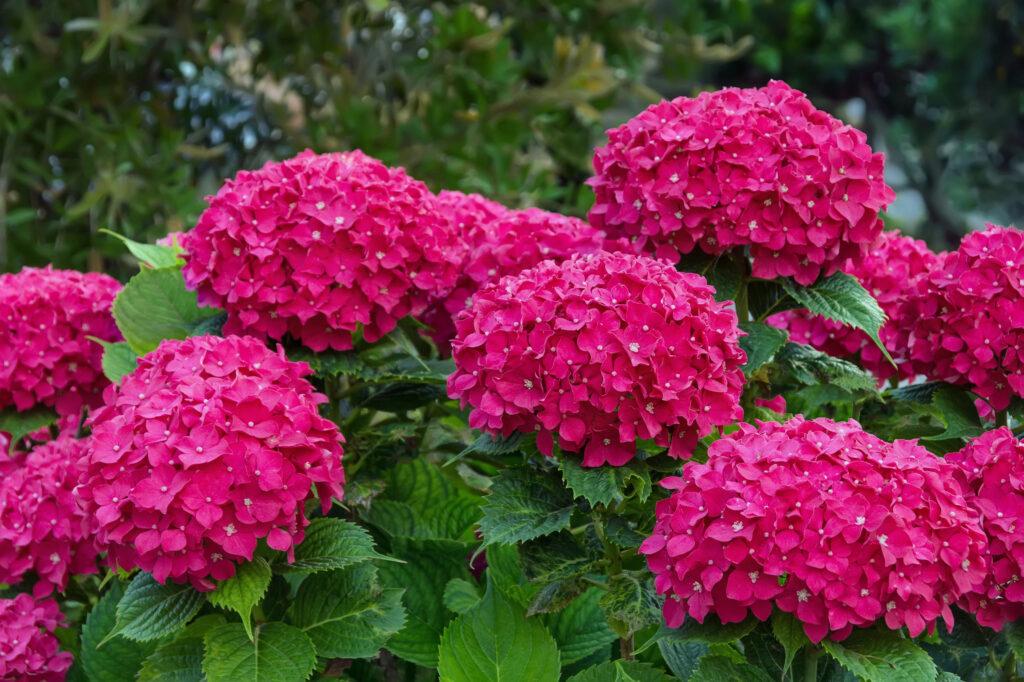
This is one of the shrubs most often pruned incorrectly. Many gardeners confuse the different types of hydrangea. While some can take a harder cut, bigleaf hydrangea flowers on last year’s stems. A strong autumn prune therefore almost guarantees a loss of flowers next year. In spring, it’s mainly the dried flower heads and any damaged parts that are removed, and only carefully—cutting just above a live bud.
Forsythia
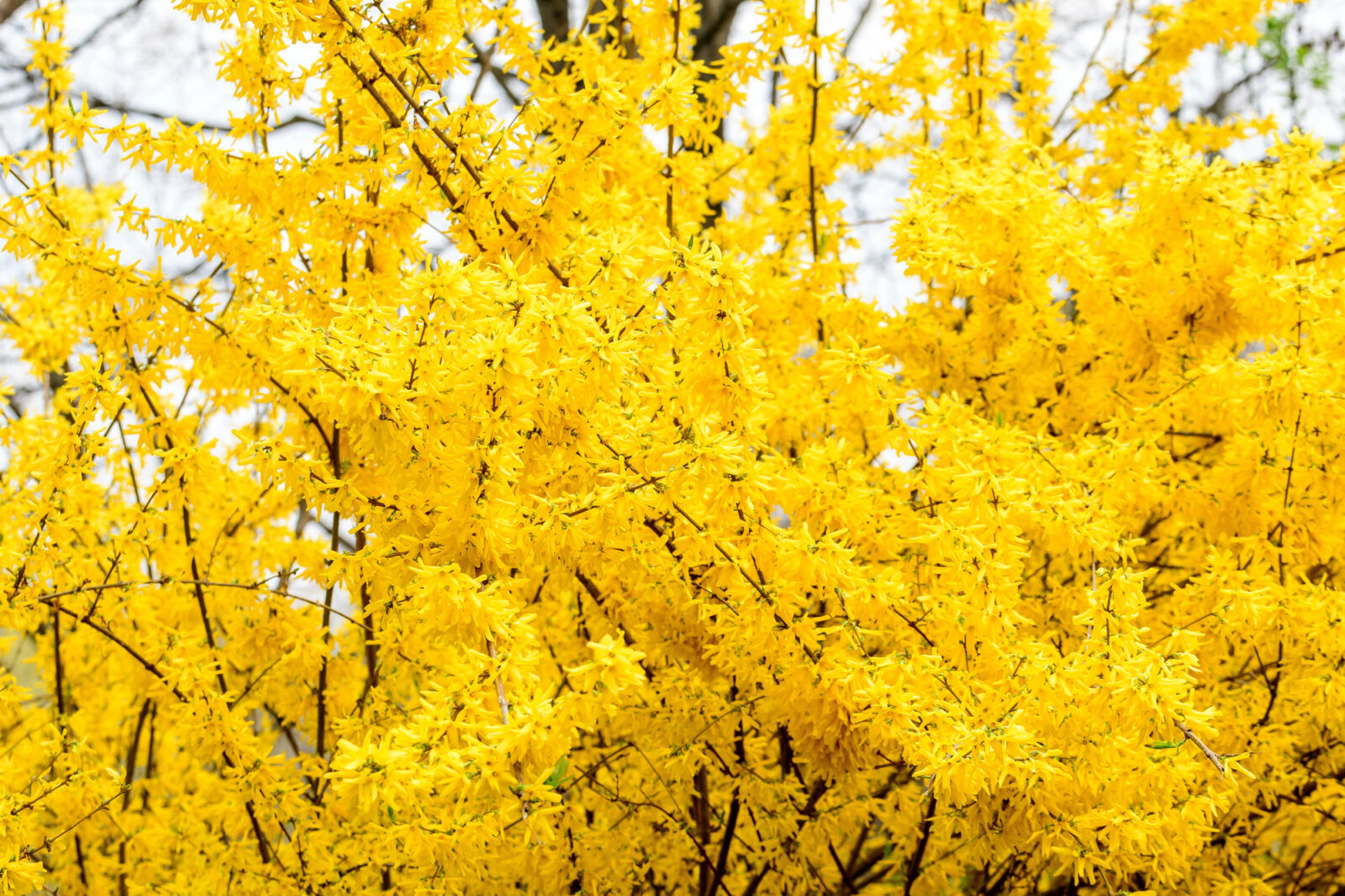
Forsythia lights up gardens with a flood of yellow flowers very early in spring. That’s exactly why it sets its buds during the previous summer. Anyone who cuts it back hard in autumn will lose much of that spring impact. Shaping and thinning are therefore done after flowering, when it’s clear which stems have bloomed and which should be kept for the following season.
Rhododendron and azalea
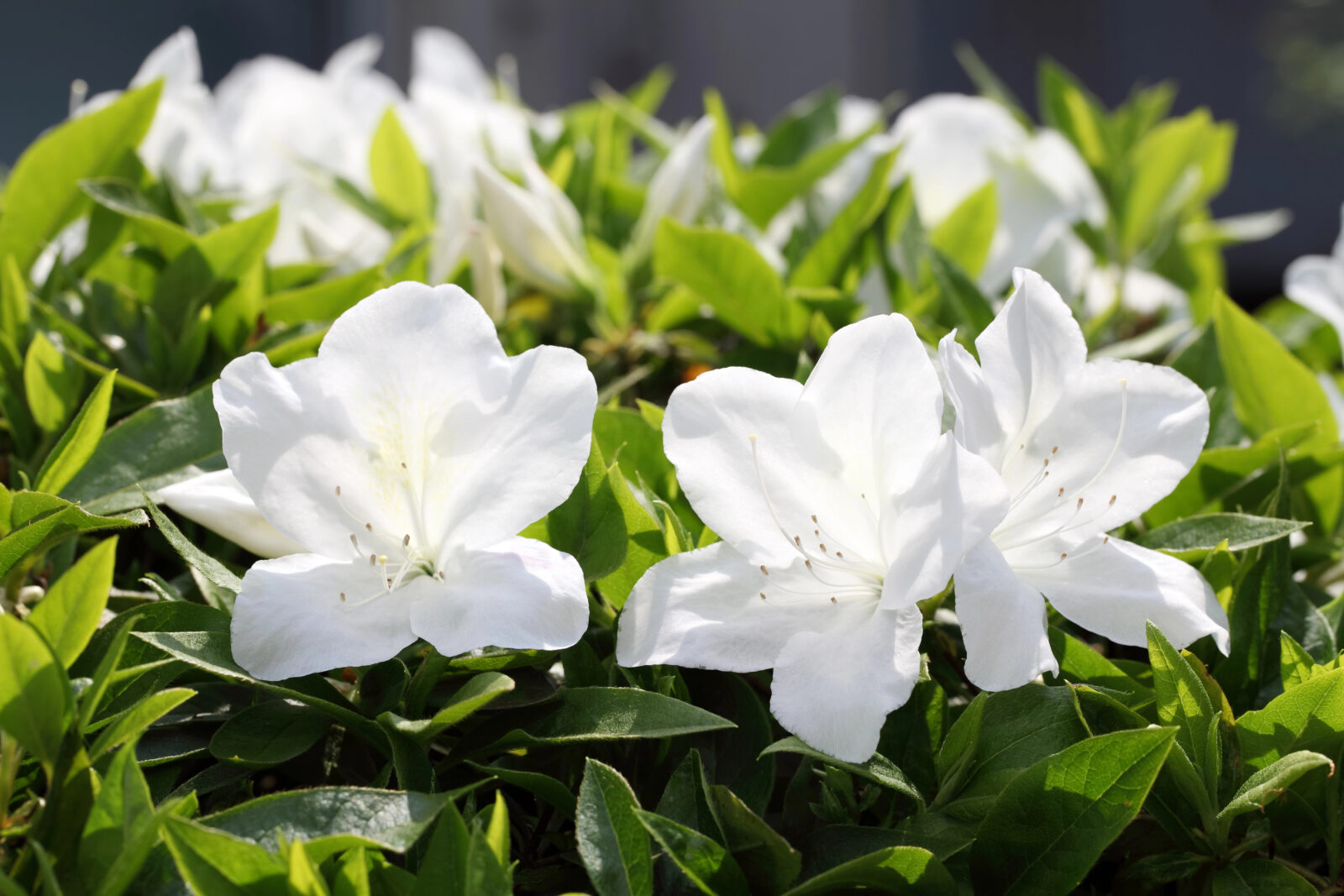
Rhododendrons and azaleas have flower buds that are easy to spot from late summer onwards. They sit at the ends of the branches and are thicker and noticeably swollen, making them easy to remove with careless pruning. Autumn intervention is especially unsuitable for these shrubs because they recover from old wood more slowly and less reliably. If a light tidy is needed, do it sparingly in spring. In most cases, they benefit more from being left alone than from frequent cutting.
Buddleja depending on the species
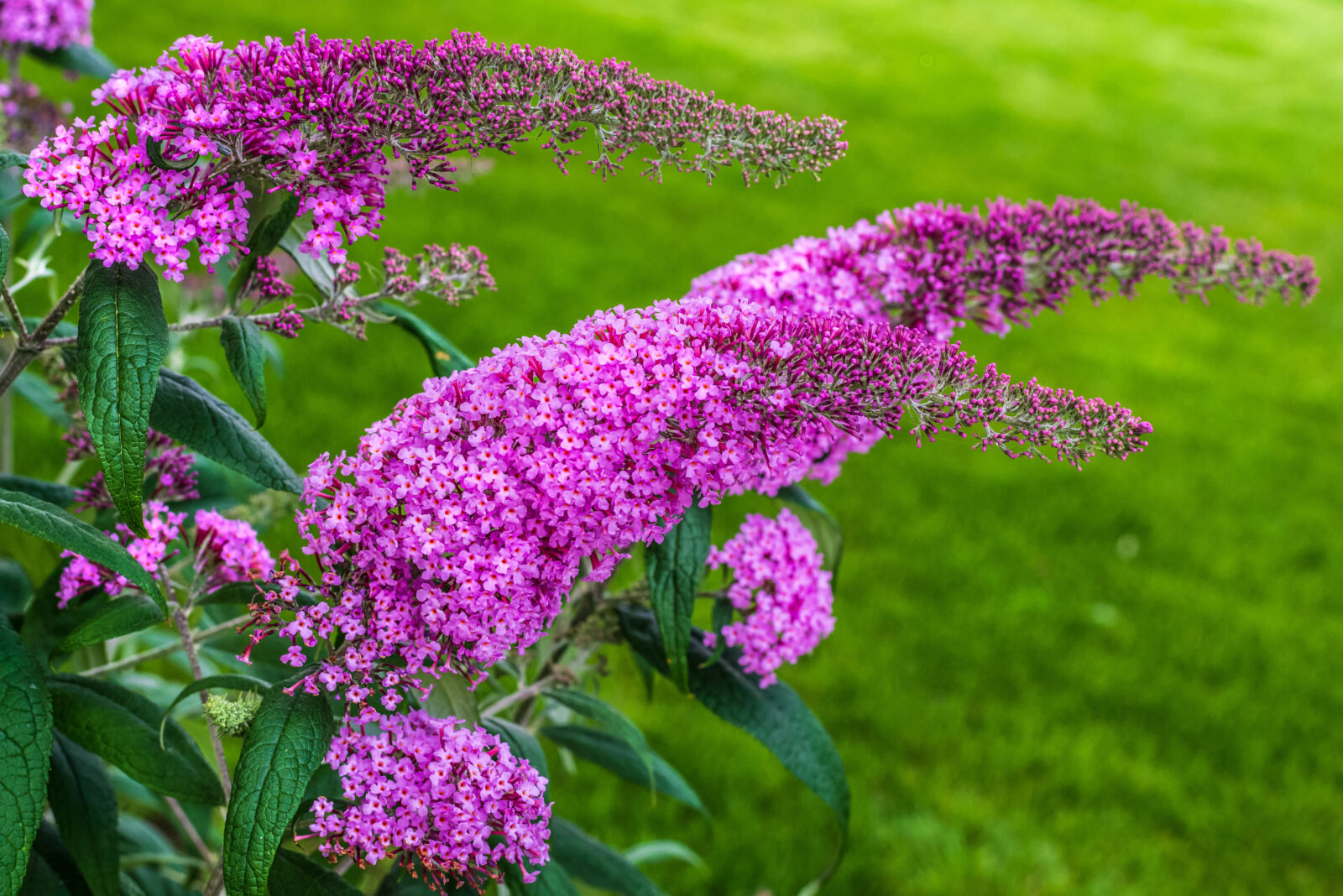
With buddlejas, it’s important to distinguish the exact species. The commonly grown Buddleja davidii is pruned in late winter/early spring and can be cut back quite hard. Buddleja alternifolia is different: it flowers on last year’s branches. An autumn cut would cost it its summer blooms and its characteristic arching habit. With this one in particular, it’s best to keep the secateurs back and intervene only at the right time.
When it’s better to postpone pruning
For shrubs that flower on old wood, it’s usually safer to wait until after flowering or until spring, when it’s clear what has made it through winter and what needs removing.
Before you start autumn pruning, it pays to find out how the particular plant behaves. A one-size-fits-all approach doesn’t work. What benefits one shrub can take away another’s flowers for the entire next year. Caution is especially important with ornamental shrubs where you expect a generous display.
So don’t automatically cut back everything that has finished flowering in autumn. For many shrubs, leaving them to rest over winter is the best care you can give.
Source: Pure Wow, The Spruce, Pestrazahrada.cz

A lover of nature, gardens, and everything that moves, blooms, or grows. He literally grows everything, from herbs to rare species, and he enjoys caring for animals just as much. In his work, he connects modern technology with tried-and-tested grandmotherly methods and is happy when both paths lead to the same goal.
Related articles
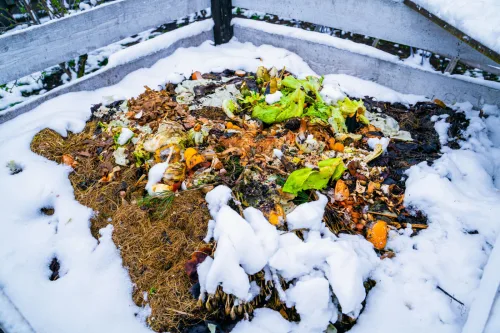
Your compost freezes in winter and you needn’t throw peelings away
Winter slows composting, but it doesn’t mean you have to stop. Use a lidded container near the back door to store kitchen scraps until the pile thaws and spring warmth restarts decomposition.
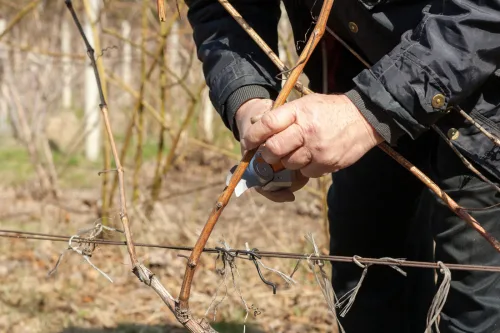
Autumn Grape Vine Pruning Shapes Next Year’s Harvest
Autumn pruning is one of the key jobs that determines how well your grapevine will grow and crop next season. The most common mistake is leaving too much wood, which leads to a dense canopy and smaller, slower-ripening bunches.
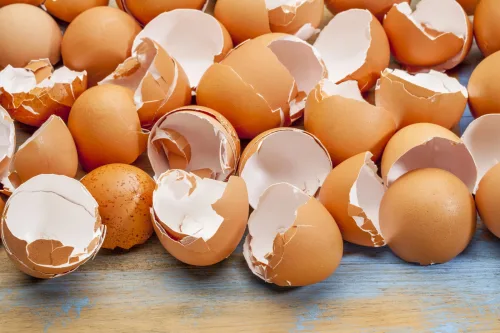
How to Turn Eggshells into Valuable Help for the Garden
Eggshells are a simple, free way to return calcium and minerals to your soil. Used correctly, they can support plant growth, gently reduce soil acidity, and even help deter some garden pests.
Comments (0)
Be the first to comment.