
 English
  Polski
  Deutsch
  Nederlands
  Svenska
  Norsk
Norsk  Dansk
Dansk  Français
  Italiano
  Español
  Português
  Slovenčina
  Suomi
Suomi  Gaeilge
 How to Use Spent Lavender Blooms and Make Homemade Fabric Softener Quickly
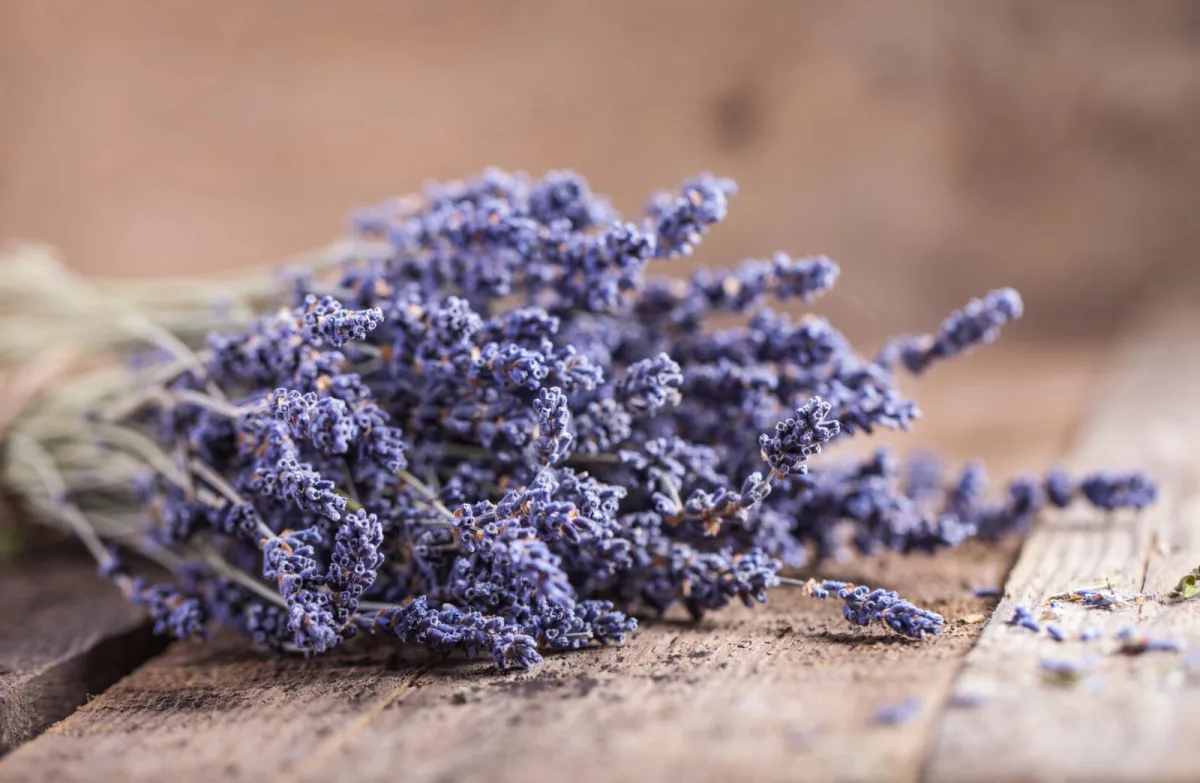
After pruning lavender in summer, you’re often left with a little pile of stems, leaves, and faded flower heads. At first glance it looks like waste, but it would be a shame to bin it. These leftovers still contain aromatic compounds that are easy to transfer into a homemade fabric softener. Simply combine them with plain vinegar and in no time you’ll have a gentle rinse that softens laundry and freshens the whole home.
Why regular pruning matters for lavender
Lavender is a favourite for gardens, balconies, and patios. Not only for its looks and fragrance, but also because it’s so easy-going. To keep it dense, healthy, and flowering well, it needs regular cutting back. Without pruning it gradually becomes woody, opens up, and blooms less. It’s usually best to trim during flowering or just after the blooms fade, most commonly in July and August, when you remove mainly the spent flower spikes and the top portions of the stems.
Vinegar as a natural alternative to shop-bought fabric conditioner
Our grandmothers used vinegar in the rinse cycle long before commercial fabric conditioner existed. In practice, it can replace standard conditioner very well, sometimes even more effectively. It helps remove detergent residue from the fibres, so laundry feels softer and irons more easily. Worries about the typical vinegar smell aren’t necessary, because when used correctly it doesn’t linger on textiles. And if you infuse lavender in the vinegar, the natural essential oils soften and pleasantly mask the scent even further.
Key benefits of lavender-vinegar fabric softener
Softer laundry and easier ironing thanks to vinegar helping relax the fibres, and lavender adding a naturally fresh feel.
Fragrance and freshness because the mix can reduce stale smells in towels or sportswear while leaving a gentle scent behind.
Kind to skin as it’s a simple formula without perfumed thickeners and other additives that can irritate sensitive skin.
A bonus for your washing machine because vinegar helps limit limescale build-up and reduces the risk of unwanted deposits inside the appliance.
How to make homemade lavender fabric softener
The method is straightforward and the hands-on time is only a few minutes. Most of the time is the infusion itself, when the scent and useful compounds from the lavender scraps move into the vinegar.
What you’ll need
Lavender leftovers from pruning (flowers, stems, and leaves), ordinary wine vinegar, distilled water or water suitable for babies, a large jar with a lid, and a fine sieve or clean muslin for straining.
Step 1. Make a fragrant infusion
Put the lavender scraps into the jar and pour over enough vinegar to fully cover them. Seal the jar and place it somewhere bright, ideally sunny, for about two weeks. Give it a gentle shake or stir now and then to speed up the infusion and release as much fragrance as possible.
Step 2. Strain the infusion carefully
Once infused, strain the mixture thoroughly through a fine sieve or muslin into a larger container. It’s important that no small bits of plant material remain in the liquid, as they could get caught in the fabric softener drawer or inside the washing machine.
Step 3. Dilute the concentrate with water
Don’t use the lavender vinegar undiluted. Mix it with distilled water or water suitable for babies in a 1:1 ratio. This gives you a finished homemade fabric softener for everyday washing.
Tip: You can also make this fabric softener in winter using dried lavender, but the aroma is usually stronger from freshly pruned leftovers.
Correct dosing for washing and a practical note
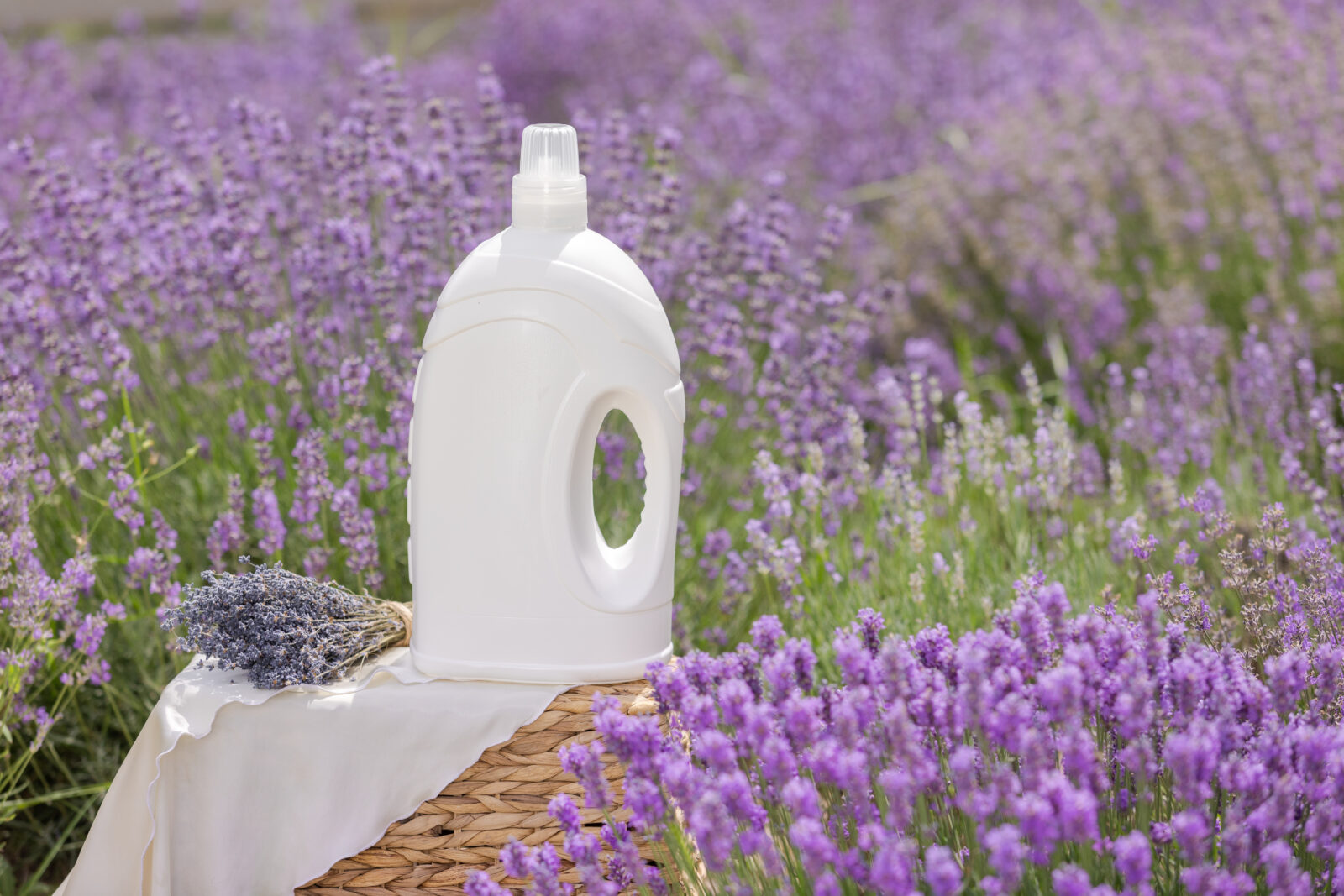
For one standard load of laundry, about 100 ml of homemade fabric softener is usually enough. If you’re washing a larger load or very absorbent items such as towels, bedding, or table linen, you can roughly double the dose.
Because homemade fabric softener contains no thickeners, it’s much more liquid than shop products. If possible, pour it into the fabric softener compartment so it’s released during the rinse cycle. If it reaches the textiles too early, the softening and scenting effect may be weaker.
A simple way to use lavender right down to the last bit
Homemade lavender-vinegar fabric softener is a practical way to give a second life to what usually ends up in a little heap after pruning. The result is a cheap, effective, and gentle alternative that leaves laundry softer and naturally fragrant, without unnecessary chemicals.
Source: Záhrada, Gardening Know How, Instructables, Pestrazahrada.cz

A lover of nature, gardens, and everything that moves, blooms, or grows. He literally grows everything, from herbs to rare species, and he enjoys caring for animals just as much. In his work, he connects modern technology with tried-and-tested grandmotherly methods and is happy when both paths lead to the same goal.
Related articles
Time for the final rose prune, do it now and overwinter properly for a June flush of blooms
Roses look their best when they’re properly prepared for winter. A timely autumn prune, health check and sensible frost protection will set plants up for vigorous spring growth and a strong June display.
An Unkillable ZZ Plant Is Dying in Homes Because of a Mistake That Looks Like Care
The ZZ plant is famous for coping with neglect, but one well-meaning habit can slowly ruin it. Learn the light, soil and watering routine that keeps it thriving, plus how to use banana peel feed safely.
When autumn liming of soil makes sense and how it helps vegetable beds in the garden
Autumn soil liming can markedly improve soil structure and balance pH for healthier vegetables next season. It’s most worthwhile on heavy or overly acidic soils where nutrient uptake and disease resistance suffer.
Comments (0)
Be the first to comment.