
 English
  Polski
  Deutsch
  Nederlands
  Svenska
  Norsk
Norsk  Dansk
Dansk  Français
  Italiano
  Español
  Português
  Slovenčina
  Suomi
Suomi  Gaeilge
 Prune hibiscus in autumn by type because on one it’s a big mistake
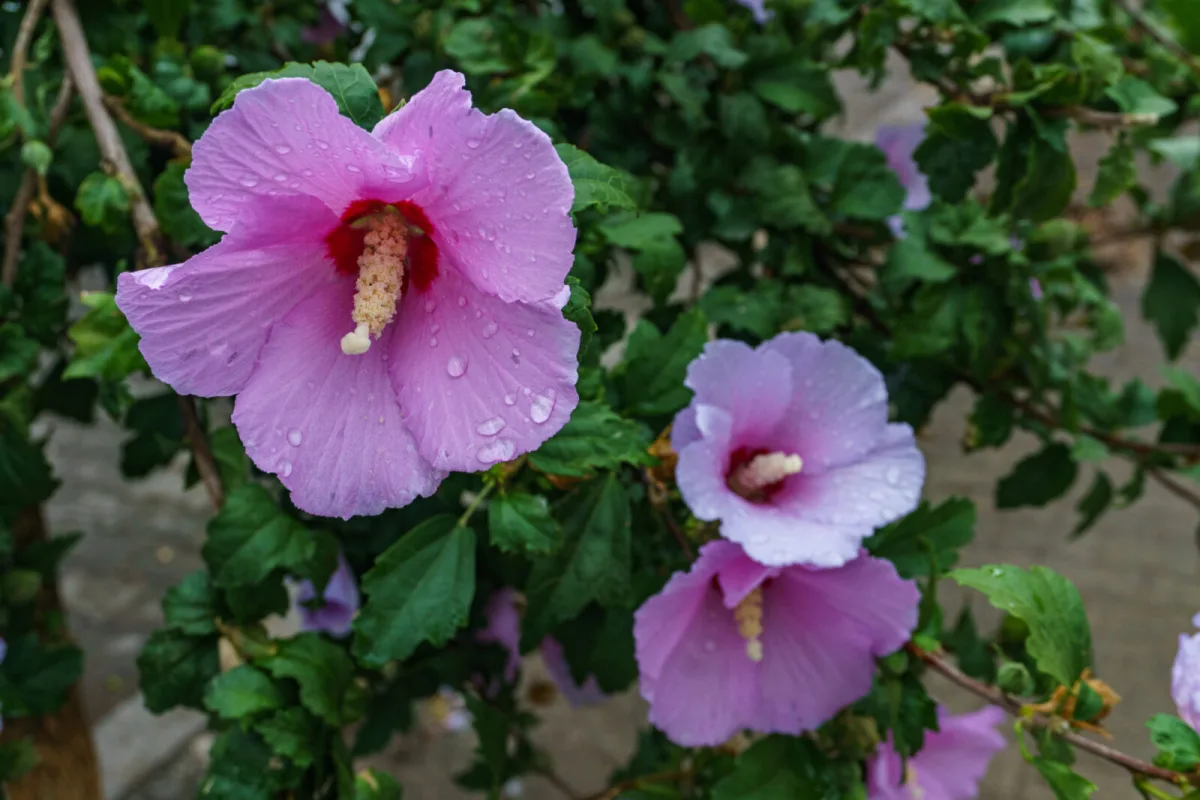
In autumn, many growers ask the same question: is it better to prune hibiscus before winter, or leave it alone? There’s no one-size-fits-all rule. The right decision depends mainly on which type you’re growing and whether the plant will overwinter outdoors or indoors.
Hibiscus are among the most popular ornamental plants because, in season, they can flower extremely freely. That’s exactly why they deserve the right preparation for the colder months. While some types appreciate only a light shape-up, others can cope with a more substantial autumn prune.
The difference between tropical and hardy hibiscus
The most important thing is to distinguish whether you have a tropical hibiscus or a hardy outdoor type. These two groups differ significantly in how they should be handled before winter. What benefits one can unnecessarily weaken the other.
Tropical hibiscus aren’t built for frost, so in our climate they’re usually moved in autumn to a bright, cooler room. With these plants, a hard prune isn’t advisable. It’s enough to remove spent blooms, weak or damaged shoots, and, if needed, gently neaten the shape. Cutting back too deeply can sap strength before winter and make the transition into a more restful phase more difficult.
By contrast, hardy hibiscus that stay outside over winter usually handle autumn pruning much better. With them, you can opt for a more significant cutback, ideally when the first light frost has touched the leaves and the plant is starting to die back. At that point, shoots can be cut lower, removing old or diseased parts and encouraging strong new growth in spring.
Why an autumn prune can be helpful
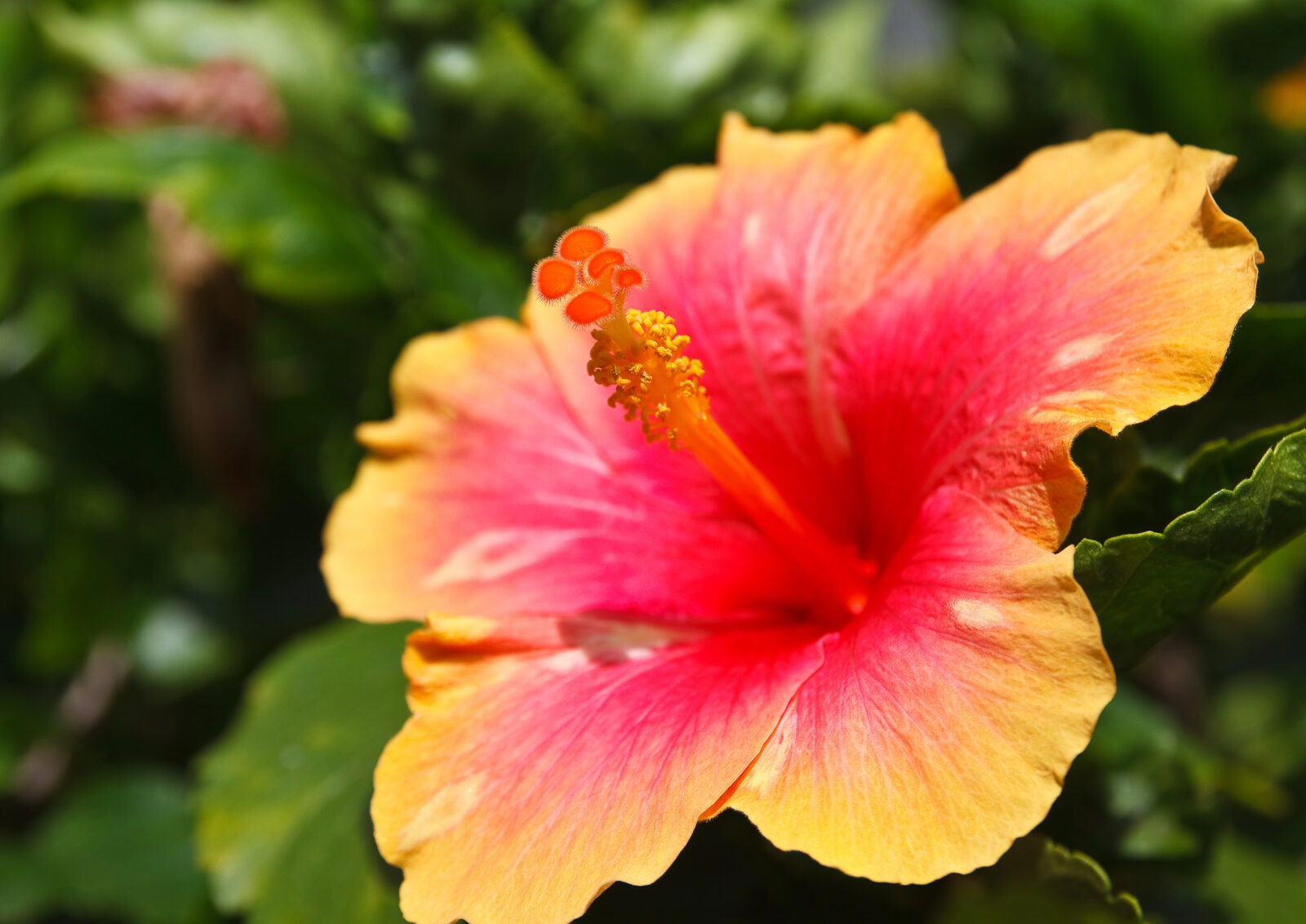
A well-done prune isn’t just about looks. With outdoor hibiscus it can also help reduce disease. Dense growth holds more moisture in cool, damp weather, creating ideal conditions for moulds and other fungal problems. A more open plant dries and ventilates better and tends to be more resilient.
With hibiscus, the key isn’t the pruning itself, but correctly identifying the type and choosing the right timing.
It’s also true that less is often more. An insensitive or overly drastic cut can weaken a plant more than a cautious trim. Autumn pruning should be considered, not rushed.
How to prune correctly
When you’re working, it’s important to use sharp, clean secateurs. That way the cuts are smooth and you won’t tear tissue that would heal poorly. Start by removing anything dead, damaged, or awkwardly placed, especially shoots that cross or thicken the centre of the plant.
For tropical hibiscus, it’s recommended to shorten only modestly, roughly up to a third of the shoot length. Hardy types tolerate a much stronger cut. It always depends on the condition of the individual plant and the weather in that particular year.
When is the best time for an autumn cut
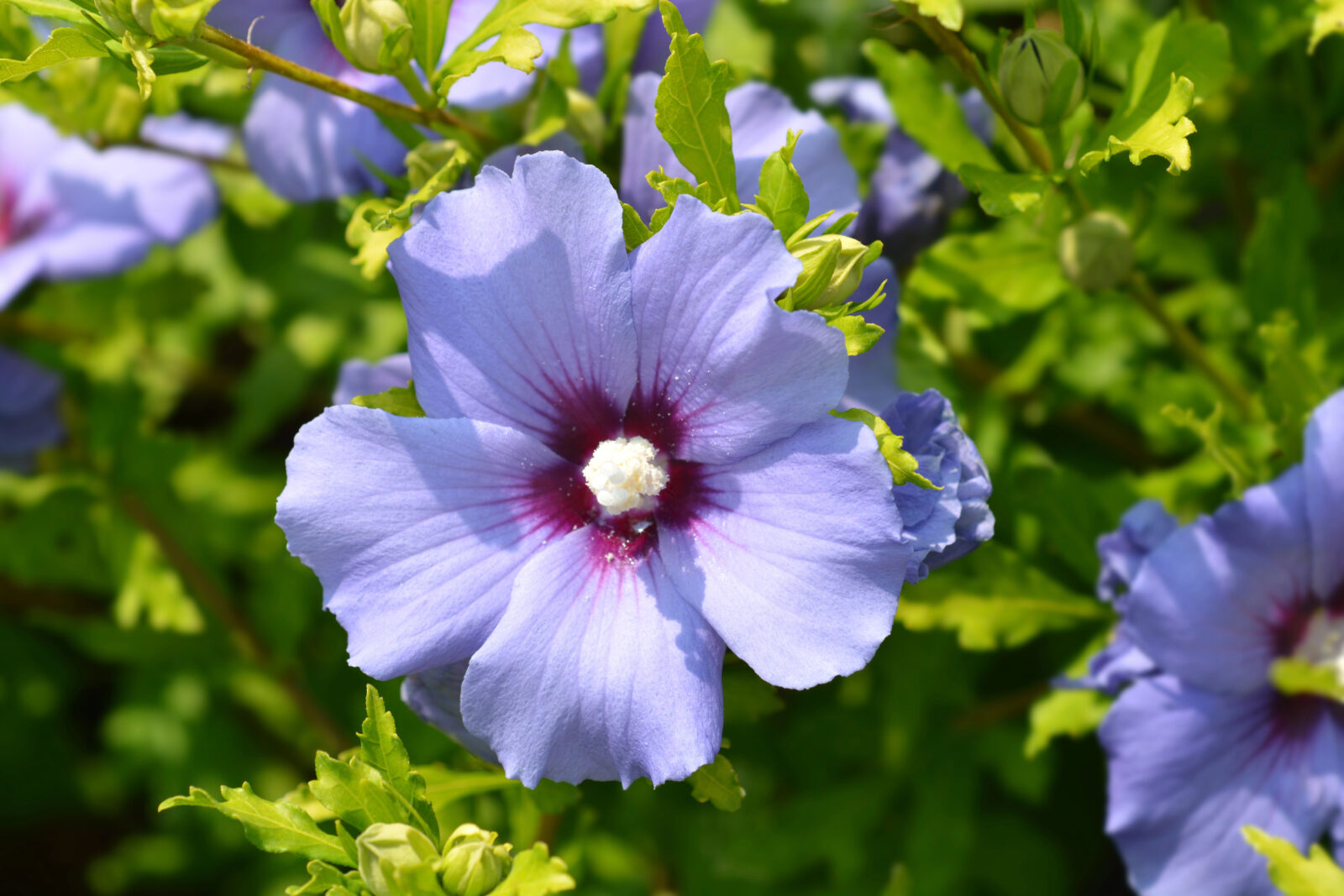
A suitable window is considered to be late October and early November, just before more severe frosts arrive. However, if a sudden cold snap is forecast, it’s wiser to postpone pruning. In some cases, it’s safer to wait until spring, when freshly cut parts are no longer at risk of frost damage.
After pruning, don’t forget protection. Tropical hibiscus should be moved into an appropriate indoor space with plenty of light. For hardy outdoor plants, it’s a good idea to cover the root area with mulch or conifer boughs to better protect the root system from freezing.
Every hibiscus needs a different approach
So, the question of whether to prune hibiscus in autumn doesn’t have a single correct answer. It depends on the plant type and the conditions it grows in. Heat-loving hibiscus need only light tidying, while tough outdoor types can be cut back more.
The best results come from a careful cut that respects the needs of the specific plant. If you choose the right method and the right timing, your hibiscus will overwinter in better condition and reward you in spring with healthy growth and abundant flowering.
Source: Greeny Gardener, Gardening Know How, Pestrazahrada.cz

A lover of nature, gardens, and everything that moves, blooms, or grows. He literally grows everything, from herbs to rare species, and he enjoys caring for animals just as much. In his work, he connects modern technology with tried-and-tested grandmotherly methods and is happy when both paths lead to the same goal.
Related articles
Which Flowers Can Survive Frost Outdoors and Which Must Come Inside
As autumn arrives, some patio and balcony plants can stay outside through chilly nights, while others need bringing in before the first real frost. The key is a plant’s origin, hardiness, and the forecast—not the calendar.
Your Pruners Decide the Fate of Raspberries, Blackberries and Currants
Autumn pruning is the key moment for raspberries, blackberries and currants. Remove old, weak or diseased wood now and you’ll get healthier plants and a bigger crop next season.
Winterise Roses at the Right Time
Your roses’ performance next season depends on timely pruning and proper winter protection. Temperature, hygiene around the bush, and keeping the graft union safely covered are the key details that make the difference.
Comments (0)
Be the first to comment.