
 English
  Polski
  Deutsch
  Nederlands
  Svenska
  Norsk
Norsk  Dansk
Dansk  Français
  Italiano
  Español
  Português
  Slovenčina
  Suomi
Suomi  Gaeilge
 September Pruning Can Be Fatal for Shrubs Leave These Types Alone
September and the start of autumn can tempt you to pick up the secateurs, shorten overgrown branches, and give beds and shrubs a quick, tidy look. But this is also one of the most common times for a major mistake. Not all plants tolerate autumn pruning equally well, and for some, a September cut can significantly weaken them or even damage them enough that they enter the next season in poor condition.
With certain types, experts agree it’s better to wait with pruning. Cutting back in September can set off processes that make it harder for the plant to prepare for winter and can also affect flowering next year.
Why September pruning can trigger troublesome new growth
A plant responds to pruning as a signal to replace lost growth. After being cut back, it often starts producing fresh shoots. But at the end of summer and on the cusp of autumn, that’s a disadvantage, because those new shoots usually don’t have time to mature and harden before cold nights arrive.
All it takes is temperatures dropping to 0°C, or just a few very cold nights, and soft, young growth is easily damaged. Instead of gradually slowing down and switching into winter mode, the shrub is forced to pour energy into growth that brings it no benefit at that time.
The plant needs reserves, not extra work
As summer turns into autumn, most woody plants and perennials focus on storing nutrients in their roots and older wood, so they have reserves to draw on in spring. If you force them into fresh growth in September, they use up part of those reserves on new shoots. The result can be an overall weakening and poorer cold tolerance.
Weakened plants are then more likely to suffer frost damage, recover more slowly after winter, and grow more sluggishly in the following season. In more sensitive species, you may also notice poorer bud formation or fewer flowers.
Dead shoots as an open door to disease
Damaged young twigs that cold weather scorches or completely kills aren’t just an aesthetic issue. Areas of dieback and pruning wounds can become entry points for various diseases. Damp autumn weather also favours the spread of infection, so a small intervention can turn into a long-term problem you’re still dealing with next year.
In September, it’s often best to do nothing extra and let the shrub calmly finish preparing for winter.
Which shrubs are best left unpruned in September
The greatest caution is needed with shrubs that flower in early spring. These form next season’s flower buds in late summer and through autumn. If you cut them back in September, you can lose not only some branches, but also a large share of next year’s blooms.
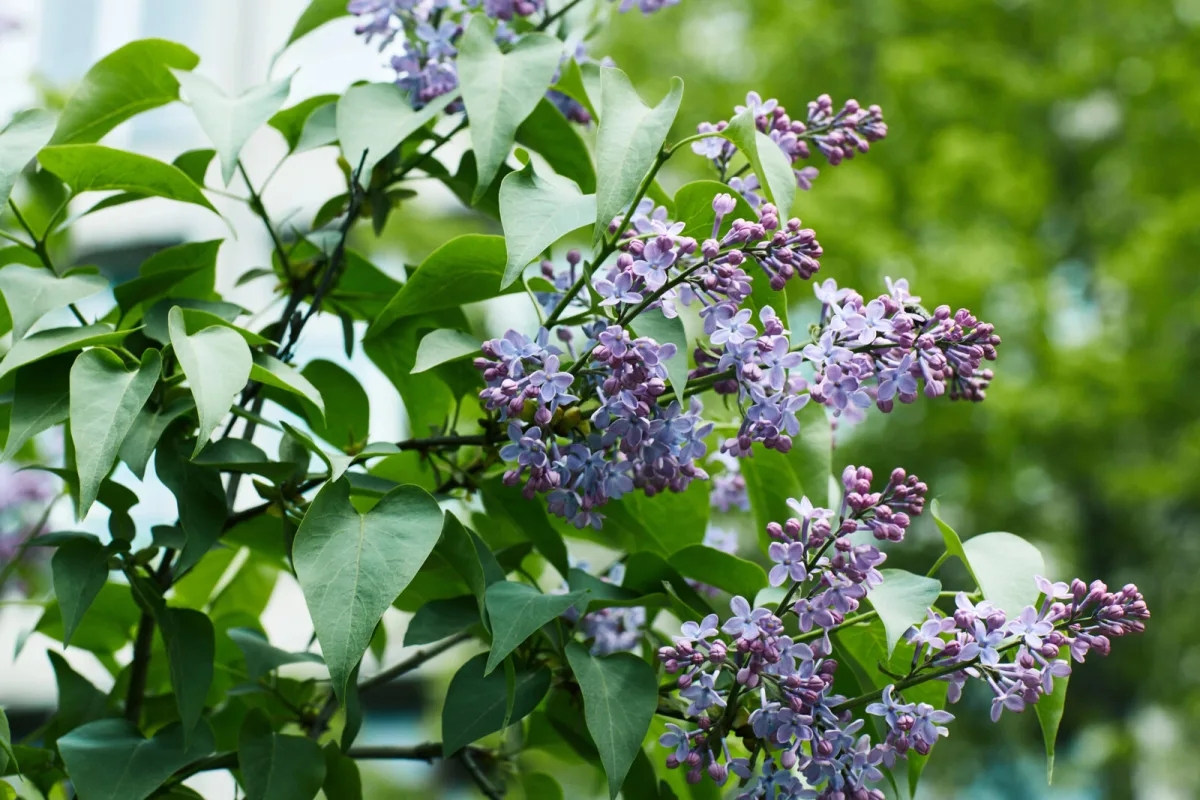
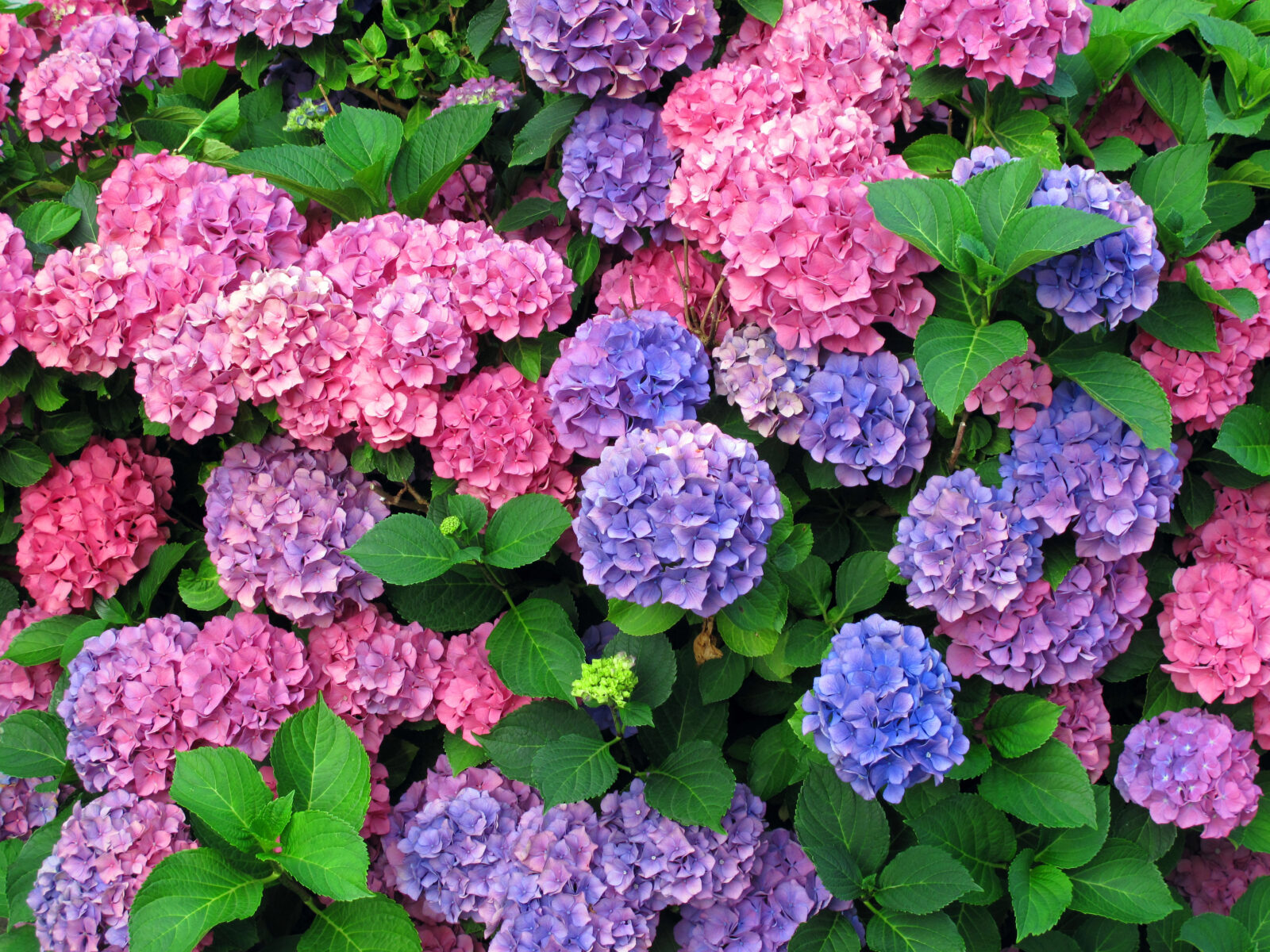
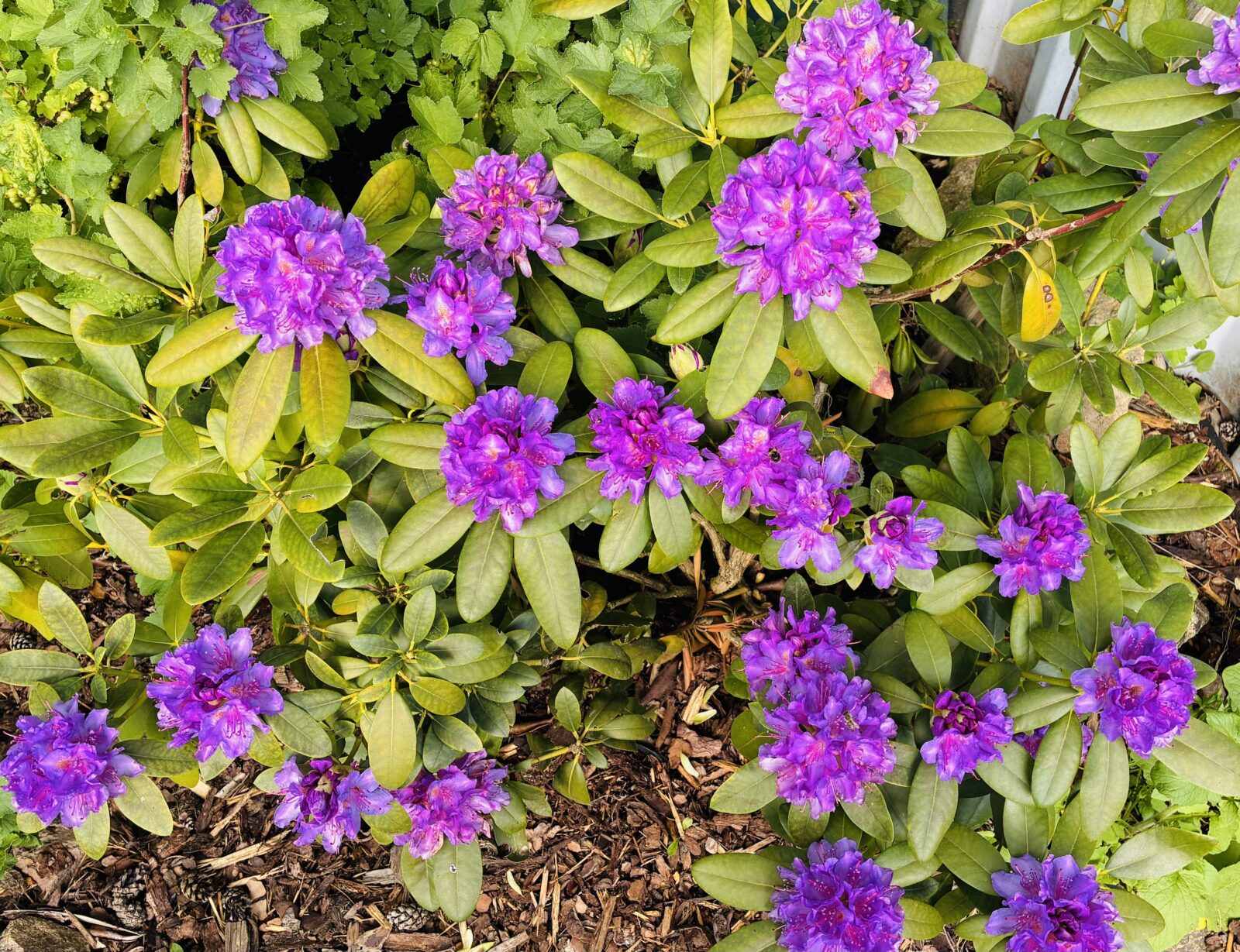
A classic example is lilac. It’s worth waiting to tidy it up until after flowering, when pruning makes sense and you won’t remove formed buds. The same logic applies to other favourites such as hydrangeas and rhododendrons, where poorly timed cutting can significantly reduce flowering.
Leave evergreen shrubs, conifers, and tender herbs alone
September is also a poor time to prune many evergreen plants, especially conifers, which respond more slowly to cutting and may produce vulnerable new growth ahead of winter. With herbs, lavender is often mentioned: it will tolerate shaping, but any harder pruning is safer in spring, when you can see what has truly survived the winter.
Many roses are similar. Although roses are routinely pruned, an autumn date in September can lead to unwanted new shoots. For that reason, shaping and main pruning is more sensibly planned for spring, with only very light touch-ups in autumn depending on the plant’s condition and the weather.
A little thought now beats disappointment later
The garden needs attention in autumn, but more work doesn’t always mean a better outcome. September pruning can look like a good move, yet for certain plants it leads to weakness, frost damage, increased disease risk, and a loss of flowers next year. That’s why it helps to think not only about what you want to cut back, but especially when and why.
If you’re unsure, stick to a simple rule. Prune shrubs that flower early in spring only after they’ve finished blooming, and leave cold-sensitive types until spring. In many cases, the kindest option is to let plants rest through September and give them time to prepare for winter on their own.
Source: Homes and Gardens, Real Simple, Old World Garden Farms, Pestrazahrada.cz

A lover of nature, gardens, and everything that moves, blooms, or grows. He literally grows everything, from herbs to rare species, and he enjoys caring for animals just as much. In his work, he connects modern technology with tried-and-tested grandmotherly methods and is happy when both paths lead to the same goal.
Related articles
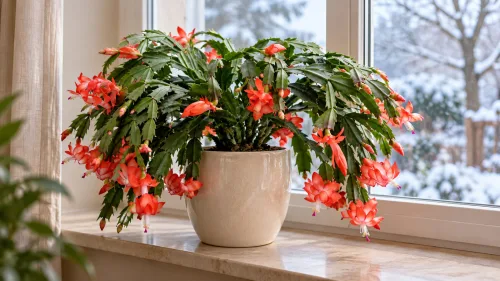
In September, One Simple Step Decides Whether Your Christmas Cactus Blooms in Winter
With Christmas cactus, winter flowering isn’t mainly about watering or feeding—it’s about uninterrupted darkness after dusk. Start in September to trigger bud set and enjoy a full display in December.
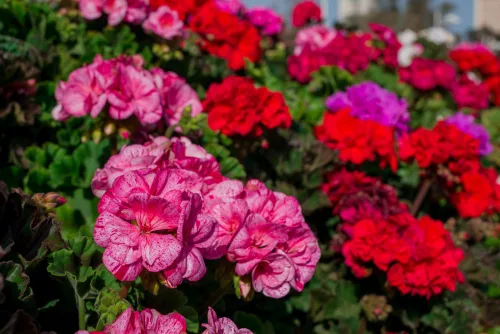
A Simple Trick to Help Geraniums Survive Winter Without Water or Soil
Store geraniums bare-root in a cardboard box over winter—no watering, no pots, and hardly any space needed. With the right cool, frost-free spot, they’ll wake up quickly in spring and flower strongly again.
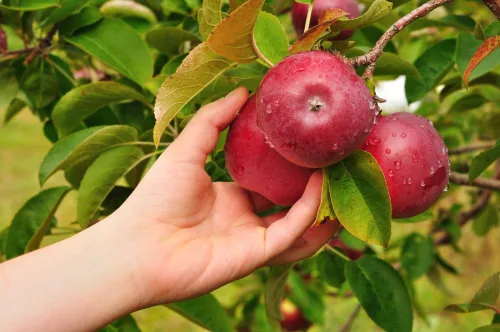
Picking Apples Without Mistakes Helps Keep Your Harvest Fresh and Rot-Free for Longer
How you handle apples at harvest has a huge impact on how long they keep. Gentle picking, careful sorting and the right storage conditions will help prevent rot and unnecessary losses.
Comments (0)
Be the first to comment.