
 English
  Polski
  Deutsch
  Nederlands
  Svenska
  Norsk
Norsk  Dansk
Dansk  Français
  Italiano
  Español
  Português
  Slovenčina
  Suomi
Suomi  Gaeilge
 A simple way to ripen unripe plums at home and save them from the bin
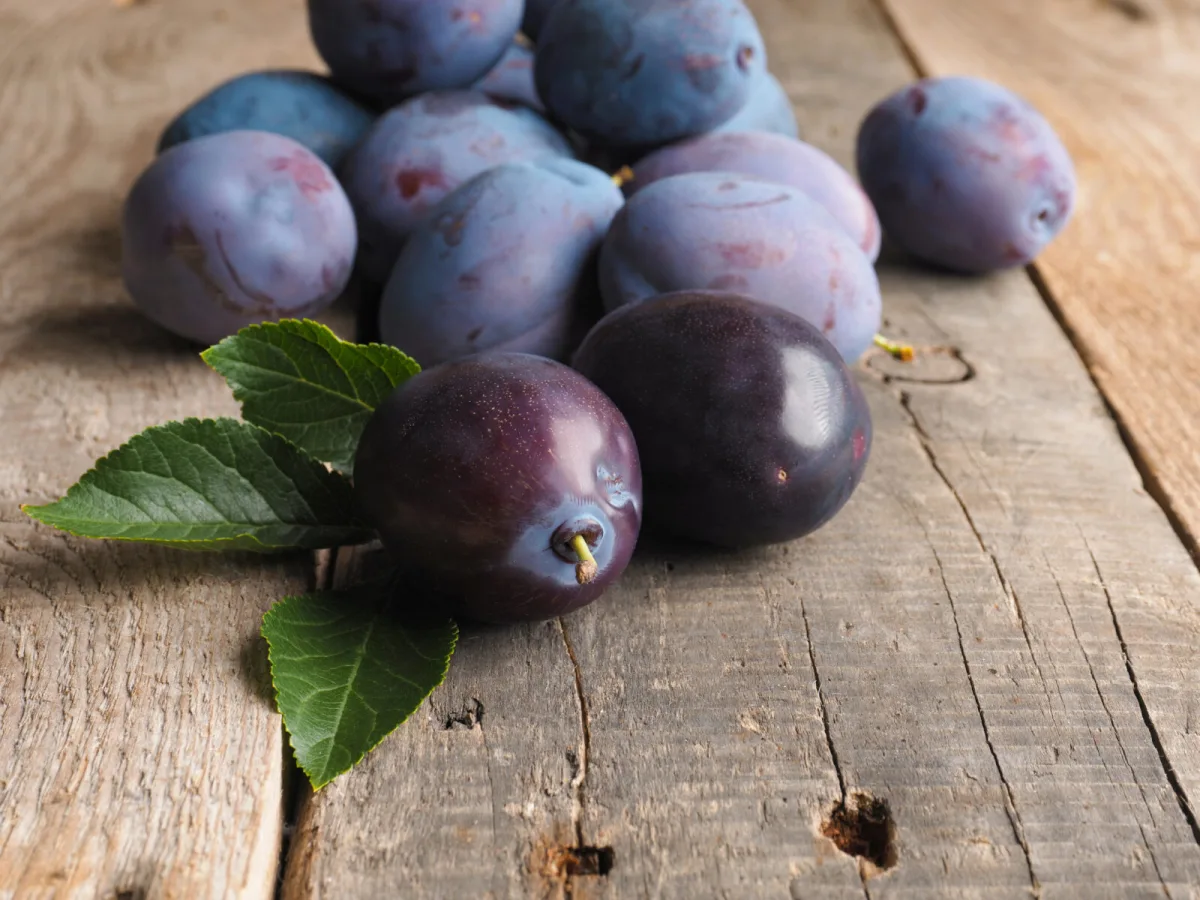
Plums are a favourite fruit thanks to their sweet flavour and juicy flesh, which becomes pleasantly soft once fully ripe. When they’re truly ripe, they’re perfect not only for snacking, but also for preserves, jams, juices, or baking. Now and then, though, we bring home fruit that’s hard, sour, and lacking in aroma—hardly tempting on the first bite. The good news is that most of these plums can be ripened at home, without any complicated steps.
How to speed up plum ripening in a typical home
The simplest route is warmth and light. If the plums are only slightly underripe, it often helps to spread them out in a bright spot, ideally on a sunny windowsill. Direct sunlight and higher temperatures support the ripening process, so the fruit gradually softens and its flavour and fragrance intensify. It’s important to check the plums regularly so they don’t over-ripen or start to spoil, especially when it’s warm indoors.
A paper bag as a quick ripening trick
When you need results faster, or you don’t have a suitable sunny spot, a paper bag can help. Put the plums inside, close the bag, and leave it at room temperature. A common guideline is around three days, but it depends a lot on how green the fruit is and what your indoor conditions are like. Paper works well because it traps the gases produced during ripening, while still allowing a bit of airflow—so there’s less risk of condensation and rot than with plastic.
Helpers that speed the process up even more
You can also add other fruit to the paper bag—typically an apple or a banana. These naturally release ethylene, a gas that promotes ripening. Thanks to this, plums often start changing within just a few hours, though the most noticeable difference is usually within one to two days. The fruit gradually becomes more tender, develops better colour, smells more fragrant, and the flavour rounds out.
If you put plums into a paper bag in the morning and seal it well, you may notice that by the same day they feel softer to the touch and seem riper.
How to tell when plums are ready to eat
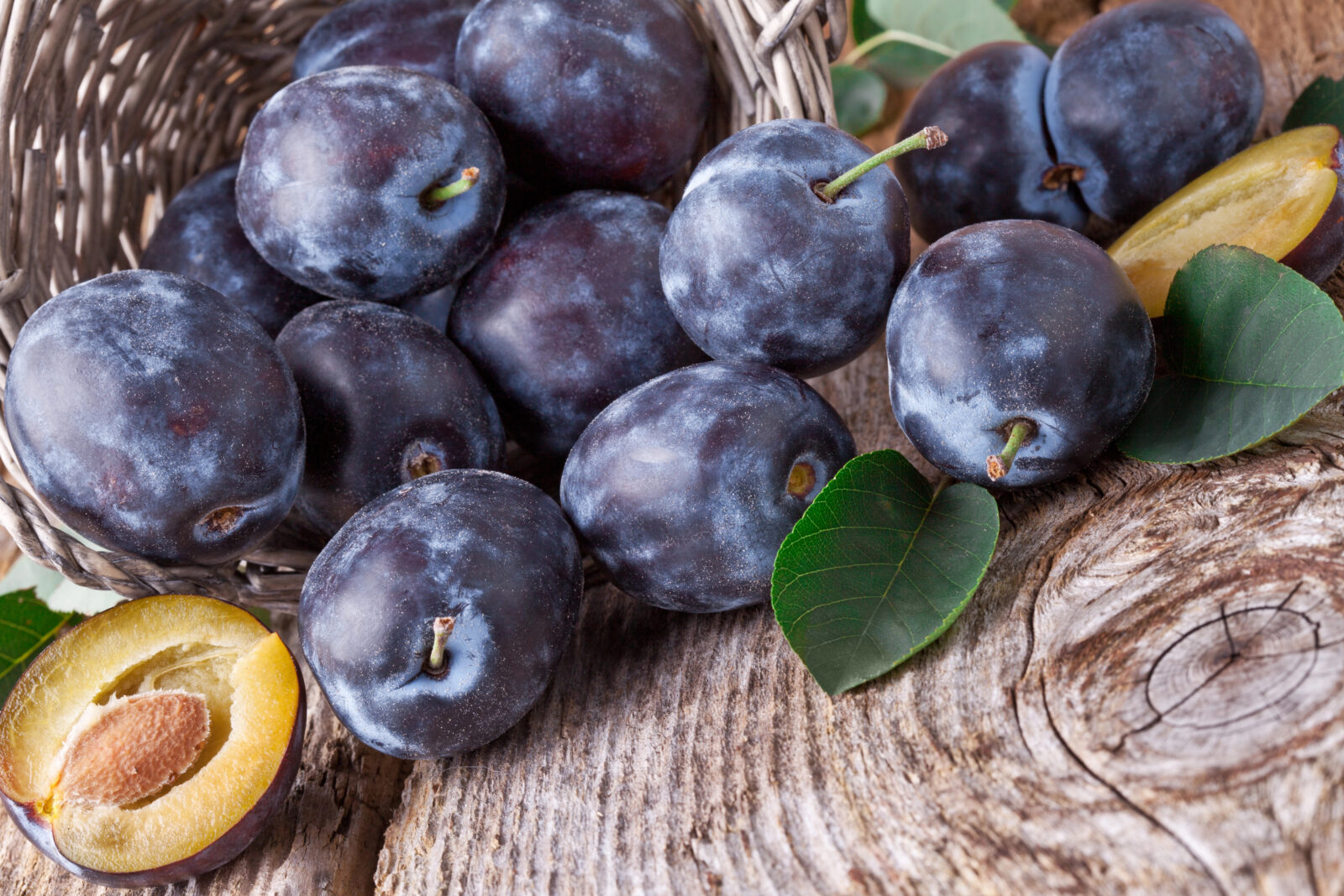
A ripe plum should feel springy, not mushy. Under gentle pressure from a finger, it should give slightly while still holding its shape. The aroma becomes stronger and the taste sweeter, with less astringency. Once they reach this stage, it’s best to eat or process them as soon as possible, because they can quickly slip into over-ripeness.
Ways to use ripe plums in the kitchen
Once plums soften and develop a full flavour, a lot of options open up. They’re excellent for bottling and for making homemade jams, plum butter, juices, or syrups. In a warm kitchen, they pair beautifully with sweet bakes, fillings, and desserts, and they also work well as a fruit sauce. Many people use them in traditional dishes, where plums complement a dough-based recipe or provide a punchy finishing note. If you want an easy dessert, simply simmer them and serve with another sweet element, because plum flavour is usually bold enough on its own.
Why plums are worth eating for health, too
Plums are also valued for supporting digestion. They contain fibre, which helps keep things regular and can contribute to better digestive comfort. You’ll also find a range of vitamins, commonly mentioned are A, C, E, B6 and K. Regularly including fruit in your diet is generally associated with supporting a healthy lifestyle, and plums fit nicely into that picture.
A little time and the right conditions are enough
Hard, bland plums don’t have to end up in the bin. Give them sun on a windowsill or use a paper bag, and optionally add an apple or banana, and they’ll ripen faster and taste better. With this simple method, you can make the most of your fruit—whether you eat it fresh or turn it into homemade stores for the pantry.
Source: To je nápad, Gardening Know How, Gardenino, Pestrazahrada.cz

A lover of nature, gardens, and everything that moves, blooms, or grows. He literally grows everything, from herbs to rare species, and he enjoys caring for animals just as much. In his work, he connects modern technology with tried-and-tested grandmotherly methods and is happy when both paths lead to the same goal.
Related articles
Picking Apples Without Mistakes Helps Keep Your Harvest Fresh and Rot-Free for Longer
How you handle apples at harvest has a huge impact on how long they keep. Gentle picking, careful sorting and the right storage conditions will help prevent rot and unnecessary losses.

A Lawn Without Bare Patches Depends on Two Things People Rarely Mention
Sowing a lawn from seed is affordable and flexible, but success hinges on careful soil preparation, the right seed mix, and patient aftercare. Follow proven timing and sowing techniques to get a dense, even sward without bare patches.
September Pruning Can Be Fatal for Shrubs Leave These Types Alone
Early autumn can tempt you to tidy shrubs with the secateurs, but September pruning can trigger soft new growth, weaken plants for winter, and cost you next spring’s flowers. For many shrubs, waiting until after flowering or until spring is the safer choice.
Comments (0)
Be the first to comment.