
 English
  Polski
  Deutsch
  Nederlands
  Svenska
  Norsk
Norsk  Dansk
Dansk  Français
  Italiano
  Español
  Português
  Slovenčina
  Suomi
Suomi  Gaeilge
 Which Flowers Can Survive Frost Outdoors and Which Must Come Inside
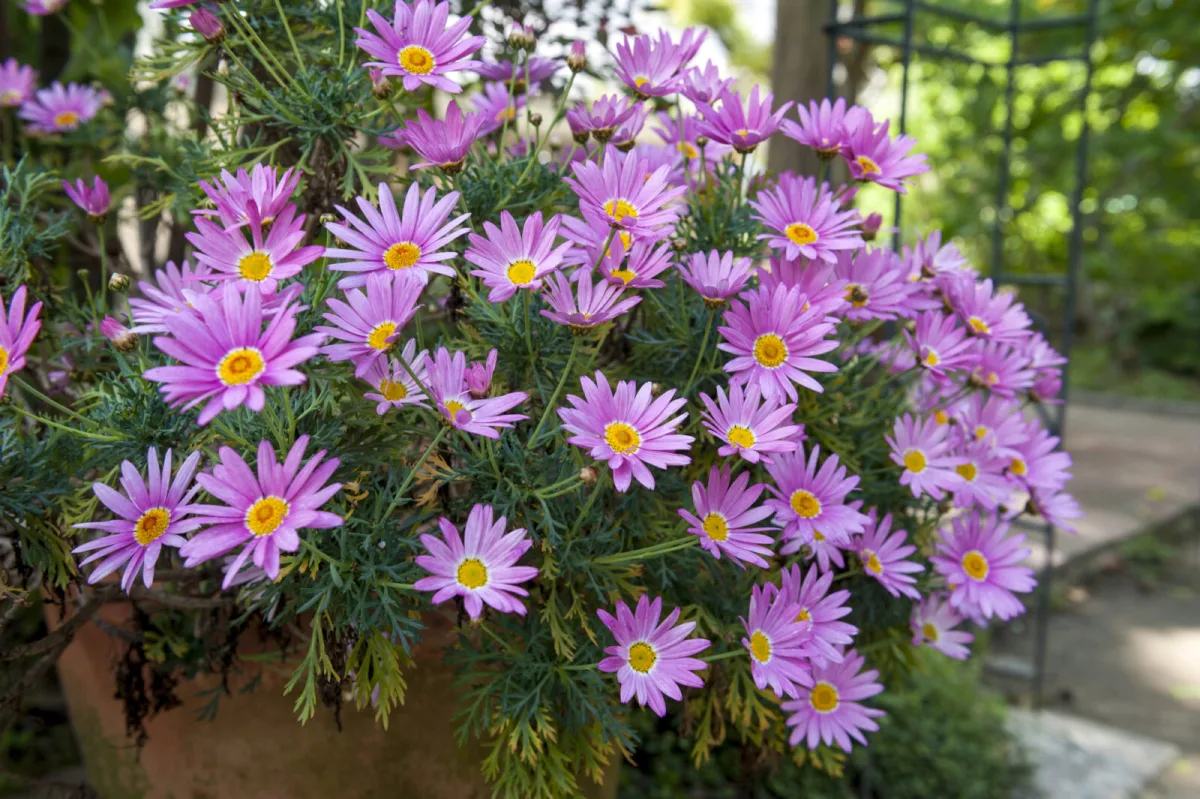
With the arrival of autumn, not only does the weather change, but so do the growing conditions for plants on a terrace or balcony. Cold mornings, lower night-time temperatures and the first ground frosts are a clear sign that some flowers won’t last outdoors much longer. Whether to leave a plant in the open air or move it indoors depends mainly on where it comes from and how well it tolerates cold.
As a rule, species originating from subtropical and Mediterranean regions are sensitive to frost. By contrast, hardy perennials and autumn outdoor plants cope with falling temperatures without major problems. So there isn’t one universal rule for all flowers—it’s about judging the specific plant and the current weather forecast.
Plants that must be sheltered from frost
More tender plants include rosemary, for example. Although it can handle a brief dip below zero, harder and longer frosts are a real risk. If you grow it in a pot on the terrace, it pays to move it in time to a bright spot with a slightly higher temperature, where it can get through the cold months without damage.
Geraniums (pelargoniums), among the most popular balcony flowers, are in a similar position. Once the temperature drops below 5 °C, their growth slows noticeably. At 0 °C or below they start to suffer and may gradually die back. For overwintering, a bright room at roughly 5–10 °C is ideal. It’s also important to reduce watering so the plants don’t suffer from waterlogging during their resting period.
Petunias need the same kind of care. They are extremely sensitive to cold, and the first frost can wipe them out completely. If you want to keep them going as long as possible, move them indoors or into a sheltered space in good time. The same applies here: plenty of light, rather cooler temperatures and sparing watering suit wintering best.
What tender plants have in common
Most annuals and warmth-loving plants won’t tolerate staying outside once night-time temperatures begin to regularly approach freezing. Don’t wait for the first truly hard frost. Moving them early is usually kinder than trying to rescue plants that are already damaged. It’s also crucial to choose a spot with enough light, but not in an overly heated room.
Which flowers can stay on the terrace
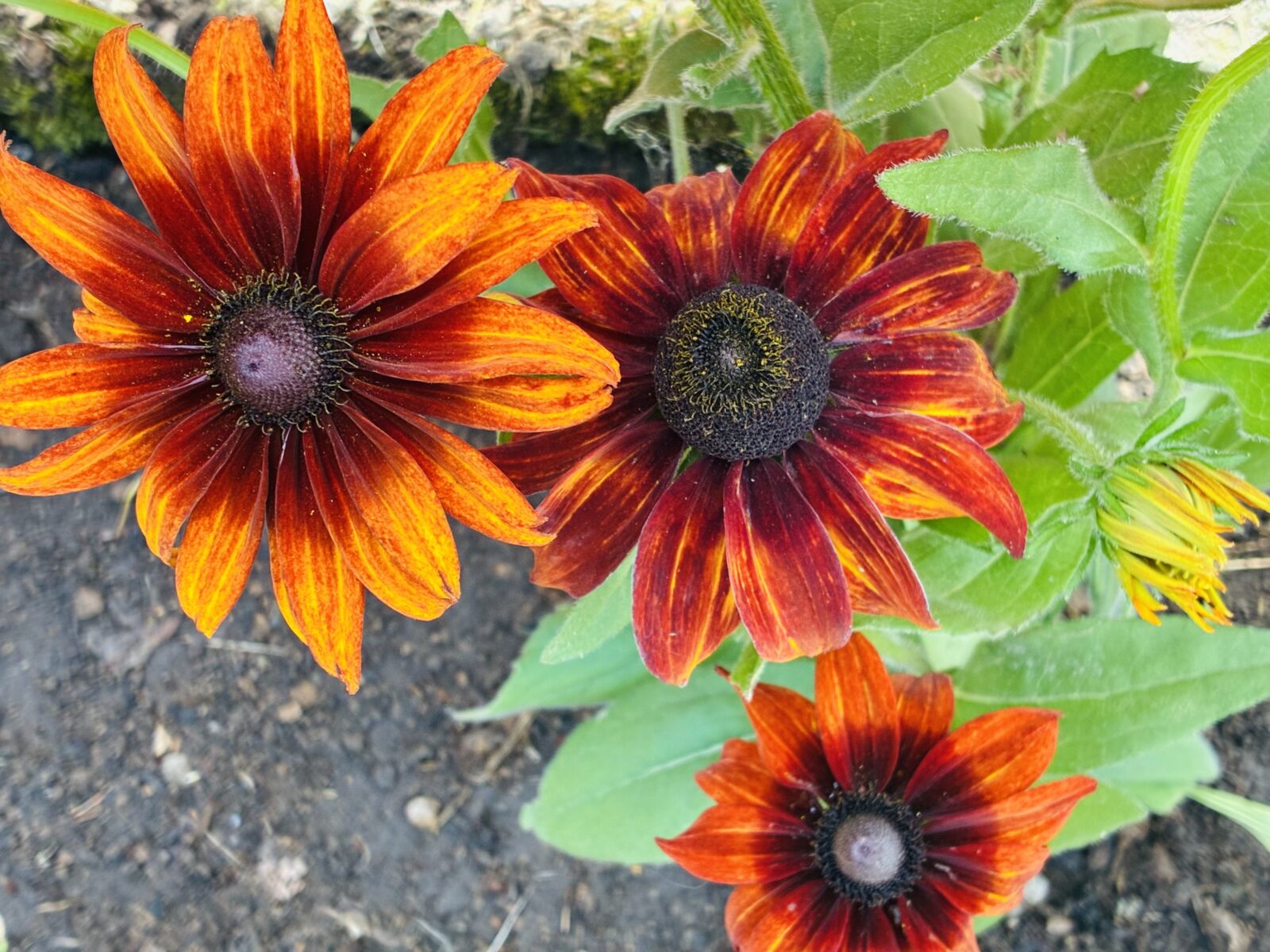
On the other hand, there are plants that don’t mind cool autumn weather. Coneflowers, asters and other tough perennials can be left outdoors even when temperatures drop sharply. On a terrace they usually manage with minimal watering, and there’s no need to move them indoors for winter.
Heathers and heaths also handle autumn extremely well. This is when they tend to look their best, and low temperatures suit them. They’re therefore a great choice for anyone who wants a balcony or terrace to look good even through the colder part of the year. If they aren’t grown in extremely exposed conditions, they can stay outside without much trouble.
Hardiness also depends on the cultivar
With some plants, you need to look not only at the species but also at the specific cultivar. This applies, for example, to hebe. Small-leaved types are usually more frost-tolerant, while large-leaved forms may suffer in winter and are better suited to a sheltered spot or a greenhouse.
A similar situation occurs with ivy. Common ivy (Hedera helix) is a reliably hardy plant and usually overwinters on a terrace without problems. Tropical or less hardy varieties, however, may need more protection from winter cold. Before deciding, it’s worth finding out what the particular plant you’re growing actually requires.
The most important thing isn’t the calendar, but the real outdoor temperature and the hardiness of the specific plant.
How to make the right decision
If you’re not sure, watch night-time temperatures and consider where the plant originates. Bring warmth-loving plants indoors before the first frosts arrive. Hardy perennials, heathers and tougher ivies can stay on the terrace—just adjust watering accordingly. This helps plants get through autumn and winter more successfully, and they’ll wake up in spring in good condition.
Source: RHS, Home & garden, Gardening Know How, Pestrazahrada.cz

A lover of nature, gardens, and everything that moves, blooms, or grows. He literally grows everything, from herbs to rare species, and he enjoys caring for animals just as much. In his work, he connects modern technology with tried-and-tested grandmotherly methods and is happy when both paths lead to the same goal.
Related articles
Your Pruners Decide the Fate of Raspberries, Blackberries and Currants
Autumn pruning is the key moment for raspberries, blackberries and currants. Remove old, weak or diseased wood now and you’ll get healthier plants and a bigger crop next season.
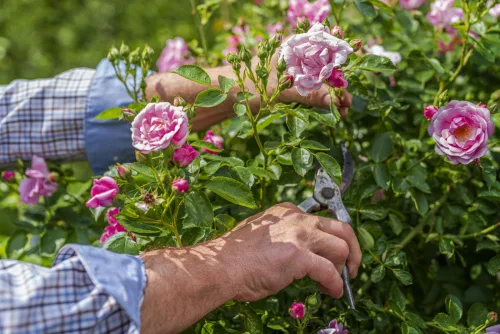
Winterise Roses at the Right Time
Your roses’ performance next season depends on timely pruning and proper winter protection. Temperature, hygiene around the bush, and keeping the graft union safely covered are the key details that make the difference.
Autumn Care for Bay Laurel Keeps a Healthy, Bushy Shrub Full of Fragrant Leaves for Next Season
With the right autumn trim and a proper winter rest, bay laurel will stay dense, healthy and ready to put on strong growth in spring. Move it in before real cold arrives, water sparingly, and stick to light tidying rather than hard pruning.
Comments (0)
Be the first to comment.