
 English
 Polski
 Deutsch
 Nederlands
 Svenska
 Norsk
 Dansk
 Français
 Italiano
 Español
 Português
 Slovenčina
 Suomi
 Gaeilge
What to Cut Back in Autumn and What to Leave Alone
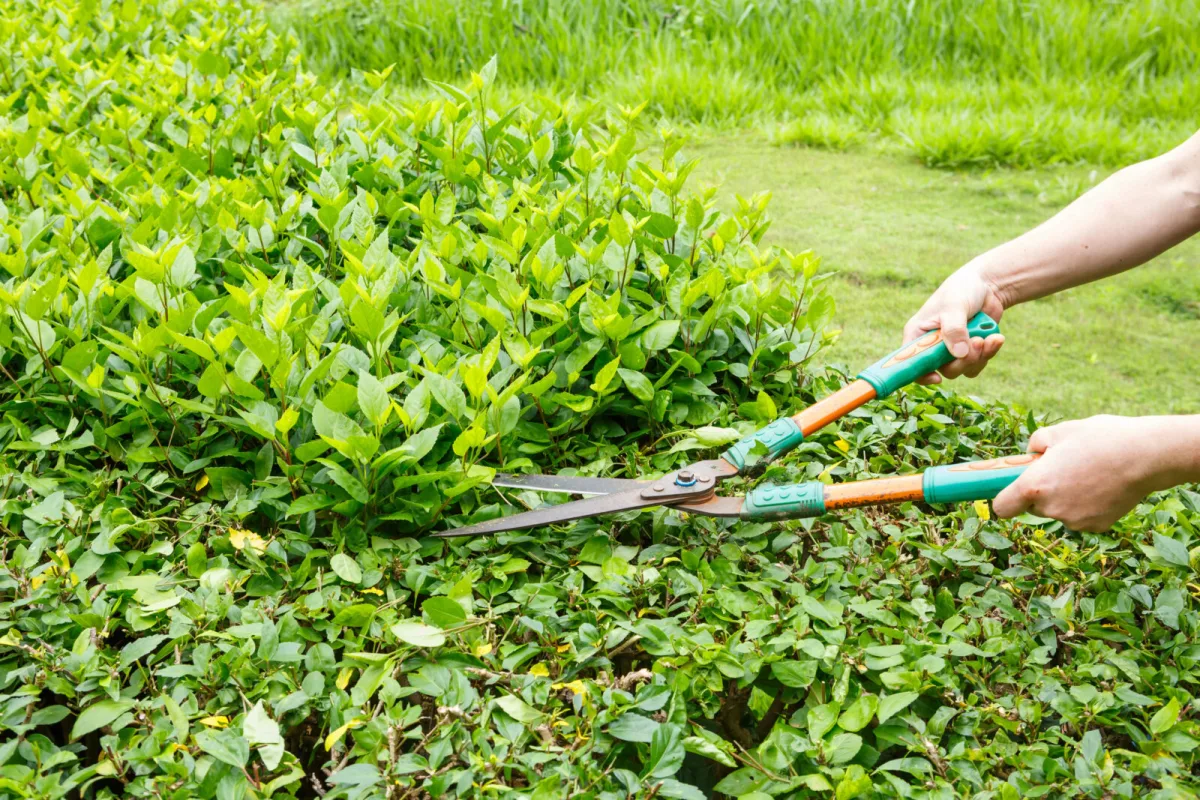
In autumn, the garden isn’t only about clearing leaves and getting beds ready for winter. This is also the time to pay attention to cutting back perennials, shrubs and trees. A well-timed cut helps plants overwinter more successfully, reduces the spread of disease, and makes it easier for them to get going next season. It’s not just about removing dead growth, but also sensible shaping and reducing overgrown clumps.
Perennials need tidying and a check-up
With dahlias, it pays to keep snipping off spent blooms as they fade. The plant will flower for longer and look neater. Once the first frosts arrive, it’s time to cut back the foliage, lift the tubers and store them for winter.
Autumn pruning is also important for perennials that readily self-seed. If you don’t want plants such as coneflowers, rudbeckias, phlox or vervain to spread around the garden unchecked, remove their stems before the seed fully ripens. This helps prevent beds becoming weedy and keeps plantings looking orderly.
At the end of October and through November, it’s a good idea to gradually remove completely dry above-ground growth from some perennials. Dead stems and leaves can shelter the causes of fungal diseases and other problems that may show up again next season. Take particular care with herbaceous peonies, asters, phlox and perennial sunflowers.
After planting comes the first cut back
Autumn is the ideal time to plant many ornamental woody plants. Newly planted shrubs often need what’s known as a planting prune. This supports rooting, improves vigour, and helps create a good shape for the future. Most shrubs are worth cutting back after planting, because they’ll break better into strong new shoots next year. The exception is woody plants with a single, dominant leader, which are not normally shortened after planting.
Strengthen trees and shrubs before winter
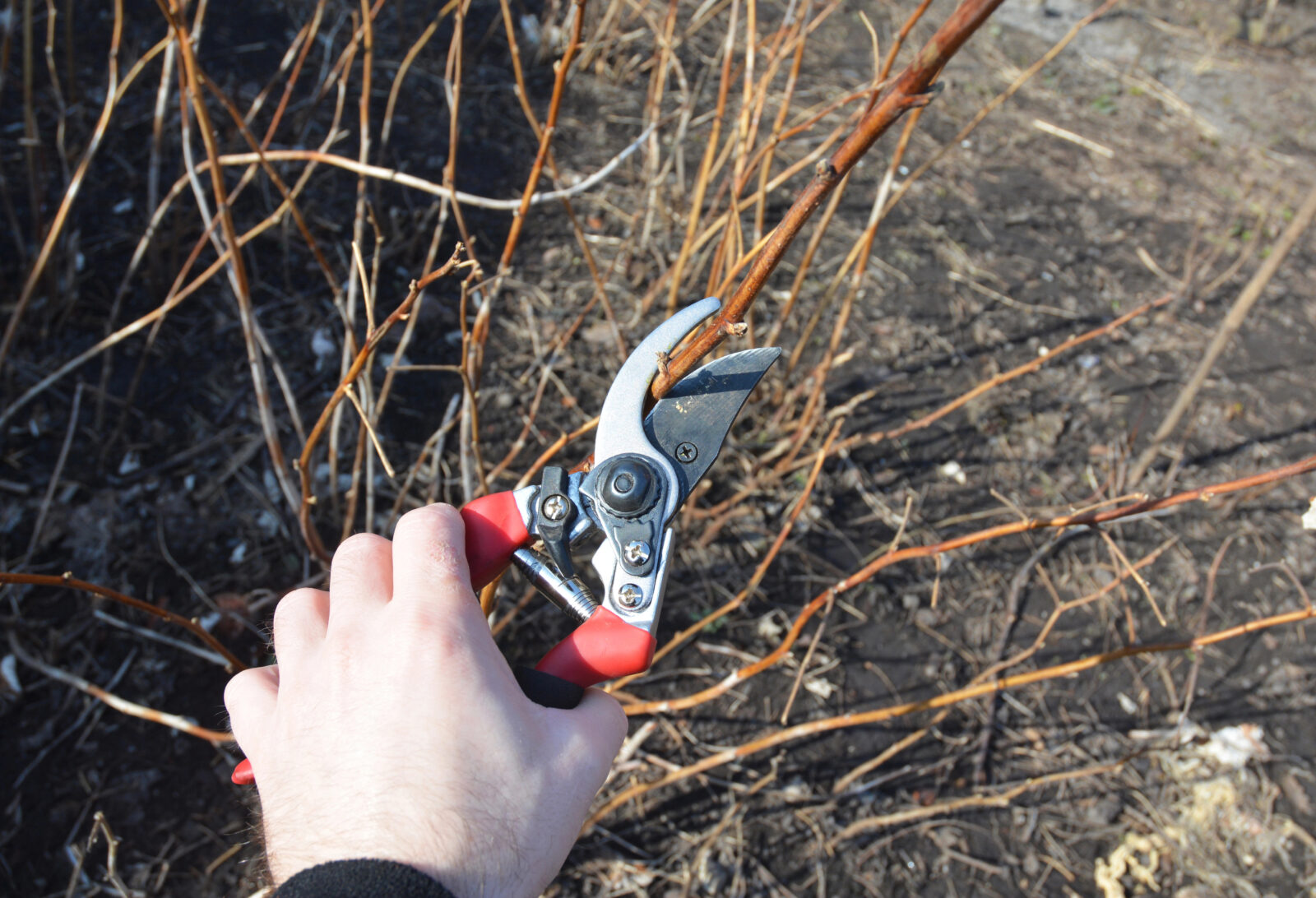
On older, well-established ornamental trees, you can remove some of the side growth in autumn. This kind of work highlights the trunk and often improves the overall look of the tree. Make cuts close to the trunk at the branch collar, and work only with sharp, clean tools. It’s best not to leave this job until late in the season.
Taller shrubs in windy positions can be vulnerable to strong gusts over winter. With species that have finer branches, it helps to reduce the height by about a third. Make the cut slightly angled just above a bud. The plant will be more stable and the risk of breakage will be lower.
During an autumn check of woody plants, it’s worth removing anything that’s dead, damaged or split. It doesn’t have to be major branches; often it’s enough to clip out small dead tips of shoots. This improves both plant health and appearance.
Prune smaller shrubs and climbers with restraint
With tender, warmth-loving shrubs such as lavender, it’s a good idea in early autumn to remove spent flowerheads and any dry, weak or damaged shoots. However, a harder cut back before winter is not recommended. It’s better to wait until late winter or very early spring, when there’s no longer a risk of frost damaging fresh cuts.
Climbing plants can quickly get out of hand without regular attention. Autumn is a good time mainly to rein in deciduous climbers. Shorten overly vigorous shoots and remove those pushing towards windows, the roof, gutters or other parts of the house. It’s not only about looks, but also preventing damage to the building.
Roses and overgrown shrubs call for a decision
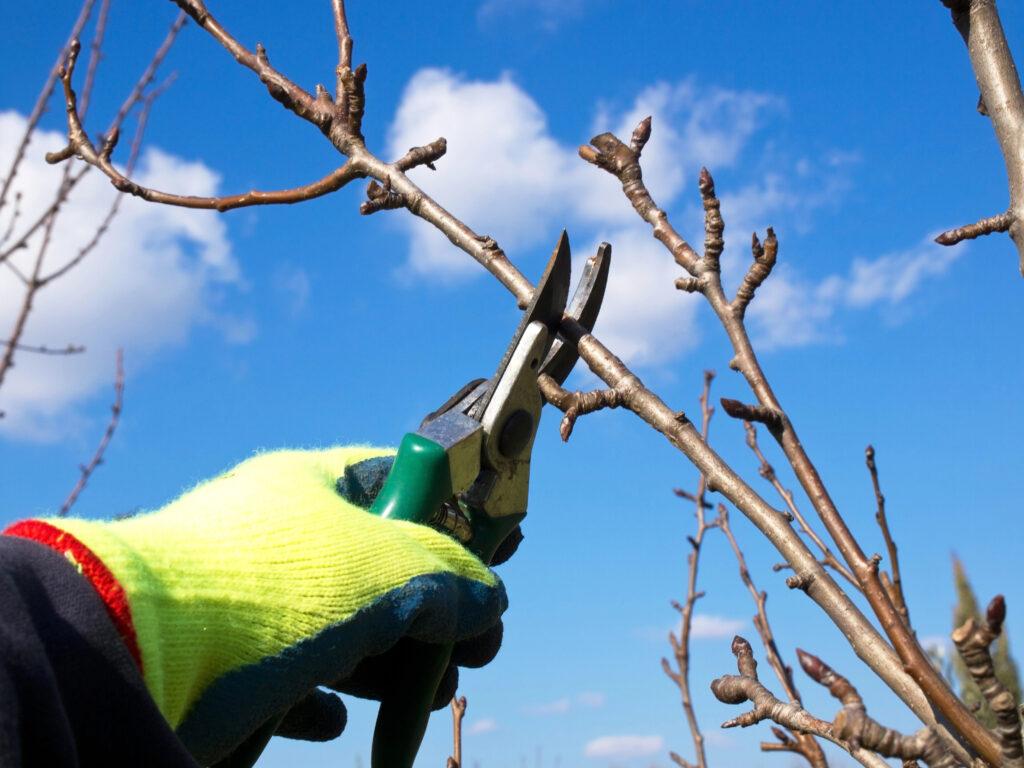
Climbing roses are worth tidying and training in autumn. Their side shoots can be shortened by roughly two thirds and then tied back to the support. With shrub and species roses, which can still make lush growth in early autumn, the longest stems are usually shortened by about a third to a half. This reduces wind damage and helps prevent the shrubs from splaying open.
Some shrubs eventually grow so large that even regular pruning isn’t enough. They take up too much space, cast too much shade, or drop so many leaves in autumn that they make maintenance difficult. In that situation, it’s often more practical to remove the plant and replace it with a species better suited to the spot. Autumn is an excellent time for that kind of change.
Autumn pruning should always be thoughtful, clean and tailored to the specific plant. Only then will it genuinely help, rather than causing unnecessary weakening before winter.
Source: Easy Garden Center, BBC Gardeners World, Garsons, Pestrazahrada.cz

A lover of nature, gardens, and everything that moves, blooms, or grows. He literally grows everything, from herbs to rare species, and he enjoys caring for animals just as much. In his work, he connects modern technology with tried-and-tested grandmotherly methods and is happy when both paths lead to the same goal.
Related articles
Ten Minutes in Autumn Decide Your Currant Crop
Currants crop best on younger wood, while old stems drain the plant and shade out productive new growth. A quick autumn prune keeps the bush open, healthy, and reliably fruitful next season.
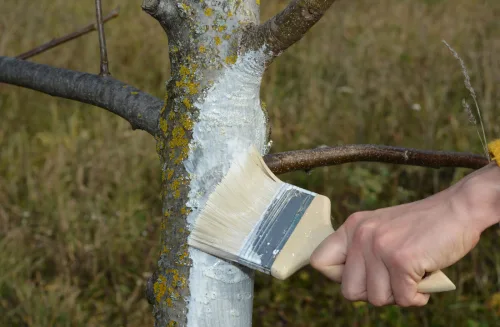
White Painted Trunks in Orchards Protect Trees from a Hidden Winter Threat
Whitewashing tree trunks in winter isn’t decoration. It helps prevent bark cracking caused by sharp day-to-night temperature swings and reduces the risk of disease entering through wounds.
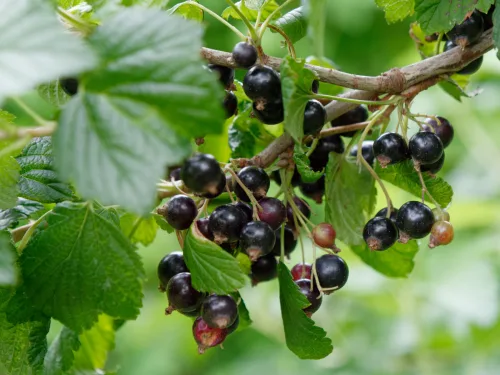
What to do for currant bushes in October so they’re loaded with fruit next year
October is the best time to set currant bushes up for a strong spring and a heavy crop. With the right pruning, protection and autumn feeding, you’ll encourage more flower buds and better winter hardiness.
Comments (0)
Be the first to comment.