
 English
  Polski
  Deutsch
  Nederlands
  Svenska
  Norsk
Norsk  Dansk
Dansk  Français
  Italiano
  Español
  Português
  Slovenčina
  Suomi
Suomi  Gaeilge
 How to Prune Currants Properly in Autumn The Key Rule to Avoid Losing Your Crop
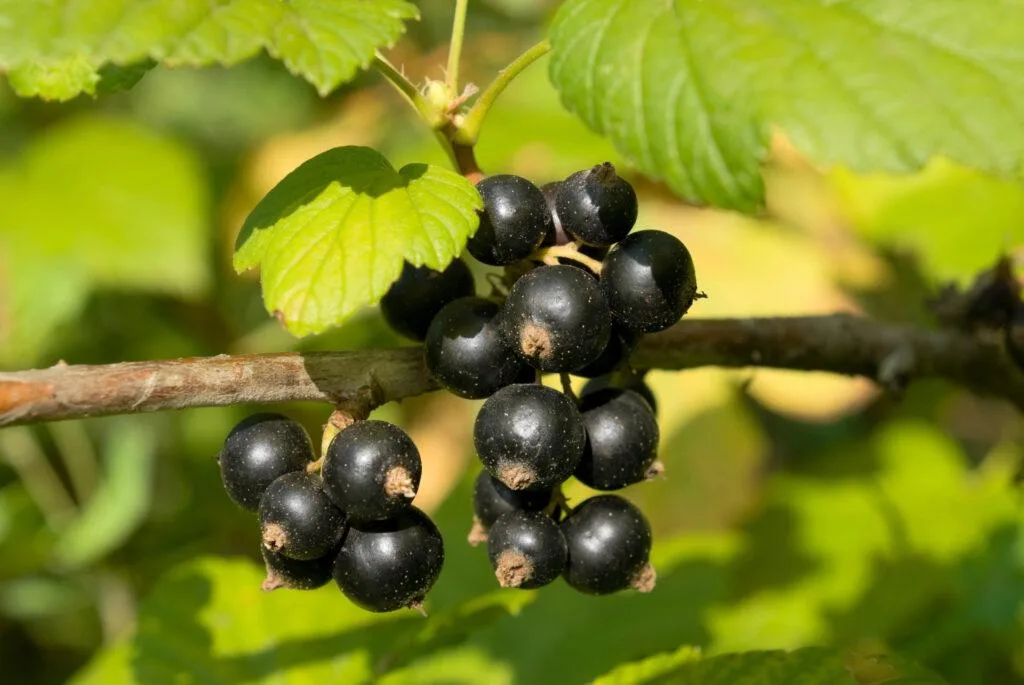
Autumn currant pruning isn’t a job you solve by simply removing all the old branches. Cutting back too hard can weaken the bush unnecessarily, it will overwinter worse, and the following season it often surprises you with fewer berries. The point of an autumn prune is mainly to recognise what’s draining the bush’s energy, what’s thickening it up, and which shoots have the best potential to carry next year’s crop.
The best time comes after leaf fall. The bush is easy to read, individual branches are clearly visible, and it’s much simpler to spot dead tips, damage, over-aged wood, and strong young shoots arising from the base.
Start with a санитарy prune and clearing out the bush
Before you start judging the age of branches, remove everything that is obviously unwanted. Out go dead and broken branches, shoots showing signs of disease or pest attack, branches lying on the ground, and also very weak, thin whips that usually won’t produce anything worthwhile anyway. It’s important to cut out shoots that grow into the centre of the bush as well, as they needlessly clog it up.
Even after this step, your currant will be more open. Light will get in better, the risk of mildew will drop, and you’ll also see more clearly which branches are worth keeping as the main framework.
Branch age and currant type are what matter
Blackcurrants need more regular renewal
On blackcurrants, older branches gradually lose productivity. They are often darker in colour, with rougher bark, tend to be heavily branched, and at the tips they produce only short new growth. These are exactly the branches to remove as close to the ground as possible so they don’t get in the way of young replacements.
Ideally, keep several strong young shoots that arise directly from the base as the future foundation of the bush. These then take over as the fruiting wood and keep the plant in good condition.
Prune red and white currants more gently
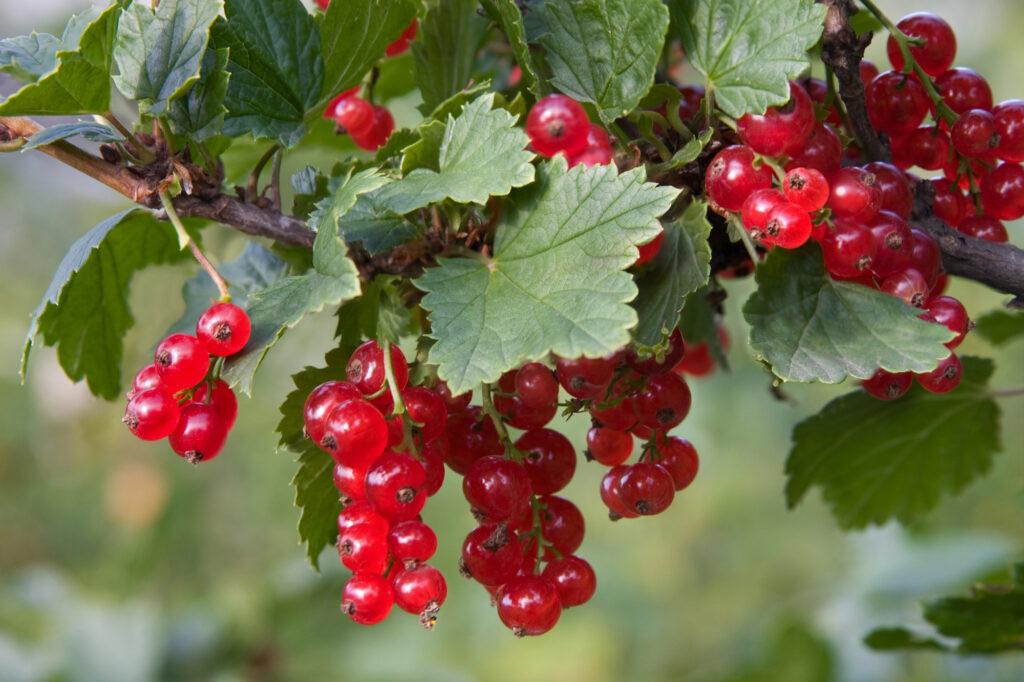
With red and white currants, the logic is different. Healthy older branches can fruit well for longer, so don’t remove them just because they’re several years old. You’d be needlessly taking away part of the yield the bush is still capable of producing.
Be cautious with one-year growth as well. Heavy shortening often means you remove part of the future fruiting points, limiting your crop before the new season even starts.
Don’t rejuvenate a neglected bush with one drastic cut
If you have a currant bush that hasn’t been properly pruned for several years, it’s usually full of old branches and impenetrable thickets. In that situation, the biggest mistake is trying to rejuvenate it all at once. The bush would lose too much wood, be weakened, and instead of a reliable crop it would be struggling to recover.
It’s safer to spread rejuvenation over two to three seasons. Each year, cut out only a portion of the oldest and weakest branches, while leaving enough healthy shoots of different ages. That way the bush will have wood to fruit on as well as wood to rebuild its framework.
What a currant should look like after correct pruning
The goal is not a bare, overly thinned-out bush. A well-managed currant should have several strong branches of different ages, with air able to move freely between them and light able to reach in. The centre shouldn’t be jammed with lots of thin whips crossing and rubbing against each other.
A good sign is when branches aren’t pressing into one another, young shoots have room to grow, and the whole bush looks naturally open. This also makes harvesting and later care much easier.
Sharp, clean tools are essential
Do your pruning with sharp, clean secateurs or a pruning saw. A clean cut heals better and doesn’t leave ragged wounds. If you come across a branch you suspect is diseased, it’s sensible to disinfect the tool before continuing so any infection isn’t spread to other bushes.
The most common mistake is over-enthusiasm in autumn
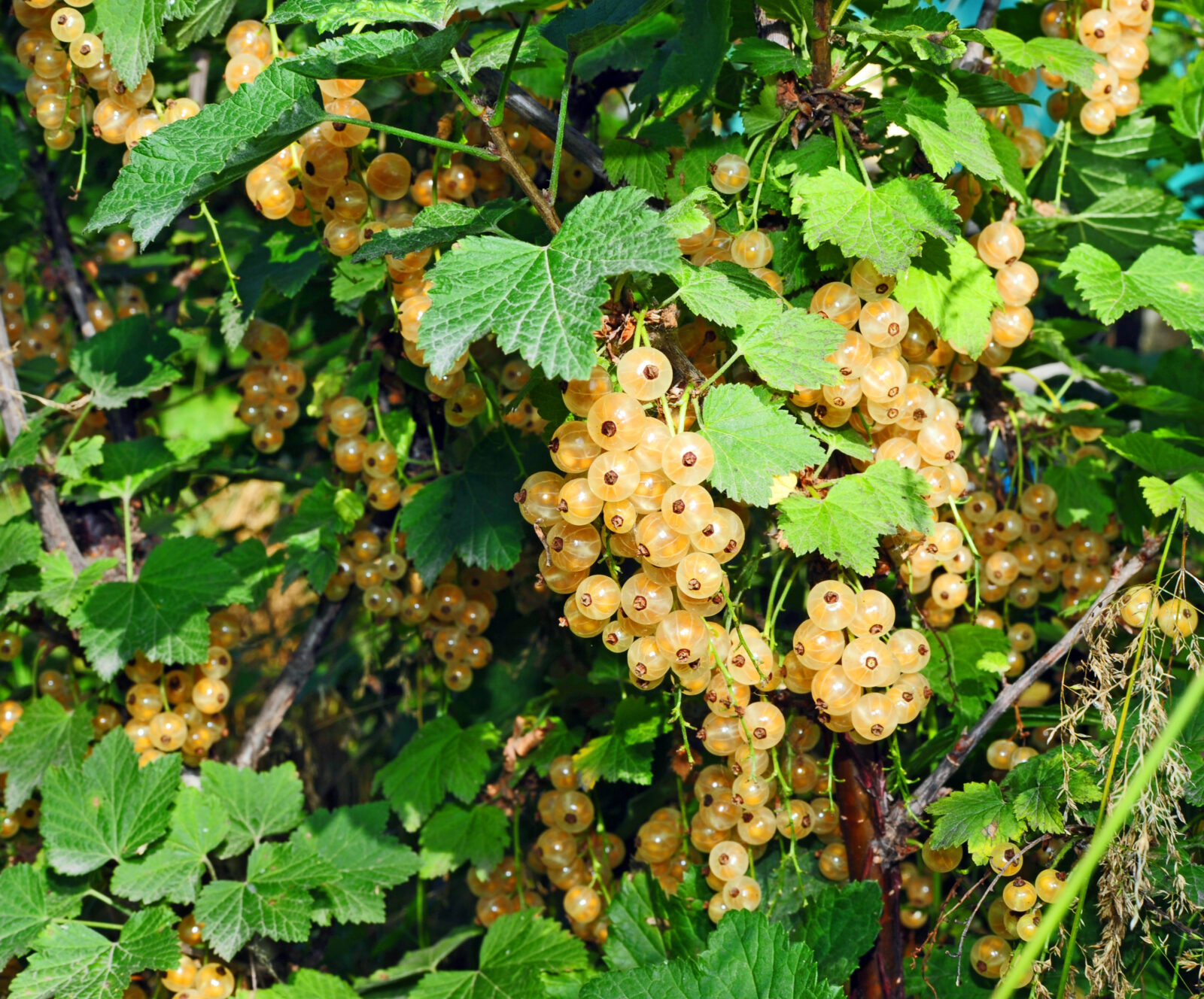
In autumn it’s easy to get the impression that the more old wood you remove, the more young shoots the bush will produce. In reality, though, an overly hard prune is a major strain on the plant going into winter. The bush may then waste energy on unnecessary regrowth or come through frost more poorly.
Start with санитарy pruning, then thin the bush moderately for light and air, and only at the very end remove truly old, low-yielding branches.
When you work step by step and with a clear plan, the currant keeps enough strength to overwinter, and in spring it can focus on healthy, promising shoots. The result is usually more even growth, fewer diseases, and most importantly a more reliable crop next season.
Source: To je nápad, , Gardener’s World, Pestrazahrada.cz

A lover of nature, gardens, and everything that moves, blooms, or grows. He literally grows everything, from herbs to rare species, and he enjoys caring for animals just as much. In his work, he connects modern technology with tried-and-tested grandmotherly methods and is happy when both paths lead to the same goal.
Related articles
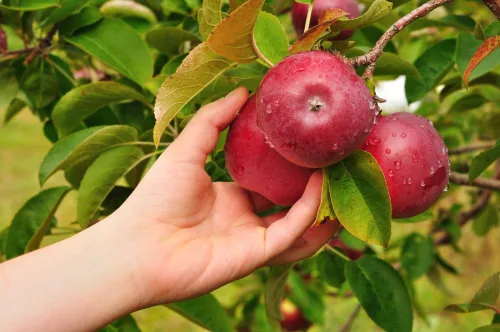
Picking Apples Without Mistakes Helps Keep Your Harvest Fresh and Rot-Free for Longer
How you handle apples at harvest has a huge impact on how long they keep. Gentle picking, careful sorting and the right storage conditions will help prevent rot and unnecessary losses.
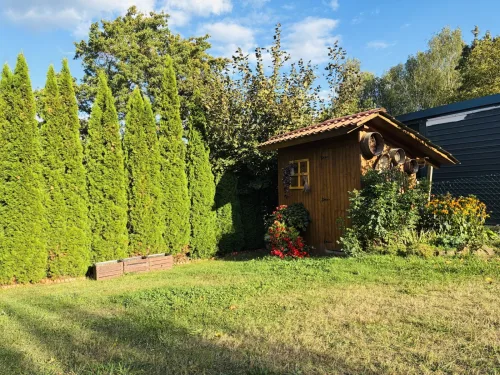
A Lawn Without Bare Patches Depends on Two Things People Rarely Mention
Sowing a lawn from seed is affordable and flexible, but success hinges on careful soil preparation, the right seed mix, and patient aftercare. Follow proven timing and sowing techniques to get a dense, even sward without bare patches.
September Pruning Can Be Fatal for Shrubs Leave These Types Alone
Early autumn can tempt you to tidy shrubs with the secateurs, but September pruning can trigger soft new growth, weaken plants for winter, and cost you next spring’s flowers. For many shrubs, waiting until after flowering or until spring is the safer choice.
Comments (0)
Be the first to comment.