
 English
 Polski
 Deutsch
 Nederlands
 Svenska
 Norsk
 Dansk
 Français
 Italiano
 Español
 Português
 Slovenčina
 Suomi
 Gaeilge
Autumn Grape Vine Pruning Shapes Next Year’s Harvest
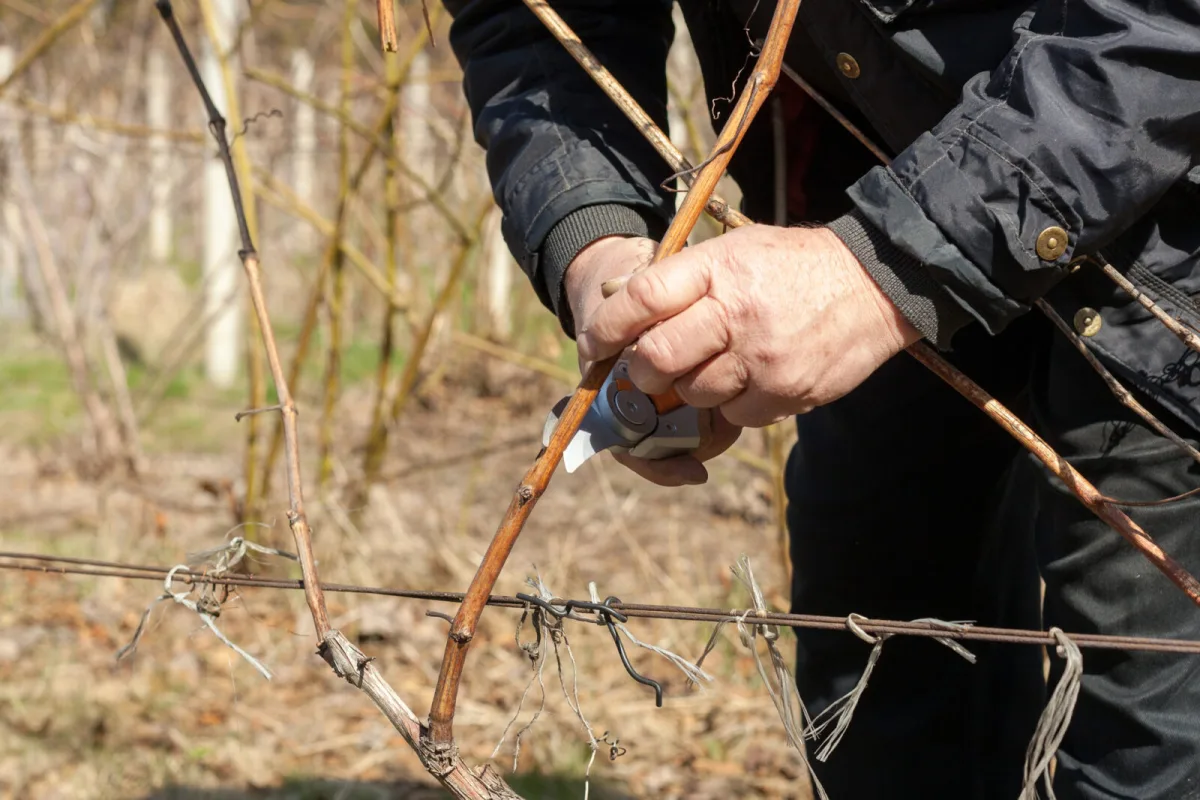
Autumn pruning is one of the most important tasks, with a major influence on how a grapevine will grow and crop next year. Many growers make the same mistake. Out of fear, they remove only a minimum of shoots and leave almost everything that grew over the season. In spring, the vine then produces a dense mass of leaves, it doesn’t ventilate well, and it fails to put its energy into quality bunches. The result is often smaller clusters and slower ripening.
The point of pruning isn’t to weaken the vine unnecessarily, but to select the shoots with the best potential for the next season. Correctly telling useful wood from excess growth is what decides the future crop and the plant’s overall condition.
When to start pruning
The best time comes after leaf fall, when the vine enters dormancy. At this point the shoots are usually better ripened, and it’s easier to see which parts are healthy and worth keeping. At the same time, don’t leave it too late so you’re not pruning in hard frosts. Frozen shoots are more brittle, crack more easily, and are harder to handle.
The exact timing varies by region and the season’s weather. The most important thing is to watch the plant itself. If the leaves are still hanging on and the wood hasn’t ripened properly, it’s better to wait a few days than to rush the cut.
What to remove first
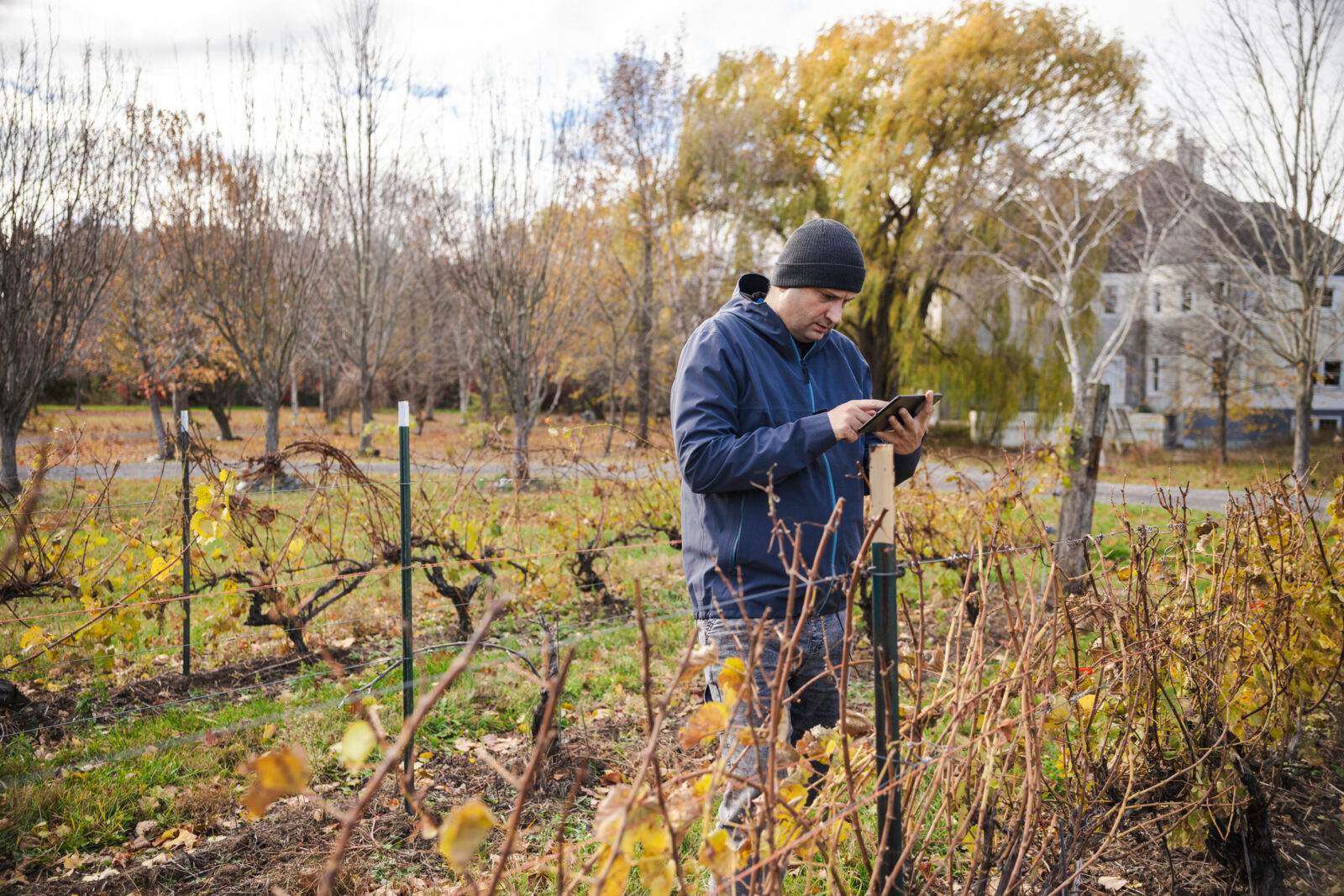
When pruning in autumn, start with what’s obviously unnecessary or harmful. First remove any dry, broken, damaged, or diseased shoots. These parts no longer benefit the plant and can become a source of further problems. If you see signs of disease on the prunings, don’t leave them lying under the vine.
Next, deal with weak and overly thin shoots. They usually ripen poorly, cope less well with winter, and won’t be as useful next season as stronger wood. Priority should go to sturdy, healthy, well-developed one-year canes.
It’s also worth removing green, unripened shoot tips. Mature vine wood is typically brownish and firmer, while soft green parts are prone to frost damage. As needed, thin out shoots that grow into the centre of the vine, cross over, or tangle with each other. The vine will then be easier to manage and better ventilated.
Which shoots should stay
For next year’s crop, the most valuable are well-ripened one-year shoots that grew in the season now ending. They should be healthy, sturdy, brownish, and with well-formed buds. A commonly quoted suitable thickness is about 6 to 12 millimetres, though it always depends on the variety and training system.
On a typically trained vine, a fruiting cane and a renewal spur are often left. The fruiting cane is a strong shoot that is usually shortened to 6 to 10 buds. From these, the new season’s shoots will grow and carry the crop. The renewal spur sits lower down and is usually cut back to 2 to 3 buds. Its job is to produce shoots for the following year, so you have wood to form the new fruiting part of the vine.
It’s better to keep fewer strong, well-placed shoots than lots of weak canes that only thicken the vine and drain it.
Don’t overdo the bud count
Leaving as many buds as possible may seem like the route to a bigger harvest, but it often leads to the opposite. An overloaded vine has to feed too many shoots, which can show up as smaller berries, poorer grape quality, and slower ripening. Instead of focused performance, the vine spreads its energy across far too much growth.
On the other hand, pruning too hard isn’t ideal either. Especially on young vines, in the first years correct shaping is more important than trying to force the biggest possible crop at all costs. The balance between growth and fruiting is crucial in grapes.
What to do after pruning
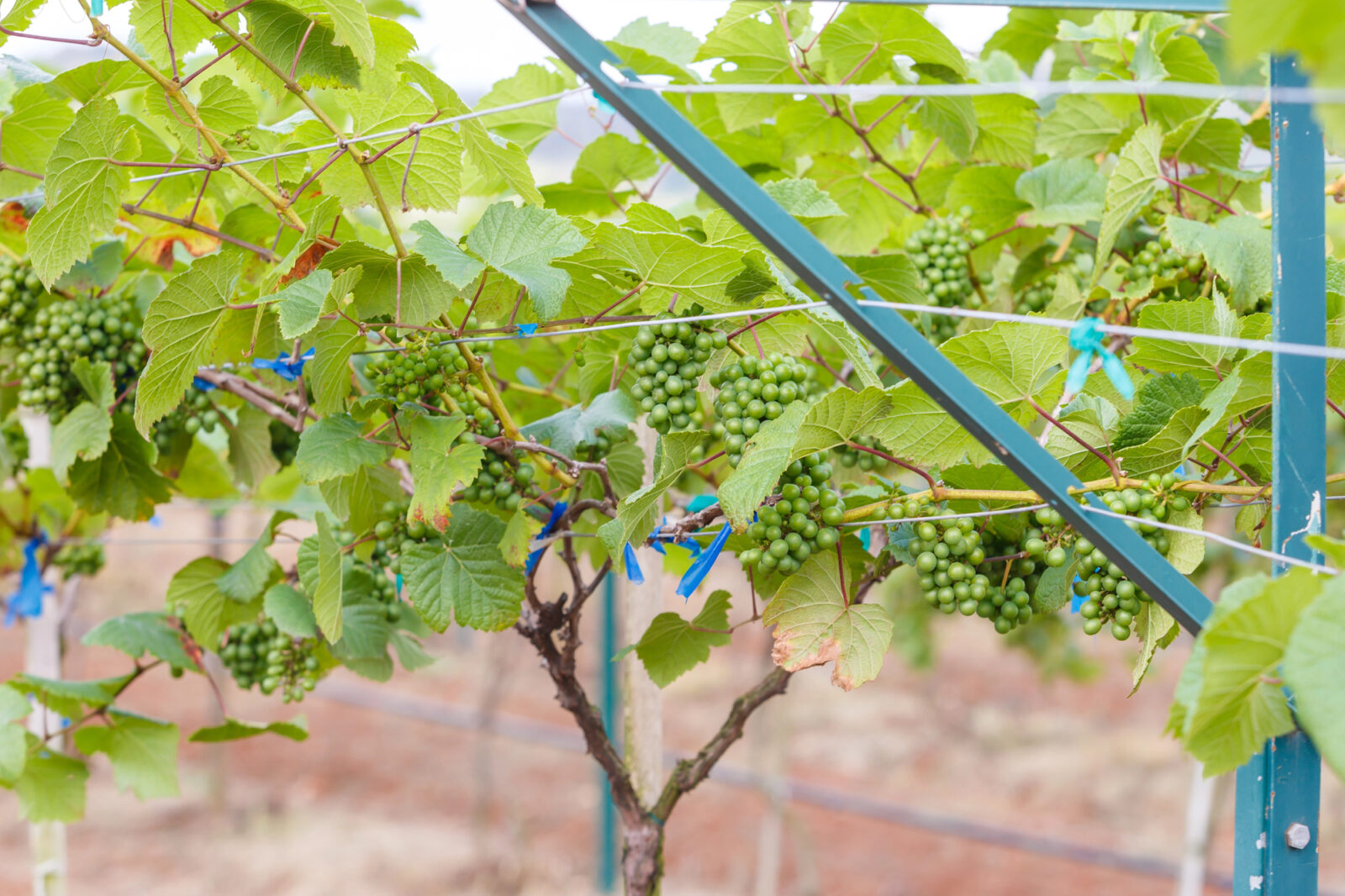
When you’ve finished, clear away all prunings from around the vine. Healthy material can be used in the garden as you see fit, but infected shoots should be disposed of so they don’t remain a source of infection. In cooler regions, you also need to think about winter protection for more tender varieties. The vine can be carefully released from its support, bent down to the ground, and protected from severe frosts as needed.
When covering, make sure moisture doesn’t get trapped under the protection unnecessarily. Waterlogging can be just as dangerous as frost itself. Proper autumn pruning isn’t just routine maintenance, but an important preparation for the next season. It helps keep the vine healthy, open, and capable of producing a high-quality crop.
Autumn or late winter?
Autumn pruning is a good choice mainly where you lay the vine down and cover it for winter, or in warmer areas with milder winters. In colder locations, late winter is still recommended as the main pruning time, meaning February to March.
If you prune in autumn, leave yourself a margin. Leave 2–3 extra buds on the fruiting canes beyond your target number, then do the final shortening in late winter. If some buds are killed by frost over winter, the vine will still have enough to break into growth and you won’t lose the crop. In frosts below −5 °C, postpone pruning, because frozen wood is brittle and cracks easily.
Source: VittiScribe, ScrubHub, Pestrazahrada.cz

A lover of nature, gardens, and everything that moves, blooms, or grows. He literally grows everything, from herbs to rare species, and he enjoys caring for animals just as much. In his work, he connects modern technology with tried-and-tested grandmotherly methods and is happy when both paths lead to the same goal.
Related articles
Five Shrubs Autumn Pruning Will Ruin Even After Flowering
Autumn tidy-ups can be tempting, but cutting the wrong shrubs now can remove next year’s flower buds. Learn which popular ornamentals should be left alone until after flowering or spring.
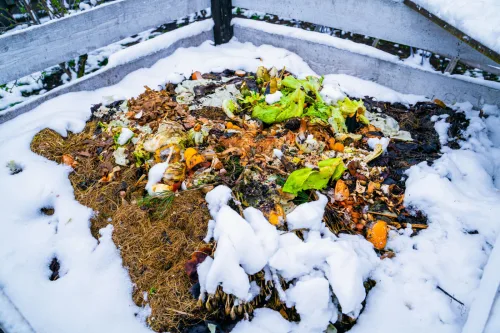
Your compost freezes in winter and you needn’t throw peelings away
Winter slows composting, but it doesn’t mean you have to stop. Use a lidded container near the back door to store kitchen scraps until the pile thaws and spring warmth restarts decomposition.
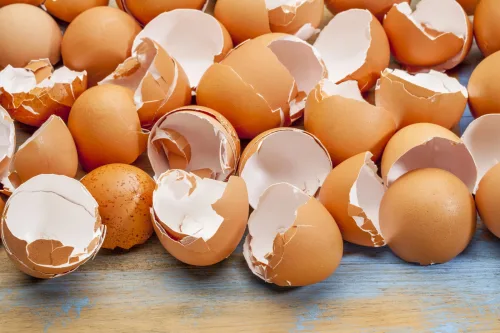
How to Turn Eggshells into Valuable Help for the Garden
Eggshells are a simple, free way to return calcium and minerals to your soil. Used correctly, they can support plant growth, gently reduce soil acidity, and even help deter some garden pests.
Comments (0)
Be the first to comment.