
 English
  Polski
  Deutsch
  Nederlands
  Svenska
  Norsk
Norsk  Dansk
Dansk  Français
  Italiano
  Español
  Português
  Slovenčina
  Suomi
Suomi  Gaeilge
 How to Harvest Rosemary Properly So It Stays Fragrant and Grows Year-Round
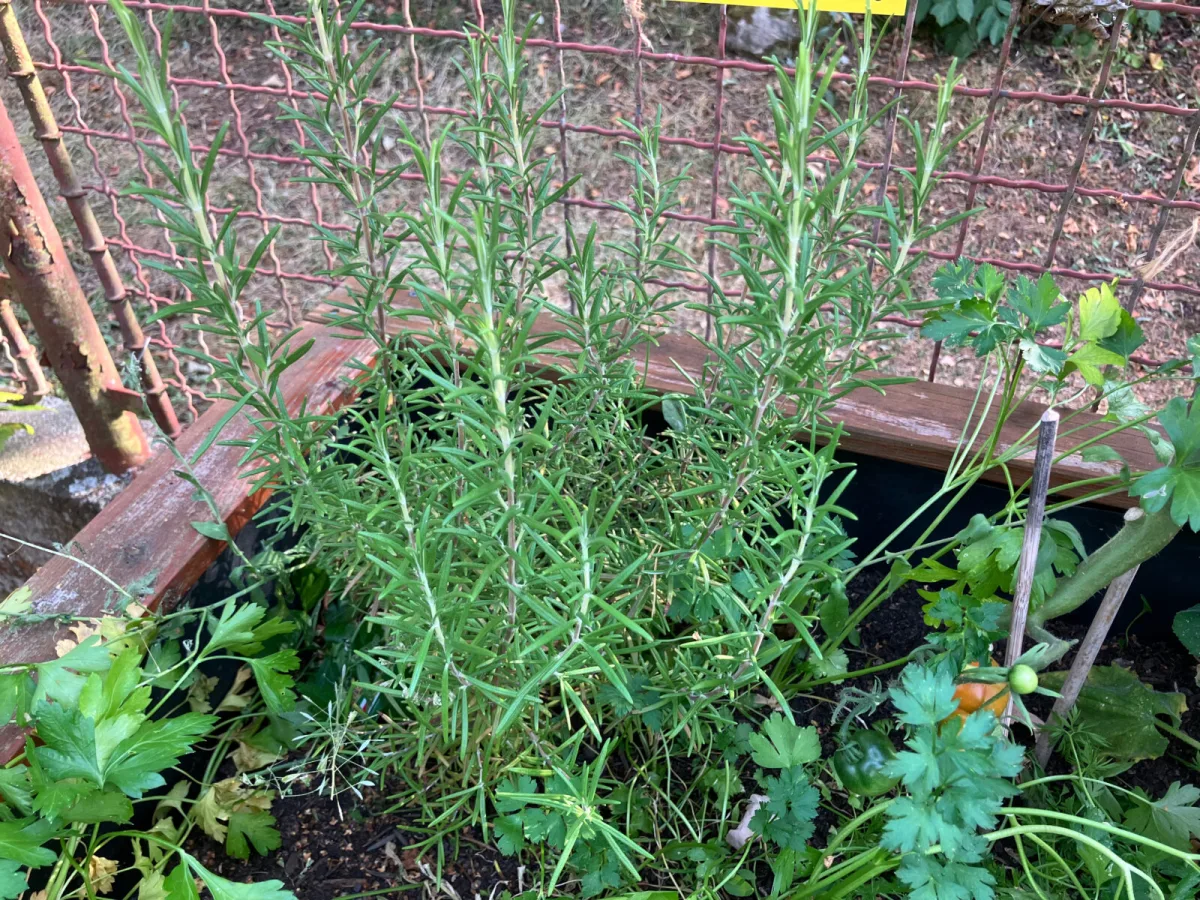
Rosemary is one of those classic Mediterranean herbs that easily earns its place in the kitchen. It has a bold fragrance, pairs beautifully with roast meats, fish, and vegetables, and is often used to season potatoes. The good news is that it isn’t a demanding plant. But if you want it to resprout repeatedly and thrive long term, it pays to harvest it in a way that doesn’t unnecessarily exhaust it and still leaves it with the strength to produce new growth.
Growing conditions determine both quality and the strength of the scent
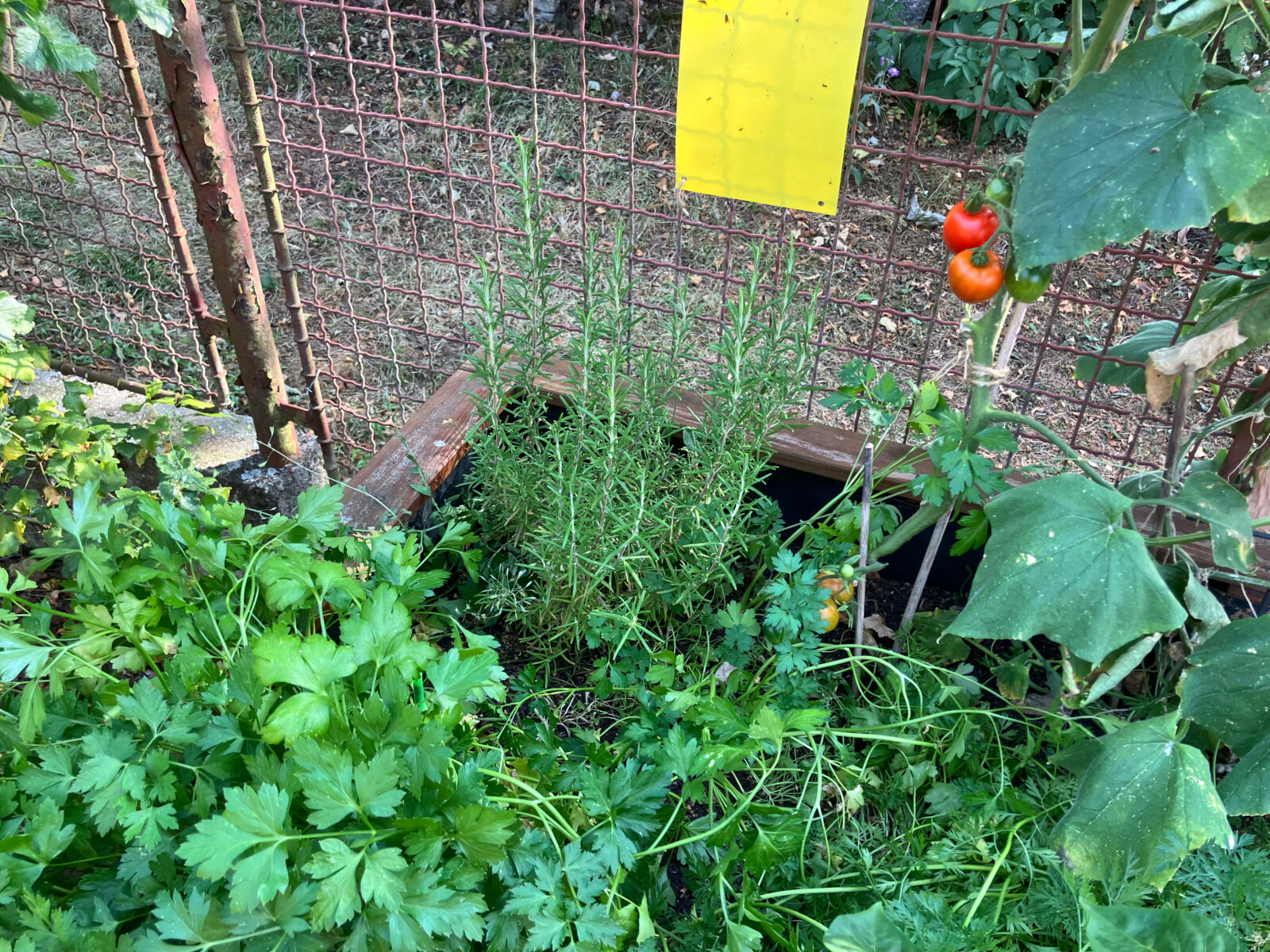
Rosemary does well in a pot indoors and outdoors in a garden bed. The key is as much sun as possible, ideally six to eight hours a day. The soil should be light and free-draining, because the plant can’t tolerate prolonged waterlogging. Watering should therefore be on the modest side, especially only when the compost has noticeably dried out. Rosemary loves warmth and appreciates shelter, as cold wind can damage it. It’s commonly propagated from cuttings, though you can grow it from seed too—it’s just a slower route.
When to harvest rosemary for the most intense flavour
In a mild climate, rosemary can be harvested practically year-round, as long as the plant isn’t weakened and has suitable conditions. The best time of day is usually later in the morning, once the dew has dried but before midday heat arrives. That’s when the aromatic compounds in the leaves tend to be at their best. Rosemary has its strongest flavour just before it flowers, so if you want the most fragrant sprigs for cooking or drying, focus on this period.
How to tell when the plant is ready and when it’s better to wait
With young plants, patience pays off. It’s better to start heavier harvesting only once the rosemary is well established and stronger—often not until the second growing season. The ideal shoots are those with a slightly woody base, while the tips remain green and flexible. You can also combine harvesting with shaping, because regular trimming encourages branching and a compact, bushy habit.
The right harvesting method so rosemary regrows quickly
Start by choosing only healthy, well-developed stems, ideally at least about 15 cm long. Cut with clean secateurs, making the cut just above a leaf node or where the shoot joins a thicker branch. This type of cut encourages new side shoots. Place the cut sprigs loosely so they don’t get crushed or heat up and sweat. After harvesting, inspect the plant and remove any damaged or diseased parts.
An important rule is not to take too much at once. If you want rosemary to keep getting stronger, don’t harvest more than roughly a third of the whole plant. With a gentle cut, it retains enough green growth to recover and can quickly produce new shoots.
How to store fresh sprigs so they last as long as possible
If you don’t use rosemary right away, you can keep it fresh in a few ways. A reliable method is to wrap the sprigs in a slightly damp paper towel and put them into a sealable bag or airtight container. In the fridge, they typically last up to two weeks. Another option is to stand the sprigs in a glass of water like a vase. To slow evaporation and keep the herb fresher, you can loosely cover the top with a bag. It’s best to change the water about once every two days so it stays clean and the rosemary doesn’t start to decline.
Drying rosemary in the air and in the oven
For longer storage, drying works well. For air-drying, tie sprigs into small bunches and hang them upside down in a warm, dry, well-ventilated place out of direct sunlight. Depending on conditions, drying takes about one to two weeks; the finished sprigs will be brittle and snap easily.
Oven-drying is faster. Set the oven to the lowest possible temperature, spread the sprigs on a baking tray, and dry for about two to four hours. Check progress regularly, ideally about every half hour. Keeping the oven door slightly ajar helps moisture escape, so drying is usually more even. Once fully dry, strip the needles from the stems by running your fingers along them, then store in an airtight container in a cool, dark place. With proper storage, rosemary can keep its aroma for up to a year.
Freezing as an alternative when you want to keep more fragrance
If you prefer a flavour as close as possible to fresh herb, you can also freeze rosemary. In the freezer, it typically keeps longer than in the fridge and often retains a stronger aroma than when dried. Whichever storage method you choose, the basics stay the same: harvest thoughtfully, don’t weaken the entire shrub, and prioritise healthy, well-matured shoots.
Source: Resprout, Gardenia, Pestrazahrada.cz

A lover of nature, gardens, and everything that moves, blooms, or grows. He literally grows everything, from herbs to rare species, and he enjoys caring for animals just as much. In his work, he connects modern technology with tried-and-tested grandmotherly methods and is happy when both paths lead to the same goal.
Related articles
Don’t Throw Away Pepper Plants After Harvest They Can Crop Again Next Year
Peppers aren’t just a one-season crop. With a simple overwintering routine, you can keep your plants alive indoors and enjoy earlier, heavier harvests next year.
Ten Minutes in Autumn Decide Your Currant Crop
Currants crop best on younger wood, while old stems drain the plant and shade out productive new growth. A quick autumn prune keeps the bush open, healthy, and reliably fruitful next season.
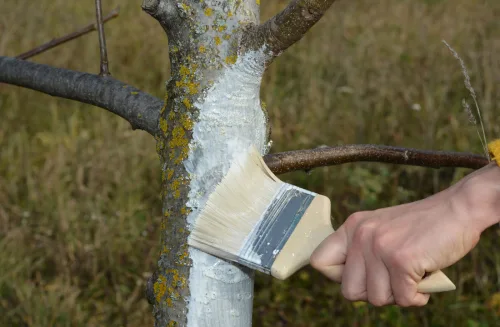
White Painted Trunks in Orchards Protect Trees from a Hidden Winter Threat
Whitewashing tree trunks in winter isn’t decoration. It helps prevent bark cracking caused by sharp day-to-night temperature swings and reduces the risk of disease entering through wounds.
Comments (0)
Be the first to comment.