
 English
 Polski
 Deutsch
 Nederlands
 Svenska
 Norsk
 Dansk
 Français
 Italiano
 Español
 Português
 Slovenčina
 Suomi
 Gaeilge
What to do for currant bushes in October so they’re loaded with fruit next year
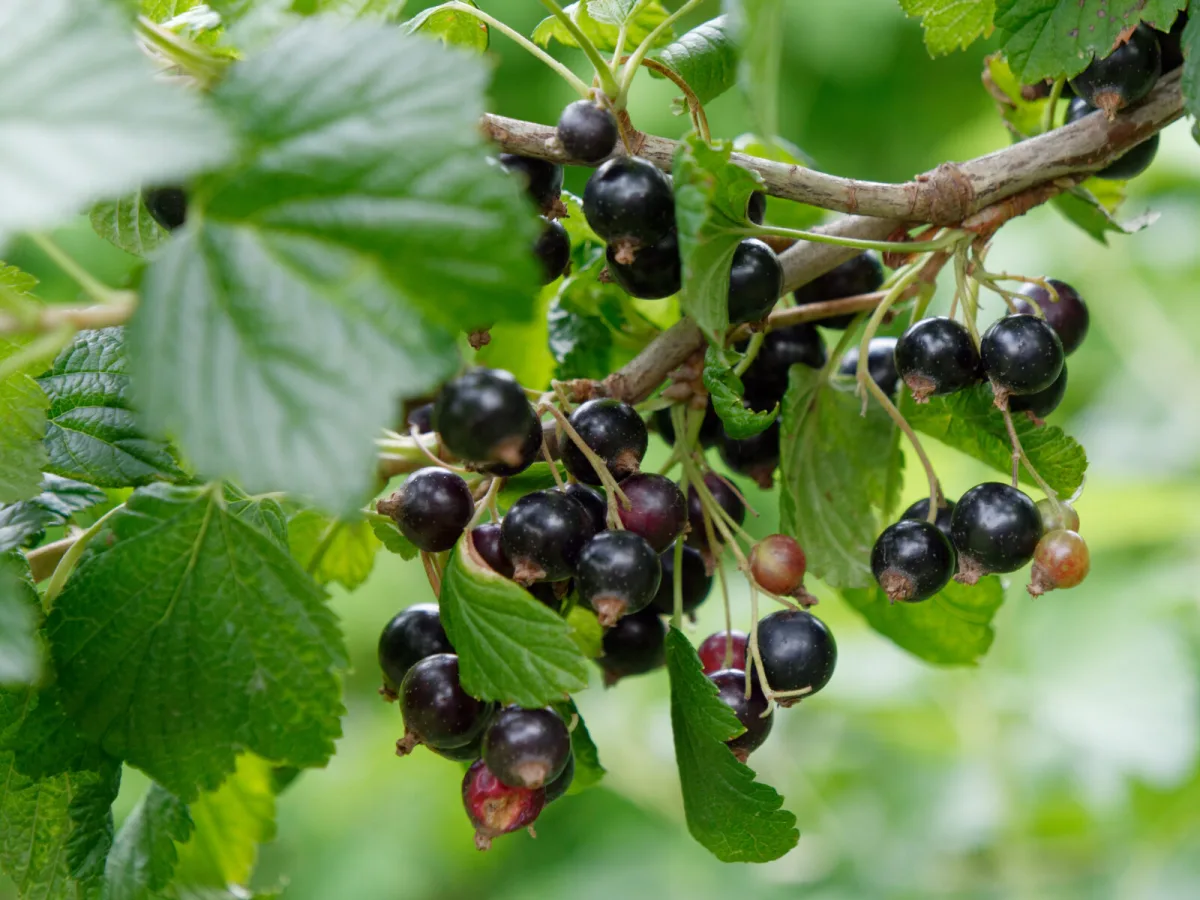
If you want your currants to set plenty of large, healthy fruit next season, it pays to start caring for the bushes in autumn. October is exactly the window when you can prepare plants for winter and for a strong spring start. It’s not enough to simply wait for warm weather. How much fruit the bushes produce is often decided right now.
Autumn aftercare has several parts. It includes pruning out old wood, protecting against pests and diseases, and applying the right fertiliser. When these steps are done on time and correctly, the bushes will be stronger, cope better with cold weather, and wake up faster in spring.
Why autumn care matters so much
After harvest, currants gradually store up energy for the following year. This is when they lay the foundations for the next crop, especially by forming flower buds. If the plant has enough nutrients and isn’t weakened by disease or over-aged shoots, it can crop far more heavily the next year. Neglected bushes, by contrast, often produce smaller berries and are more prone to frost damage.
So the point of autumn care isn’t just tidying the garden, but above all supporting plant health and productivity. A well-managed bush will cope with winter more easily and use its energy in spring to push new shoots and flower.
Pruning comes first
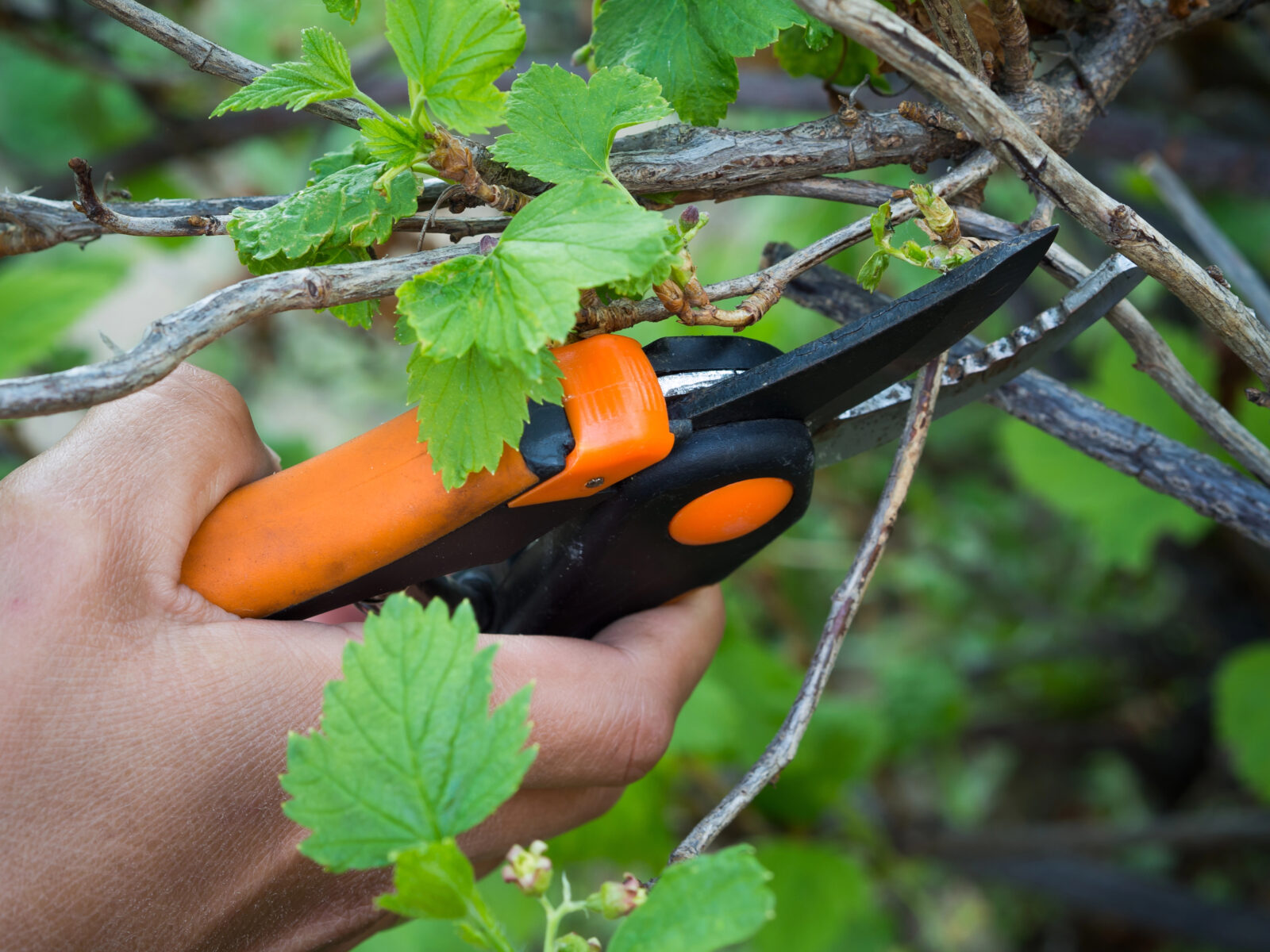
One of the basic steps is autumn pruning. It’s worth removing old, damaged or weak branches that no longer earn their keep. This makes room for younger shoots, which will be more productive in the future. The bush also takes on a more open shape.
Better airflow between the branches helps limit the spread of fungal diseases. Sunlight can reach deeper into the centre of the bush, keeping the plant in better condition. Regular pruning isn’t just about appearance; it’s an important part of prevention and of improving the crop.
Protection against diseases and pests
After pruning, it’s a good idea to focus on protecting the bushes as well. In autumn, disease spores or pests can linger on plants and otherwise overwinter without issue, multiplying again in spring. Timely treatment helps keep currants in good shape.
Depending on the condition of the plants, you can use an appropriate spray against fungal infections or harmful insects. It’s important to act before hard frosts arrive so the bushes go into winter as healthy as possible. A strong, unstressed plant will also cope better with harsh weather.
What fertiliser to apply under the bushes in October
Autumn feeding can be considered the key step. For currants at this time of year, fertilisers containing phosphorus and potassium are best, ideally topped up with magnesium as well. This combination supports the formation of flower buds that will become next season’s crop.
Phosphorus supports essential growth processes and potassium boosts overall resilience. Magnesium also helps with overwintering. Thanks to this, the bushes are more likely to get through the cold months without damage and grow strongly again in spring.
How much fertiliser to use and when
Apply the fertiliser no later than the end of October. Typically, one to two tablespoons per square metre of soil around the bush is enough. It’s important to work the nutrients into the soil so they don’t sit on the surface, then water thoroughly.
Watering after feeding helps the nutrients move down to the roots. This combination can significantly support bud formation and improve frost hardiness. If you want a truly generous harvest next year, this is one of the most effective autumn jobs.
You can use the same fertiliser elsewhere
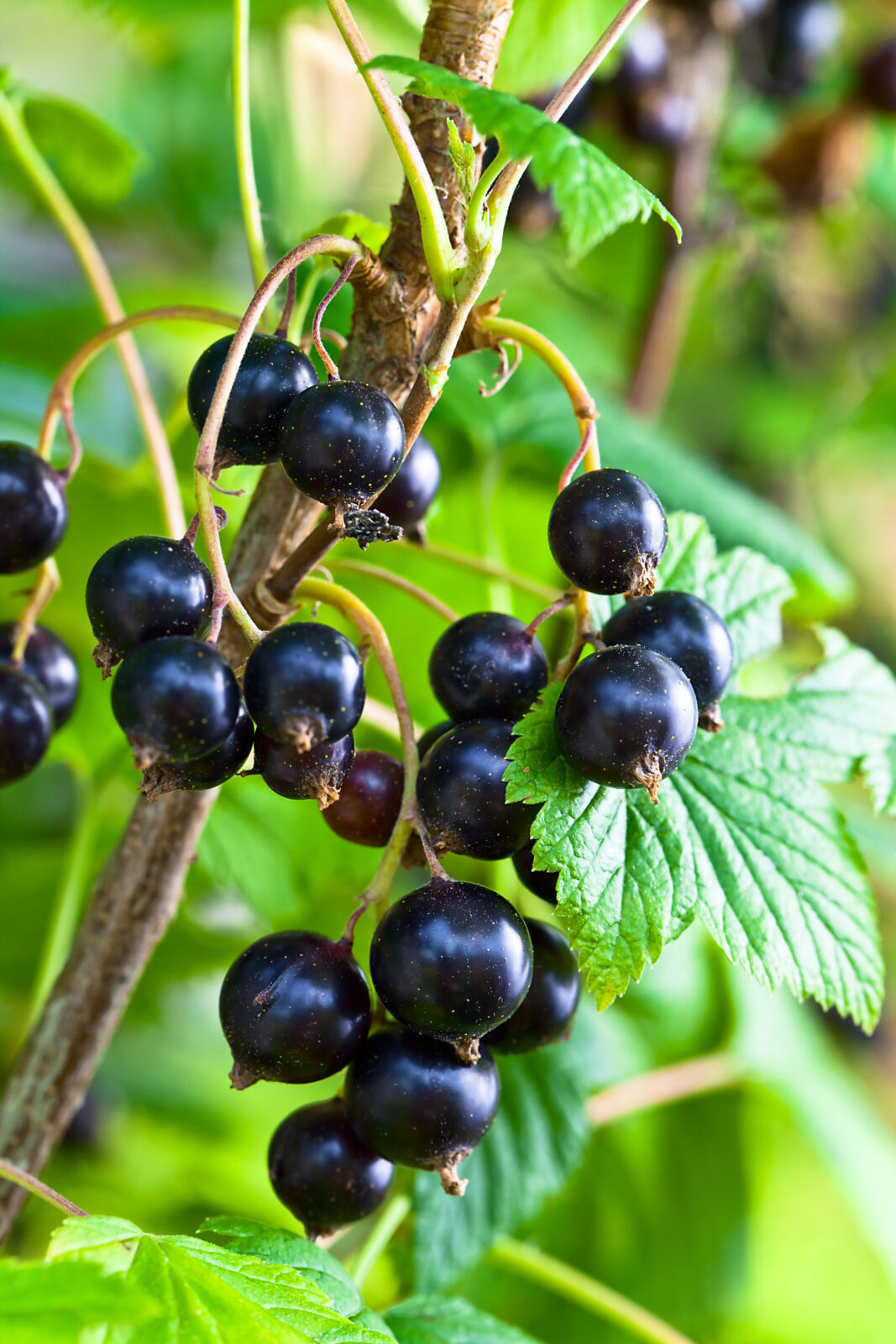
Phosphorus-and-potassium fertilisers aren’t only suitable for currants. They work just as well for other soft fruit bushes, fruit trees, and some ornamentals. So if you’re planning autumn care across the whole garden, it can be a very practical choice for several plants at once.
In spring, the autumn work pays off
Autumn care for currants isn’t complicated, but it should be done thoroughly. If you prune in time, protect the bushes from disease, and provide the right nutrients, they’ll reward you next year with strong growth and a heavy set of fruit. October is the ideal moment to lay the groundwork for a successful harvest.
Currants often fail to crop well because autumn care is neglected. Correct pruning, protection and phosphorus-and-potassium feeding can significantly increase both the quantity and the size of the fruit next season.
Don’t forget adequate watering after applying fertiliser and the overall preparation of the bushes for winter. The care you give them in autumn will show in full force in spring, and you’ll really notice the difference at harvest.
Source: Gardeners World, To je nápad, RHS, Pestrazahrada.cz

A lover of nature, gardens, and everything that moves, blooms, or grows. He literally grows everything, from herbs to rare species, and he enjoys caring for animals just as much. In his work, he connects modern technology with tried-and-tested grandmotherly methods and is happy when both paths lead to the same goal.
Related articles
Ten Minutes in Autumn Decide Your Currant Crop
Currants crop best on younger wood, while old stems drain the plant and shade out productive new growth. A quick autumn prune keeps the bush open, healthy, and reliably fruitful next season.
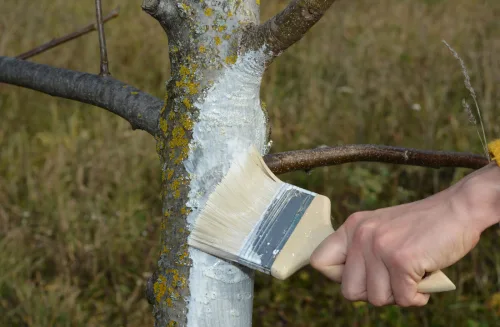
White Painted Trunks in Orchards Protect Trees from a Hidden Winter Threat
Whitewashing tree trunks in winter isn’t decoration. It helps prevent bark cracking caused by sharp day-to-night temperature swings and reduces the risk of disease entering through wounds.
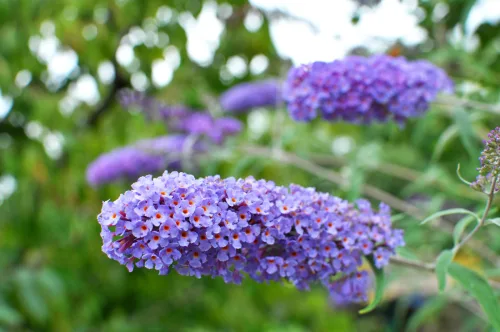
October care for butterfly bush encourages abundant flowering, good shape and safe overwintering
Butterfly bush (Buddleja davidii) benefits from a light autumn tidy-up, seedhead removal and a bit of root protection. These October steps help keep the shrub compact, limit self-seeding and improve its chances through winter.
Comments (0)
Be the first to comment.