
 English
 Polski
 Deutsch
 Nederlands
 Svenska
 Norsk
 Dansk
 Français
 Italiano
 Español
 Português
 Slovenčina
 Suomi
 Gaeilge
Fertilising the Lawn in Autumn Can Do More Harm Than Good
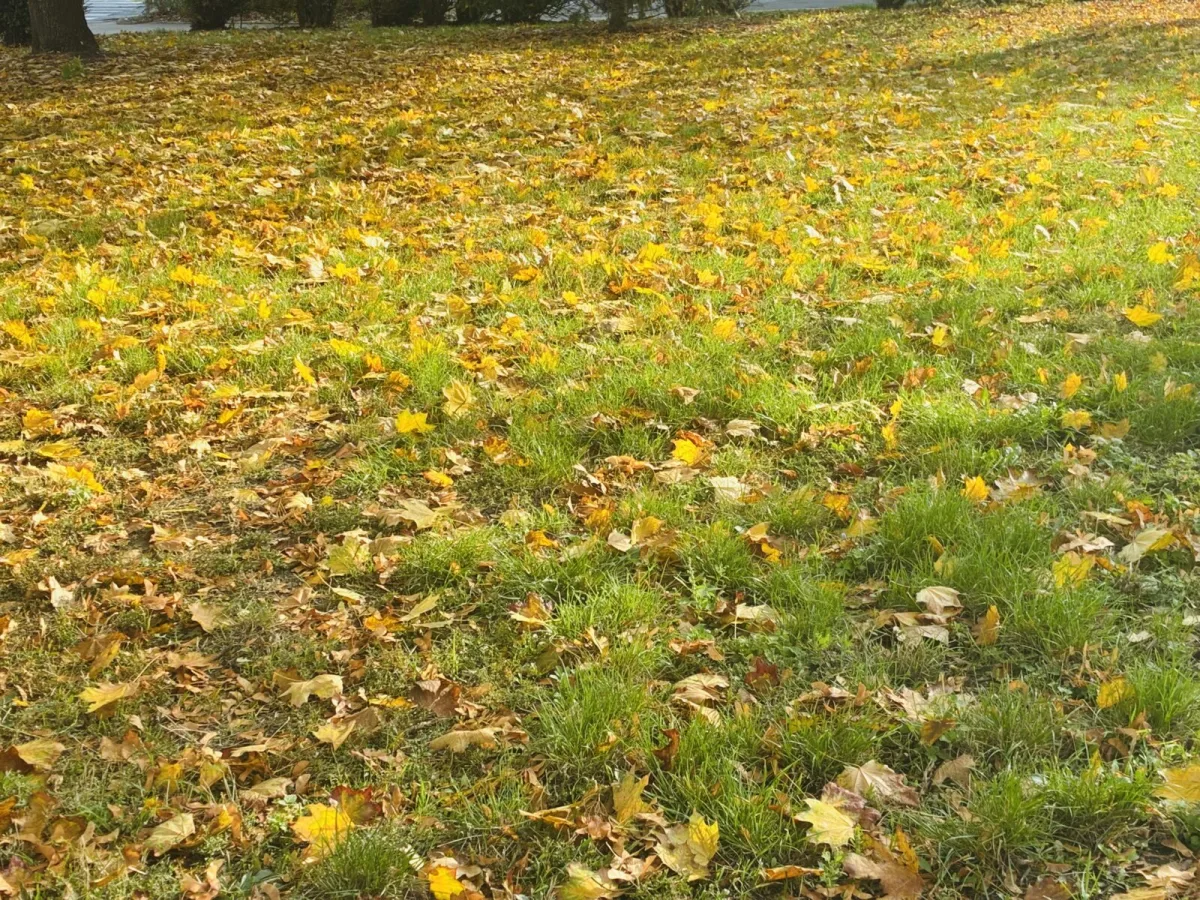
By late summer, a lawn is often tired. Drought, high temperatures and heavy use all take their toll. The start of autumn, however, brings conditions that support recovery. The soil is still warm, there is usually more moisture, and the grass has time to strengthen before winter. With a few simple interventions, the sward can bounce back and head into spring in much better condition.
Autumn maintenance is useful both for a traditional ornamental lawn and for more natural areas where there is room for wild flowers. You do not need to do everything every year. Even one or two well-chosen tasks in September and October can bring a visible difference the following year.
A lawn and a wildflower meadow need a different approach
If the goal is a dense green carpet, autumn is a good time for raking through, aeration, optional feeding, and repairing worn patches. If, on the other hand, part of the garden is moving towards a meadow with stronger biodiversity, it is better to limit interventions and tailor them so other plants can thrive alongside the grasses.
Autumn is also a great time to establish a new wildflower section. Seeds, plug plants and bulbs have a chance to root well and get off to a stronger start in spring. In an established meadow, the final cut of the season is often done now, and depending on the surface, a light aeration or raking out of dead material may follow.
Scarifying and raking out thatch
One of the most important autumn steps is removing the layer of dead debris, moss and other material that accumulates at the soil surface. This thatch restricts water and air from reaching the roots and can encourage disease. A simple clue is what you see when you look into the turf. If you can barely see any soil between the blades, the lawn is asking for attention.
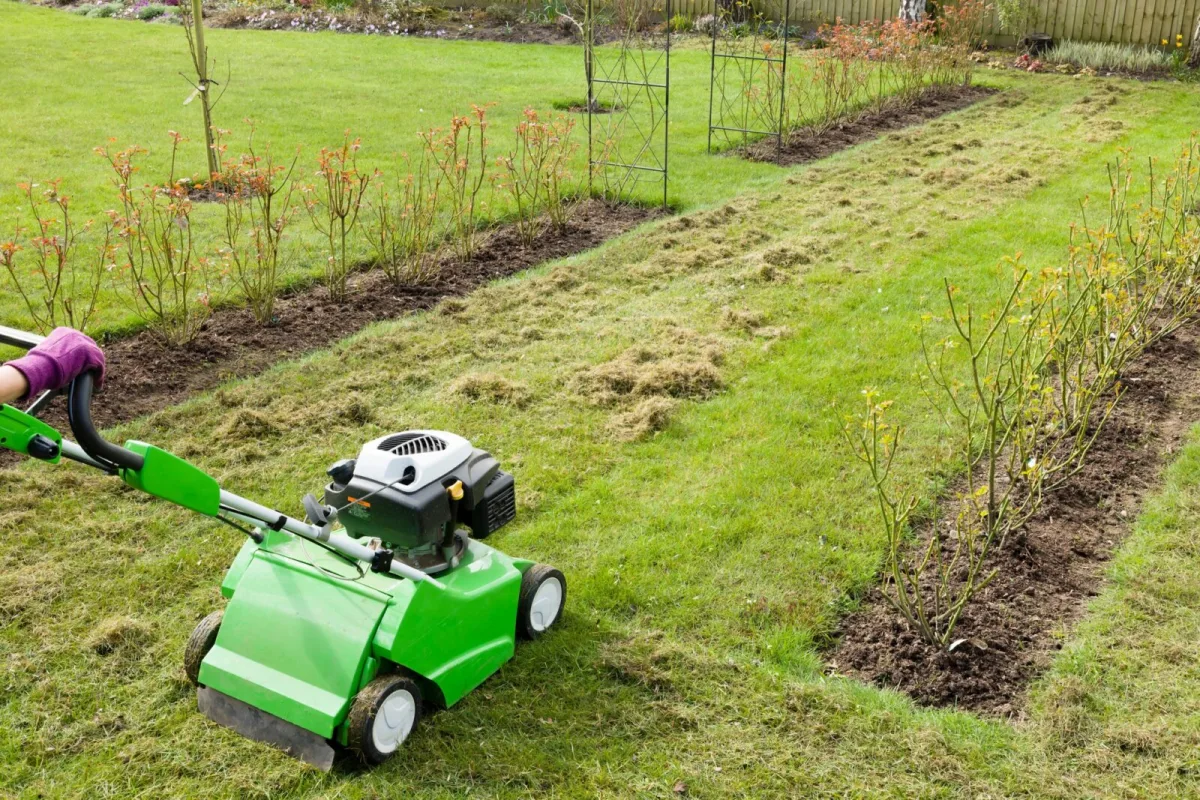
Smaller areas can be thoroughly raked with a spring-tine rake. Work energetically but with care, so you are not pulling out healthy grass. It is best to go over the area in one direction first and then at right angles to remove as much debris as possible. On larger lawns, a powered scarifier can make the job much easier. The raked-out material needs to be removed from the surface, for example to the compost.
Afterwards the lawn may look untidy and thin in places for a while. That is normal. Once it recovers, it will take up moisture better, breathe more easily, and in the longer term it will thicken up.
Aeration helps roots and improves drainage
Another useful measure is aeration, in other words spiking the lawn. The aim is to improve the movement of air and water in the root zone. This helps the turf cope better with both drought and waterlogging. Compacted or heavy soils gain a better ability to absorb moisture, and roots can spread more freely.
The simplest option is to use a garden fork. Make holes at regular intervals and as deep as possible. It helps to gently rock the fork to widen the hole so it does not close up immediately when you pull it out. On large areas you do not have to treat everything at once. You can prioritise the most heavily used spots.
On clay soils or sites that stay wet for long periods, a hollow-tine aerator often works better, as it removes small cores of soil. This relieves compaction more effectively and creates space for improved penetration of air and moisture.
Topdressing improves the structure of heavy soil
After aeration, you can follow with brushing a fine mix into the holes, known as topdressing. It is used mainly where soil is heavy and poorly draining. The mix helps improve soil structure, supports rooting, and gradually leads to a denser sward.
A typical blend combines sandy loam, sharp sand and a well-rotted organic component, such as mature compost or a soil improver. Spread a light amount and work it into the holes with a stiff brush or the back of a rake. It should not sit on the surface in a thick layer. The goal is not to bury the grass, but to subtly improve the soil profile.
When autumn feeding makes sense
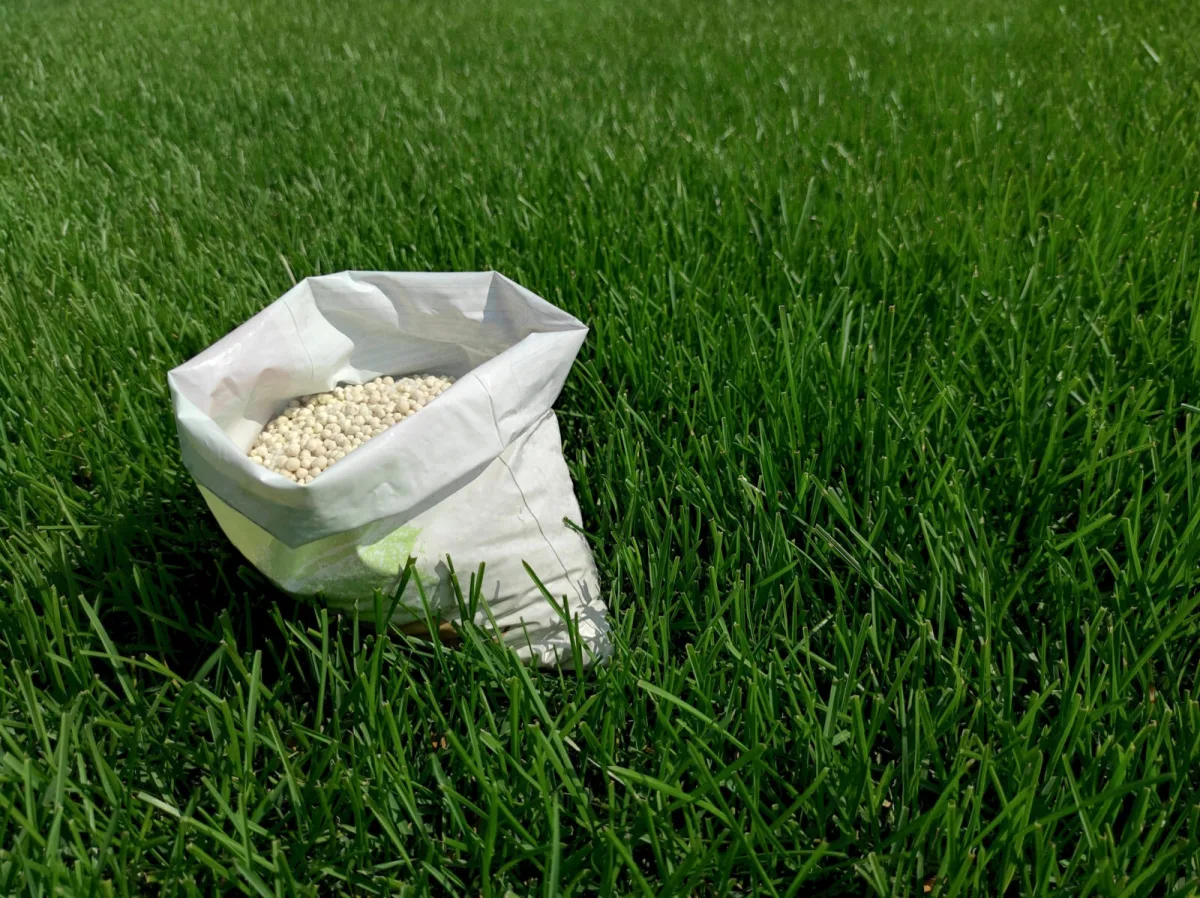
Many lawns recover after summer without any added nutrients. But if the turf is weak, pale or lagging, an autumn fertiliser made specifically for this time of year can help. These products are designed to support roots and overall resilience, not a flush of soft, lush growth.
Before reaching for fertiliser, it is sensible to know the condition of your soil. A soil test can show pH and identify deficiencies in specific nutrients. That makes it much easier to choose the right formulation. Standard lawn feeds contain nitrogen, phosphorus and potassium, and the balance should match what your lawn is actually lacking.
Too much fertiliser can damage a lawn. Excess nutrients change conditions in the soil and can lead to scorch, yellowing or browning.
It is best to apply fertiliser evenly and sparingly. Timing it ahead of expected rain is ideal; otherwise water the area after application. It also helps to water the lawn the day before. Early morning is safer than midday heat. For naturalistic lawns and areas with wild species, feeding is generally not appropriate.
Repairing bare patches and uneven ground
Autumn is also ideal for repairing damaged areas. Bare patches can appear after drought, disease, wear from pets, or pest damage. At this time of year you can overseed the affected spots or replace them with new pieces of turf. At the same time, you can level small hollows and lumpy unevenness that spoil the look and make mowing harder.
It is also important to tidy up lawn edges. Crisp edging often makes the difference between an area that looks merely cut and one that looks properly maintained. Repairs carried out in autumn have the advantage that the grass still has time to root, but it is no longer under summer stress.
The most common autumn problems
In autumn, moss is a frequent issue, as it thrives in damp, poorly drained lawns. Some people tolerate its look or even welcome it; others dislike it. If the aim is to reduce moss, raking out thatch, improving drainage and aerating the soil will help.
Fungal diseases can also show up at this time of year, because the combination of warmth and moisture suits them. It is worth watching for suspicious patches, rusting or rings in the grass, while also keeping the turf in good condition, as a healthy lawn is more resistant. In some gardens, pest larvae that damage roots can be a problem too. Early action at the start of autumn can help limit bigger damage next season.
How to make the work easier and avoid doing more harm than good
The most important thing is not to overdo it. A lawn usually does not need every possible treatment every year. It is far better to assess its condition and focus on what is truly missing. In one place, raking may be the fix; elsewhere, aeration or local overseeding will make more sense. Feeding only has a purpose when it is genuinely needed.
Autumn care is not about looking perfect for a few weeks, but about preparing for the whole of next year. When the work is done in good time and with common sense, the reward is a thicker, healthier and tougher sward that gets going in spring with noticeably more vigour.
Source: The Spruce, Rhs , Pestrazahrada.cz

A nurse by profession, she is passionate about healthy living, nature, and everything that benefits both people and the world around them. In her free time, she enjoys gardening, cooking, sewing, and caring for her family. In her articles, she loves combining professional expertise with practical experience from the garden and everyday life.
Related articles
Five Shrubs Autumn Pruning Will Ruin Even After Flowering
Autumn tidy-ups can be tempting, but cutting the wrong shrubs now can remove next year’s flower buds. Learn which popular ornamentals should be left alone until after flowering or spring.
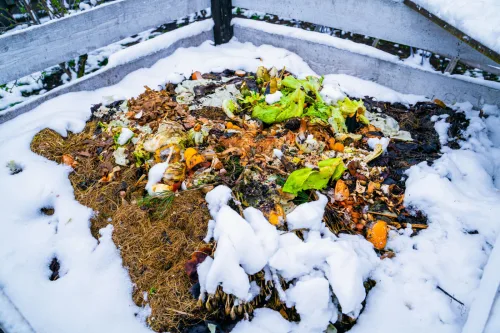
Your compost freezes in winter and you needn’t throw peelings away
Winter slows composting, but it doesn’t mean you have to stop. Use a lidded container near the back door to store kitchen scraps until the pile thaws and spring warmth restarts decomposition.
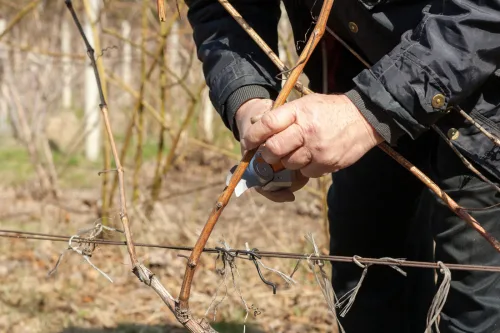
Autumn Grape Vine Pruning Shapes Next Year’s Harvest
Autumn pruning is one of the key jobs that determines how well your grapevine will grow and crop next season. The most common mistake is leaving too much wood, which leads to a dense canopy and smaller, slower-ripening bunches.
Comments (0)
Be the first to comment.