
 English
  Polski
  Deutsch
  Nederlands
  Svenska
  Norsk
Norsk  Dansk
Dansk  Français
  Italiano
  Español
  Português
  Slovenčina
  Suomi
Suomi  Gaeilge
 Don’t throw these flowers away after they finish blooming
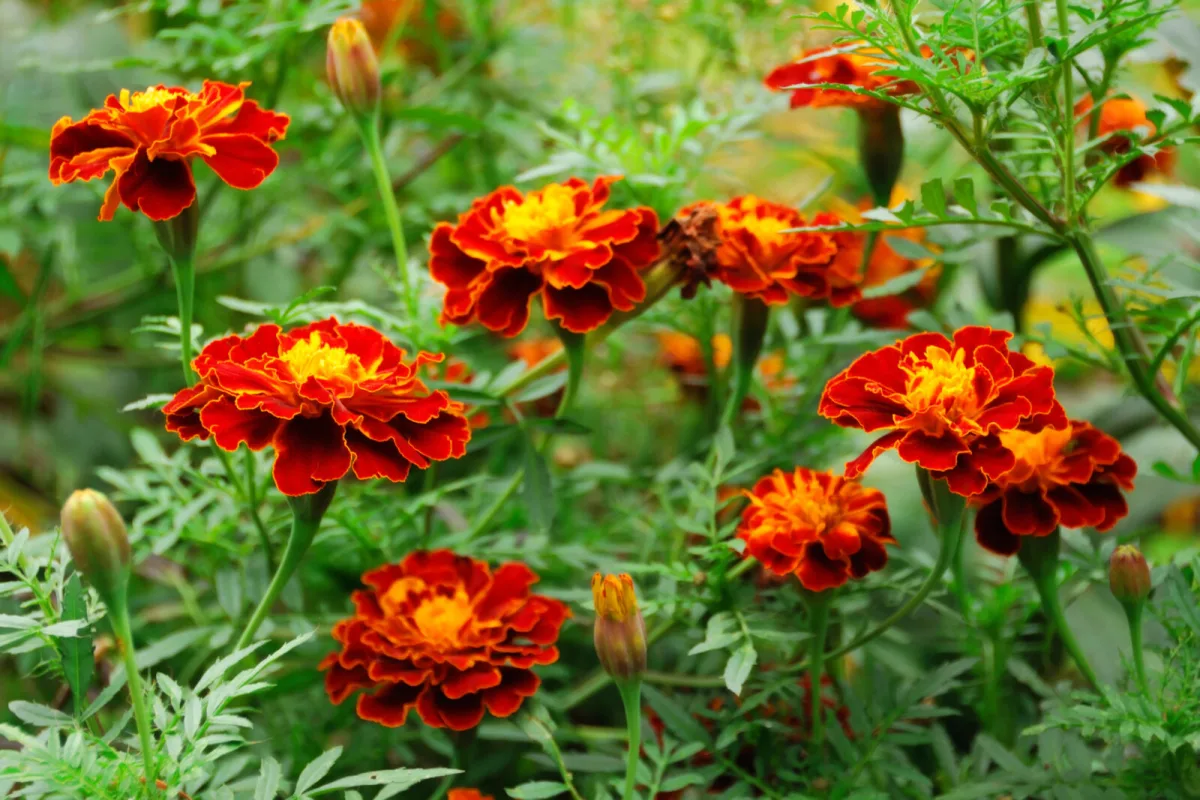
When marigolds (Tagetes) lose their flowers at the end of summer and into autumn, many gardeners pull them out without a second thought and haul them off as waste. That’s an unnecessary loss. If the plants are healthy, they can be genuinely useful after flowering. In the garden they become valuable organic material that benefits the soil and next year’s crops.
Plant leftovers don’t need to be disposed of straight away. Stems, leaves and dried flower heads can be handled in a few simple ways. It mainly depends on the condition of your marigolds and whether they were affected during the season by disease or rot.
Compost as the first and easiest option
One of the most practical solutions is to add spent marigolds to the compost heap. Healthy plant material breaks down well and can enrich the compost with extra organic matter. It’s best to cut or chop the stems and leaves into smaller pieces first, because finer material decomposes faster and more evenly.
Prepared this way, the leftovers can be mixed with other garden trimmings, fallen leaves and a little soil. You’ll get a balanced mix that will gradually mature into good-quality compost. Autumn is ideal for this use, because more biological material naturally builds up in the garden at this time of year.
Digging them straight into beds
Another easy option is to use marigolds right where they grew, or move them to cleared beds after you’ve harvested vegetables. Chopped plants can be lightly worked into the soil, where they’ll start to decompose through autumn and winter. This returns organic matter to the ground and improves soil structure.
The key is not to leave a thick layer of whole, fresh stems on the bed. It’s far better to break the plants into small pieces, spread them evenly and lightly cover them in the top layer of soil. This approach works more efficiently and won’t load the bed with coarse material.
Mulch that protects the soil
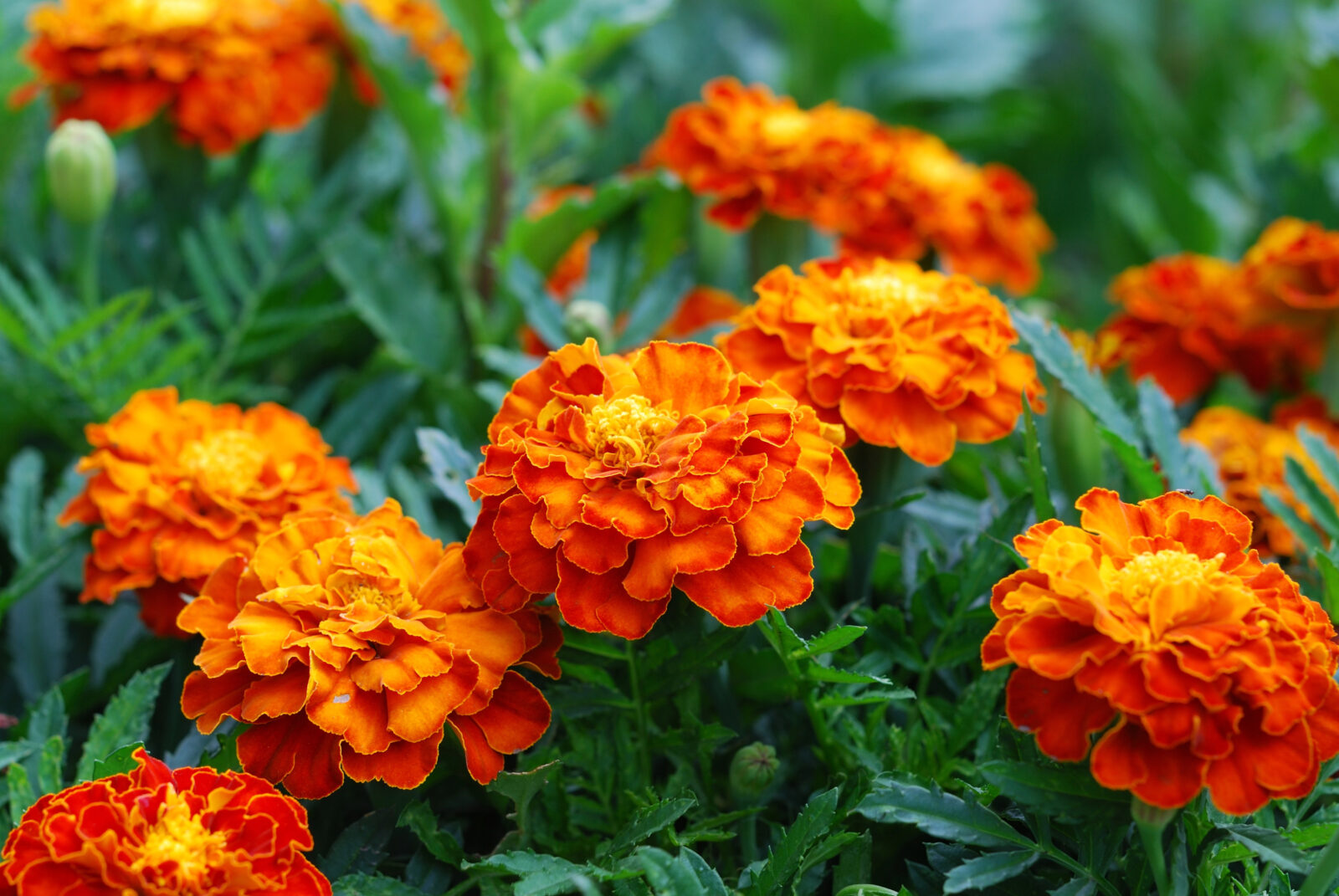
Slightly dried marigolds can also be used as a simple mulch. Chopped or broken pieces are ideal spread beneath shrubs, trees, or on bare areas of the garden. A layer of plant material helps cover the soil surface, reduces drying out, and also protects it from sudden weather swings.
Over time, this mulch breaks down and naturally enriches the soil. In spring you can remove what’s left, or work it into the soil. If you leave it in place, it will continue to decompose depending on the amount of material and conditions in your garden.
Saving your own seed for next year
Spent marigolds can be valuable for another reason, too. From the best-looking, fully mature flowers you can easily save seed for the next season. That means you don’t have to buy new seed every spring. Just choose a few healthy flower heads and let them dry thoroughly.
Once they’re dry, gently remove the seeds and let them finish drying in a dry place. Then store them in a paper envelope and label at least the flower colour or the specific variety. In spring you’ll know exactly what you’re sowing.
Watch out for hybrid varieties
When saving your own seed, it’s worth keeping one important thing in mind. If you grew hybrid marigolds, plants raised from seed may not match the originals. They can differ in colour, size and flower shape. Anyone who wants to preserve the exact characteristics of a particular variety is better off using purchased seed.
It’s worth saving seed from healthy plants, but with hybrids the offspring may not match the original look.
It’s best to discard diseased plants
Not all marigolds are suitable for reuse. If you saw mildew, rot, or other significant damage during the season, it’s not sensible to add them to a standard compost heap or bury them in beds. Those leftovers could pose a risk for future growing.
That’s why it always pays to check the condition of the plants first. Healthy specimens are highly valuable in autumn, while infected plants are best removed separately and not allowed to circulate around the garden.
In autumn they can be even more useful than in summer
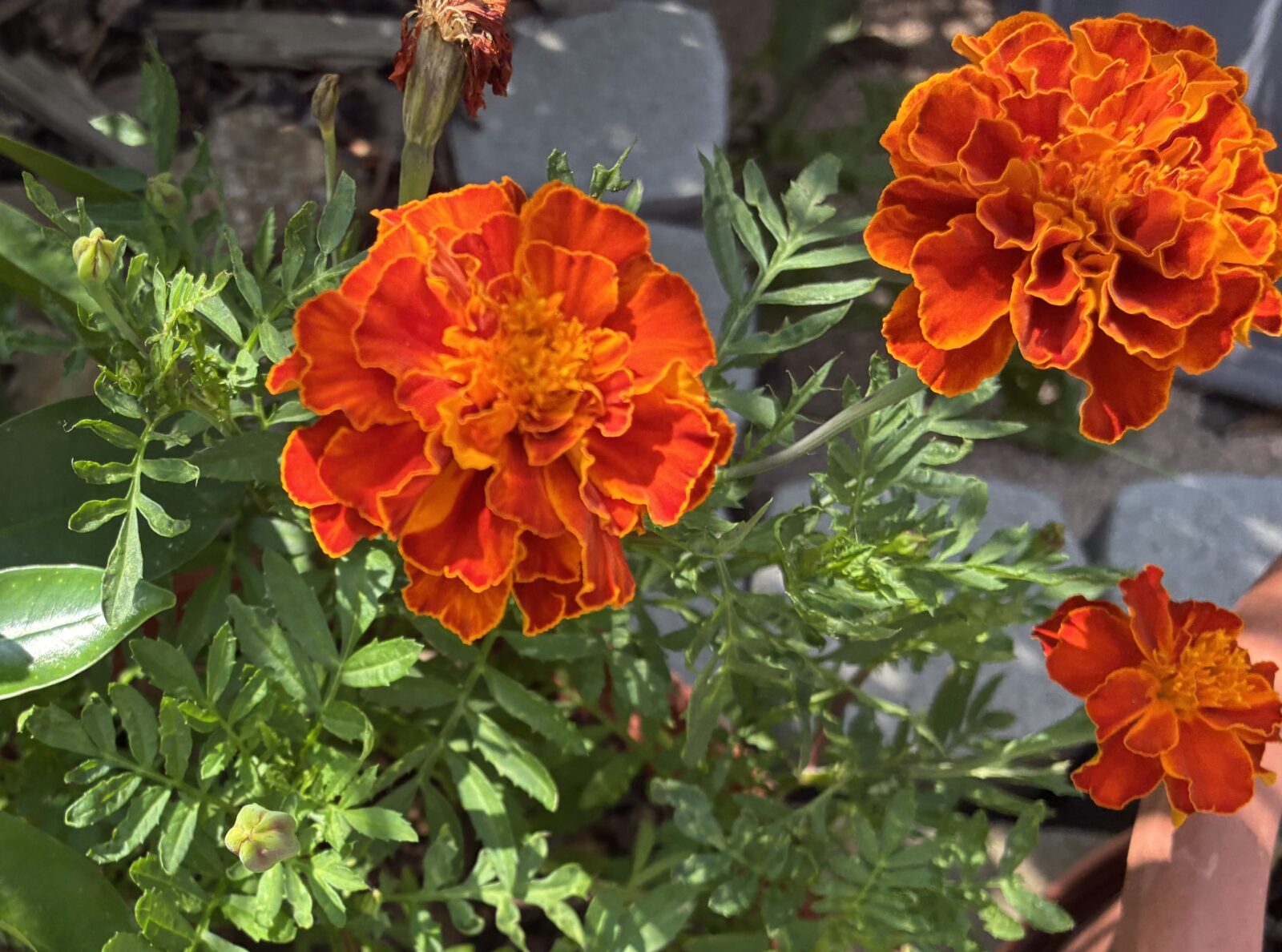
So marigolds certainly don’t have to end up as waste after they finish blooming. From a single healthy plant you can get material for compost, natural mulch, and seed for next year. What brightened the bed in summer can keep helping the soil in autumn and support the next season.
Before you automatically pull them up and throw them away, it’s worth pausing and thinking through how else you can use them. During the autumn garden tidy-up, this can be a very simple, practical way to make full use of what you already have.
Source: The Spruce, GrowVeg, To je nápad, Pestrazahrada.cz

A lover of nature, gardens, and everything that moves, blooms, or grows. He literally grows everything, from herbs to rare species, and he enjoys caring for animals just as much. In his work, he connects modern technology with tried-and-tested grandmotherly methods and is happy when both paths lead to the same goal.
Related articles
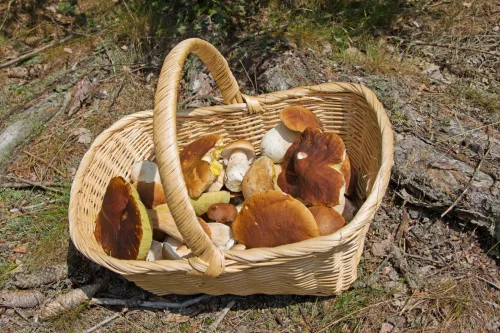
How to Preserve Mushrooms in Their Own Juices So They Keep Well and Taste Natural
Preserving mushrooms in their own juices is a simple, time-tested way to keep the true woodland flavour for winter. The key is a two-day, double heat process that greatly improves shelf life without vinegar or oil.
In September, One Simple Step Decides Whether Your Christmas Cactus Blooms in Winter
With Christmas cactus, winter flowering isn’t mainly about watering or feeding—it’s about uninterrupted darkness after dusk. Start in September to trigger bud set and enjoy a full display in December.
A Simple Trick to Help Geraniums Survive Winter Without Water or Soil
Store geraniums bare-root in a cardboard box over winter—no watering, no pots, and hardly any space needed. With the right cool, frost-free spot, they’ll wake up quickly in spring and flower strongly again.
Comments (0)
Be the first to comment.