
 English
 Polski
 Deutsch
 Nederlands
 Svenska
 Norsk
 Dansk
 Français
 Italiano
 Español
 Português
 Slovenčina
 Suomi
 Gaeilge
When autumn liming of soil makes sense and how it helps vegetable beds in the garden
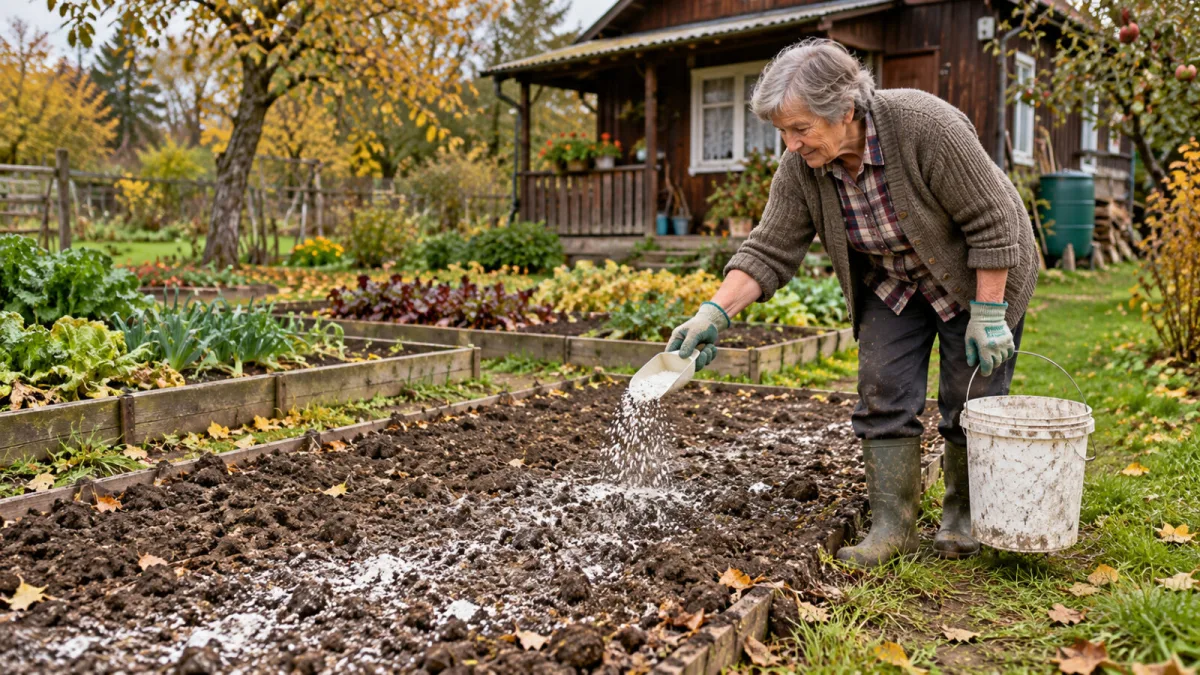
Autumn is often the right time for gardeners to turn their attention back to improving the soil after the main season ends. One frequently recommended step is liming the beds, especially where vegetables are grown. Done correctly, it can make a real difference to soil condition and, in turn, plant vigour the following year. It isn’t a one-size-fits-all job for every garden, though. It matters most when the soil is heavy or too acidic.
What benefits liming can bring
Properly carried out liming supports the overall development of crops and helps improve conditions in the soil. It’s also credited with a disinfecting effect, which is particularly important where disease problems keep recurring. For this purpose, ground limestone is commonly used, and it’s the material most often relied on in garden practice.
Its role isn’t only about supplying calcium. What matters most is that it helps adjust the soil reaction. If the soil is too acidic, many food crops won’t perform as well as they could. Roots take up nutrients less efficiently, plants are weaker, and they’re more prone to issues during growth.
When liming is truly appropriate
Before you get started, it’s worth considering whether your soil actually needs it. Liming makes sense mainly on heavier, more acidic soils. Certain weeds that keep showing up can also point to overly acidic conditions. Typical indicators include horsetail or bindweed. A heavier presence of these can hint that the soil conditions aren’t ideal for growing vegetables.
In acidic soil, nutrient use is often reduced, and at the same time the risk of certain diseases and specific problems in brassicas increases.
One problem that can appear in such conditions is clubroot in brassicas. That’s why correcting soil reaction is an important part of prevention.
How to use ground limestone correctly
If you decide to lime, spread ground limestone evenly over the surface of unfertilised soil. An even application matters so the material reaches the entire bed in a comparable amount. As a rough guide, a dose of around 100 grams per 1 square metre is recommended.
Autumn is also suitable for this task because the soil has plenty of time for a gradual reaction, and conditions can stabilise by spring. The beds can then go into the new season in better shape, which usually shows up as healthier vegetable growth and less susceptibility to problems. Liming isn’t an automatic requirement, but where the soil is acidic or heavy, it can be a very useful step.
Source: Záhrada, Gardeners World, Pestrazahrada.cz

A lover of nature, gardens, and everything that moves, blooms, or grows. He literally grows everything, from herbs to rare species, and he enjoys caring for animals just as much. In his work, he connects modern technology with tried-and-tested grandmotherly methods and is happy when both paths lead to the same goal.
Related articles

Time for the final rose prune, do it now and overwinter properly for a June flush of blooms
Roses look their best when they’re properly prepared for winter. A timely autumn prune, health check and sensible frost protection will set plants up for vigorous spring growth and a strong June display.
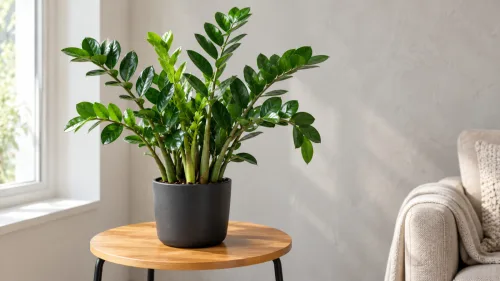
An Unkillable ZZ Plant Is Dying in Homes Because of a Mistake That Looks Like Care
The ZZ plant is famous for coping with neglect, but one well-meaning habit can slowly ruin it. Learn the light, soil and watering routine that keeps it thriving, plus how to use banana peel feed safely.
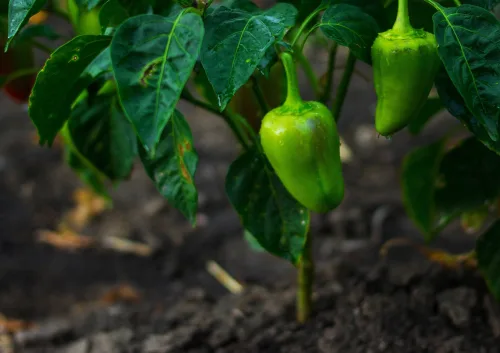
Don’t Throw Away Pepper Plants After Harvest They Can Crop Again Next Year
Peppers aren’t just a one-season crop. With a simple overwintering routine, you can keep your plants alive indoors and enjoy earlier, heavier harvests next year.
Comments (0)
Be the first to comment.