
 English
  Polski
  Deutsch
  Nederlands
  Svenska
  Norsk
Norsk  Dansk
Dansk  Français
  Italiano
  Español
  Português
  Slovenčina
  Suomi
Suomi  Gaeilge
 How to Preserve Mushrooms in Their Own Juices So They Keep Well and Taste Natural
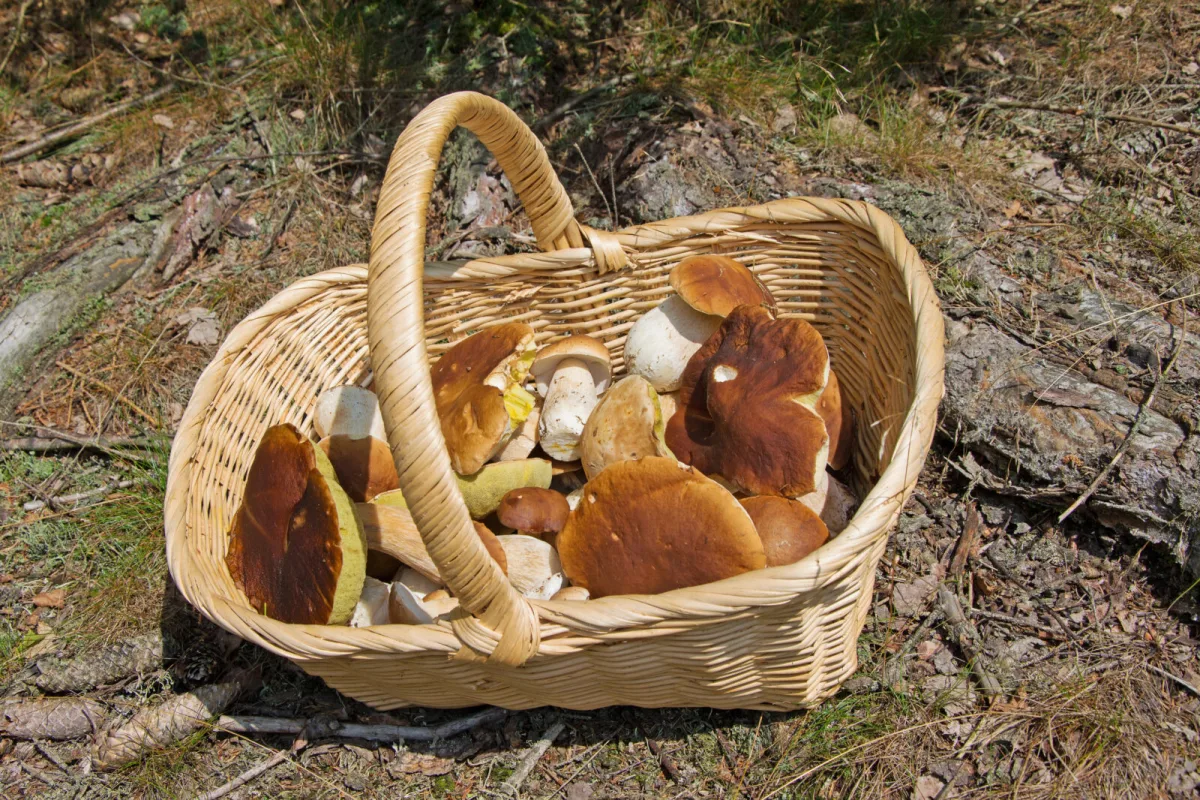
Preserving mushrooms in their own juices is one of the tried-and-tested home methods for keeping that forest flavour for the winter months. You don’t need vinegar, oil, or complicated seasoning. The basis is simply good-quality, firm mushrooms, a little salt, and a carefully carried out double processing. The second heating is crucial, because without it the jars tend to keep far less reliably and the contents can spoil before you ever get to the season when you really want to use them in the kitchen.
Why choose mushrooms in their own juices
Mushrooms prepared this way have a big advantage: versatility. They’re not masked by the sharpness of vinegar or a greasy film of oil, so once opened you can use them almost anywhere. They work well in soups, sauces, risotto, stuffings, and with meat. The final flavour stays clean, natural, and distinctly mushroomy.
In this case, salt isn’t used as the main preserving agent, but primarily to season what’s in the jar. Thanks to that, you keep an ingredient that’s easy to adapt to further cooking. Compared with pickled mushrooms, this is more of a pantry base than a ready-to-serve treat.
Double processing as the key to longer shelf life
The most important part of the whole method is that the mushrooms aren’t processed just once. The first boil destroys most common microorganisms, but some more resilient forms can survive. Over the following day, part of them change into a form that’s more sensitive to heat. The second processing then reliably eliminates them.
This principle comes from the older method of fractional sterilisation. In practice, it means it’s not enough to simply extend the time of the first processing. What matters is the gap between the two cycles, which is what gives the method its real purpose. If this step is skipped, the jars may have a much shorter shelf life.
How to fill the jars
Choose young, firm boletes that aren’t soft or wormy. Clean them thoroughly, trim away any damaged parts, and cut into smaller pieces. Pack them into clean jars snugly, but don’t force them in so hard that they turn to mush. Leave about 2 cm of headspace under the lid.
For a 500 ml jar, about 1/2 teaspoon of coarse salt is enough. Then seal the jars and place them into a boiling water bath for about 20 minutes from the moment the water is truly boiling. After removing, let them cool at room temperature and set aside until the next day. The following day, repeat the entire process for the same length of time.
How many mushrooms you’ll need for winter stores
Many people are surprised at how much mushrooms shrink during processing. When heated they release liquid and their volume decreases more than it seems when you’re filling the jars. Roughly 1 kg of fresh, firm porcini yields about one 500 ml jar. If you want a larger supply for the whole winter, you’ll need a truly generous harvest.
Which species are most suitable
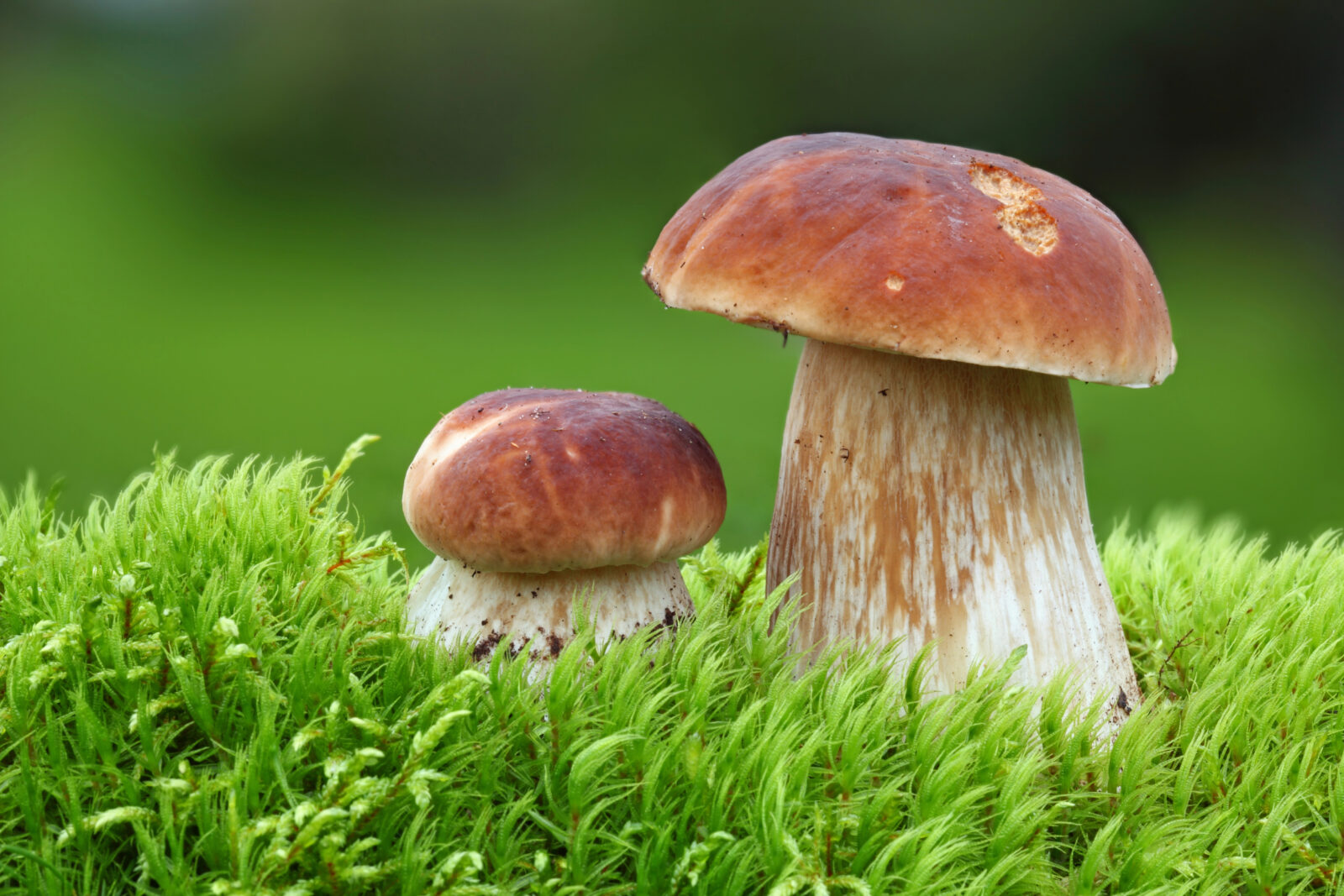
The best results come from young, healthy boletes—especially firm caps suited to cooking. Xerocomus-type boletes can also work well if they’re fresh, not wormy, and show no signs of damage. On the other hand, discard any pieces with a suspicious coating, a change in colour, or softening.
Extra caution is needed with mushrooms affected by parasitic coatings, which can appear particularly on some bolete species. Only perfectly healthy mushrooms in good condition belong in jars.
Proper storage for finished jars
Once completely cool, it’s a good idea to check the lids. Properly sealed lids are typically pulled slightly inward, don’t flex when pressed, and hold firmly. If the seal hasn’t taken, it’s better to store the jar in the fridge and use the contents soon.
Store jars in a dark, dry, cool place, ideally at a steady temperature. It’s practical to label them with the date they were made. It’s also a good idea to remove screw bands, as it makes any loss of vacuum easier to spot and helps reduce rust or mould forming on the outside.
When to throw the contents away without hesitation
Before using, check each jar. Warning signs include bubbles inside, juice leaking around the lid, unusual colouring, hissing when opened, an unnatural smell, or any mould on the surface. In that moment, there’s no room for risk.
Homemade preserved mushrooms usually keep their best quality for about one year. Once opened, always store them in the fridge and use within a few days.
If you keep everything clean, fill the jars correctly, and most importantly do the double processing on two consecutive days, you’ll end up with a simple, very practical supply of mushrooms that will earn its place in the winter kitchen. The strength of this old home method lies in the understated combination of mushrooms, salt, and patience.
Source: Forager Chef, Gro Cycle, Pestrá zahrada, Pestrazahrada.cz

A lover of nature, gardens, and everything that moves, blooms, or grows. He literally grows everything, from herbs to rare species, and he enjoys caring for animals just as much. In his work, he connects modern technology with tried-and-tested grandmotherly methods and is happy when both paths lead to the same goal.
Related articles
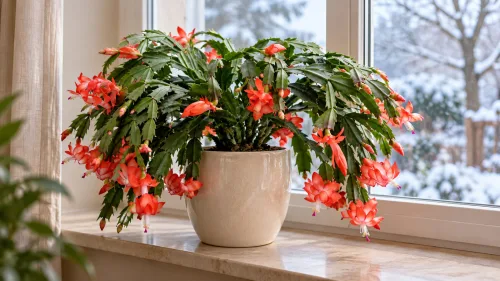
In September, One Simple Step Decides Whether Your Christmas Cactus Blooms in Winter
With Christmas cactus, winter flowering isn’t mainly about watering or feeding—it’s about uninterrupted darkness after dusk. Start in September to trigger bud set and enjoy a full display in December.
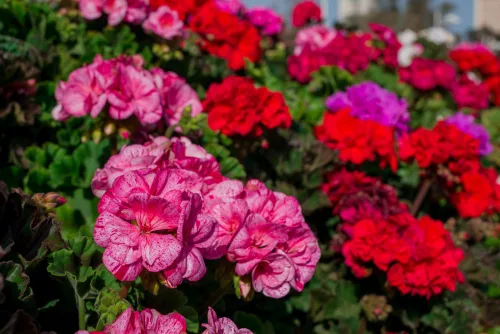
A Simple Trick to Help Geraniums Survive Winter Without Water or Soil
Store geraniums bare-root in a cardboard box over winter—no watering, no pots, and hardly any space needed. With the right cool, frost-free spot, they’ll wake up quickly in spring and flower strongly again.
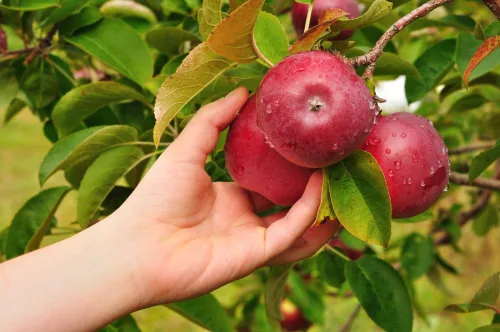
Picking Apples Without Mistakes Helps Keep Your Harvest Fresh and Rot-Free for Longer
How you handle apples at harvest has a huge impact on how long they keep. Gentle picking, careful sorting and the right storage conditions will help prevent rot and unnecessary losses.
Comments (0)
Be the first to comment.