
 English
  Polski
  Deutsch
  Nederlands
  Svenska
  Norsk
Norsk  Dansk
Dansk  Français
  Italiano
  Español
  Português
  Slovenčina
  Suomi
Suomi  Gaeilge
 A Forgotten Tomato in the Bed Can Cause Real Trouble Next Year
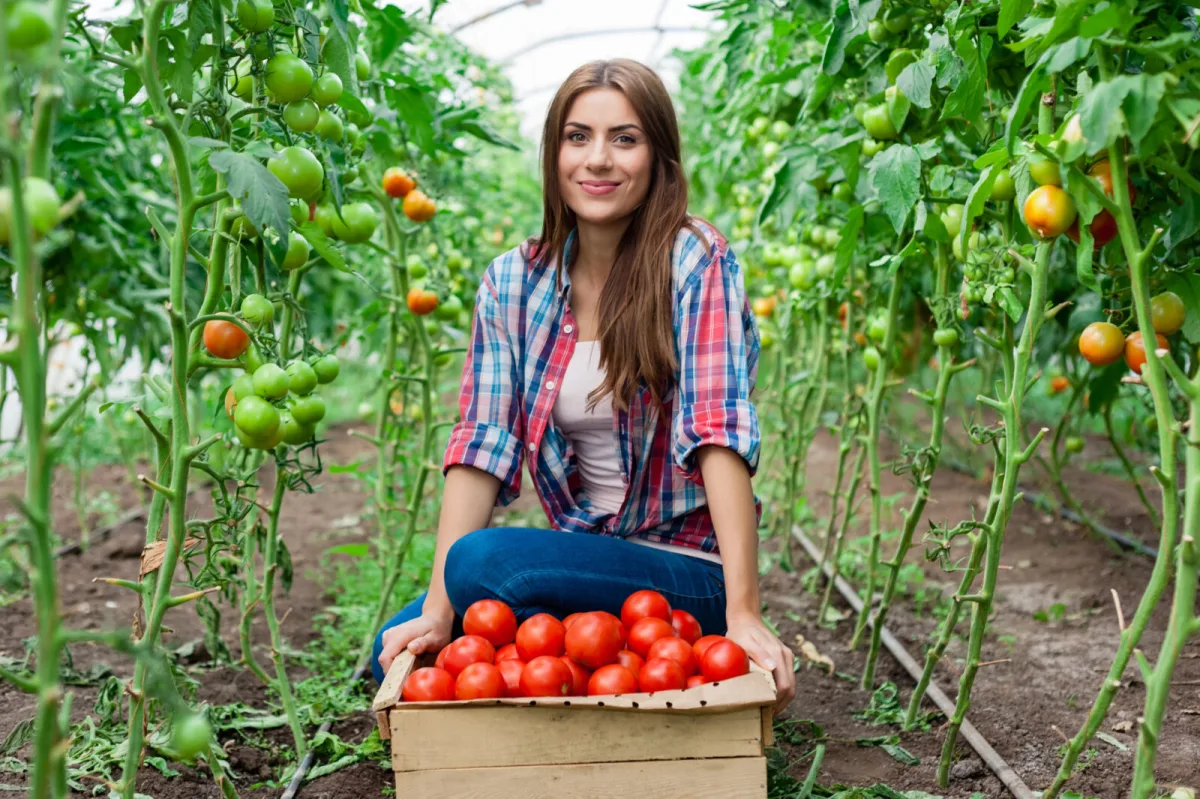
Canning and that last basket of tomatoes can make it feel like the season is wrapped up. But a bed that’s had tomatoes and peppers shouldn’t just be tidied and left to face winter on its own. What you leave behind, how you treat the soil, and whether it stays bare for months can strongly affect disease pressure and soil health next season. Autumn jobs are usually simple, yet they can save you a lot of hassle in spring.
Practical tip: Label your beds with a note of what grew there this year. In spring, it’s much easier to stick to crop rotation and avoid putting nightshades back in the same spot.
A thorough bed clear-up reduces the risk of diseases and pests
Start with the most important step: removing plant debris. Pull out stems, leaves, leftover roots, and any fallen fruit. Forgotten tomatoes or small pieces of leaf litter are often the winter source of trouble, because pathogens causing blights, leaf spots, and rots can survive in them. After the first clean-up, it’s worth walking the bed once more to pick up the small bits you might miss at first glance.
Healthy plant material can go on the compost without worry. But if the plants were heavily affected by disease, it’s safer not to add the infected parts to a regular compost pile, so problems aren’t carried back to your beds later. In that case, choose a disposal method that doesn’t return infectious material to circulation in the garden.
Do you need to dig deeply, or is a gentler approach enough?
Once the plants are removed, refresh the soil gently rather than turning it over unnecessarily. In light soils, a digging fork is often enough to lift and aerate the ground. This improves airflow, helps water soak in, and makes it easier for the next crop’s roots to get going. With heavier soils, adding well-rotted compost or leaf mould helps improve structure and reduces compaction.
Deep digging only makes sense when you have a specific reason, such as severe compaction. Otherwise, the goal is to support soil life and structure. A gentler approach is often more stable, because the soil layers remain better organized and the bed comes into good condition more quickly in spring.
Don’t leave the bed bare, a cover crop will protect it through autumn and winter
An empty bed doesn’t have to stay exposed. A good choice is phacelia, which grows quickly, naturally loosens the soil with its roots, and covers the surface with foliage, reducing drying out and nutrient leaching. It also matters that phacelia isn’t related to tomatoes or peppers, so it works well as a follow-on cover without increasing the risk of typical nightshade diseases.
Sow the seeds as soon as the bed is cleared, onto level soil, and rake them in lightly. The earlier you sow, the better the cover crop will fill in and do its protective job before cold weather arrives.
What to do with phacelia before winter and in spring
If phacelia is killed by frost in winter, you can leave the remains on the surface as a natural cover. This layer protects the soil from becoming waterlogged, losing structure, and sharp temperature swings. If the stand survives winter, simply cut it down in spring. The top growth can be used as mulch, or lightly incorporated. There’s no need to turn the bed deeply just because you grew a cover crop.
Crop rotation is essential with tomatoes and peppers
Tomatoes and peppers belong to the same family, so it’s not a good idea to grow them in the same place again the following year. Pathogens and pests associated with nightshades can persist in the soil, and repeating the crop in one bed increases the chance the same problems will come back. If you can, choose a different bed for them next year and plant something from a different group in the original spot, such as onions, root crops, or leafy vegetables.
If space is limited, it still helps to combine a thorough autumn clean-up, sowing a suitable cover crop, and improving the soil where you’ll plant next season. Even in small gardens, this can noticeably reduce pressure from recurring problems.
Don’t forget pots, old compost, and supports
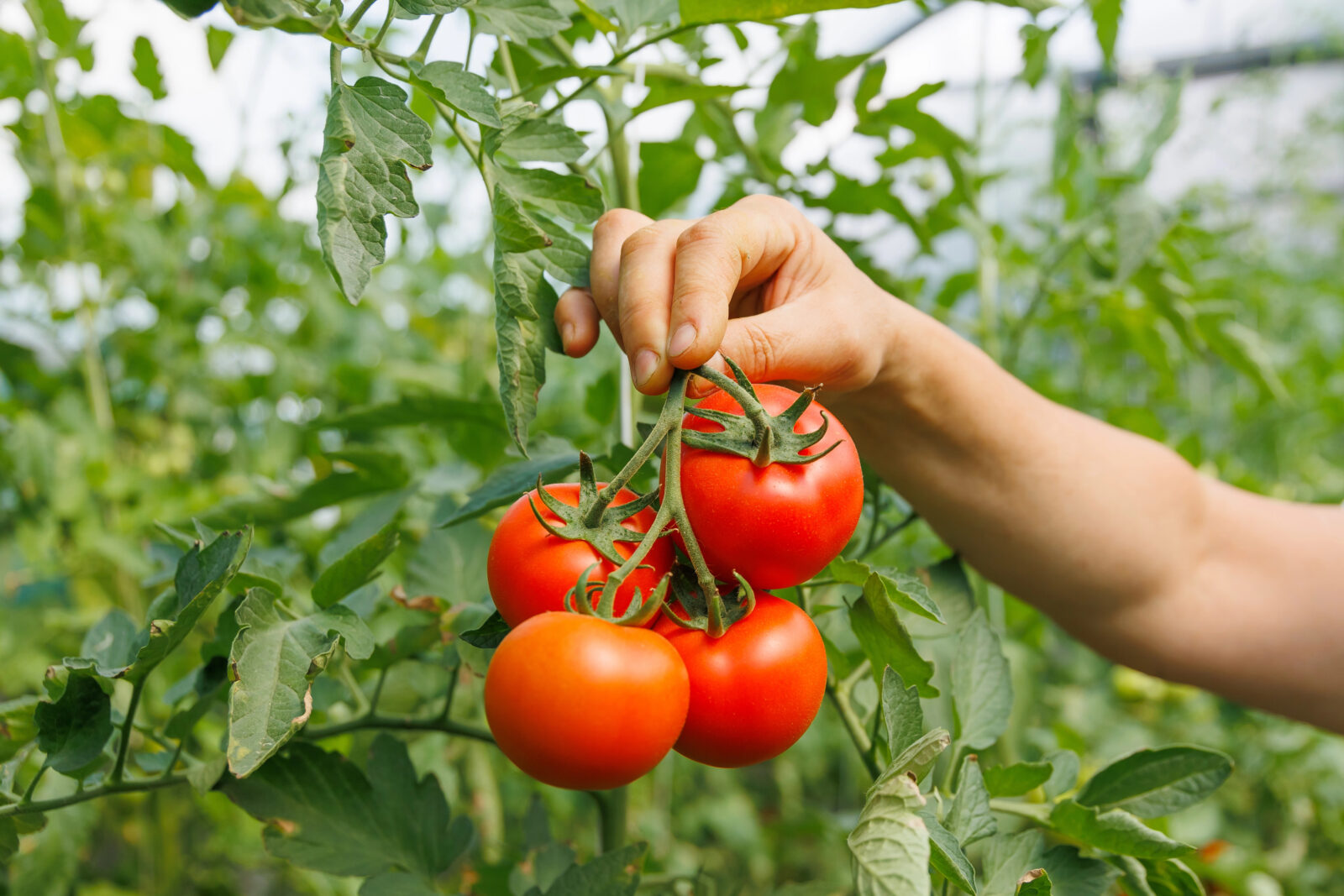
Autumn maintenance isn’t only about beds. If you grow tomatoes or peppers in containers, check the potting compost as well. With healthy plants, some of the mix can be reused, but you should remove roots, break up compacted material, and top it up with fresh potting mix or well-rotted compost. With severely diseased plants, it’s safer not to reuse the old compost for tomatoes, peppers, or any other vegetables, because disease organisms can survive in it.
Washing pots, trays, and supports is just as important. Diseases don’t only lurk in the soil, they can also cling to the surface of tools and accessories that you’ll bring back to new seedlings in spring.
A simple autumn plan that makes next season easier to start
After harvesting tomatoes and peppers, you don’t need complicated routines. The essentials are to remove plant debris including forgotten fruit, keep diseased material out of the regular compost, aerate the soil as needed, and avoid leaving it bare through winter for long periods. A cover crop such as phacelia protects the surface and supports soil structure. Add crop rotation, and you’ll greatly reduce the risk of the same issues returning next year.
A few extra minutes in autumn often translates into a calmer spring, healthier plants, and a better start to the whole gardening season.
Source: A Way to Garden, Garden Planner, Pestrazahrada.cz

A lover of nature, gardens, and everything that moves, blooms, or grows. He literally grows everything, from herbs to rare species, and he enjoys caring for animals just as much. In his work, he connects modern technology with tried-and-tested grandmotherly methods and is happy when both paths lead to the same goal.
Related articles
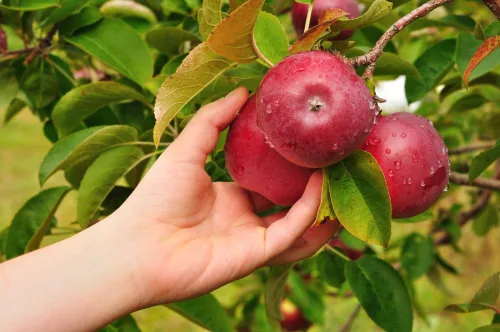
Picking Apples Without Mistakes Helps Keep Your Harvest Fresh and Rot-Free for Longer
How you handle apples at harvest has a huge impact on how long they keep. Gentle picking, careful sorting and the right storage conditions will help prevent rot and unnecessary losses.
A Lawn Without Bare Patches Depends on Two Things People Rarely Mention
Sowing a lawn from seed is affordable and flexible, but success hinges on careful soil preparation, the right seed mix, and patient aftercare. Follow proven timing and sowing techniques to get a dense, even sward without bare patches.
September Pruning Can Be Fatal for Shrubs Leave These Types Alone
Early autumn can tempt you to tidy shrubs with the secateurs, but September pruning can trigger soft new growth, weaken plants for winter, and cost you next spring’s flowers. For many shrubs, waiting until after flowering or until spring is the safer choice.
Comments (0)
Be the first to comment.