
 English
  Polski
  Deutsch
  Nederlands
  Svenska
  Norsk
Norsk  Dansk
Dansk  Français
  Italiano
  Español
  Português
  Slovenčina
  Suomi
Suomi  Gaeilge
 September cuttings will save you buying new plants in spring
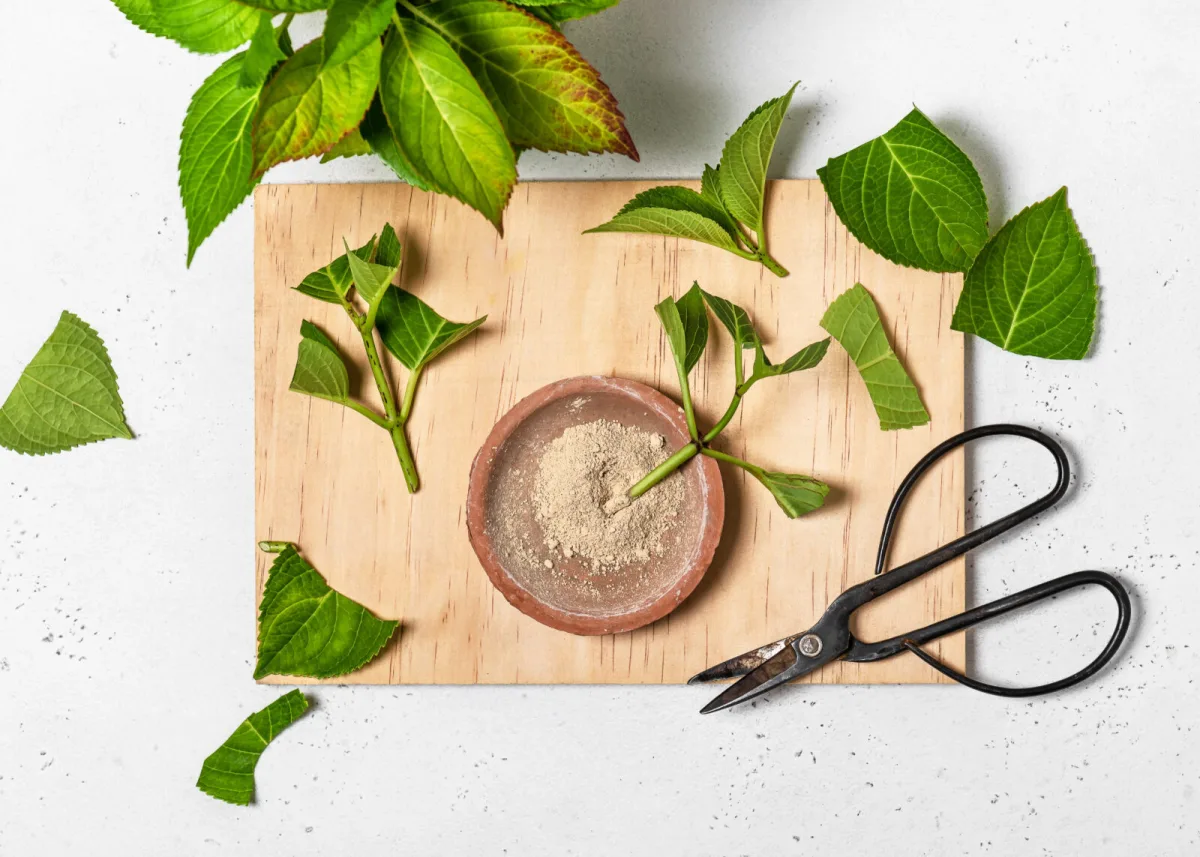
Propagating plants from cuttings is one of the simplest ways to expand your garden at no extra cost. From one well-grown plant you can raise several new plants over the summer for borders, patio containers, or spare plants to swap with friends. Cuttings also have another advantage: if you grow species that don’t overwinter well in your area, you can keep them going by rooting cuttings and letting them sit out the winter indoors or in a greenhouse. In spring, you simply plant the young plants outside.
How to tell when it’s the right time to take cuttings
In September, semi-ripe cuttings do best in many conditions, and with some plants you can also succeed with soft, green cuttings. A practical method is a simple bend test. If you bend the shoot back and it doesn’t snap cleanly, it’s soft, still juicy growth. If it cracks sharply and cleanly, it’s usually ideal for semi-ripe cuttings. If the shoot tends to shred and breaks reluctantly, it’s already more mature and will generally propagate better during winter dormancy.
Semi-ripe cuttings in September and who benefits most
A semi-ripe cutting is a piece of this year’s growth that has started to become woody at the base, while the tip is still flexible and young. Late summer is often very reliable for this type of propagation. It suits many shrubs, hedging plants, climbers, groundcovers, and some herbs. Semi-ripe cuttings often root well from box (boxwood), butterfly bush (buddleja), holly, honeysuckle, lavender, mock orange, passionflower, rosemary, spirea, star jasmine, or viburnum.
How to take a semi-ripe cutting step by step
Start by selecting healthy shoots with no spots, damage, or signs of pests. Ideal mother plants are those that were sensibly pruned in spring and produced plenty of fresh growth. Make the cut with sharp, clean secateurs close beneath a node, meaning just below where the leaves emerge. A length of about 10 to 15 cm is usually enough; what matters is that the cutting has several nodes.
Remove the lower leaves and keep only two to four leaves at the top so the cutting doesn’t lose unnecessary moisture. With semi-ripe cuttings it’s often recommended to snip off the soft tip as well, because it transpires easily and roots less readily. If the remaining leaves are large, you can trim them back by about half to reduce moisture loss while the cutting is rooting.
It’s best to insert cuttings into the compost as soon as possible. If you can’t, short storage in a bag in the shade or in the fridge can help, but only for a limited time. The cut end can be dipped into a powder or gel rooting hormone; it isn’t essential, but it increases the chances of quick, strong roots. Then plant the cuttings into a moist, free-draining propagation mix and keep the moisture even, not waterlogged.
Conditions for successful rooting through autumn and winter
Semi-ripe cuttings do best with warmth and higher humidity, typically in a greenhouse. If you don’t have a greenhouse, you can cover the pot with clear plastic to hold humidity, while still ventilating regularly. Light should be bright but filtered; direct sun can overheat and dry the cuttings. Keep the compost consistently lightly moist. Most plants propagated this way are planted outdoors only in spring, once temperatures are reliably warmer.
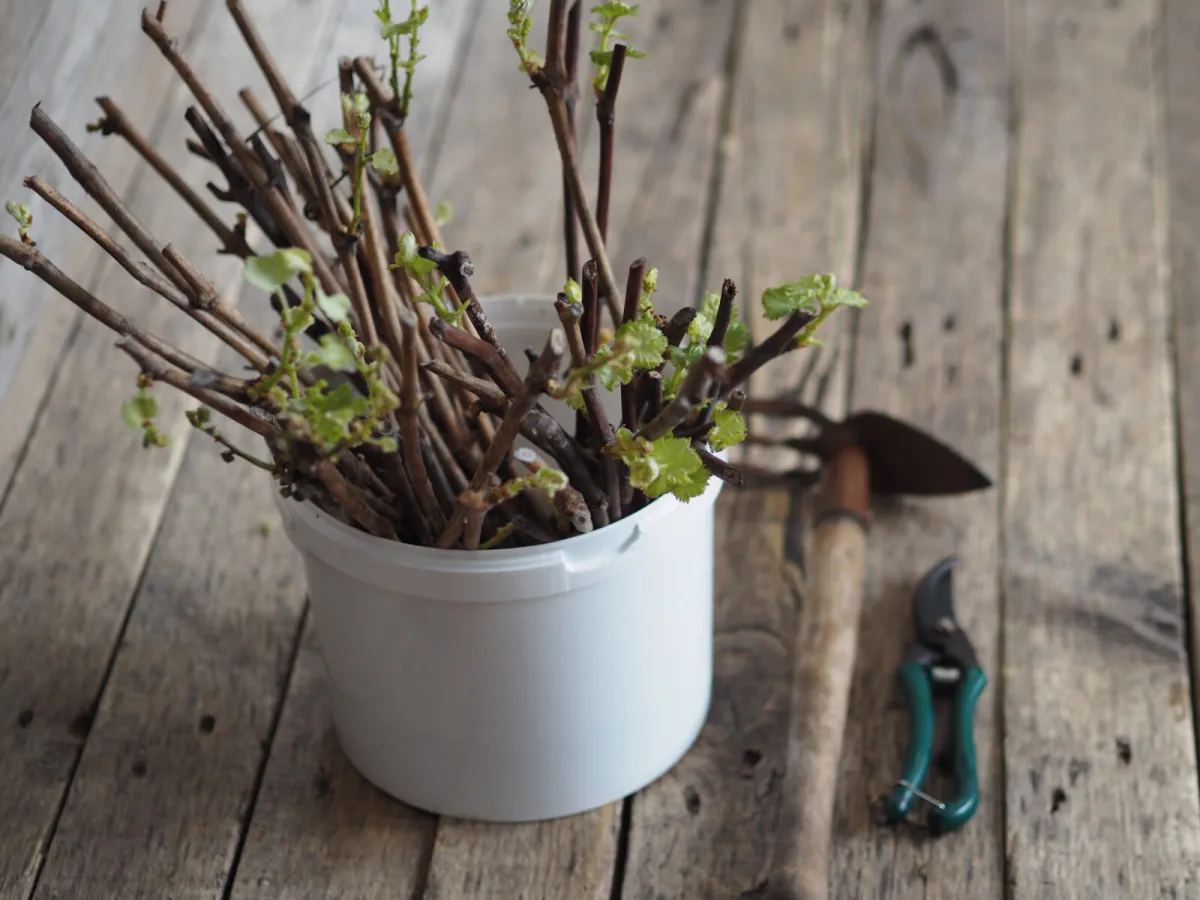
Soft green cuttings in September for more tender plants
Soft cuttings are more commonly taken at the beginning of summer, but with some plants you can still succeed in September, especially if you want to save frost-tender species. The principle is simple: you root young, green shoots and keep them growing indoors over winter so they can go outside in spring as ready-to-plant young plants. This approach suits more delicate perennials and bedding plants, and some deciduous shrubs. It’s commonly used for bidens, chamomile, clematis, coleus, fuchsia, pelargonium (geranium), hydrangea, impatiens, penstemon, petunia, or verbena.
How to take soft cuttings so they don’t wilt
Choose fully green, flexible shoots that haven’t started to turn woody. It’s best to take cuttings in the morning, when the tissues are most hydrated. Prefer shoots without flowers, as flowering drains the plant and reduces its willingness to form roots. Again, make a clean cut with a sharp tool just below a node, remove the lower leaves, and insert the end into moist compost. As with semi-ripe cuttings, steady moisture, warmth, and protection from direct sun are key.
What’s specific about September propagation and spring planting
Most species that propagate well in late summer follow similar rules. Rooting hormone isn’t mandatory, but it often helps, especially with woody plants and slower-rooting species. Overwatering is a common mistake, so the compost should be airy and containers should have good drainage.
When moving plants outside in spring, keep both soil and air temperatures in mind. Even when there’s no frost, some plants respond to cold by slowing growth or suffering damage. Before planting them out permanently, it’s wise to harden them off. Over several days to two weeks, gradually put them outside, first in shade for a few hours, then slowly increase both light levels and the time outdoors. After planting, water regularly so roots quickly grow into the surrounding soil.
Six flowers you can root from cuttings and keep indoors through autumn
Cuttings aren’t only for spring planting. With some ornamentals, they can also extend your season indoors, as long as you provide enough light. Days are shorter in autumn, so success often depends on a very bright window, ideally south-facing, or supplemental lighting. Light is often the deciding factor in whether indoor cuttings thrive or struggle.
Pelargoniums as a reliable choice for the winter windowsill
Pelargoniums are very easy to propagate. Cut off a healthy shoot tip about 15 cm long, keep only the top two leaves, and remove the rest. You can root the cutting in water or plant it straight into a pot with compost. After about three weeks, you’ll see success either as roots in water or because the cutting resists a gentle tug in the compost. Indoors it needs plenty of direct light, and as the days shorten, supplemental lighting often helps.
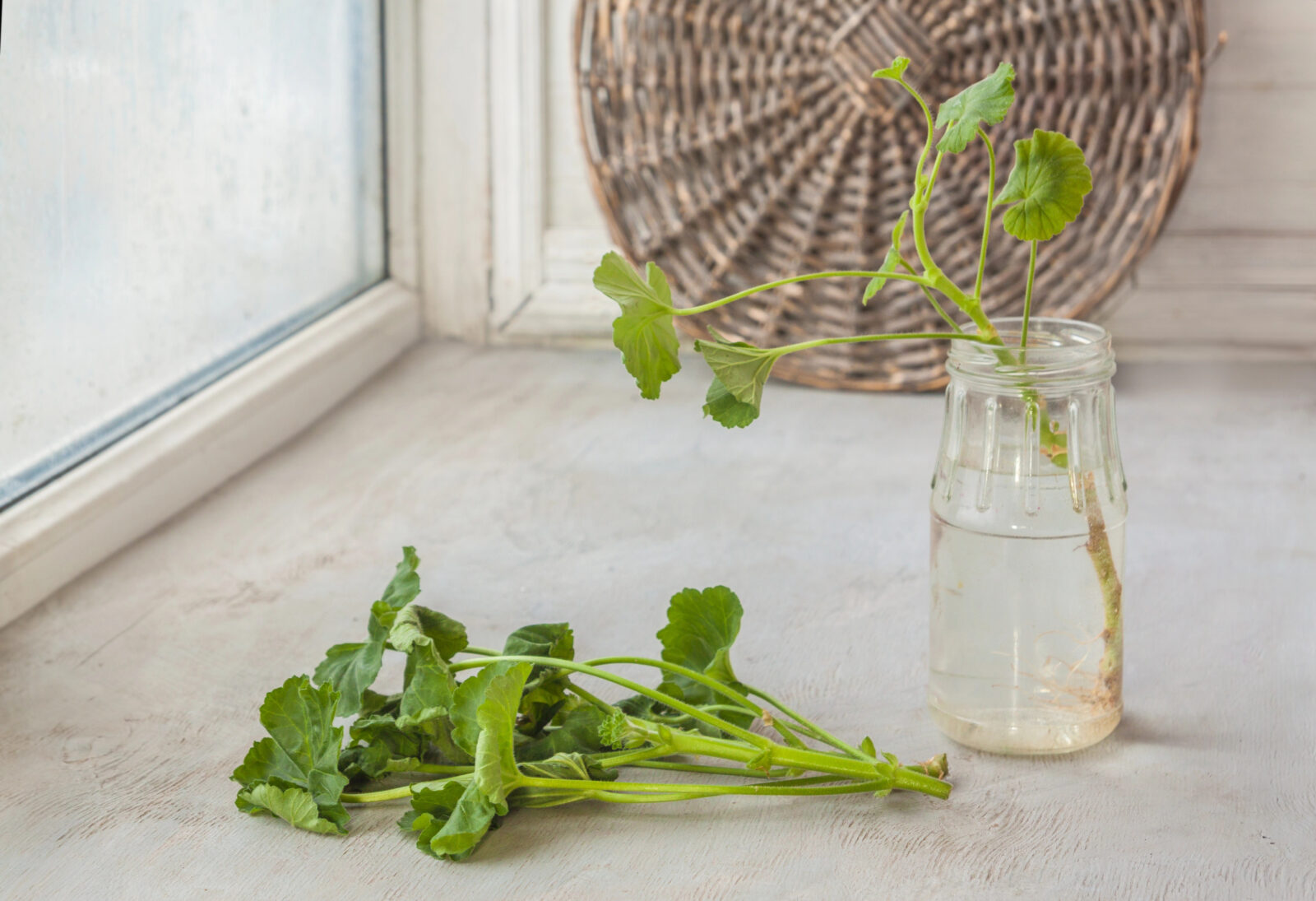
Coleus for colour even without flowers
With coleus, the most valuable feature is the variegated foliage. After taking the cutting, remove any flower spikes and the leaves from the lower part of the stem. It can root in water or in compost, and once roots form it can be potted on into a larger container. To keep strong colouring, it needs several hours of bright light each day, so in winter supplemental lighting often makes the difference again.
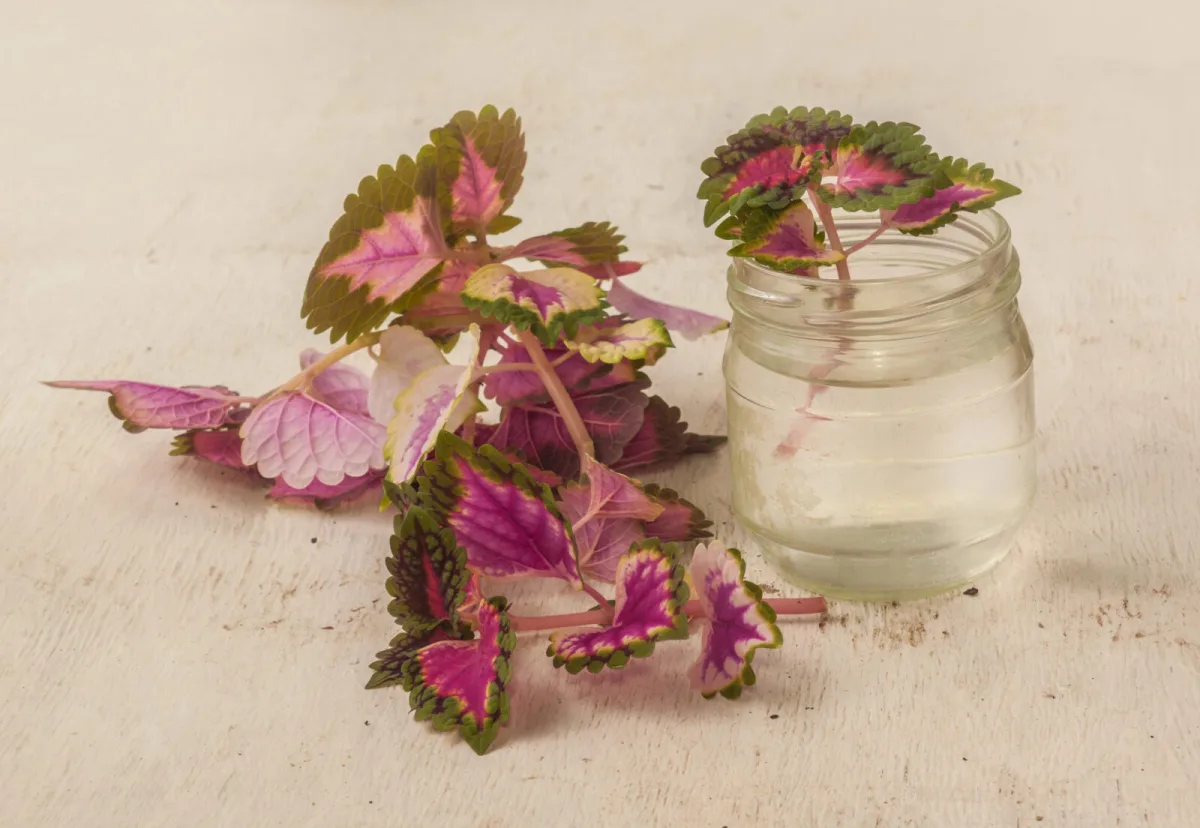
Lavender and patience with roots
Lavender is most commonly propagated from young cuttings, but you can also multiply it successfully later. The cutting is usually shorter, around a few centimetres; remove the lower leaves, treat the cut with rooting hormone, and plant into a moist, fine propagation mix. A clear cover helps maintain humidity, but regular ventilation is important. Once you see fresh growth, it’s a sign the cutting is rooting. Indoors it needs plenty of light.
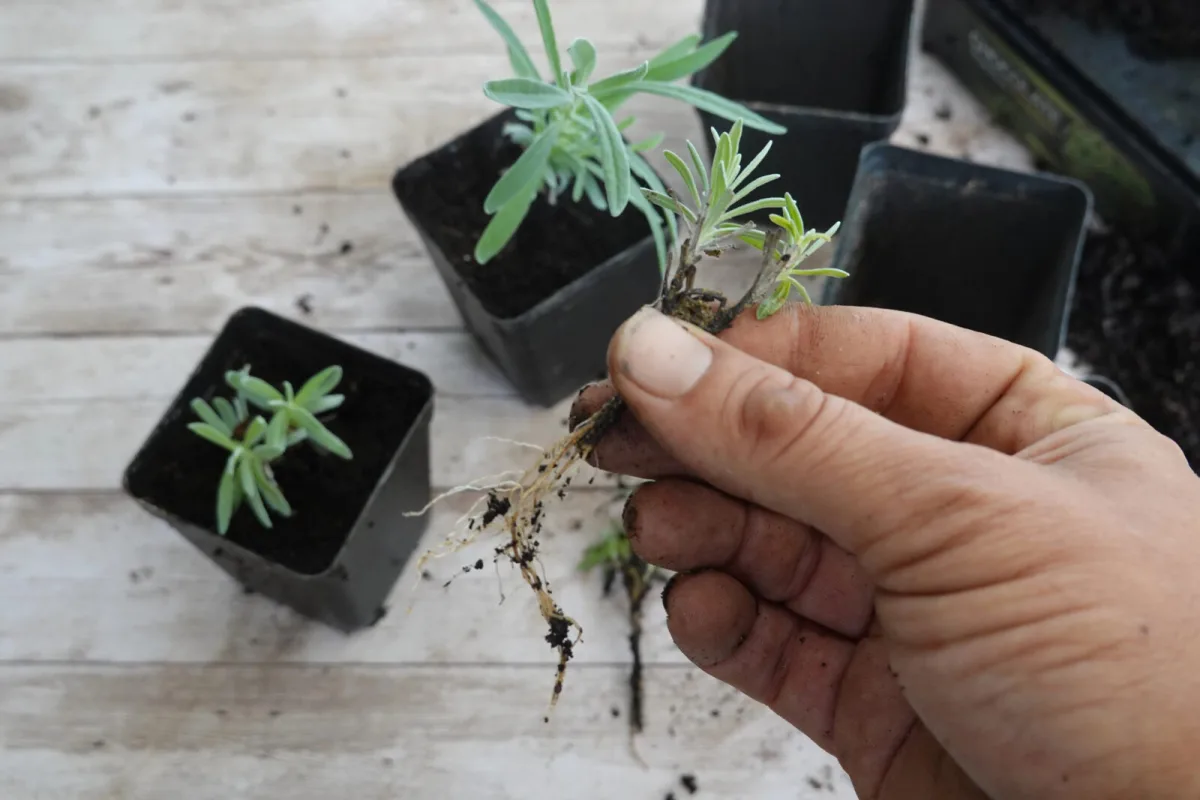
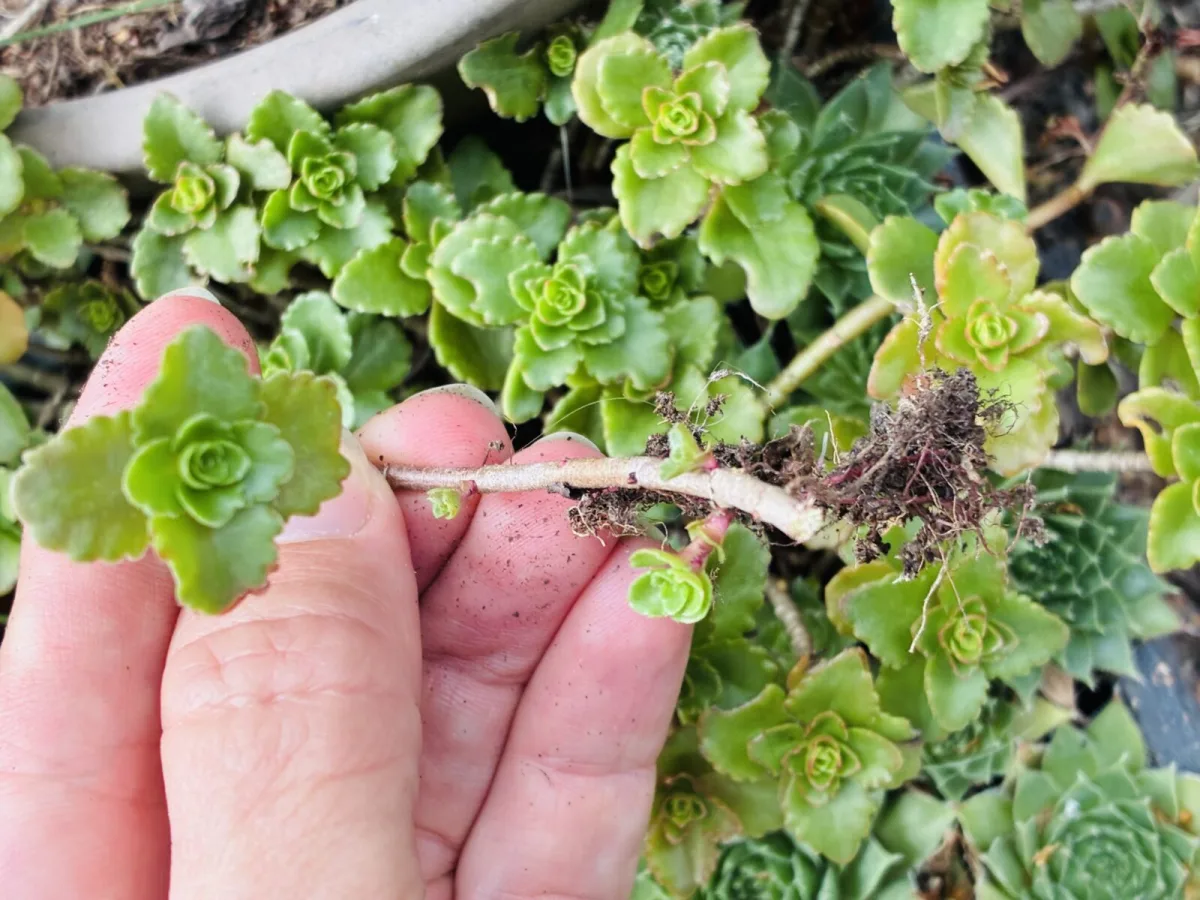
Sedum ‘Autumn Joy’ as a low-effort candidate
Sedums propagate readily and often quickly. With a stem cutting, remove the leaves from the lower section and plant it so that the nodes where the leaves were removed sit below the surface. Keep the compost evenly moist, and after around three to four weeks, rooting is usually obvious because you’ll feel resistance when you gently tug the cutting. Indoors, give it as much light as possible, ideally with supplemental lighting.
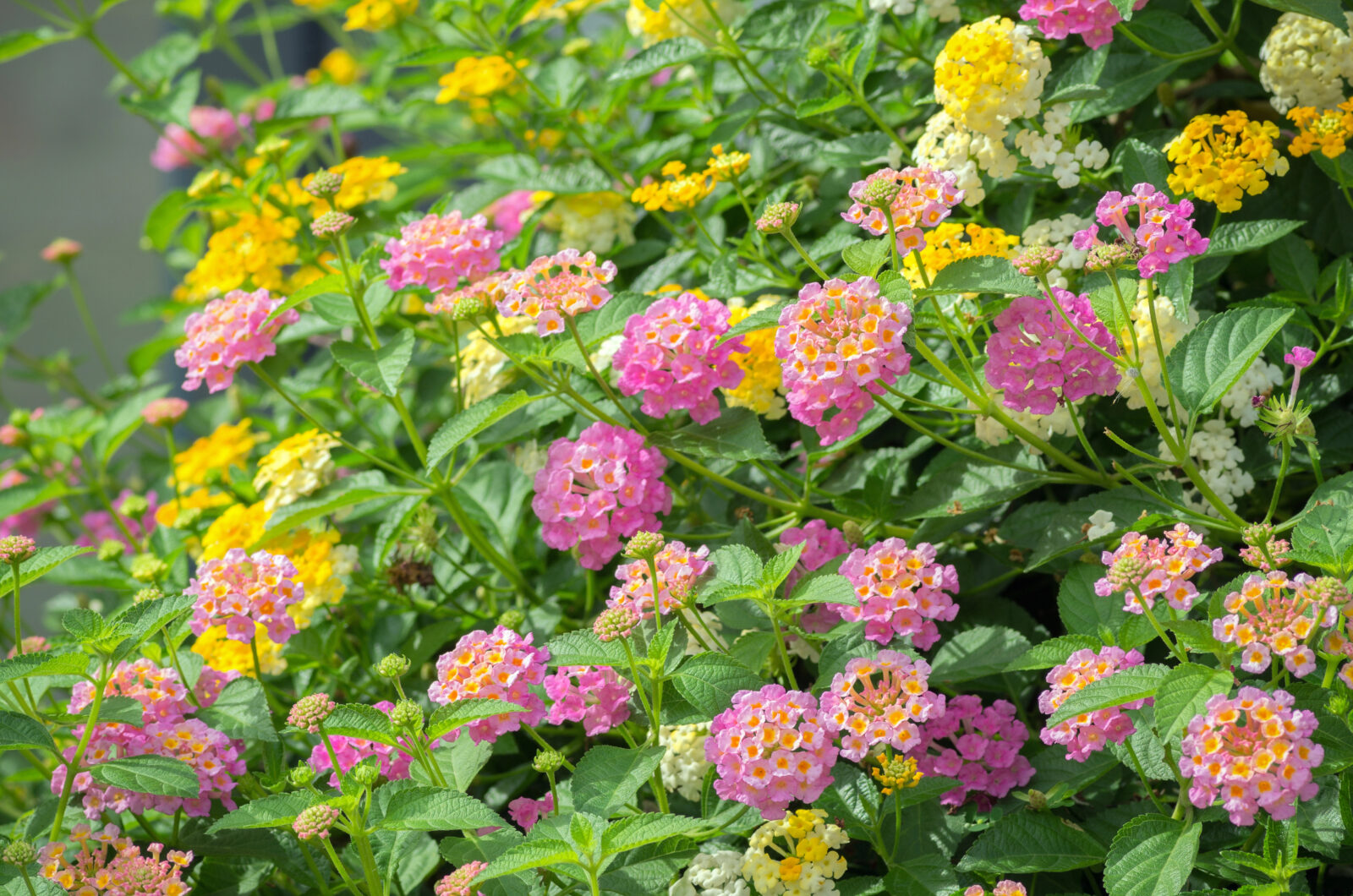
Lantana as a way to prepare plants for spring
Lantana can be propagated in late summer from fresh, healthy growth. Keep only the top pairs of leaves, and you can treat the cut end with rooting hormone. After planting, higher humidity helps, so a clear cover is often used and briefly vented each day. Over winter it may not flower heavily, but as an overwintered young plant it’s excellently prepared for moving outdoors in spring. Here too, strong light is essential.
Chrysanthemum for next season and for indoor growing
Chrysanthemums can be propagated from cuttings in late summer or early autumn. A short shoot about 10 cm long is enough; remove the lower leaves. You can dip the cut into rooting hormone and insert it into compost. With steady moisture, warmth, and filtered light, it usually roots in about a month. Only once it has grown on a little is it worth potting it up into a larger pot and placing it in the brightest spot possible.

Summary: what determines success with September cuttings
September cuttings work when you match the right type of shoot with good rooting conditions. The key is a combination of warmth, even moisture, and bright light without harsh midday sun. If your cuttings survive winter in a sheltered place and you harden them off gradually in spring, you’ll end up with strong young plants that quickly catch up and often perform just as well as the original parent plant.
Source: The Spruce, Gardening Know How , Pestrazahrada.cz
Related articles
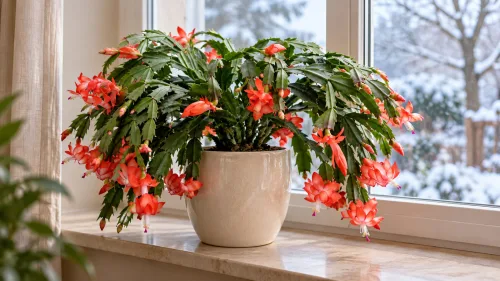
In September, One Simple Step Decides Whether Your Christmas Cactus Blooms in Winter
With Christmas cactus, winter flowering isn’t mainly about watering or feeding—it’s about uninterrupted darkness after dusk. Start in September to trigger bud set and enjoy a full display in December.
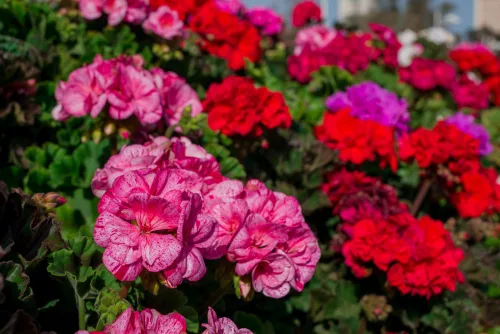
A Simple Trick to Help Geraniums Survive Winter Without Water or Soil
Store geraniums bare-root in a cardboard box over winter—no watering, no pots, and hardly any space needed. With the right cool, frost-free spot, they’ll wake up quickly in spring and flower strongly again.
Picking Apples Without Mistakes Helps Keep Your Harvest Fresh and Rot-Free for Longer
How you handle apples at harvest has a huge impact on how long they keep. Gentle picking, careful sorting and the right storage conditions will help prevent rot and unnecessary losses.
Comments (0)
Be the first to comment.