
 English
 Polski
 Deutsch
 Nederlands
 Svenska
 Norsk
 Dansk
 Français
 Italiano
 Español
 Português
 Slovenčina
 Suomi
 Gaeilge
Your compost freezes in winter and you needn’t throw peelings away
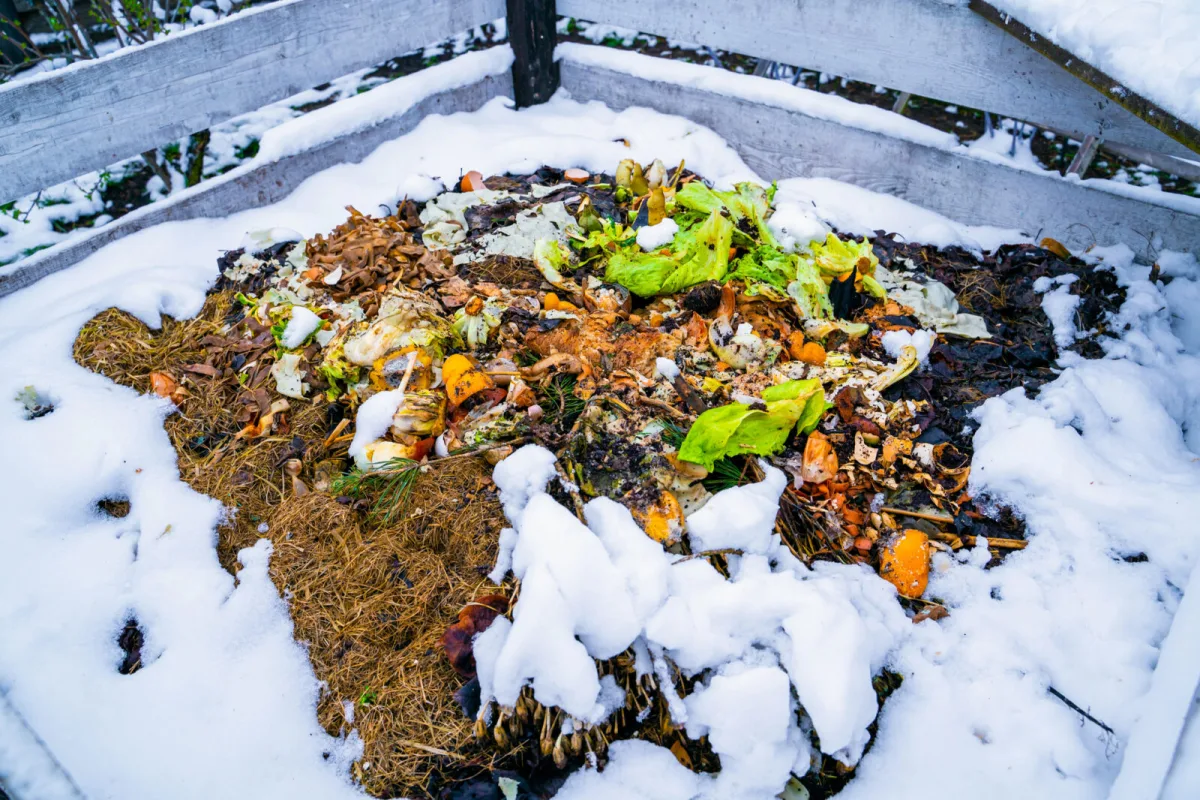
In winter it can feel as though composting loses its point. Once snow arrives and the ground freezes, the compost heap often turns solid and decomposition slows dramatically. That doesn’t mean you need to stop composting for several months. Kitchen waste is produced all year round, and it would be a shame to bin it just because it’s cold outside. Even in winter you can keep collecting organic scraps and have them ready for when temperatures rise and the composting process properly gets going again.
What to do with kitchen waste during winter
The biggest issue usually isn’t that composting “doesn’t work” in winter, but convenience. Trekking to the compost bin every day across ice, snow and a frozen garden isn’t pleasant. And tipping a bucket of peelings onto a rock-hard heap rarely feels like a job well done. A practical solution is to set up a temporary spot where you store waste until conditions are better.
A simple container with a lid works well, such as an old kitchen caddy or lidded bin placed close to the house, for example by the patio or the back door. You can tip kitchen scraps into it for a few days or even weeks without having to walk all the way to the compost heap every time. In frosty weather it won’t smell, because it stays frozen. Even if there’s a brief mild spell and the contents partly thaw, it’s rarely a major problem. As soon as the cold eases, you can move everything you’ve collected across to the main compost heap.
Temporary storage saves work
A winter holding bin has another advantage, too. You don’t need to keep opening the compost bin at a time when everything inside is frozen and access is awkward. A container by the house helps you get through the hardest frosts while still keeping food and garden waste out of the general rubbish. Then in spring, you simply mix it in with the rest of the compostable material and the process naturally starts up again.
Freezing isn’t an obstacle, it’s part of the process
Winter compost isn’t as active as it is in warmer months, but the repeated cycle of freezing and thawing does have its purpose. As organic matter freezes and then softens again, its structure gradually breaks down. When temperatures rise, microorganisms have an easier job and decomposition speeds up. That means even waste that has simply been stored or partly frozen over winter can turn into good compost in spring faster than you might expect.
That’s why many gardeners make space in the compost bin in late autumn or over winter for new additions. Material that has already partly rotted can be moved aside, and freshly added kitchen scraps can be left to go through the freezing period. When they’re combined with dry leaves or another carbon-rich ingredient, they create an excellent base for mature compost in spring.
A heated compost pile in winter isn’t for everyone
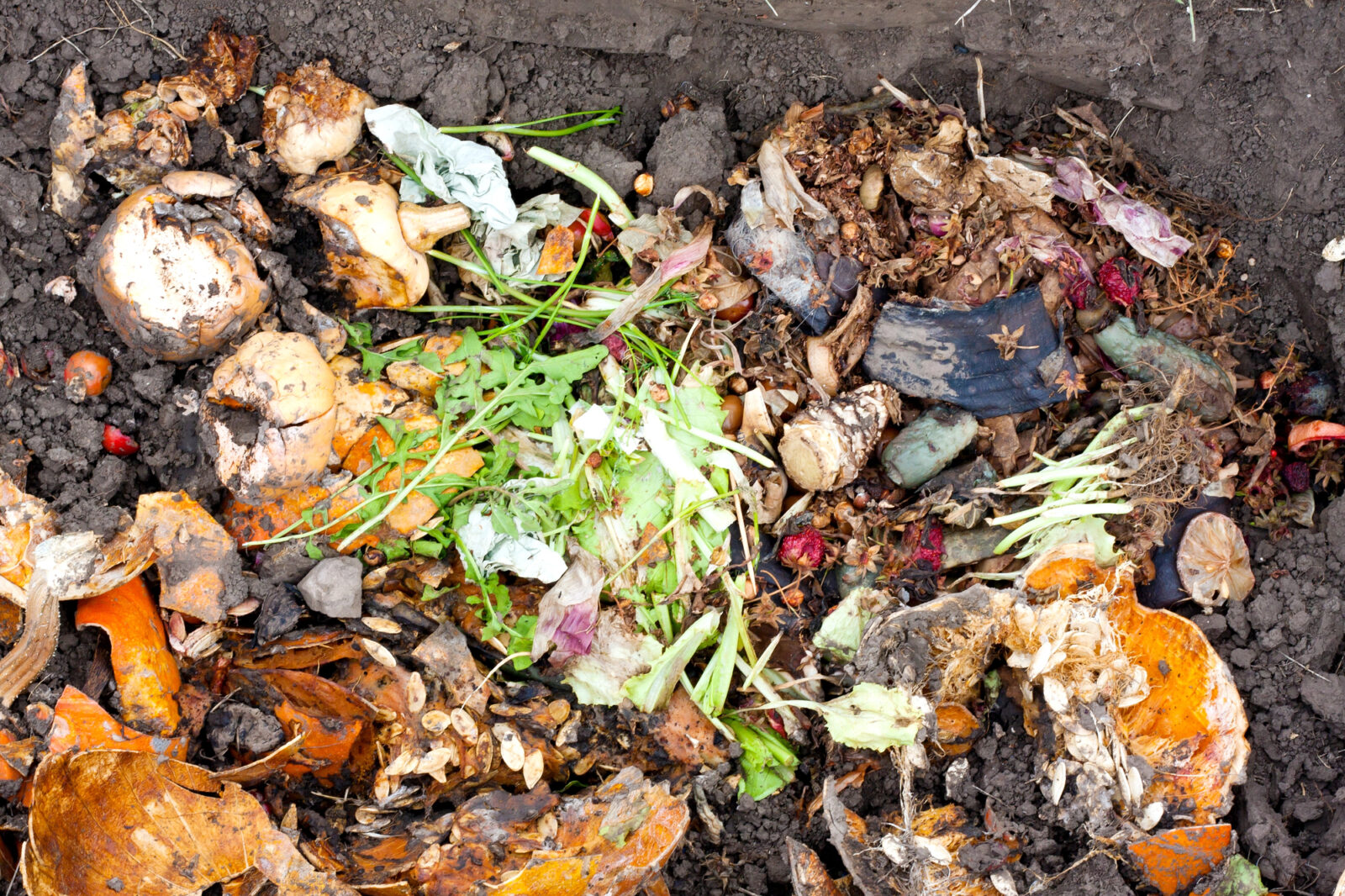
Some people try to keep compost active even in the depths of winter so it continues to generate heat. So-called hot composting, however, requires a truly large volume of material. The heap needs to be tall and wide enough not only to produce heat but to hold it inside. In winter conditions that often means at least around 1.5 m in height and width. For an average household, it’s hard to collect that much material from your own garden and kitchen alone.
As well as size, you also need plenty of nitrogen-rich material, such as manure or another strong nutrient source, otherwise the pile won’t heat up. That’s more work, time and organisation than the result usually justifies. For many home growers, hot composting through winter simply isn’t the most practical route.
In winter there’s no need to force your compost to reach high temperatures. It’s often enough to collect materials well and leave the main breakdown for spring warmth.
When hot composting makes more sense
If your goal is to kill weed seeds or quickly deal with more troublesome material, it’s usually better to wait until late spring. Then you can remix nearly-finished compost with fresh green material, such as grass clippings, and if needed add a small amount of organic fertiliser. A revived heap like this warms up far more easily than it will in midwinter. With regular turning every few days, it can be ready in just a few weeks.
This approach makes more sense than spending energy on winter attempts at high temperatures. You’re working with the natural rhythm of the seasons, and instead of fighting the weather, you let nature do the heavy lifting at the right time.
How to protect compost a little in winter
If you want to support decomposition at least slightly in cold weather, you can insulate the compost. Straw bales stacked around the heap can help, as can sacks filled with leaves, which act as simple thermal protection. It won’t guarantee hot compost, but it can reduce deep freezing and keep conditions a little steadier inside.
There are also more inventive options. Some growers place compost in a greenhouse-protected spot, or build small shelters that capture solar warmth. The compost gets better conditions and can also gently contribute to warming the immediate area. Under glass you can use pits, barrels or lidded containers, depending on what suits your garden.
Consistency matters more than perfection
Winter composting doesn’t need to be complicated or perfectly active. The main thing is not to give up separating food and garden waste just because of a few cold months. Even if decomposition slows, the material doesn’t vanish, and when spring arrives it’s ready to continue. If you set up a simple system for storing kitchen scraps and then mix everything properly in spring, you’ll get good compost without unnecessary effort.
So winter isn’t a reason to stop composting, it’s simply a time to adjust how you do it. Organic scraps can be stored safely, the compost can be protected from the worst cold, and you can leave the main breakdown until the warmer part of the year. The result is more fertile soil and less household waste.
Source: Grow Veg, RHS , Pestrazahrada.cz

A nurse by profession, she is passionate about healthy living, nature, and everything that benefits both people and the world around them. In her free time, she enjoys gardening, cooking, sewing, and caring for her family. In her articles, she loves combining professional expertise with practical experience from the garden and everyday life.
Related articles
Five Shrubs Autumn Pruning Will Ruin Even After Flowering
Autumn tidy-ups can be tempting, but cutting the wrong shrubs now can remove next year’s flower buds. Learn which popular ornamentals should be left alone until after flowering or spring.
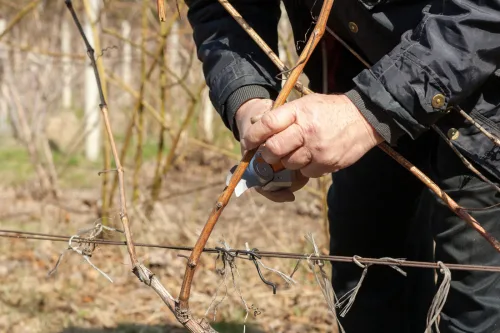
Autumn Grape Vine Pruning Shapes Next Year’s Harvest
Autumn pruning is one of the key jobs that determines how well your grapevine will grow and crop next season. The most common mistake is leaving too much wood, which leads to a dense canopy and smaller, slower-ripening bunches.
How to Turn Eggshells into Valuable Help for the Garden
Eggshells are a simple, free way to return calcium and minerals to your soil. Used correctly, they can support plant growth, gently reduce soil acidity, and even help deter some garden pests.
Comments (0)
Be the first to comment.