
 English
  Polski
  Deutsch
  Nederlands
  Svenska
  Norsk
Norsk  Dansk
Dansk  Français
  Italiano
  Español
  Português
  Slovenčina
  Suomi
Suomi  Gaeilge
 Fresh manure doesn’t belong near plants and can scorch roots and shoots
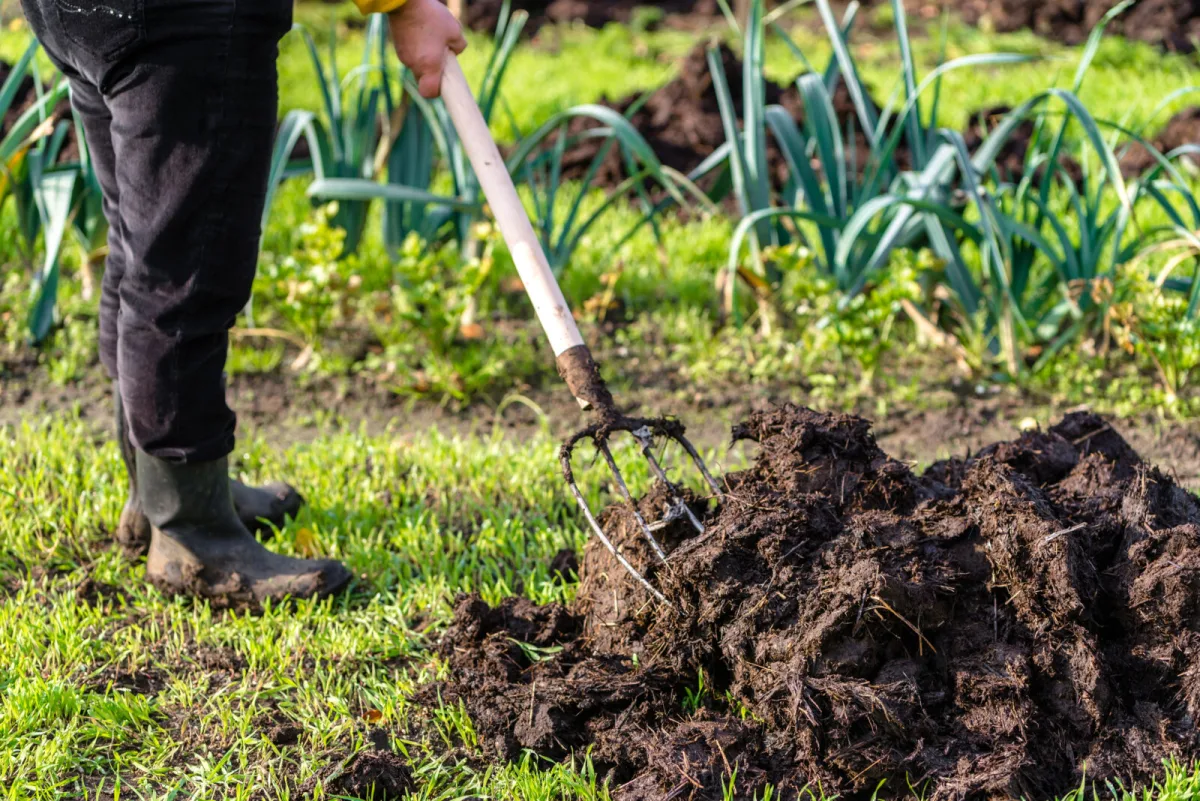
Animal manure is one of the oldest natural fertilisers, and it’s still used today because it combines two key benefits: it feeds the soil with nutrients while also improving its structure. It increases organic matter, supports soil microorganisms, and helps beds hold moisture without becoming waterlogged. As a result, plants are often tougher, roots develop better, and over time the soil becomes looser and more fertile.
But there isn’t one universally “best” manure. Different animals produce manure with different ratios of nitrogen, phosphorus and potassium, and it also varies in moisture and organic matter content. The final effect is strongly influenced by whether the manure is fresh, composted, dried, how long it has sat, and how it was stored. When you understand these differences, you can fertilise more effectively and, above all, more safely.
The most common types of manure and how they differ
In garden practice, manure from cows, horses, sheep, goats, pigs and poultry is used most often. Some sources also mention rabbit or llama droppings. Each type has a different “strength” and best use. As a rule, a higher nitrogen content means a quicker effect, but also a higher risk of scorching plants if the material is used incorrectly.
Cow manure as a gentle base for improving soil
Fresh cow manure is usually fairly wet and, compared with poultry manure or rabbit droppings, has a lower concentration of nutrients. That makes it a good material for gradually building soil fertility, especially if you need to improve the structure of light sandy soils or, conversely, open up heavier soils. To supply the same amount of nitrogen, however, you need to use much more of it. With dried cow manure, nutrients are more concentrated, so it can be applied more sparingly.
Sheep manure as a more concentrated option
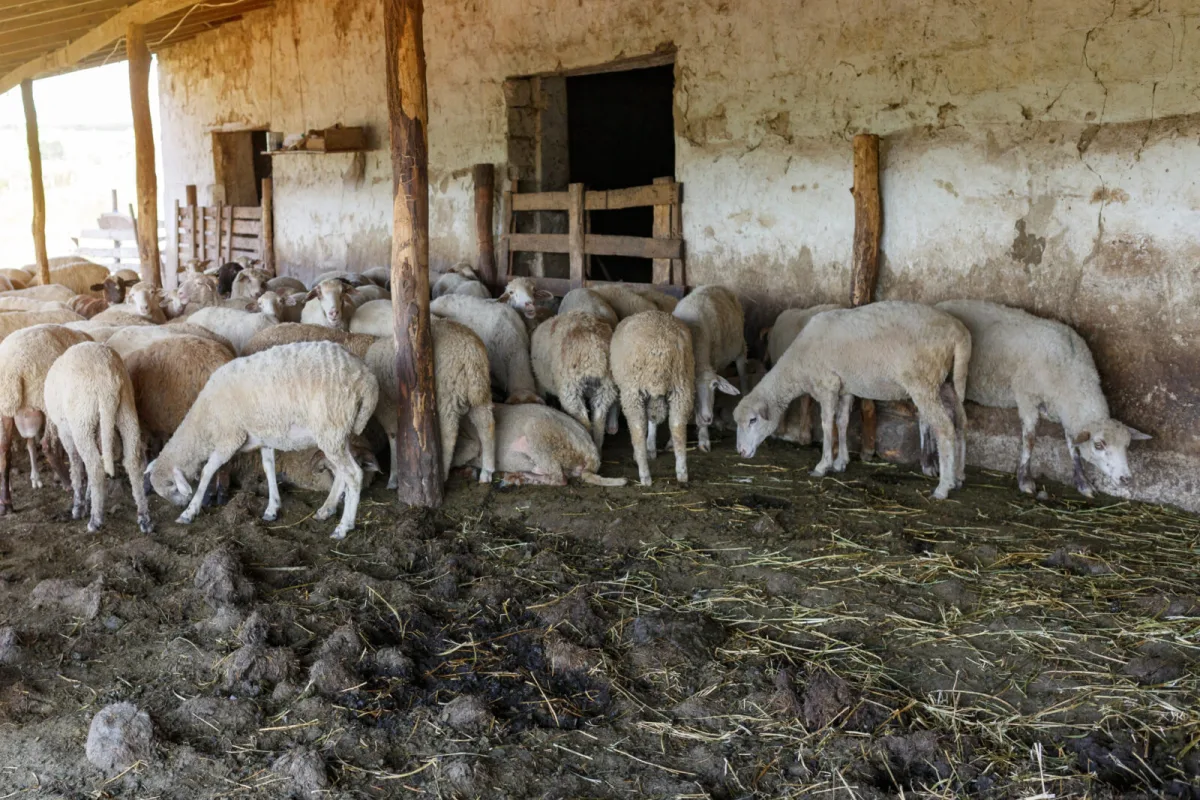
Sheep manure tends to have a higher organic matter content and usually more nutrients than fresh cow manure. In practice, that means you can achieve the same effect with a smaller amount of material. Dried sheep manure is even stronger and works well where you want to add nutrients in a smaller volume, for example in raised beds or in places where there isn’t room for bulky applications.
Chicken and poultry manure is nutrient-rich but needs care
Poultry manure is among the richest nutrient sources, especially for nitrogen. That’s exactly why many gardeners make the mistake of using it fresh or in too heavy a dose. With composted poultry manure the risk is lower, because some of the nitrogen stabilises during curing. It’s also important to know that poultry manure can have an alkaline effect, so it isn’t suitable for plants that prefer more acidic soil. This typically includes rhododendrons, azaleas, camellias, blueberries and heathers.
Horse manure and how to use it in beds
Horse manure is popular with gardeners partly because it often contains bedding, which increases the proportion of carbon-rich material. That can be an advantage for composting, but it also means the mix breaks down differently depending on whether the bedding is straw, wood shavings or sawdust. Fresh horse manure is still too strong for direct feeding around plants; it’s better to compost it first or incorporate it well ahead of time.
Rabbit droppings as a strong fertiliser in a small volume
Rabbit droppings are surprisingly concentrated and usually not as watery as manure from large livestock. In practice, even a relatively small amount can provide noticeable nutrition. Even so, it’s worth sticking to safe use: ideally compost it, or at least don’t apply fresh material directly against the roots of sensitive plants.
Llama droppings and other less common sources
Llama droppings sometimes show up where llamas are kept for fibre or as hobby animals. Nutrient content is generally decent, and application rates sit somewhere between bulky manures and the most concentrated types. With less common sources, it’s always wise to know what the animals were fed and how the material was stored, so you don’t introduce unwanted substances into the garden.
Fresh versus composted manure
Fresh manure is typically less than six months old and hasn’t been composted. That’s exactly the kind of material that can cause problems for plants. It contains more readily available nitrogen and ammonia, which can scorch roots and top growth. What’s more, plants can’t use all that nitrogen; some is lost and can contaminate groundwater.
Pathogens are another risk. Fresh manure can contain dangerous bacteria such as E. coli, salmonella or listeria. Fresh manure also often contains undigested weed seeds, which you can easily introduce into your beds.
Practical rule: incorporate fresh manure into the soil well ahead of time, ideally in autumn, or compost it fully first and let it cure.
When to apply manure for effective, safe results
Autumn application is usually best, because the material has plenty of time to break down, become integrated into soil life, and by spring it no longer acts aggressively. The second option is early spring, but then it’s safer to use well-rotted, composted manure. With edible crops, keep in mind that crops in contact with the soil are more sensitive from a hygiene standpoint. That’s why it’s advisable to keep a long gap between applying immature material and harvest.
How to compost manure properly
Composting greatly reduces health risks and helps eliminate the germination of weed seeds. If the manure contains little bedding, it’s a good idea to add carbon-rich materials so the compost has a balanced carbon-to-nitrogen ratio. In practical terms, that means adding dry leaves, grass clippings, plant-based kitchen scraps, or even torn newspaper.
Temperature is important too. A well-built heap should reach high temperatures for at least one week, because heat is the key to limiting pathogens. The compost needs to be aerated and turned regularly so decomposition doesn’t stall and smells don’t develop. After the active phase, it pays to let the material cure for several more months before using it on beds.
It’s worth bearing in mind that composted manure has lower levels of readily available nutrients than fresh manure. Its main benefit, however, is that it adds more stable organic matter, supports the soil microbiome, and also supplies trace elements such as calcium, magnesium, sulphur, iron, zinc and copper.
Common questions about fertilising with manure
Which manure is best for the garden
It depends on your goal. If you want maximum nutrients, poultry manure leads the way, but it needs composting and careful dosing. For long-term soil improvement, cow manure is very practical because it’s gentle and improves structure. Rabbit droppings are best where you need a stronger fertiliser in a smaller amount.
Can I use fresh manure directly around plants
No. Feeding with fresh manure can scorch plants and also increases hygiene risks, especially for vegetables. It’s safer to compost manure or incorporate it into the soil long before planting.
Is chicken manure suitable for all plants
It isn’t. Because of its strength and often alkaline effect, it may not suit acid-loving plants such as blueberries or azaleas. For other crops, the key is that it’s well matured and applied at a sensible rate.
Does manure really improve soil in the long term
Yes. Beyond nutrients, it brings organic matter that supports a crumbly soil structure, improves infiltration, reduces compaction and helps retain moisture. With regular, sensible use, soil becomes more fertile year after year.
Can manure spread disease
If it’s fresh or poorly composted, yes. Proper composting with sufficient heating and subsequent curing greatly reduces the risk and makes manure a safe and highly useful material for the garden.
Source: Almanac, Fine Gardening , Pestrazahrada.cz
Related articles
Picking Apples Without Mistakes Helps Keep Your Harvest Fresh and Rot-Free for Longer
How you handle apples at harvest has a huge impact on how long they keep. Gentle picking, careful sorting and the right storage conditions will help prevent rot and unnecessary losses.

A Lawn Without Bare Patches Depends on Two Things People Rarely Mention
Sowing a lawn from seed is affordable and flexible, but success hinges on careful soil preparation, the right seed mix, and patient aftercare. Follow proven timing and sowing techniques to get a dense, even sward without bare patches.
September Pruning Can Be Fatal for Shrubs Leave These Types Alone
Early autumn can tempt you to tidy shrubs with the secateurs, but September pruning can trigger soft new growth, weaken plants for winter, and cost you next spring’s flowers. For many shrubs, waiting until after flowering or until spring is the safer choice.
Comments (0)
Be the first to comment.