


How to Keep Your Pool Sparkling Clean Without Unnecessary Effort or Stress
Keeping pool water crystal clear doesn’t have to be hard work. With a simple daily-and-weekly routine, you’ll prevent cloudiness, algae and breakdowns before they start.
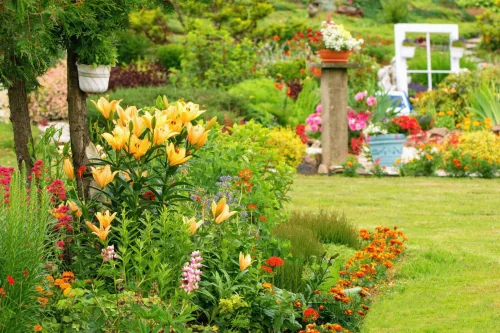
August doesn’t mark the end of the gardening season. With smart sowing, regular harvesting, feeding and efficient watering, you can keep beds productive and attractive well into autumn.
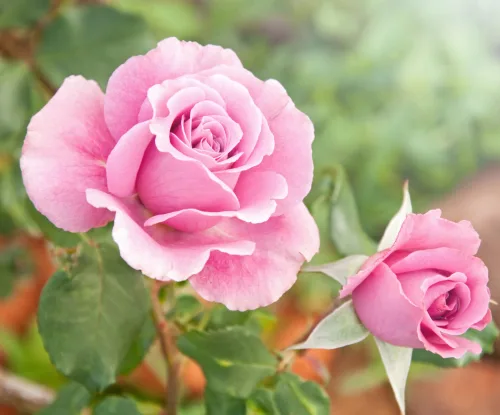
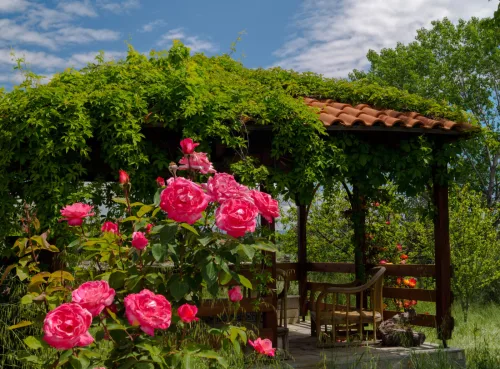
Summer heat and uneven watering can quickly leave roses looking tired and short on blooms. With deep watering, timed feeding, deadheading, and a simple baking soda drench after pruning, you can keep them vigorous and flowering longer.
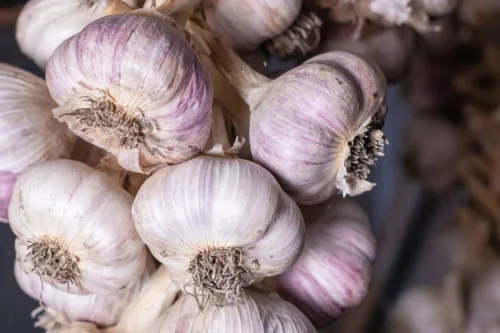
Homegrown garlic has unbeatable flavour, but it won’t keep if it’s harvested or cured poorly. With correct timing, thorough drying and one simple anti-sprouting step, your bulbs can stay firm for months.
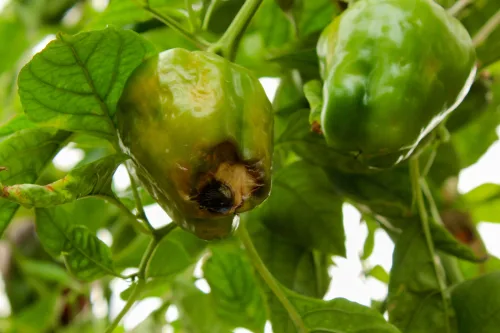
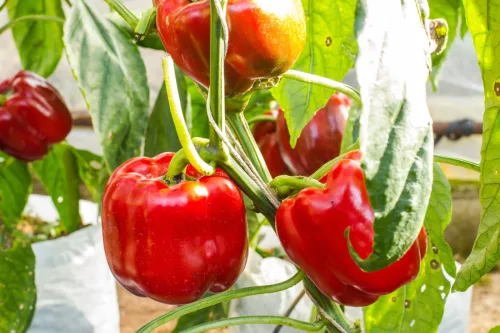
Sunken brown patches on the blossom end of peppers are usually a physiological disorder, not an infectious disease. With steadier watering, mulching, shade and targeted calcium support, the next fruits can still ripen well.
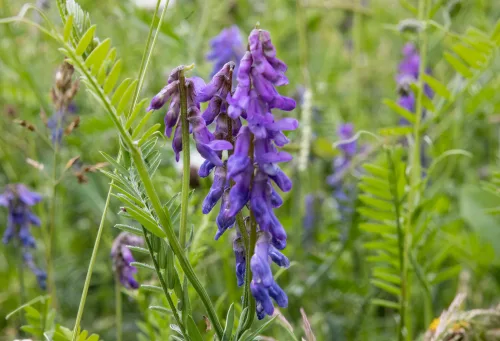
Baikal skullcap is a hardy, blue-flowering perennial with a long history in herbal traditions and real value for pollinators. Given sun and well-drained soil, it copes with dry conditions and gradually forms denser clumps.
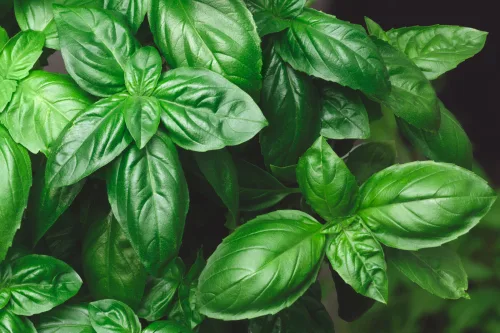
Give basil more sun, better spacing, and steady moisture and it quickly repays you with sturdier stems, deeper green leaves, and a stronger scent. A few simple tweaks can turn a struggling pot into a thriving plant.
Orchids can stall after flowering, but a gently diluted coffee solution can help support vitality, clean foliage, and encourage fresh growth. Used sparingly, it can complement good light, careful watering, and the right potting mix.
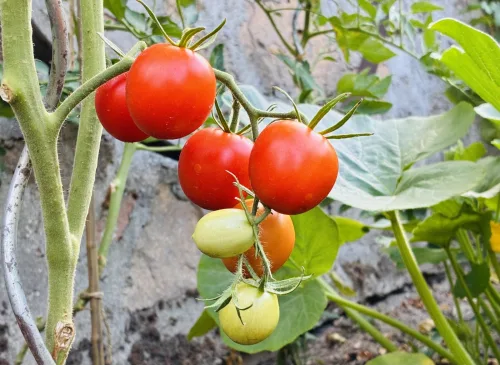
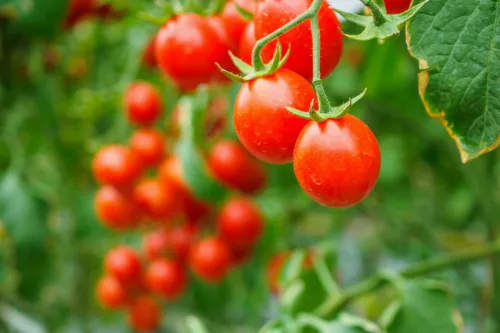
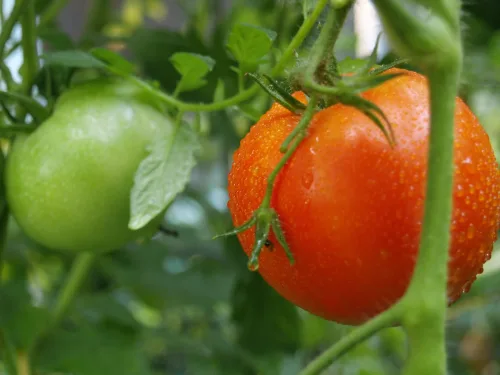
In August, a few timely jobs can make the difference between a mediocre tomato crop and a long season of sweet, well-ripened fruit. Focus on airflow, steady moisture, sensible feeding, and pest checks to keep plants productive into autumn.
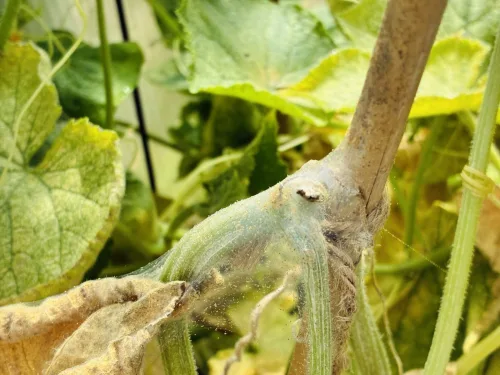
Spider mites are tiny sap-sucking pests that thrive in warm, dry air and can weaken plants fast. Catch them early and you can usually restore the plant with persistent, gentle treatments.
Homemade liquid fertilisers can be brilliant, low-waste plant food, but only when they’re diluted correctly. Mix them too strong and you risk stressing roots, scorching growth and setting plants back at the very moment they should be thriving.
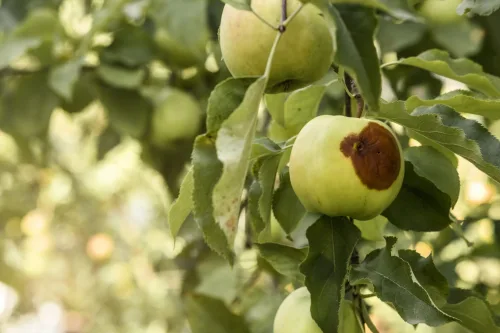
During ripening, one infected apple or plum can turn into a spore factory and infect neighbouring fruit in a tight cluster within hours. Quick removal of rotten and mummified fruit is the fastest way to slow brown rot in the tree canopy.
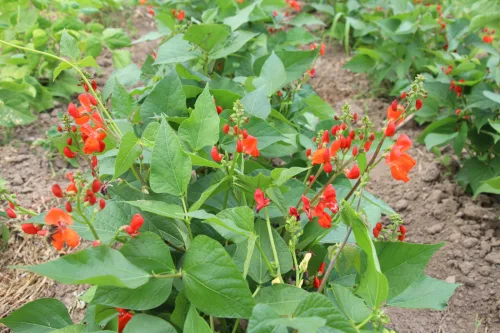
Beans can bloom heavily yet drop flowers and fail to set pods during heat and drought stress. With steadier watering, mulching and cooler nights, plants often start setting again.
Perennials are ideal for low-maintenance gardens, and many will stay attractive even through dry spells once established. Choose sun-loving, free-draining plants and you can enjoy a colourful border with far less watering.
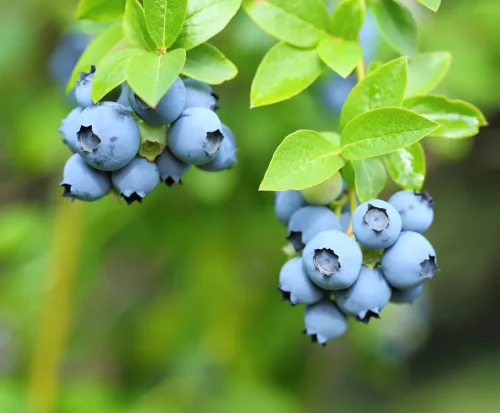
Blueberries thrive only in reliably acidic conditions, and ordinary tap water can slowly push the soil pH up. Acidifying irrigation water helps keep plants vigorous and improves flowering and fruit set.
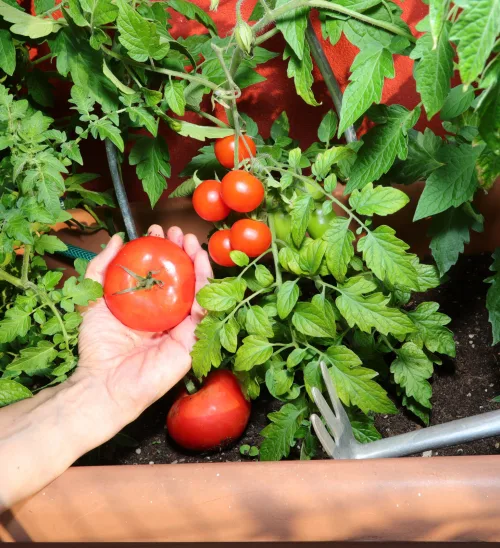
If your container tomatoes are struggling in summer heat, the cause is usually simple: the wrong variety for the pot, tired compost, or inconsistent watering. Fix those three basics and plants often bounce back quickly and crop far better.
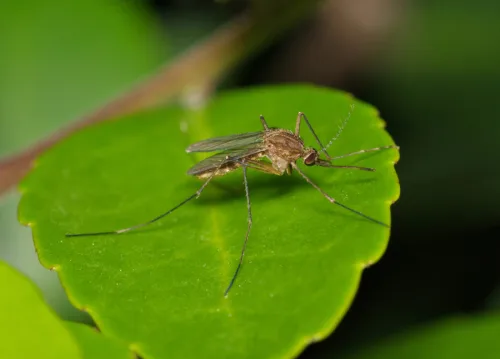
Fragrant herbs and perennials can make patios less attractive to mosquitoes, but they won’t create an invisible force field. The real game-changer is removing standing water, including the water that collects in pot saucers.
Prolonged heat and drought can push fruit trees into stress, often showing up as wilting and premature leaf drop. With correct watering, mulching, and gentle summer care, many trees can recover and stay productive.
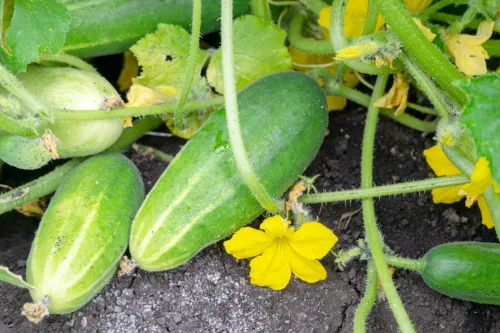
Cucumbers pull a lot of nutrients from the soil, and their demand peaks once they start setting and sizing fruit. Regular feeding during harvest keeps plants vigorous and extends production with better-quality cucumbers.
Summer quickly reveals where a garden overheats and where it needs more shade and moisture. A layered planting scheme of trees, shrubs, perennials, groundcovers and climbers can noticeably cool the air and help the soil hold on to water.
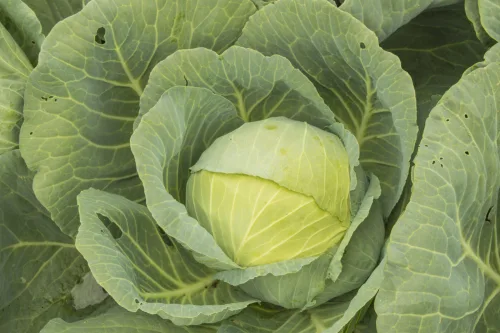
Removing the lower cabbage leaves in August may make the bed look tidier, but it can slow head formation and stress the plant. Keep healthy outer leaves for feeding, shielding, and monitoring pests—remove only those that are truly damaged or diseased.
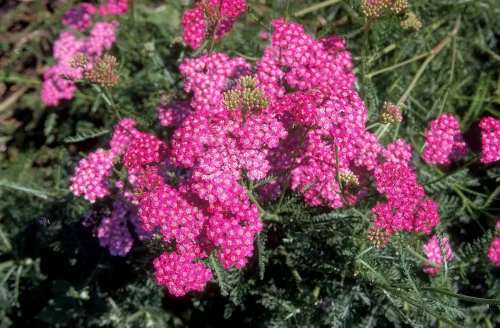
Common yarrow is a tough, sun-loving perennial that keeps flowering through dry spells when many garden plants struggle. Give it lean, free-draining soil and restrained watering for strong stems and long-lasting colour.
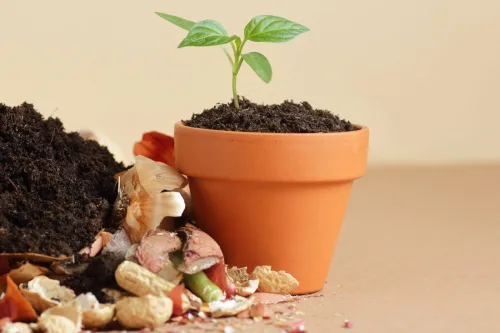
Dog poo can carry bacteria and parasites that pose a risk to people, pets and wildlife. Dispose of it the right way and avoid adding it to your home compost, where it can contaminate finished compost and soil.
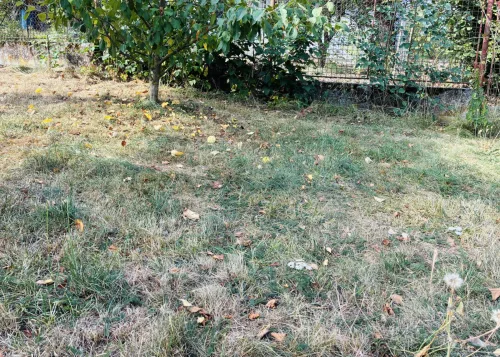
In hot, dry spells a lawn often turns brown and stops growing, but established grass usually survives and greens up again when rain returns. Adjust mowing, mulch clippings wisely, and reserve watering for new turf or truly critical situations.
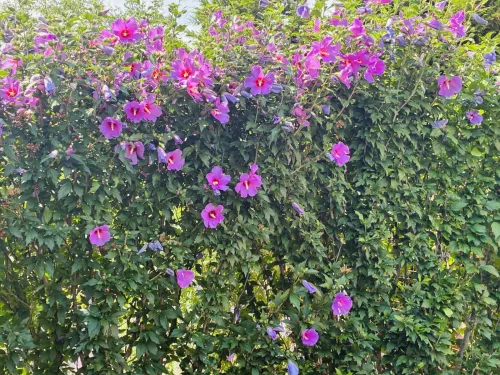
Hibiscus can outshine much of the garden with its bold, plate-sized flowers, but long-lasting bloom depends on strong, steady growth. Get the basics right—site, water, feeding, pruning and plant health—and you’ll keep buds and flowers coming for longer.
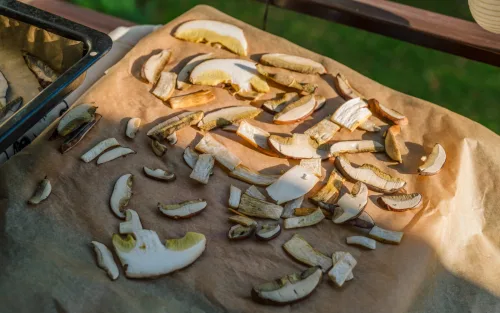
Drying is one of the most reliable ways to preserve wild mushrooms long after the season ends. Learn which species dry best, how to dry them properly, and how to use them for maximum flavour.
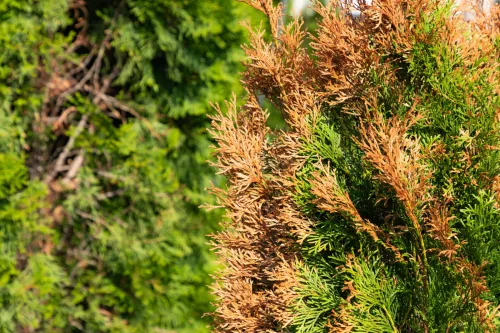
Thuja has long been a go-to choice for fast, tidy evergreen hedging, but many plantings are now thinning and turning brown. The culprit is usually a mix of drought stress, poor siting and winter desiccation rather than a single disease.
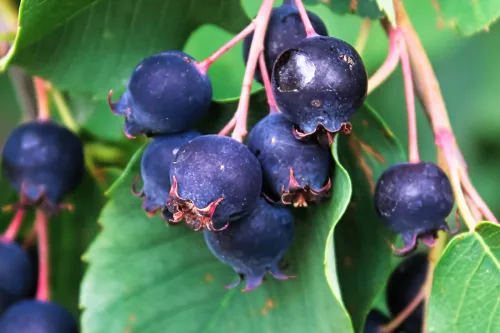
Many soft-fruit shrubs have shallow roots and repay regular pruning, feeding and moisture with far better crops. If your garden soil isn’t naturally acidic, serviceberry is often a simpler stand-in for highbush blueberries.
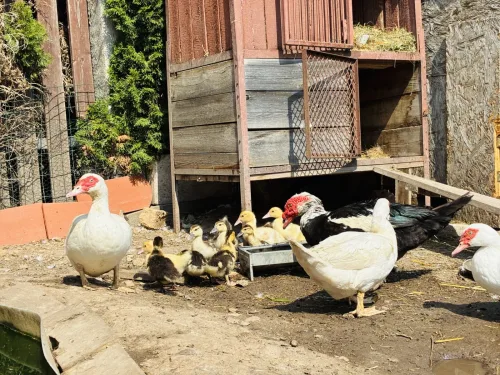
Ducklings are charming, but they need the right heat, feed, water access and hygiene from day one. Here are the most common beginner mistakes and practical ways to prevent them.
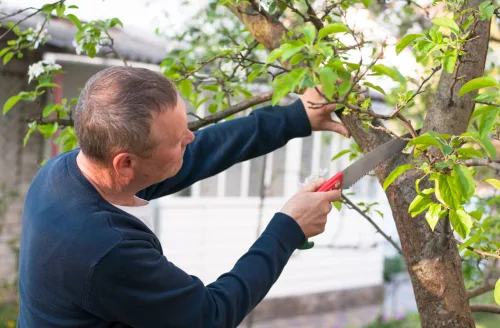
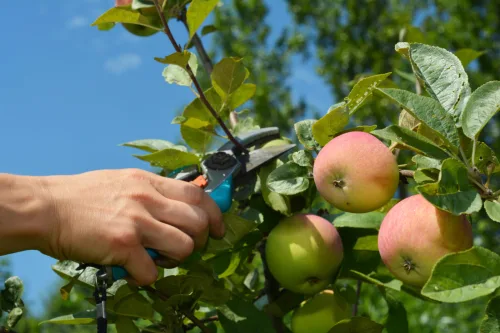
Many growers prune fruit trees only in spring or autumn, but a well-timed summer prune can make a dramatic difference. By removing only what weakens the tree, you improve light, airflow, health and fruit quality.
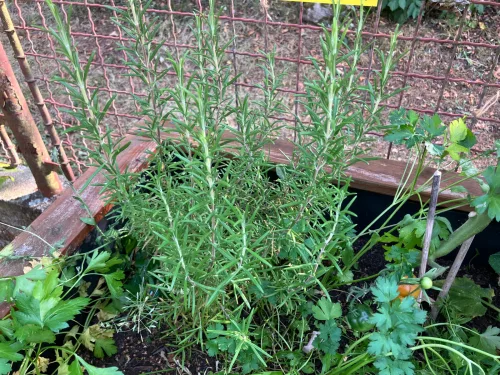
Rosemary can be picked almost year-round, but the way you harvest it determines how well it regrows and how intense its aroma will be. Learn when to cut, how much to take, and the best methods for storing fresh, dried, or frozen sprigs.
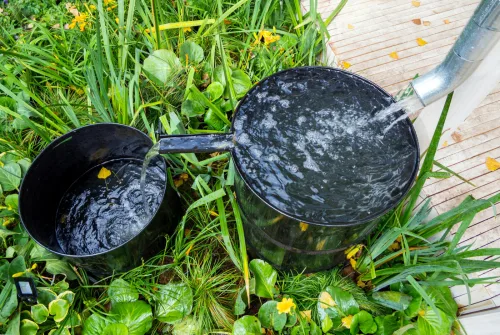
Choosing the right water for irrigation directly affects plant health and how much mains drinking water you use. Learn when rainwater is best, how to handle greywater sensibly, and what to avoid so your garden copes better with dry spells.
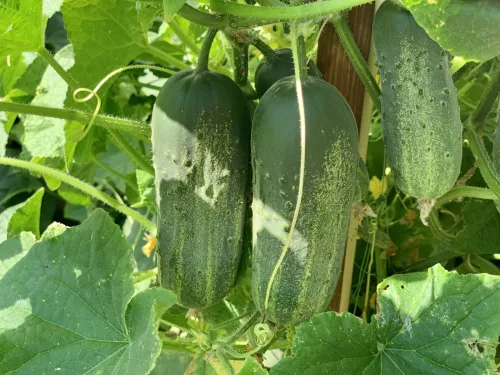
Cucumbers love warmth and consistent moisture, and the temperature of your watering water can make or break their growth. A simple onion-skin infusion can give plants a gentle nutrient boost and help them stay more resilient through the season.
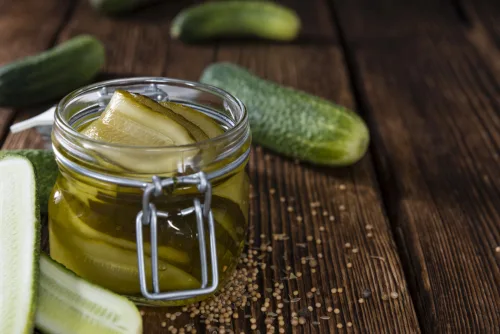
Quick fermented cucumbers are ready in just a few days, but in hot weather they can turn soft fast. These practical tips help you keep them firm, crisp, and pleasantly tangy.
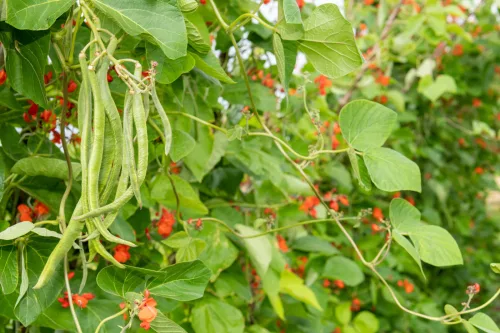
Runner beans grow fast, flower beautifully, and quickly create a dense, living screen. With the right support, warmth, and steady watering, they’ll reward you with both shade and a generous crop of pods.
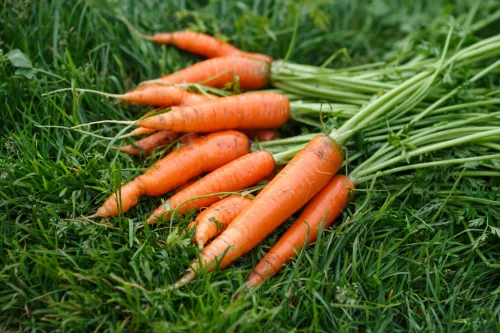
Carrots taste best when you harvest at the right moment—not too early and not too late. Learn the key signs of maturity and how to lift roots cleanly for longer, safer storage.
Guinea fowl are tough, generally healthy birds that can help control pests in the garden while providing eggs and lean, flavoursome meat. With a dry, warm coop and sensible feeding, they’re surprisingly easy to keep.
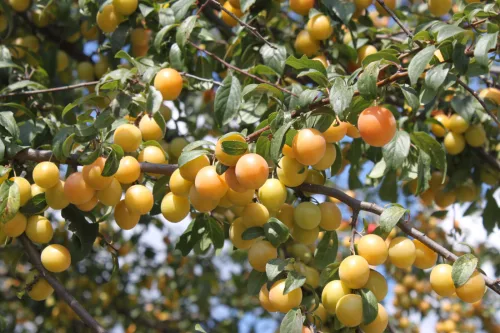
Cherry plum is a tough, fast-growing plum that doubles as an ornamental and a fruitful garden tree. It flowers generously in spring and ripens masses of juicy fruit from August into September for eating fresh or preserving.
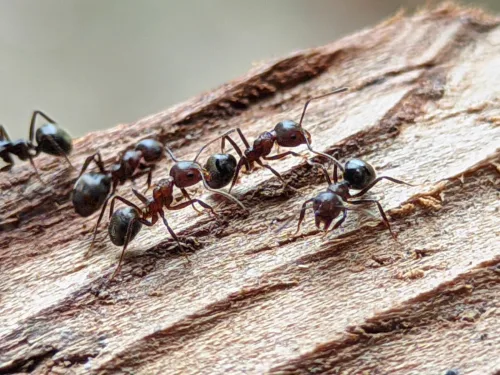
A sudden ant trail in the garden is usually a clue, not the real issue. Follow where they go to uncover aphids, nesting sites, or food sources—and fix the cause for lasting results.
If your tomatoes are growing slowly, flowering poorly, or struggling with disease pressure, the issue is often nutrition and weakened resilience. Whey and household ammonia can help feed plants and support healthier growth without pricey products.
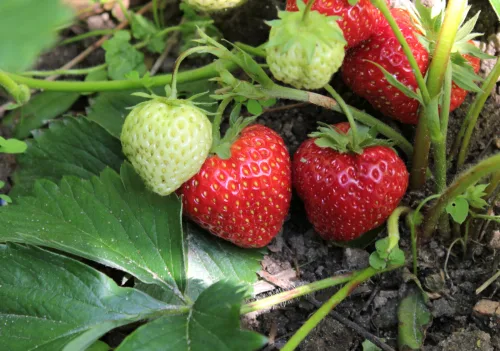
What you do with strawberries right after harvest largely determines next year’s yield. A timely August cut-back, clean-up and feeding helps plants rebuild, stay healthier and set up for bigger berries.
August is ideal for light, sensible pruning that keeps borders, climbers and hedges tidy and healthy. But some woody plants are better left alone until dormancy or spring.
A green roof is more than a decorative feature: it’s a layered system that manages rainwater, improves thermal comfort, and supports urban biodiversity. Learn the main roof types, suitable plants, and what to plan before you build.
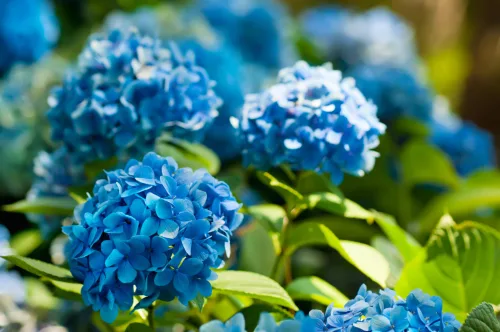
Blue hydrangea flowers don’t happen by chance—they depend on the right soil conditions and steady care. With the proper pH and a few practical tweaks, selected varieties can shift from pink to blue over time.
Late blight can ruin tomatoes in just a few damp days. A simple copper-wire trick used at the right time may help fruit ripen faster while making conditions less favourable for disease.
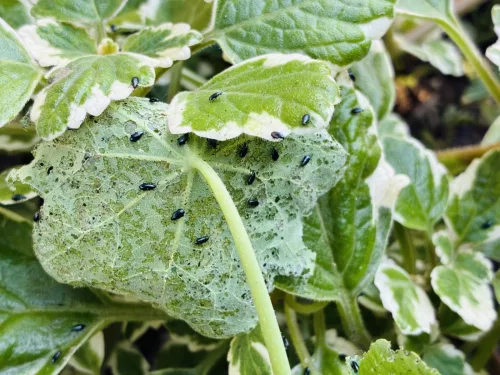
Tiny shot-holes in radish, kale or lettuce leaves are often caused by flea beetles, not slugs. Learn how to recognise the damage and protect young plants with prevention, covers, traps and gentle sprays.
In the greenhouse, peppers can look healthy yet stop flowering and setting fruit in midsummer. One grower swears by a bold cut-back to trigger fresh growth and a second crop through autumn—if conditions are right.
Cut roses don’t have to end their life in a vase. With a few simple at-home rooting methods, you can try turning a bouquet into new rose plants for pots or the garden.
A few smart jobs before you leave can keep your beds, pots, lawn and fruit trees in good shape while you’re away. These steps make any quick check and occasional watering easy, and help you avoid coming home to dry soil and wilted plants.
Buddleja (the butterfly bush) is a long-flowering, easy-going summer shrub when it has full sun and an annual prune. The main thing it won’t forgive is cold, waterlogged soil, which can rot the roots and lead to winter losses.