
 English
  Polski
  Deutsch
  Nederlands
  Svenska
  Norsk
Norsk  Dansk
Dansk  Français
  Italiano
  Español
  Português
  Slovenčina
  Suomi
Suomi  Gaeilge
 Thousands of Blueberries on One Bush Watch Out for Plain Tap Water Acid Helps
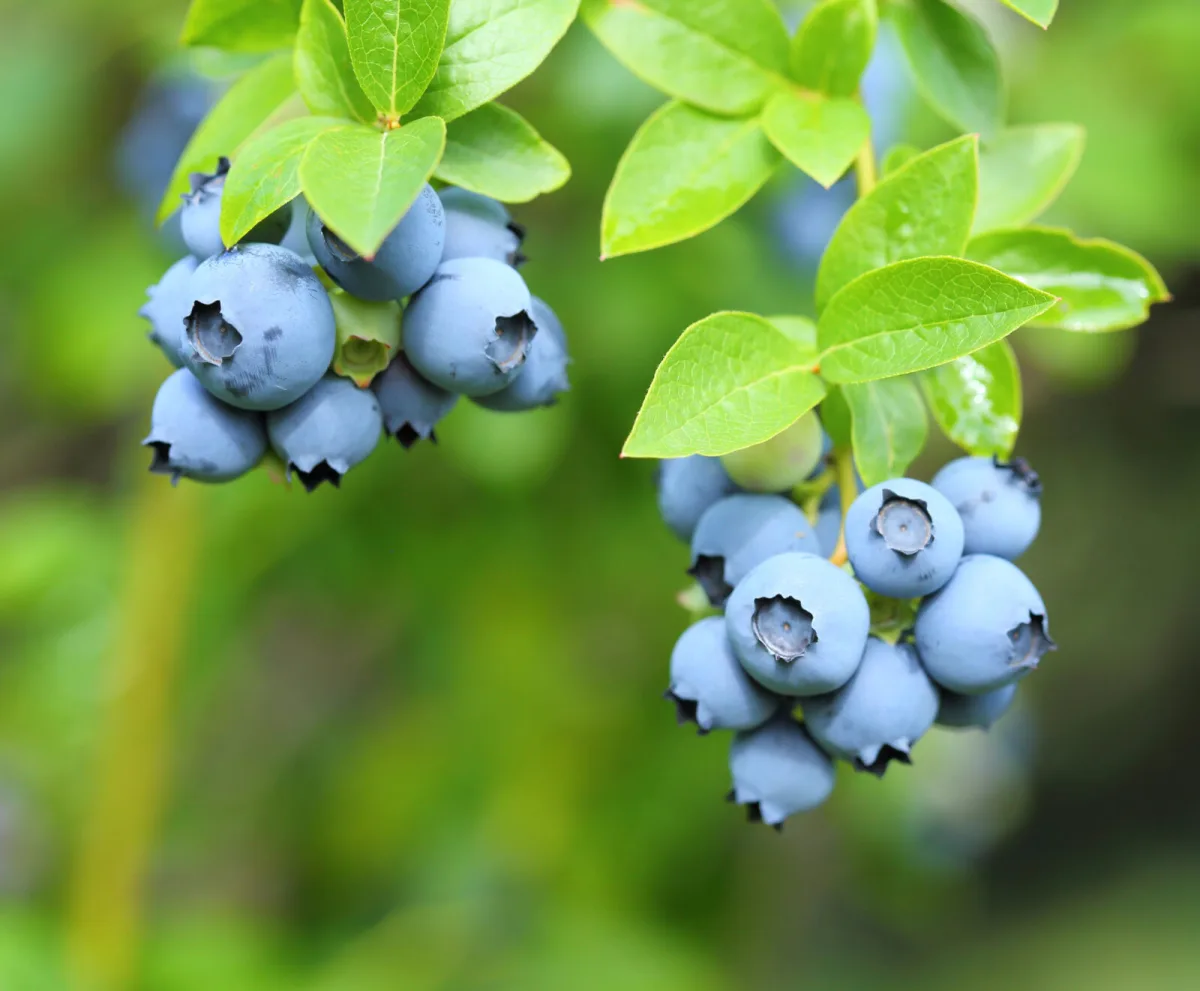
Blueberries are among the fruit shrubs that can be surprisingly demanding to grow. It’s not so much about complicated care, but rather sticking to a few key rules—without them, the plant may still grow, but cropping is often poor and the bush becomes weakened. The basic requirement is an acidic soil environment, because that’s where blueberries can take up nutrients most effectively.
Before planting—or any time you suspect the plant isn’t thriving—it pays to measure the soil pH. Ideal values usually fall roughly between 3.8 and 4.8. If the soil is less acidic, the plant often struggles, growth slows, yields drop, and overall resistance to stress and disease is typically lower.
Watering matters more than you think
Blueberry bushes tend to have a shallower root system, so they can’t easily reach deeper layers for water. That’s why regular, generous watering is important, especially in warmer periods. This is also where many growers run into a problem that isn’t obvious at first glance.
Tap water in some areas can contain more minerals and substances that gradually shift the soil toward a higher pH. This disrupts the acidic conditions and leads to poorer nutrient uptake. The bush may then look tired, growth slows down, and fruit set isn’t as abundant as it could be under the right conditions.
Rainwater is best, but there’s a solution without it
Rainwater is often cited as the best choice for watering. It usually has a more blueberry-friendly reaction than tap water and doesn’t unnecessarily reduce soil acidity. If you can, it’s worth collecting it from a roof or other surfaces into a barrel and using it not only for blueberries, but also for other plants that benefit from softer water.
But if you can’t collect rainwater, there’s no need to give up on growing blueberries. Even ordinary tap water can be adjusted to make it more suitable for blueberries and to avoid disturbing the acidic conditions the bush needs.
How to adjust tap water with citric acid
A simple at-home method is to acidify the water with citric acid. Alternatively, you can use ammonium sulfate, which also adds nitrogen. The process is practical and inexpensive, but you do need to watch the final acidity. Add one tablespoon of the chosen ingredient to about a 5-litre container of water and mix thoroughly.
Then it’s a good idea to check the pH with a tester. The aim is to reach a value that won’t unnecessarily compromise the soil for blueberries; generally, a maximum of around 5.5 is recommended. If the pH is still higher, add another tablespoon, mix again, and check. Repeat gradually until you get close to the desired value.
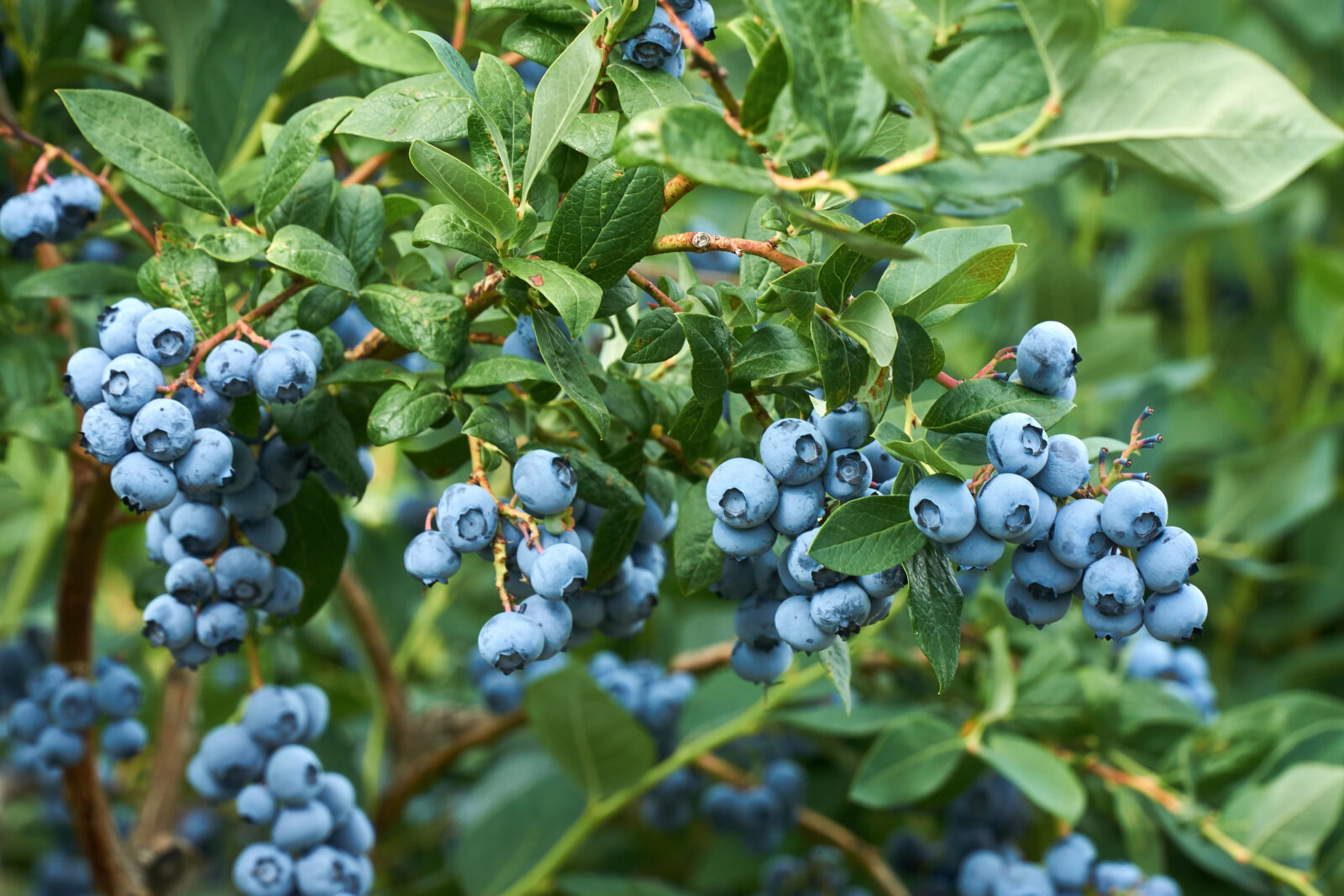
Correct watering application and what to avoid
You can use the adjusted water straight away. It’s important to water directly at the roots and avoid wetting the leaves unnecessarily, because the goal is to influence conditions in the root zone and support nutrient uptake. Regular watering with suitable water helps keep conditions stable, which often shows not only in better growth, but also in a heavier flush of flowers and, subsequently, more fruit.
If you give blueberries the acidic environment they need and keep an eye on what you water with, they’ll reward you with a stronger bush and a more generous harvest. Properly managed watering also supports better plant vitality, helping it cope more easily with summer heat and other weather swings.
Tip: Even when you’re adjusting water, do it in smaller increments and always verify the pH. Every water source has a different composition, and the same dose won’t work the same way everywhere.
Source: My Garden Life, Blueberry Hills, Pestrazahrada.cz

A lover of nature, gardens, and everything that moves, blooms, or grows. He literally grows everything, from herbs to rare species, and he enjoys caring for animals just as much. In his work, he connects modern technology with tried-and-tested grandmotherly methods and is happy when both paths lead to the same goal.
Related articles
Autumn strawberry care takes an hour and you will be rewarded with plants laden with fruit with just three steps
After fruiting, strawberries benefit from a few timely autumn jobs that help them winter well and bounce back strongly in spring. A simple trim, the right feed, and a protective mulch can mean bigger, tastier berries next season.

Christmas cactus will bloom again even after years if you avoid one common mistake
A Christmas cactus can look perfectly healthy yet refuse to flower for years. With the right light, temperature, watering, and a gentle boost, it can set buds again and bloom reliably.
Take care with pruners on ornamental grasses Some are best cut back in autumn others in spring
Ornamental grasses bring movement and structure, but not all of them should be left standing until spring. For several warm-season and self-seeding types, an autumn cut-back keeps borders tidier and helps limit spread.
Comments (0)
Be the first to comment.