
 English
  Polski
  Deutsch
  Nederlands
  Svenska
  Norsk
Norsk  Dansk
Dansk  Français
  Italiano
  Español
  Português
  Slovenčina
  Suomi
Suomi  Gaeilge
 Dog Waste Never Belongs in Home Compost and the Reason Is Crucial
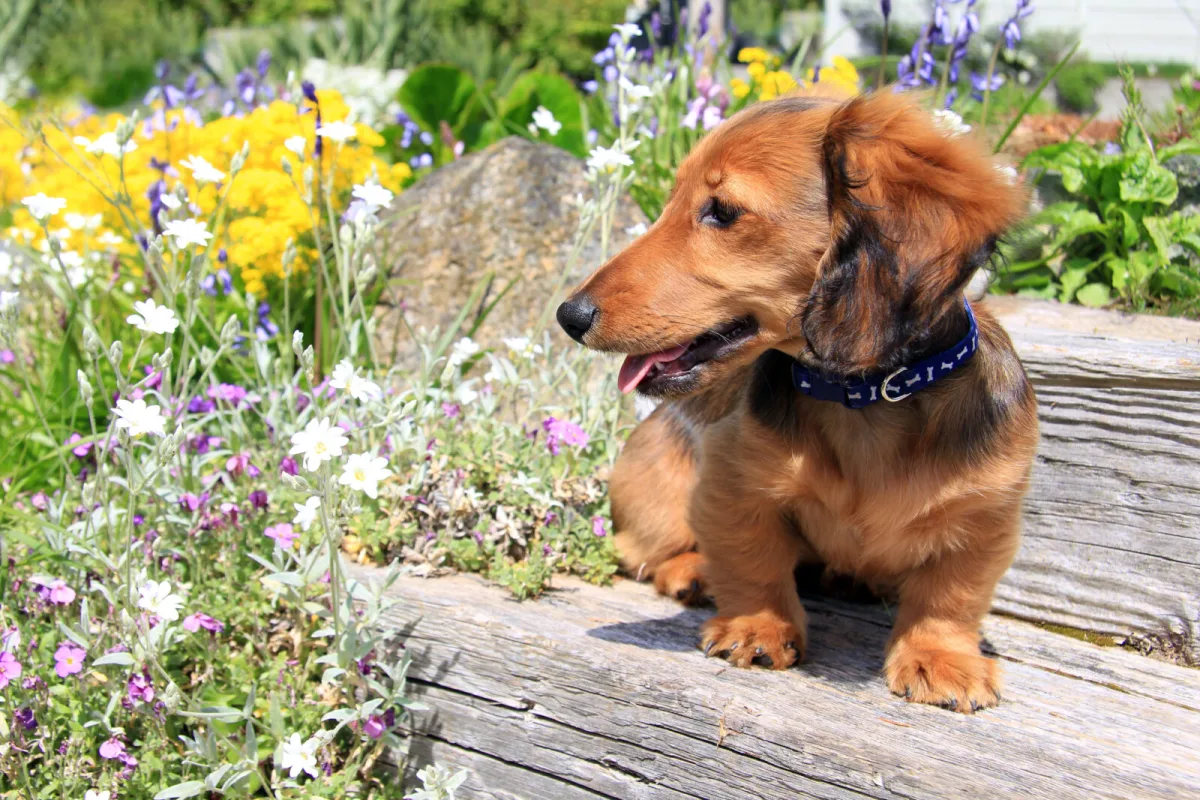
Dog poo isn’t just an unpleasant nuisance on the pavement or in the grass. It can contain bacteria and parasites that may put people, other pets and wildlife at risk. If it’s left behind, rain can wash it into drains and waterways, or contaminate soil in parks and on children’s play areas.
Even a small amount quickly adds up in places with heavy dog traffic. Regular clean-up is one of those quiet habits that helps public spaces work properly and stay safe and pleasant for everyone.
The simplest option is still the one that works
A bag and a bin as the most reliable routine
For most dog owners, the most practical solution remains the same. Pick it up with a sturdy bag, tie it securely, then put it in general waste or in a dedicated dog-waste bin if one is available.
This method isn’t perfect from an environmental standpoint, but it’s safe, hygienic and the easiest to use day to day. People often wonder whether to double-bag. In practice, choosing a stronger, more tear-resistant bag usually makes more sense than adding a second layer.
Biodegradable and compostable bags have their limits
Biodegradable bags aren’t a magic wand
Switching to more eco-friendly bags is a small change that can feel good and, in some situations, genuinely help. Biodegradable bags are designed to break down over time, but landfill conditions often slow decomposition far more than people expect. Even so, they often come out better than conventional plastics.
Compostable bags need the right conditions
Compostable versions go a step further, but they only work properly when certain conditions are met. Without the right temperature, moisture and composting process, they can behave much like regular waste. In other words, it’s a step in the right direction, but it’s not a cure-all.
Composting dog waste at home requires a separate system
A dedicated composter for dog waste
If you have a garden, or at least a suitable outdoor space, it may make sense to use a system designed specifically for dog waste. These composters use enzymes or natural breakdown processes so the waste decomposes more safely and with less impact on the surrounding area.
It’s important to understand that the finished material should not be used to grow edible plants. It’s better suited to ornamental areas of the garden, or places where you don’t grow vegetables or herbs. Setting up the system takes a bit of effort, but for some owners it’s a pleasant long-term alternative to constantly throwing it in general waste.
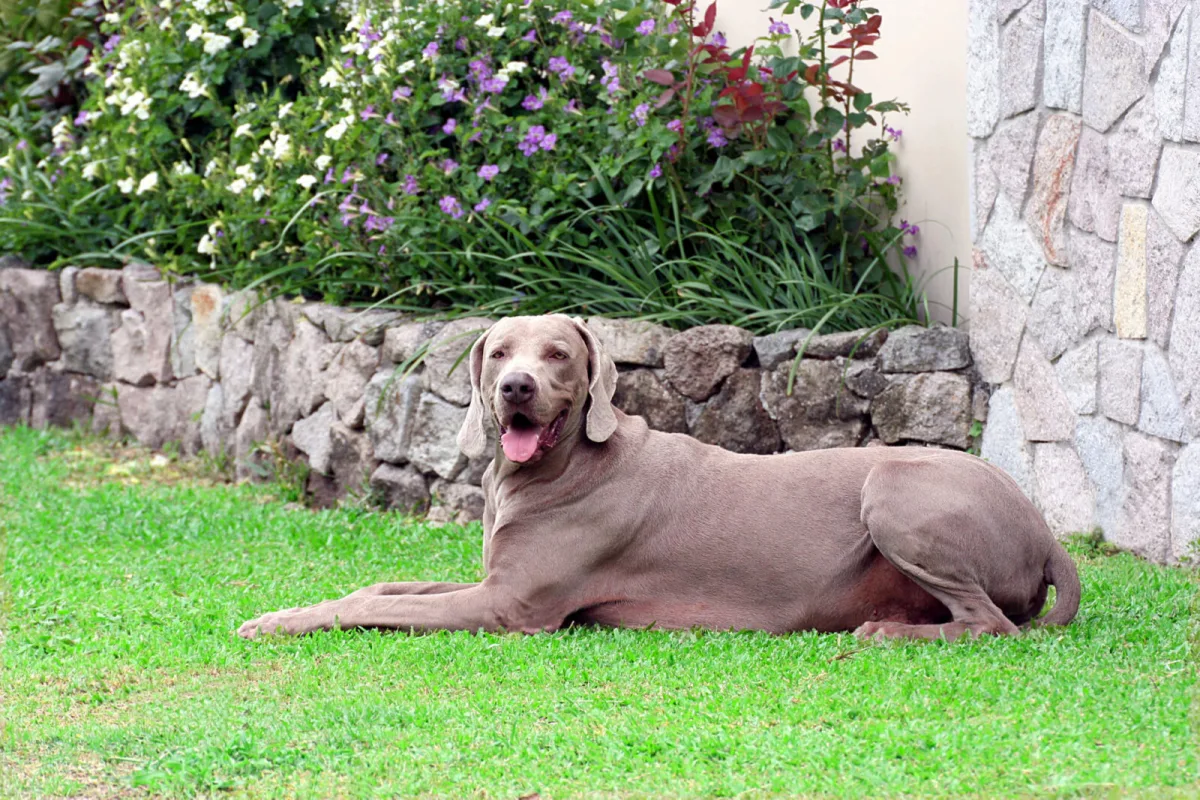
A digester works like a small at-home treatment unit for dog waste
A buried digester and breakdown with enzymes
Another option is a so-called digester, which behaves a bit like a miniature septic system. The container is set into the ground, dog waste is added gradually, and decomposition is supported with water or enzyme products. The advantage is that it’s discreet and odours are usually kept under control, which you’ll appreciate with regular use.
It’s best suited to gardens with enough space and decent drainage. In very small outdoor areas, installation can be impractical and performance may drop if conditions aren’t right.
Flushing down the toilet can work, but only in some places
When it’s safe and when it’s better not to
Some people choose to flush dog poo down the toilet. In certain cases it can be possible, but you need to follow a few rules. The waste must be bag-free, and this option must be permitted by your local water and sewerage provider or the council.
This approach isn’t recommended everywhere, partly due to parasite risks and differences in wastewater treatment capabilities. It’s worth checking local guidelines before turning it into a routine.
Never put the bag in the toilet. Not even one labelled as flushable, because in practice it often causes problems.
Common mistakes that make things worse for no reason
Good intentions sometimes end with a bad outcome
Even conscientious dog owners sometimes make a move that undermines all their efforts. A typical example is tied bags left on a path or hung on a branch with the idea that someone will pick them up later. Often that doesn’t happen, and the waste is left in nature.
Another issue is throwing dog waste into recycling bins, where it doesn’t belong. Likewise, it’s not suitable to add dog poo to an ordinary home compost heap, which is meant for garden and kitchen plant-based waste. Very thin bags that tear easily also create problems, making clean-up and hygiene much harder.
What’s truly greener and what’s simply a compromise
No solution is 100%
The truth is a bit uncomfortable: there’s no perfect option. The most realistic approach is usually a combination of a few steps you can stick to long term. It helps to use stronger or biodegradable bags, pick up promptly, and always bin it where it belongs. If you have the right conditions, it may be worth considering a composter or digester designed specifically for dog waste.
In practice, it’s not about being perfect, but about making slightly better choices where you can. Disposing of dog waste isn’t complicated in itself; the key is consistency. The best method is usually the one you can use every day without unnecessary hassle.
If you want to be kinder to the environment, even small changes add up over time. Sometimes it’s as simple as switching bag types; other times it’s about improving how you carry waste and where you dispose of it safely. Most people are mainly looking for a solution that works reliably and doesn’t create a fuss, and that’s exactly the point here.
Source: Natures Harvest, Eco Pack , Pestrazahrada.cz
Related articles
The Most Common Mistake With Home-Laid Eggs That Seems Careful but Actually Harms Them
Fresh eggs from your own or local hens have a natural protective coating that helps keep bacteria out. Washing them too soon can strip that protection and shorten their keeping quality.
An Empty Nest Box in a Tree Reveals a Mistake Even Experienced DIYers Make
Making a bird nest box is an easy project, but small construction and placement mistakes can leave it sitting empty. Get the sizing, ventilation, materials and siting right so birds will actually move in.
Late Feeding Weakens the Whole Colony and Beekeepers Know the Deadline They Must Not Miss
Successful overwintering depends on timely feeding and enough easily digestible stores. If you feed too late, you overburden winter bees and risk a weakened colony or starvation losses.
Comments (0)
Be the first to comment.