
 English
  Polski
  Deutsch
  Nederlands
  Svenska
  Norsk
Norsk  Dansk
Dansk  Français
  Italiano
  Español
  Português
  Slovenčina
  Suomi
Suomi  Gaeilge
 August Care for White Cabbage and Why You Shouldn’t Rush to Remove the Lower Leaves
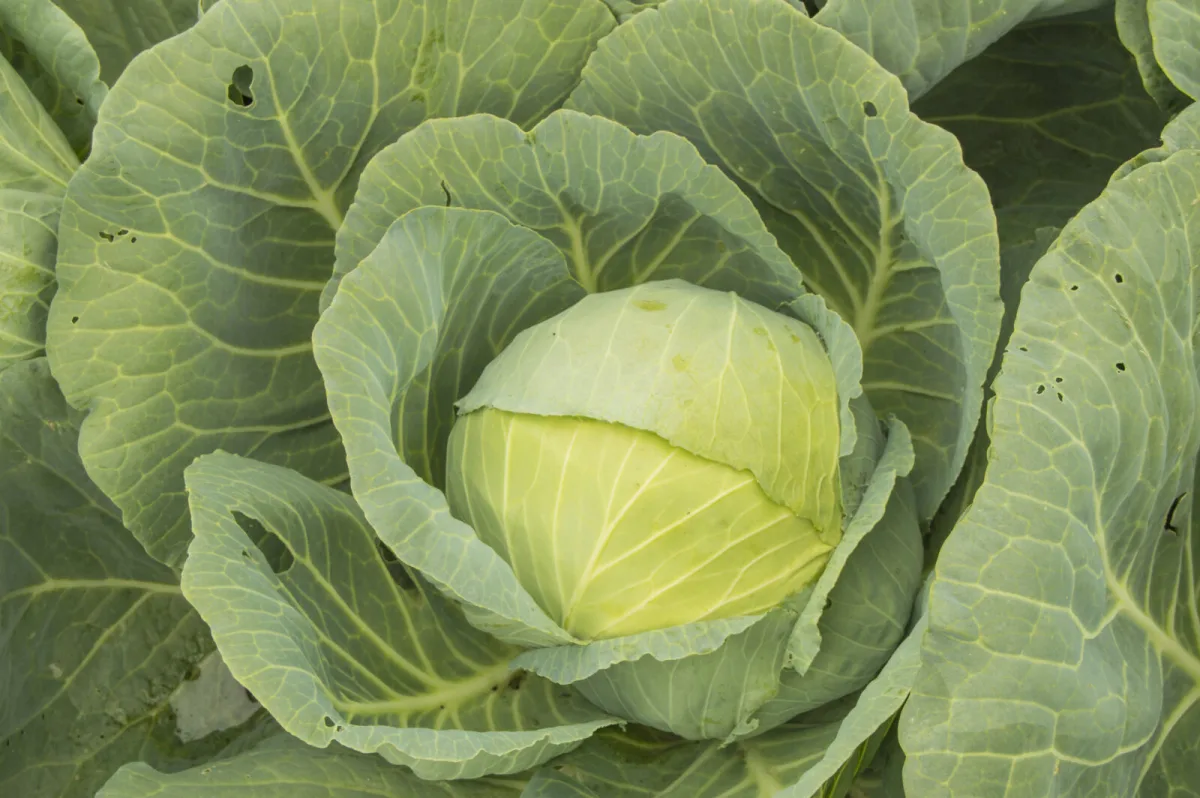
Many growers of white cabbage have a long‑standing late-summer habit: in August they remove the lower leaves so the bed looks neater and the heads supposedly size up better. This is often done in early or mid‑August, but it isn’t always beneficial for the plant. The lower leaves are not just excess greenery near the soil surface, but an important part of the whole system that feeds and protects the head.
Lower leaves aren’t waste, they feed the head
The outer, lower leaves act as both a reserve and a transport route for nutrients. They move essential compounds into the head and help the plant keep up its growth momentum. If they are removed too early, the cabbage can lose some of the resources it uses to build a firm, large head. The result may be a smaller harvest: heads may size up more slowly or remain looser.
A protective layer against damage and stress
Lower leaves also form a natural shield. They protect the more tender inner leaves from mechanical damage, soil splash, and harsh sun. When this layer is removed without a good reason, the plant is more prone to injury and copes worse with the weather swings that are common in August.
Vitamin C and crop quality
Outer leaves tend to be rich in vitamin C. If a grower removes them simply because they are in the way, they unnecessarily lose some valuable nutrients. Even though the head is what’s most often harvested, the overall nutritional value of the plant can drop—and depending on the condition and variety, you also lose the option of using some of the leaves in the kitchen.
Risks of rough leaf removal
Another problem is damaging the stem or the points where leaves attach. When a leaf is torn off or cut with a dirty tool, it creates an entry point for bacteria and other pathogens. Such damage can lead to rot, weaken the plant, and in extreme cases ruin part of the crop. This is especially risky when the soil stays wetter for long periods or when rainy spells alternate with warm weather.
Soil moisture and less frequent watering
Lower leaves also have a practical role in water management. They shade the soil around the roots and help retain moisture by slowing evaporation. When they are removed, the soil dries out faster and the cabbage may need more frequent watering. This can show up negatively especially during hot spells, when the plant has a high demand for a steady water supply.
Pests often start on the outside and that’s an advantage
Pest damage on cabbage often begins on the outer leaves. That is actually a useful warning sign that it’s time to act. If the lower leaves are removed across the board, early problems can be missed because there is less “inspection area,” and pests can quickly move closer to the head. Regularly checking the leaves is one of the simplest ways to prevent issues from spreading through the bed.
When to remove leaves and when to leave them
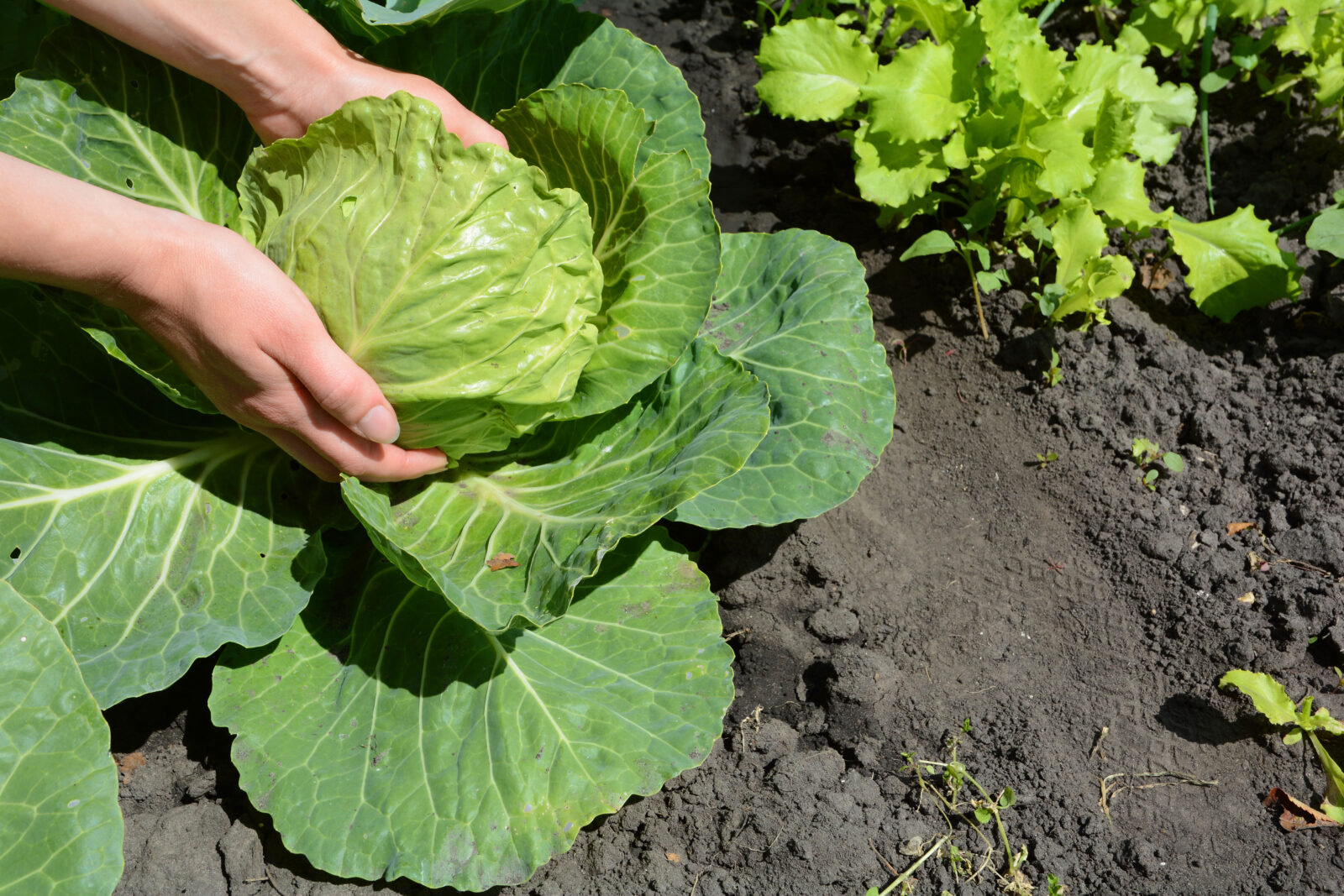
The rule is simple: only leaves that are clearly dry, rotting, badly damaged, or affected by pests or disease should go. Removing healthy green leaves for appearance or out of habit can weaken the plant. The ideal moment is when a leaf naturally wilts and no longer does its job, or when it compromises crop hygiene by lying on the ground and breaking down.
The best time to intervene is only when a leaf naturally starts to wilt or is clearly damaged—not when it is still fully functional.
How to do it gently so you don’t injure the plant
If a leaf needs to be removed, work carefully and cleanly. Disinfected pruning shears or small secateurs are ideal. Make a clean cut positioned to damage the leaf stalk and surrounding tissue as little as possible. The smaller the wound, the lower the risk of infection, and the faster the plant can recover from the minor intervention.
Other August steps for healthy heads
Besides dealing with leaves, it pays to focus on regular health checks, because catching pests or diseases early can save a large part of the harvest. For protection, it makes sense to choose gentler, more eco‑friendly methods, so you don’t unnecessarily burden the surroundings while keeping the quality of the harvested heads. Consistent watering is also important, because soil drying out can quickly show up in both head quality and size.
A balanced approach brings a bigger, better harvest
When a grower leaves healthy lower leaves in place, removes only the truly problematic ones, and keeps an eye on watering and pests, cabbage grows more strongly and evenly. The reward is firm, nutrient-rich heads that suit the home kitchen and store better. August isn’t the month for wholesale leaf stripping, but rather a time for sensible monitoring and careful, targeted interventions.
Source: To je nápad, Gardening Know How, Gardenino, Pestrazahrada.cz

A lover of nature, gardens, and everything that moves, blooms, or grows. He literally grows everything, from herbs to rare species, and he enjoys caring for animals just as much. In his work, he connects modern technology with tried-and-tested grandmotherly methods and is happy when both paths lead to the same goal.
Related articles
A Pineapple Top Will Root in Two Weeks, but Success Depends on the Step Most People Skip
Don’t throw away the leafy crown when you cut a pineapple. With the right prep, light, warmth and careful watering, you can root it and grow a houseplant that may eventually fruit.
Overwintering Geraniums in a Box Ensures Stronger Growth and More Abundant Spring Bloom
Many people throw balcony geraniums away after the season, even though they can overwinter very well. Stored correctly in a box in cool, dark, dry conditions, they’ll come back stronger and flower generously in spring.
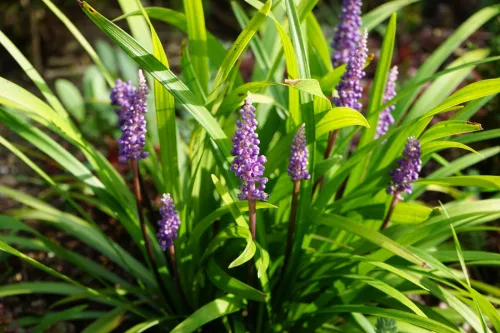
This perennial flowers when others are finishing, thrives in shade and is still little known in the Czech Republic
Liriope is a tough, evergreen perennial with grassy foliage that comes into its own at the end of summer, when many other plants are fading. It thrives in partial shade to shade, needs little care, and adds structure to borders year-round.
Comments (0)
Be the first to comment.