
 English
  Polski
  Deutsch
  Nederlands
  Svenska
  Norsk
Norsk  Dansk
Dansk  Français
  Italiano
  Español
  Português
  Slovenčina
  Suomi
Suomi  Gaeilge
 Two common household ingredients can replace expensive tomato sprays and boost your harvest
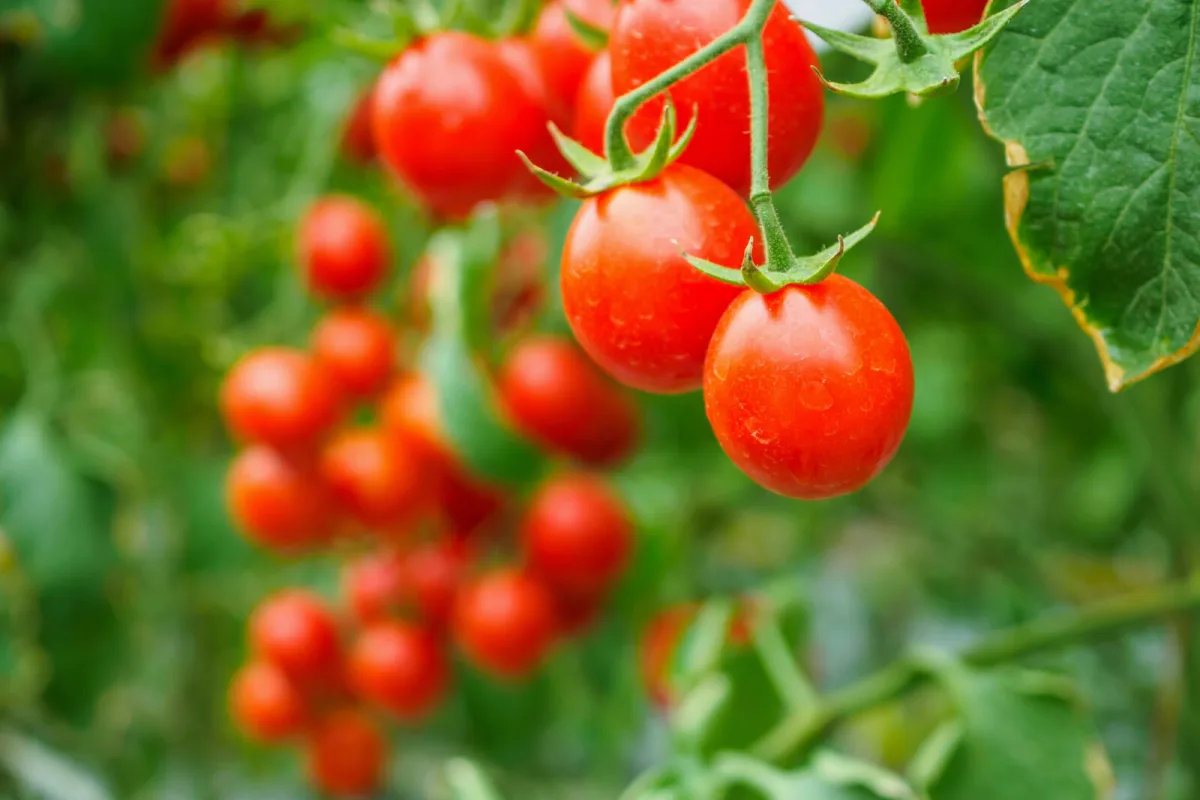
Anyone who grows tomatoes wants firm, juicy, sweet fruits. Yet even with regular watering, plants can still grow slowly, flower sparsely, or get hit by blight and pests. Often it’s no mystery at all, but a lack of nutrients and weakened natural resistance. Instead of expensive commercial products, you can reach for two readily available helpers that experienced gardeners have used for years. The first is whey from cultured dairy, the second is ordinary household ammonia as a nitrogen source.
Whey as plant food and a gentle protective shield
Whey isn’t just the watery leftover from making cheese or cultured dairy. It contains useful substances that can support growth while also improving overall plant condition. In practice, it’s valued mainly for its natural mineral content and other components involved in building leafy growth and overall vitality. Another advantage is the environment whey creates on the leaves. Thanks to the presence of acidic cultures, a thin film can form on the plant surface, making it harder for some unwanted fungi and mildews to multiply.
Whey can nourish tomatoes while also supporting their natural resistance, as long as it’s used correctly and regularly.
How to prepare whey at home
The easiest way is to use a cultured dairy product without unnecessary additives. Choose one that hasn’t been heat-treated and contains no starches, sugars, or stabilisers. Kefir is often used. Let it stand until the liquid naturally separates from the curdled protein. Then strain the mixture through several layers of cheesecloth or a clean cloth and let the whey drip through slowly, ideally overnight. With longer ripening at room temperature, the resulting liquid is usually richer in beneficial cultures.
Whey foliar spray for leaves
For foliar use, a spray bottle is practical. It’s best to dilute whey with water at a 1:1 ratio so it isn’t too concentrated for the plants. This spray is aimed at the leaves and stems, where it can help keep plants in better condition. During summer, the solution can be gently adjusted by adding a few drops of iodine, which gardeners use to support prevention against fungal problems that often trouble tomatoes during periods of warm days and cooler nights.
Whey as a root drench
Whey can also be used as a soil drench directly at the roots. A proven method is to mix 2 litres of whey into 12 litres of water. Then apply about 1 litre of this mixture to each plant. This delivers nutrients into the soil and can support growth and fruiting without reaching for harsh preparations.
Ammonia as a fast nitrogen source and a helper against pests
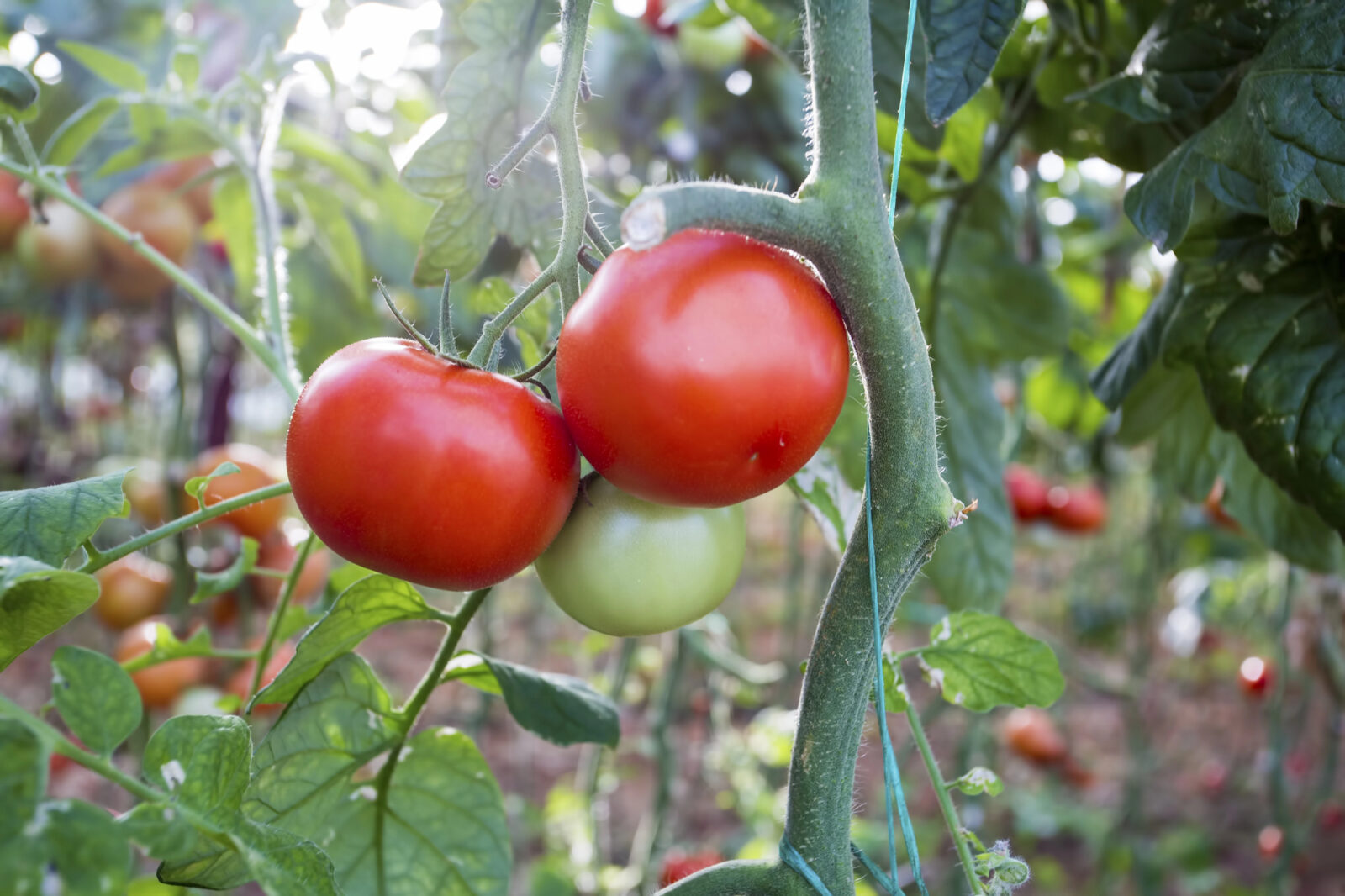
The second ingredient that can help tomatoes significantly is ammonia. Gardeners use it mainly as an accessible source of nitrogen, an element essential for growth and the production of leafy green mass. When plants are weakened, it often shows as paler leaves and slower overall development. Correctly dosed ammonia can give a boost, but it’s important to stick to sensible amounts. It’s also credited with a side effect of limiting certain pests, such as aphids or slugs, and a supportive role in preventing rots and mildews.
How to prepare an ammonia watering mix
Start with water, ideally left to stand for at least one day. Then add ammonia to a bucket of water in a small amount, no more than 20 ml for that volume. Use the mixture sparingly. Don’t pour a whole bucket onto each plant; apply only a few tablespoons, typically 3 to 5 heaped tablespoons. This reduces the risk of overfeeding and gives the plant a dose meant to support it, not burden it.
How to work both ingredients into the season wisely
Whey is suited to ongoing care, whether as a spray or a soil drench, because it helps keep plants in good condition and can support their resilience. Ammonia, by contrast, is used more as targeted support when tomatoes need nitrogen or when you want to strengthen plants during a period of intensive growth. The key is not to overdo the doses, watch how the plants respond, and adjust care to the weather and the state of the bed. Used sensibly, these two simple ingredients can make a real difference, helping you harvest more healthy, great-tasting fruits.
Source: MDPI, Research Gate, Best Juicy Tomatoes, Pestrazahrada.cz

A lover of nature, gardens, and everything that moves, blooms, or grows. He literally grows everything, from herbs to rare species, and he enjoys caring for animals just as much. In his work, he connects modern technology with tried-and-tested grandmotherly methods and is happy when both paths lead to the same goal.
Related articles
The More Often You Harvest, the Longer Plants Keep Cropping
With fruiting vegetables, frequent picking keeps plants flowering and producing for longer. A few crops, such as aubergines, are tastiest when harvested slightly earlier rather than fully mature.
Wasps Aren’t Just a Barbecue Menace They Can Ruin Your Garden Woodwork Too
Weathering isn’t always the main culprit behind damaged outdoor timber. Wasps can scrape fibres from boards and beams surprisingly fast, leaving grooves that soak up water and accelerate decay.
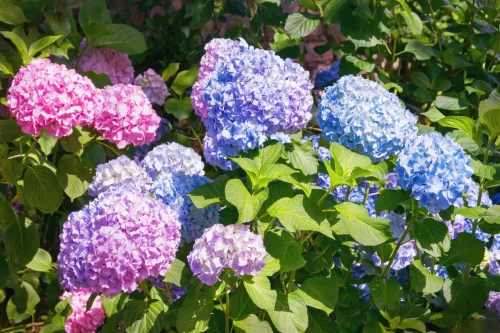
Why hydrangeas wilt in summer even when watered and how to save them fast
Hydrangeas can look limp in hot weather even if you’ve been watering faithfully. The key is to check what’s happening in the root zone, then adjust watering, shade and mulching so the plant can actually use the moisture available.
Comments (0)
Be the first to comment.