
 English
  Polski
  Deutsch
  Nederlands
  Svenska
  Norsk
Norsk  Dansk
Dansk  Français
  Italiano
  Español
  Português
  Slovenčina
  Suomi
Suomi  Gaeilge
 When Cucumbers Are Fruiting, They’re Greedy Feeders and Without Extra Feeding You’ll Harvest Fewer
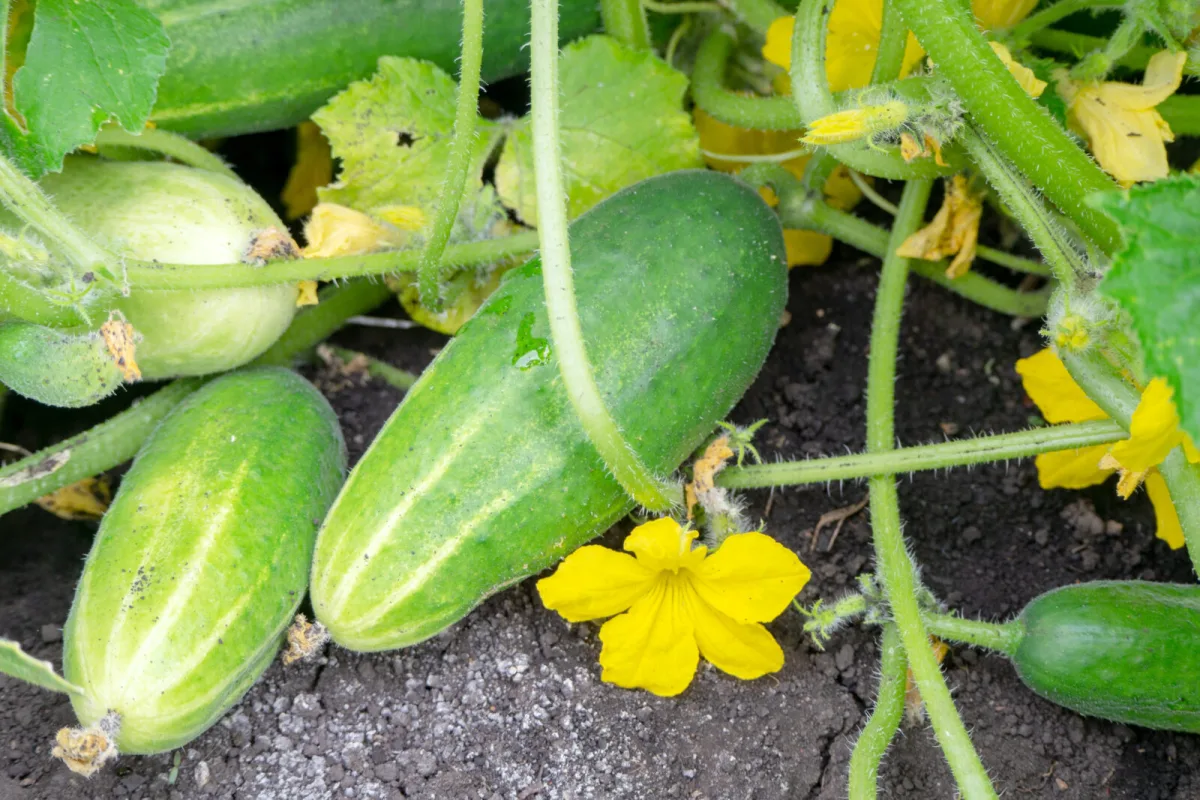
Cucumbers are among the crops that draw a large amount of nutrients from the soil. It’s often said that once the first fruits appear, the plant can manage on its own and further feeding isn’t necessary. In reality, it’s the opposite. It’s exactly during the period of heavy fruit set and rapid growth that nutrient demand is at its highest, and without regular top-ups the harvest will start to thin out quickly.
When a plant has adequate nutrition, it keeps producing new flowers, maintains its vigour, and can crop for longer. If nutrients are lacking, you’ll notice it fairly soon not only in the quantity, but also in the quality of what you pick.
How to tell your cucumbers are running out of steam
Each additional fruit is a major energy investment for the plant. Once the reserves in the soil are used up, cucumbers begin to weaken. In practice, you’ll usually see it as smaller gains in new fruit, more frequent yellowing of leaves, or small cucumbers that fail to reach their usual size. Sometimes crispness and flavour suffer too, because the plant manages water and minerals much less effectively.
Regular feeding during the fruiting period helps maintain a steady growth pace and encourages the plant to keep setting flowers and new cucumbers continuously, rather than in one short flush.
The most important nutrients for fruiting are potassium and phosphorus
While fruiting, cucumbers most appreciate a higher supply of potassium, along with a smaller but still important dose of phosphorus. Potassium supports firm, juicy, great-tasting fruit and also helps prevent unpleasant bitterness. Phosphorus, on the other hand, strengthens roots and overall vigour so the plant can cope with a long season without being quickly exhausted.
A practical, proven choice is monopotassium phosphate, because it provides exactly what’s needed at this stage, without unnecessarily boosting nitrogen.
How to mix a monopotassium phosphate feed
Dissolve 10 to 15 g of monopotassium phosphate in 10 litres of lukewarm water, stirring well until fully dissolved. Apply the solution to the root zone. For one mature plant, about 0.7 to 1 litre is usually enough, depending on plant size and soil moisture.
Before feeding, it’s best to water the bed first with plain water. The roots will then take up nutrients more evenly, and the risk of irritating or damaging the root system is reduced.
A natural alternative that supplies potassium and trace elements
If you prefer a more natural approach, you can use wood ash. It contains a significant amount of potassium and calcium, along with a range of trace elements that can support longer, steadier cropping. Ash is especially useful when you want to feed gently while also improving overall plant condition.
Wood-ash tea for cucumbers
Add 1 glass of sifted wood ash to 10 litres of water. Leave the mixture to stand for several hours, then stir and use as a root drench. Around 1 litre of the extract is usually sufficient per plant.
Use only ash from clean, chemically untreated wood. Ash from coal, varnished, painted, or otherwise treated wood is not suitable for fertilising.
When to feed and how often to repeat
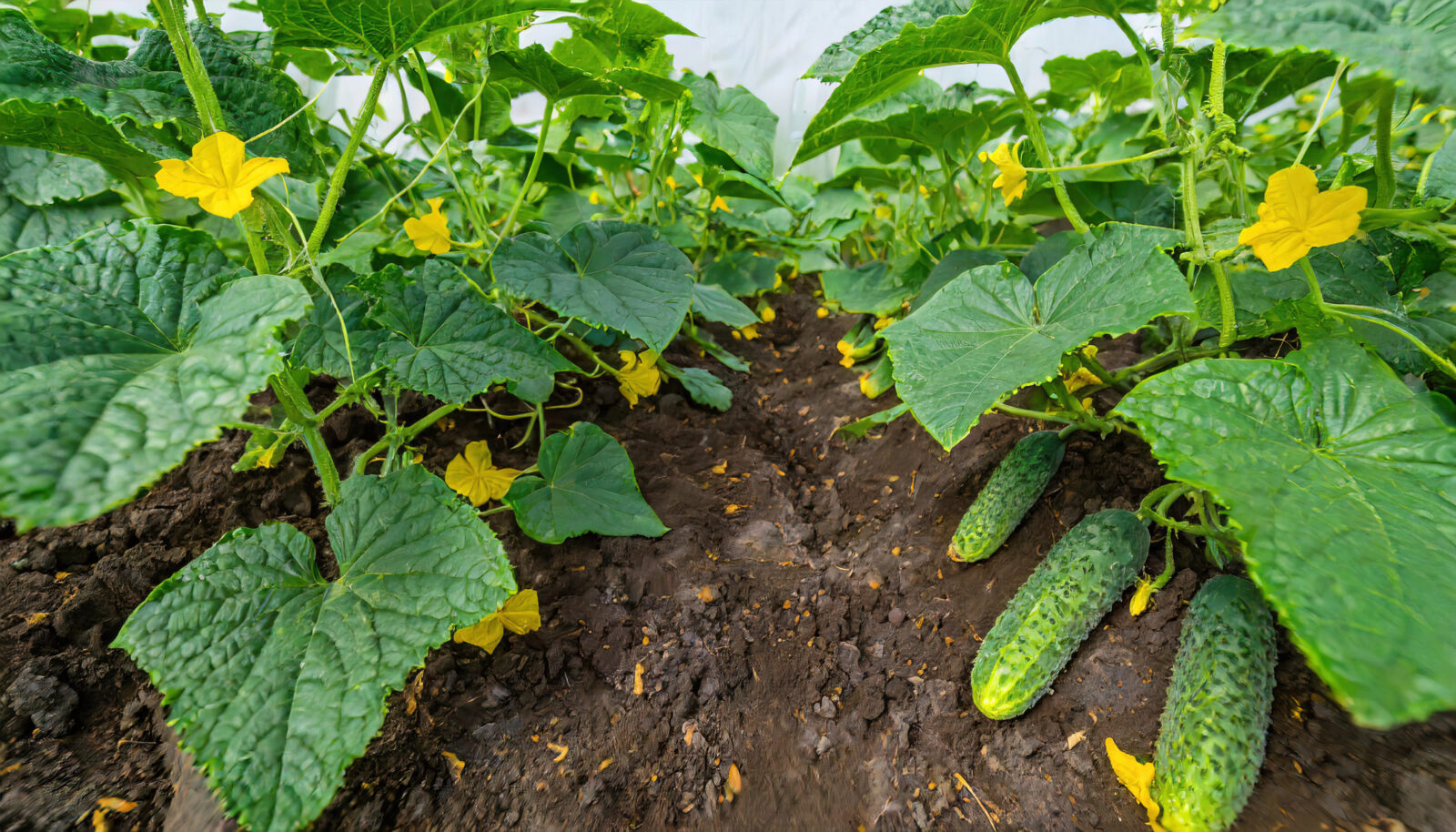
The best time to fertilise is early morning or evening, when the sun isn’t beating down on the plants. Repeat feeding roughly once every 10 to 14 days. In hot spells, don’t underestimate regular watering, because without enough moisture cucumbers can’t use nutrients well and the fertiliser’s effect will be much weaker.
What to avoid in peak season
During the main fruiting period, it’s better not to overdo nitrogen-rich fertilisers. Too much nitrogen does encourage rapid leaf and shoot growth, but it can reduce flower and fruit formation. The plant then invests energy into lush foliage instead of the next harvest. For the highest yields, it usually makes more sense to focus on potassium and consistent watering than on adding more nitrogen.
A few minutes of care can extend harvesting right into autumn
Well-chosen feeding can significantly prolong the fruiting period. Plants stay strong, keep producing flowers, and the fruit develops evenly. If you top up the right nutrients once every two weeks and keep the soil evenly moist, the reward can be baskets of crisp cucumbers even when the season in other beds is already beginning to wind down.
Source: Gardenia, Gardenino, To je nápad, GrowVeg, Pestrazahrada.cz

A lover of nature, gardens, and everything that moves, blooms, or grows. He literally grows everything, from herbs to rare species, and he enjoys caring for animals just as much. In his work, he connects modern technology with tried-and-tested grandmotherly methods and is happy when both paths lead to the same goal.
Related articles
The More Often You Harvest, the Longer Plants Keep Cropping
With fruiting vegetables, frequent picking keeps plants flowering and producing for longer. A few crops, such as aubergines, are tastiest when harvested slightly earlier rather than fully mature.
Wasps Aren’t Just a Barbecue Menace They Can Ruin Your Garden Woodwork Too
Weathering isn’t always the main culprit behind damaged outdoor timber. Wasps can scrape fibres from boards and beams surprisingly fast, leaving grooves that soak up water and accelerate decay.
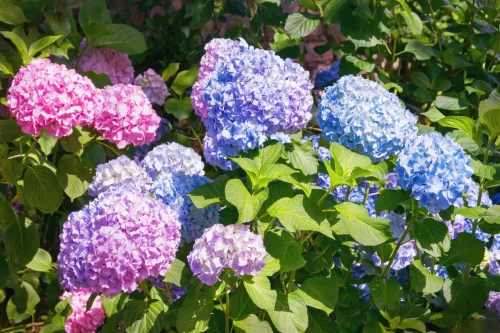
Why hydrangeas wilt in summer even when watered and how to save them fast
Hydrangeas can look limp in hot weather even if you’ve been watering faithfully. The key is to check what’s happening in the root zone, then adjust watering, shade and mulching so the plant can actually use the moisture available.
Comments (0)
Be the first to comment.