
 English
  Polski
  Deutsch
  Nederlands
  Svenska
  Norsk
Norsk  Dansk
Dansk  Français
  Italiano
  Español
  Português
  Slovenčina
  Suomi
Suomi  Gaeilge
 A Small Change in Growing Basil Produced Stronger Stems and Richer Leaves
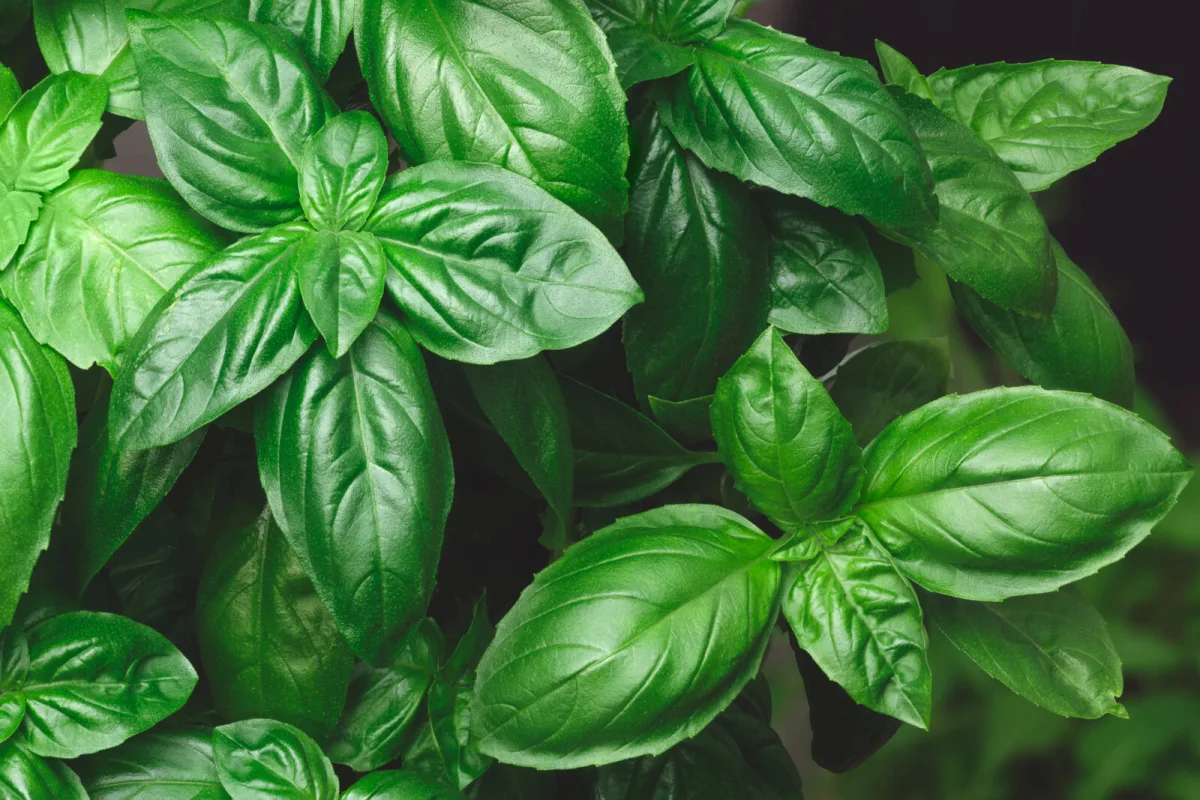
Herbs are among the most rewarding plants because they can thrive in the garden as well as on a windowsill, often with only basic care. In the kitchen they bring a fresh taste, a punchy fragrance, and plenty of uses in both hot and cold dishes. One of the most popular staples is basil, prized for its aromatic leaves and versatility. To keep it in good shape through summer, though, it needs the right conditions, especially plenty of light, sensible watering, and room for air to circulate.
Expert tip: why sun and spacing matter
Well-known British gardening expert Alan Titchmarsh recommends not underestimating two things with basil. The first is as much sunshine as possible, because warmth and light drive fast growth and a stronger fragrance. The second is enough space between individual plants or stems. When shoots are crammed tightly together, moisture lingers more easily and the plant can suffer from mildew. That’s why it makes sense to leave roughly ten centimetres between plants, so air can move freely around each one.
Basil loves warmth and sun, but when temperatures drop it can wilt very quickly.
A gardener’s experience: how simple changes paid off
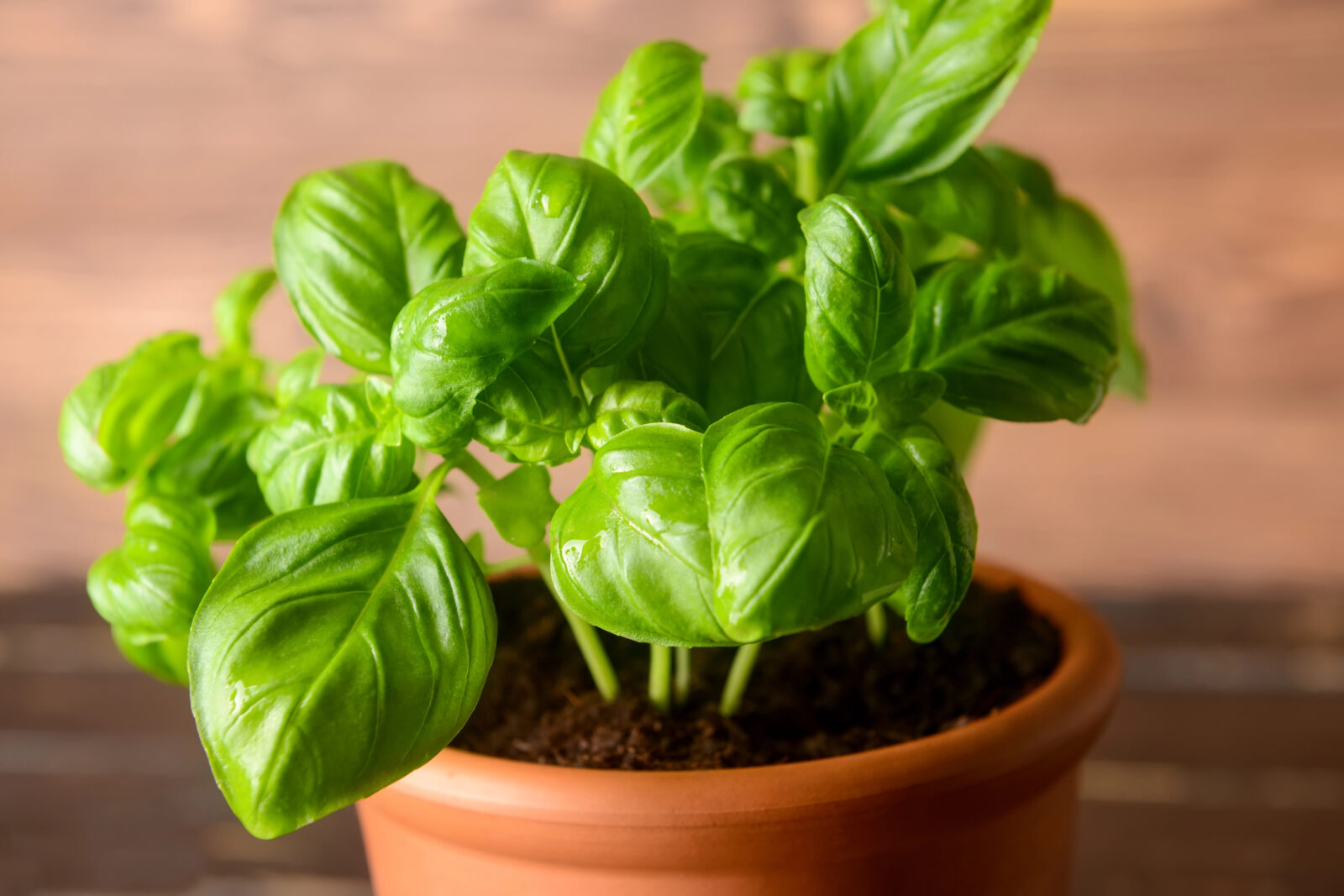
Gardener Jarmila decided to put the advice into practice, and the results pleasantly surprised her. First, she split the basil up and rearranged it so each section had more space. That improved airflow around the stems and leaves, which matters not only for disease prevention but also for the plant’s overall vigour. The next step was moving the pot to a brighter spot, where the basil could catch more sun during the day. This is often the crucial difference between a plant that merely survives and one that truly thrives.
Regular watering, especially in hot weather
Part of the success was also more consistent watering on warmer days. Basil needs water regularly, especially during heatwaves. When it’s thirsty, it usually gives itself away quickly with drooping leaves. Jarmila kept an eye on the compost so it didn’t dry out unnecessarily, because a plant grown in a container loses moisture faster than basil planted directly in the ground. With pots, it can happen that the surface looks dry again soon after watering, particularly if the container sits in full sun.
How she knew the basil was healthier
After these adjustments, the change showed fairly quickly. Jarmila says her basil looks sturdier overall, with thicker stems and leaves that have taken on a deeper, richer colour. A plant like that is easy to harvest little by little because it keeps producing new leaves, and in the kitchen the difference in aroma is immediate. Fresh basil is perfect on pizza, in salads, or in simple summer sauces where its distinctive fragrance really shines.
What else to do to make basil bushier
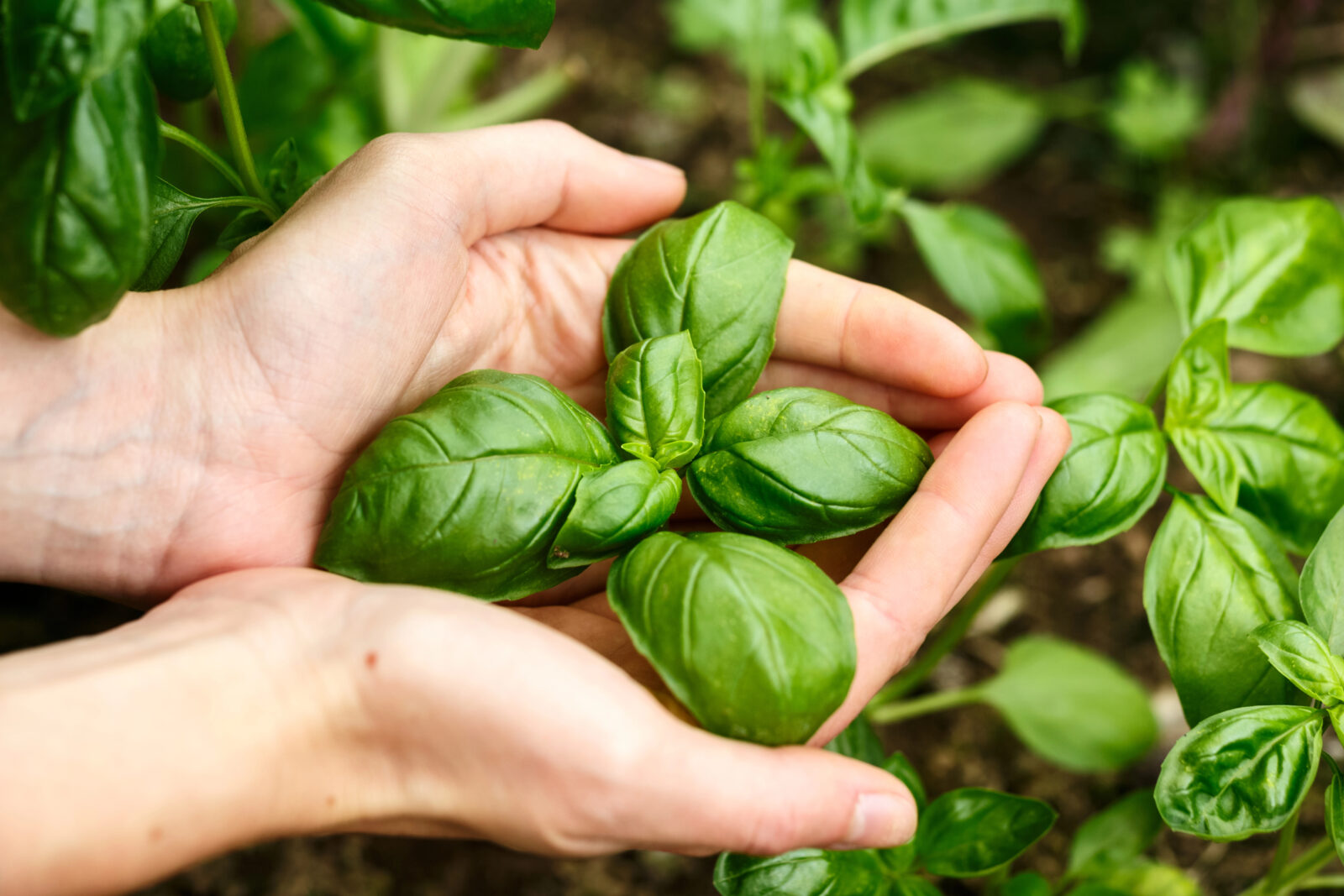
To finish, Jarmila is planning one more step that can strengthen basil and make it fuller. She intends to pinch out the growing tips so the plant branches more. When the tops are pinched regularly and you harvest with a bit of strategy, basil typically doesn’t just stretch upwards in one direction, but starts producing more side shoots. The result is a more compact, bushy plant with a greater number of leaves, which is exactly what most growers want over summer.
A simple summary of what basil really needs
If basil gets plenty of sun, isn’t overcrowded, and has a steady supply of water, it will reward you with lush growth and a strong fragrance. The key is to give it space, light, and not let it suffer from drought in hot weather. Even small changes, like splitting up crowded stems in a pot and moving it to a brighter spot, can make the difference that helps basil do better than ever before.
Source: Pestrá zahrada, Zahrádkár, Gardening Know How, Pestrazahrada.cz

A lover of nature, gardens, and everything that moves, blooms, or grows. He literally grows everything, from herbs to rare species, and he enjoys caring for animals just as much. In his work, he connects modern technology with tried-and-tested grandmotherly methods and is happy when both paths lead to the same goal.
Related articles
Autumn strawberry care takes an hour and you will be rewarded with plants laden with fruit with just three steps
After fruiting, strawberries benefit from a few timely autumn jobs that help them winter well and bounce back strongly in spring. A simple trim, the right feed, and a protective mulch can mean bigger, tastier berries next season.
Christmas cactus will bloom again even after years if you avoid one common mistake
A Christmas cactus can look perfectly healthy yet refuse to flower for years. With the right light, temperature, watering, and a gentle boost, it can set buds again and bloom reliably.
Take care with pruners on ornamental grasses Some are best cut back in autumn others in spring
Ornamental grasses bring movement and structure, but not all of them should be left standing until spring. For several warm-season and self-seeding types, an autumn cut-back keeps borders tidier and helps limit spread.
Comments (0)
Be the first to comment.