
 English
  Polski
  Deutsch
  Nederlands
  Svenska
  Norsk
Norsk  Dansk
Dansk  Français
  Italiano
  Español
  Português
  Slovenčina
  Suomi
Suomi  Gaeilge
 The key August job for strawberries so next year’s crop isn’t small or sparse
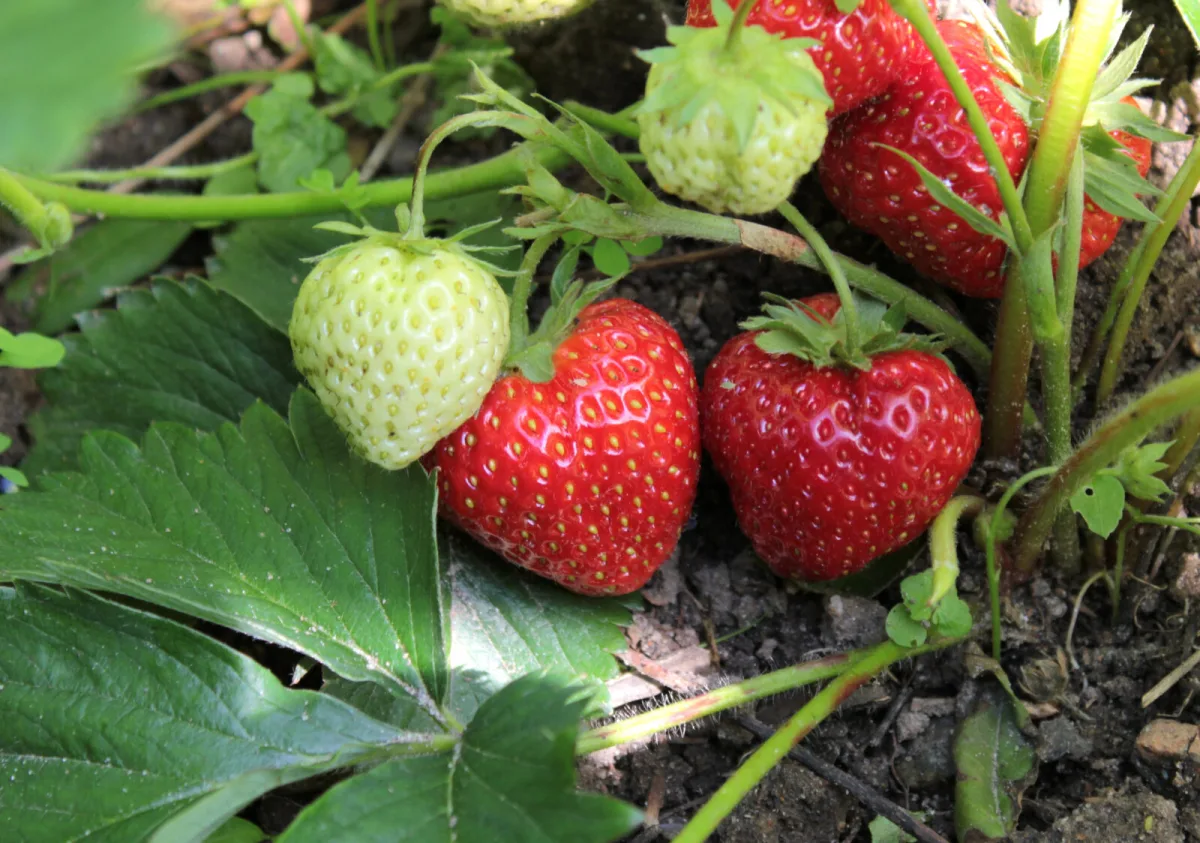
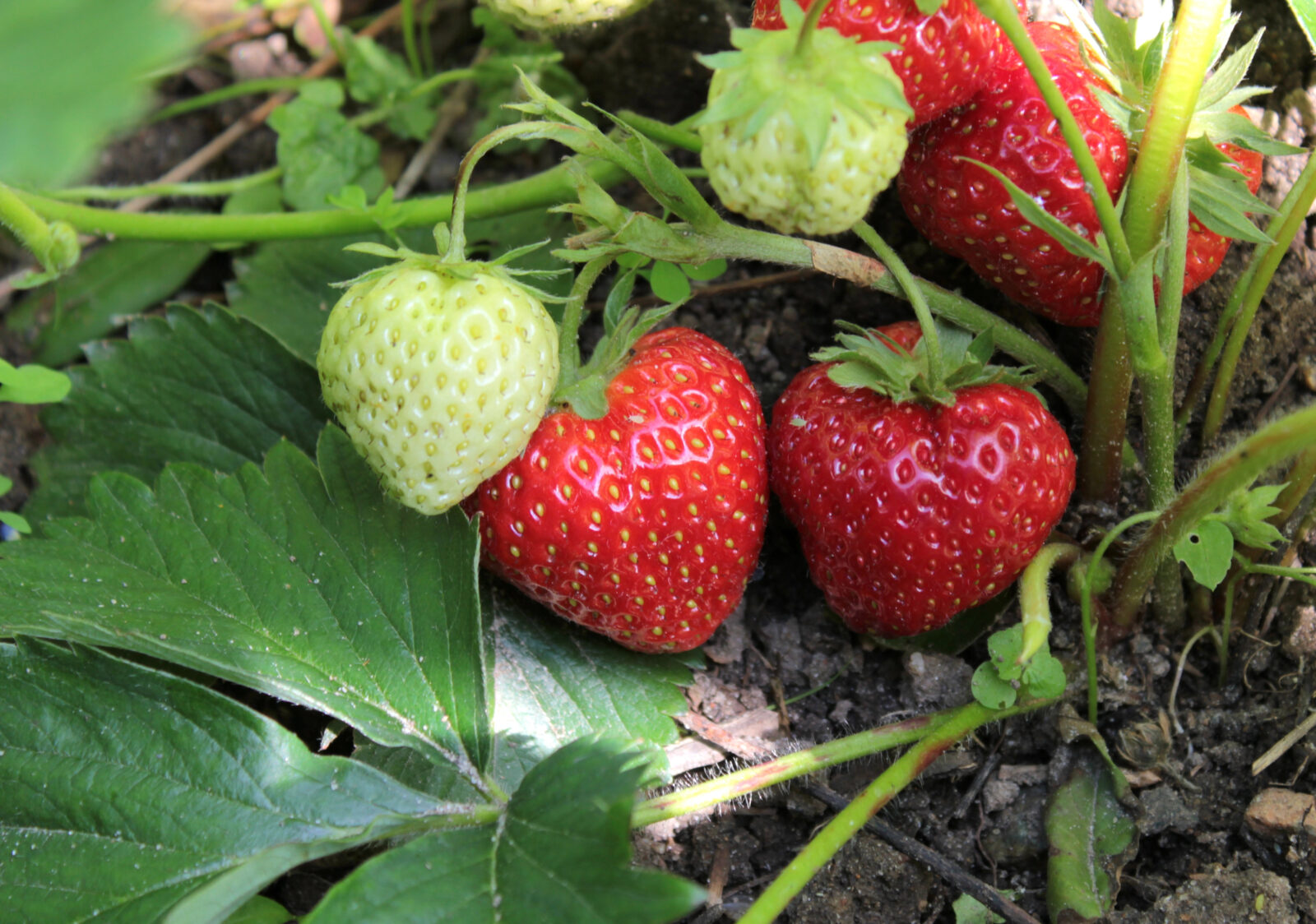
Most gardeners know the basics of looking after strawberries during the season, but it’s the period shortly after harvest that often decides what your bed will look like next year. After fruiting, the plants need to recover, strengthen their roots and build new growth that will support next season’s flowers and fruit. If you give them the right help in August, they’ll pay you back with fuller clumps and a heavier crop of sweet strawberries.
A bold move: remove the leaves after harvest
Once you’ve picked the last berries, it’s a good idea to clear the plants of old foliage. In practice, that means cutting back the leaf growth so that mainly the stems and the plant’s crown remain. The point isn’t just tidiness, but prevention. Old leaves can harbour pests and disease spores, and leaving infected parts in place only increases disease pressure later on.
It’s not recommended to put the cut leaves on the compost heap. It’s safer to dispose of them so any diseases and pests don’t spread further. After thinning the plants, they’ll also redirect energy into the root system, which supports vigour and vitality for next year.
Tidying stems and keeping only the strongest plants
After cutting back the leaves, it’s worth checking the stems and the overall condition of the plants too. If any parts are clearly weak, damaged or diseased, it’s better to remove them and keep only the strongest, healthiest growth. This clean-up improves airflow, helps the bed dry faster after rain and generally reduces the risk of problems in late summer and autumn.
After-cut care and protection against disease
Freshly cut-back strawberries are worth treating with a product intended for common strawberry diseases. This isn’t an unnecessary step: after pruning, the plants are more vulnerable while they’re also trying to push out new leaves quickly. If you regularly struggle with leaf spot or rots in your garden, this is a practical time for prevention so the plants move into the next growth phase in the best possible condition.
Feeding after the season and what to add to the soil
After harvest and pruning, strawberries appreciate a feed. Nitrogen is often mentioned because it helps kick-start new leafy growth. Gardeners choose well-rotted manure, urea or natural fermented “weed tea”. With standard varieties, topping up nutrients is often done during the summer anyway, but it’s important not to overdo the dose, so the plants don’t become over-stimulated at the expense of quality.
An August watering with a yeast solution
In early August you can boost strawberries with a yeast solution, which many growers treat as a simple, inexpensive bio tonic. It’s also recommended to add a balanced fertiliser containing phosphorus and potassium, as these elements support roots and overall resilience, which later shows in berry size and flavour next season.
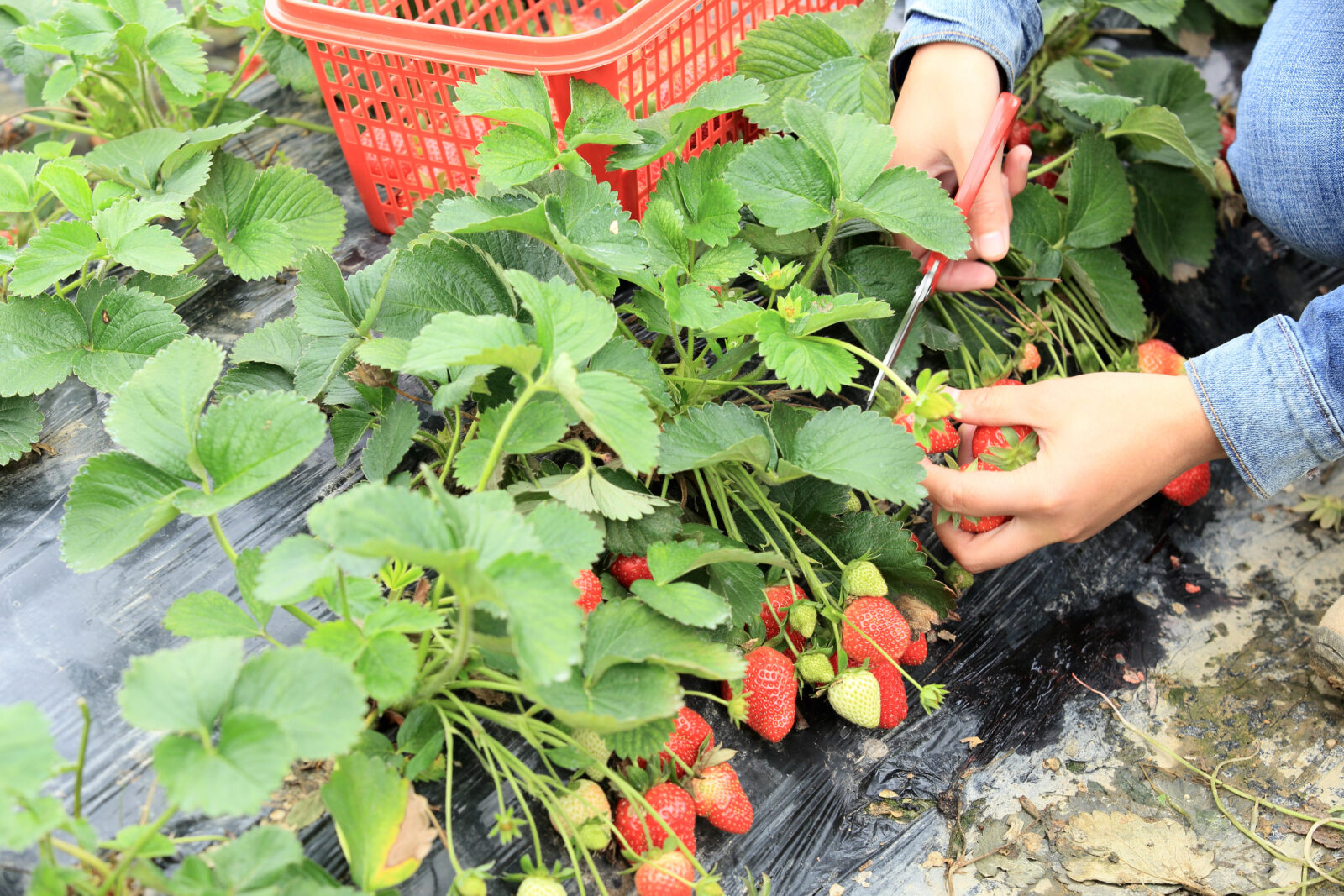
How to make a yeast feed
For the solution you’ll need 50 g of fresh yeast, 1 litre of warm water and 1 tablespoon of sugar. Mix everything and leave it to stand for about a day. Then dilute the mixture at a ratio of 1 part feed to 5 parts water. Use roughly half a litre of the diluted solution per plant. If you don’t have fresh yeast, you can use dried yeast instead, about 1 teaspoon. The prepared amount usually covers around 10 plants.
Tip: After watering with yeast, keep an eye on soil moisture. Strawberries respond better to regular, moderate watering than to occasional heavy soaking.
What this care will do for you next season
The combination of cutting back, good bed hygiene, disease protection and targeted feeding helps strawberries build strong roots and healthy new leaves. That’s the foundation for abundant flowering and good fruit set. If you don’t neglect your August routine, your bed will be more vigorous next year and you’ll harvest more large, sweet strawberries.
Source: Urob si sám, Gardenia, Pestrazahrada.cz

A lover of nature, gardens, and everything that moves, blooms, or grows. He literally grows everything, from herbs to rare species, and he enjoys caring for animals just as much. In his work, he connects modern technology with tried-and-tested grandmotherly methods and is happy when both paths lead to the same goal.
Related articles
Don’t Prune Hydrangeas in October
Tidying the garden in autumn is tempting, but October pruning can cost your hydrangeas next year’s flowers. Only two light interventions make sense this time of year; everything else is best left until the right season.
A Pineapple Top Will Root in Two Weeks, but Success Depends on the Step Most People Skip
Don’t throw away the leafy crown when you cut a pineapple. With the right prep, light, warmth and careful watering, you can root it and grow a houseplant that may eventually fruit.
Overwintering Geraniums in a Box Ensures Stronger Growth and More Abundant Spring Bloom
Many people throw balcony geraniums away after the season, even though they can overwinter very well. Stored correctly in a box in cool, dark, dry conditions, they’ll come back stronger and flower generously in spring.
Comments (0)
Be the first to comment.