
 English
  Polski
  Deutsch
  Nederlands
  Svenska
  Norsk
Norsk  Dansk
Dansk  Français
  Italiano
  Español
  Português
  Slovenčina
  Suomi
Suomi  Gaeilge
 What to Do with Tomatoes in August for a Bigger, Sweeter Harvest
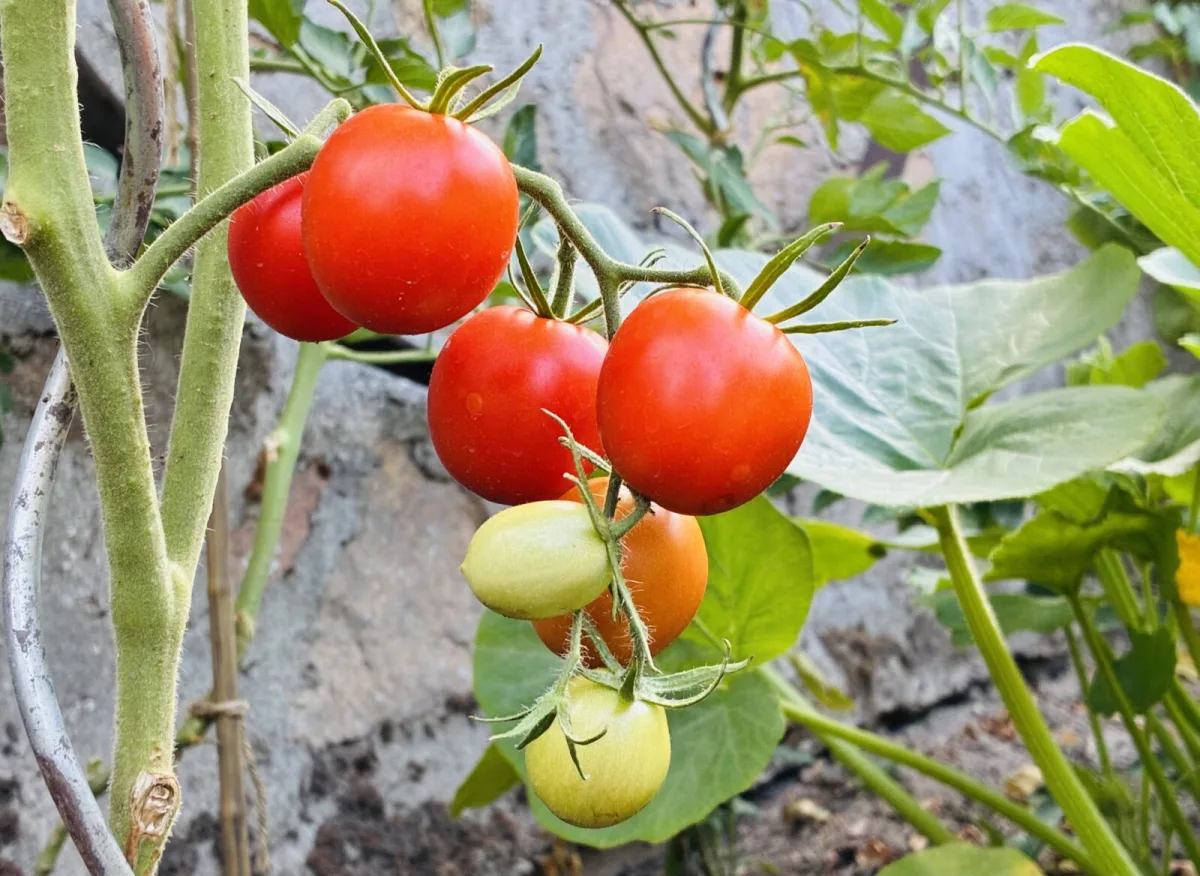
In August, tomatoes reach the make-or-break point. Fruit starts ripening in earnest, and how you look after plants right now quickly shows up in the flavour, size, and overall quality of the harvest. Good care also determines how long you’ll be picking into autumn. The goal of August tasks is to steer the plant’s energy into setting and ripening fruit, not into wasteful leaf growth and new shoots.
If you neglect this stage, tomatoes may split, a dark sunken patch can appear on the blossom end, and whole plants become easier targets for fungal diseases or spider mites. On the other hand, a few simple steps will keep the crop healthy and productive for many more weeks.
Remove lower leaves and reduce disease risk
With cordon (indeterminate) tomatoes, which keep growing all season, it’s very helpful in August to remove some of the lower leaves. Plants are often dense at this time and don’t dry quickly. When you open up space at the base of the stem, airflow improves, leaves dry faster after watering or dew, and the risk of blight and other fungal problems drops dramatically.
At the same time, more light reaches the fruit, so it colours up and ripens better, and you’ll spot any issues on stems or foliage sooner. It can feel drastic, but it’s safe as long as you don’t remove leaves higher than roughly halfway up the plant.
It’s best to do this gradually. At the start of August, remove leaves that touch the soil or sit just above it, then take off another layer each week. That way the plant isn’t shocked, and fruit is revealed exactly when it needs extra sun to ripen.
With bush (determinate) tomatoes, you don’t need to strip the entire lower tier, but any leaves lying on the ground or staying wet for long periods should always be removed. When you water, aim at the roots so you’re not soaking the foliage, because wet leaves are the quickest invitation for disease.
Prune wisely for a fuller, tastier harvest
The difference between an average crop and a truly generous one is often down to August pinching and pruning. Cordon tomatoes behave like vines and, unless you limit them, they’ll keep growing until the first frosts. If you let them run unchecked, they’ll pour energy into new shoots and leaves instead of swelling and sweetening the fruit.
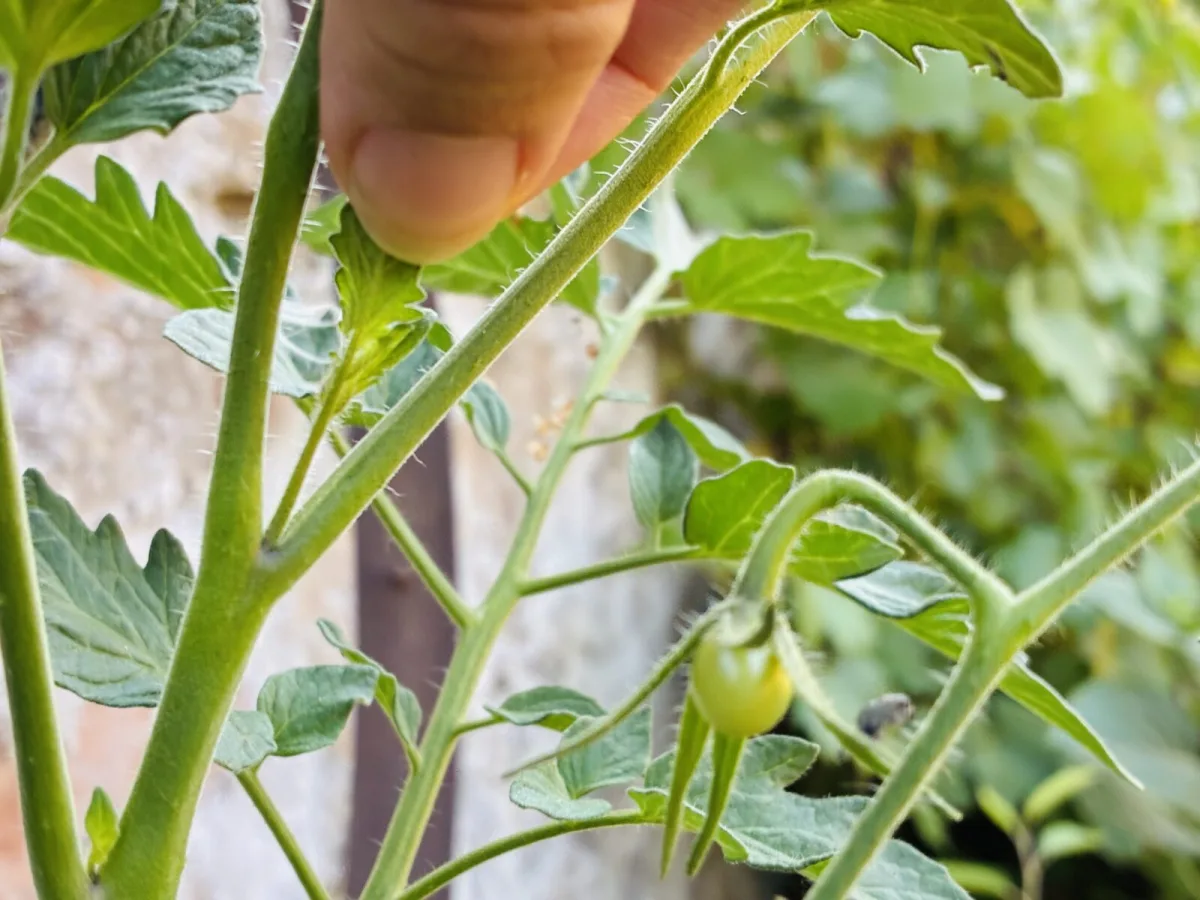
So keep removing side shoots, the shoots that grow in the leaf axils between the main stem and the leaf stalk. Once you let them thicken, the plant has already invested water and nutrients in them, and the growth becomes overcrowded. Regular pinching keeps the plant more open and focused on fruit production.
By mid-August, or when the plant has roughly four to five trusses, it’s often a good idea to pinch out the growing tip on cordon tomatoes as well. Simply snip or break off a few centimetres from the top. This stops upward growth and pushes the plant to support the tomatoes already set so they have time to ripen.
Towards the end of August, it’s also worth considering whether to keep brand-new flower trusses at all. In many situations they won’t have enough time to develop from flower to a fully sized, well-coloured fruit. Small cherry tomatoes tend to ripen faster, often within a few weeks, while large-fruited varieties can take much longer. If cooler weather arrives, or you get heatwaves, development slows further. In that case, it pays to remove new flowers and let the plant concentrate on what’s already hanging on the stems.
Water regularly to avoid splitting and black patches
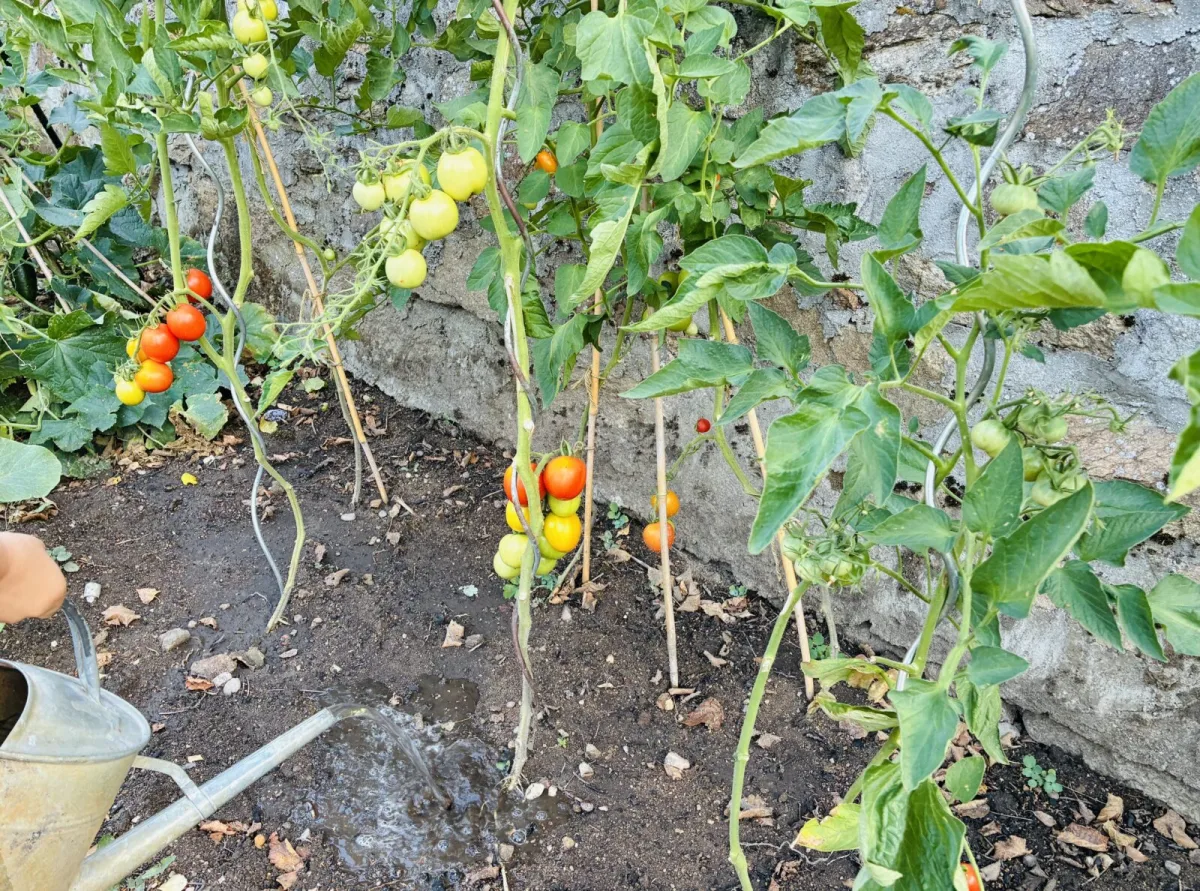
In August, the key is to keep soil moisture even. Irregular watering, when the plant dries out and then gets a big soak, often leads to the skin splitting. You may also see a dark, sunken patch on the blossom end, known as blossom-end rot. This is linked to a lack of calcium in the fruit, but in practice it’s usually not poor soil. It’s that without steady moisture, calcium can’t be moved around the plant properly to where it’s needed.
Aim for a calm watering rhythm that keeps the soil at a similar level of moisture, not alternating between waterlogged and bone-dry. Light shade during the harshest midday sun can help too, as it reduces evaporation so the soil holds onto water longer. If you use shading, it shouldn’t be too heavy, so fruit still gets enough light to colour up.
Once most fruit is set and ripening, in milder weather you can very cautiously reduce watering a little, which can intensify sweetness and flavour. But never let plants wilt. The important thing is to cut back the volume per watering, not to stretch the intervals so the soil fully dries out and then suddenly becomes saturated.
Feed weekly, but ease off in time
Tomatoes at peak season usually benefit from regular feeding, especially with fertilisers higher in potassium, which supports flowering, fruit set, and ripening. As long as the upper trusses are still developing and sizing up, weekly feeding makes sense.
But once your main aim is to push the plant to ripen the tomatoes already there, and for example you’ve pinched out the growing tip on cordon varieties, you need to ease off. Too much feed can drive excess leafy growth, slow fruiting, and in extreme cases cause fertiliser burn to roots or foliage.
A practical approach is to gradually reduce the strength of your feed from mid-August. Don’t stop overnight, but dilute doses little by little and then finish feeding altogether. That way the plant doesn’t face a sudden nutrient drop, but you also won’t overfeed it when it should be focusing on finishing the crop.
Keeping an eye on spider mites can save the rest of the season
Hot, dry weather favours spider mites. They suck plant sap and can wreck a crop surprisingly quickly. The problem is that the pests themselves are tiny, so you often only spot them by their symptoms. Look for specks that resemble moving dust, fine webbing on leaves or stems, and most importantly changes to the foliage. Affected leaves often show fine pale stippling at first, then fade into irregular blotches, dry out, and drop. On the undersides you may sometimes see pale shed skins and egg debris.
Fast action is crucial, because in summer development from egg speeds up significantly and populations explode. Start by removing the worst-affected leaves and thoroughly shower the plant with a strong jet of water, especially from underneath where mites gather most. Then a treatment with a neem-oil-based product can help, but it must coat all leaf surfaces, again especially the undersides.
It’s best to repeat spraying about once a week for several weeks to catch newly hatched mites and break the cycle. After treatment, leaves can be more prone to scorch, so in strong sun temporary shading is sensible to prevent tissue burn.
Key takeaways from August tomato care
Your August tomato strategy comes down to one simple principle: keep plants healthy, airy, and free from stress caused by drought or overfeeding, so they can keep nourishing fruit for as long as possible. By removing lower leaves, pinching out side shoots regularly, and topping at the right time, you improve airflow and direct energy into the tomatoes. Even watering reduces splitting and helps prevent blossom-end problems. Gradually easing off feeding supports ripening, and ongoing pest checks stop spider mites from ending your harvest early.
The reward is a longer season and baskets of firmer, juicier, more flavour-packed tomatoes to pick week after week.
Source: Gardening Know How, Almanac , Pestrazahrada.cz
Related articles
Christmas cactus will bloom again even after years if you avoid one common mistake
A Christmas cactus can look perfectly healthy yet refuse to flower for years. With the right light, temperature, watering, and a gentle boost, it can set buds again and bloom reliably.
Take care with pruners on ornamental grasses Some are best cut back in autumn others in spring
Ornamental grasses bring movement and structure, but not all of them should be left standing until spring. For several warm-season and self-seeding types, an autumn cut-back keeps borders tidier and helps limit spread.
Don’t Prune Hydrangeas in October
Tidying the garden in autumn is tempting, but October pruning can cost your hydrangeas next year’s flowers. Only two light interventions make sense this time of year; everything else is best left until the right season.
Comments (0)
Be the first to comment.