
 English
  Polski
  Deutsch
  Nederlands
  Svenska
  Norsk
Norsk  Dansk
Dansk  Français
  Italiano
  Español
  Português
  Slovenčina
  Suomi
Suomi  Gaeilge
 How to Choose Mushrooms for Drying and Keep Their Flavour for Winter
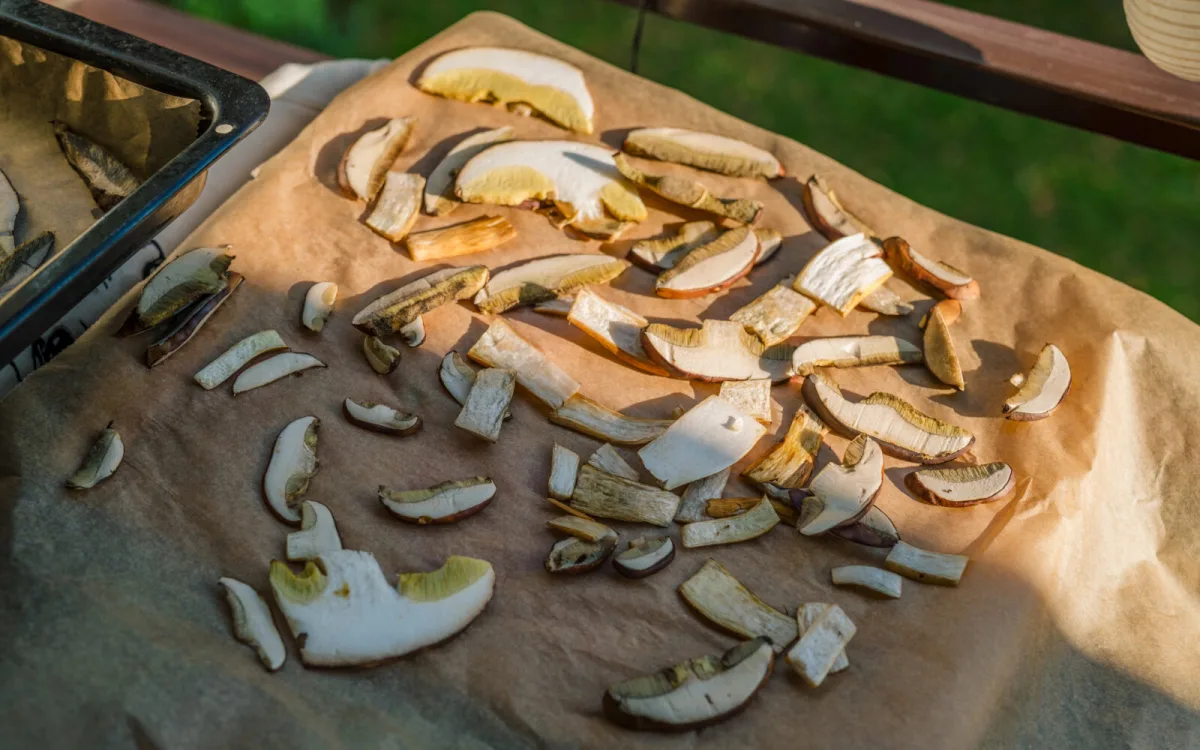
Drying is one of the oldest and most reliable ways to preserve your woodland haul long after the season has finished. Properly dried mushrooms keep a strong aroma and concentrated flavour, and they can quickly lift everyday cooking. They’ll bring back that bowl of mushroom-and-potato soup, creamy dill sauce, a rich cream sauce or mushroom risotto even when the woods are quiet. Not every mushroom benefits from drying, though. Some species turn bitter as they lose water, lose their character, or their flesh changes in a way that simply isn’t worth the effort.
Which types are best for drying
The best candidates are mushrooms with firm flesh and a pronounced aroma. With these, the flavour intensifies as the water evaporates, and the slices remain easy to use in soups, sauces and mixed dried mushroom blends.
Porcini
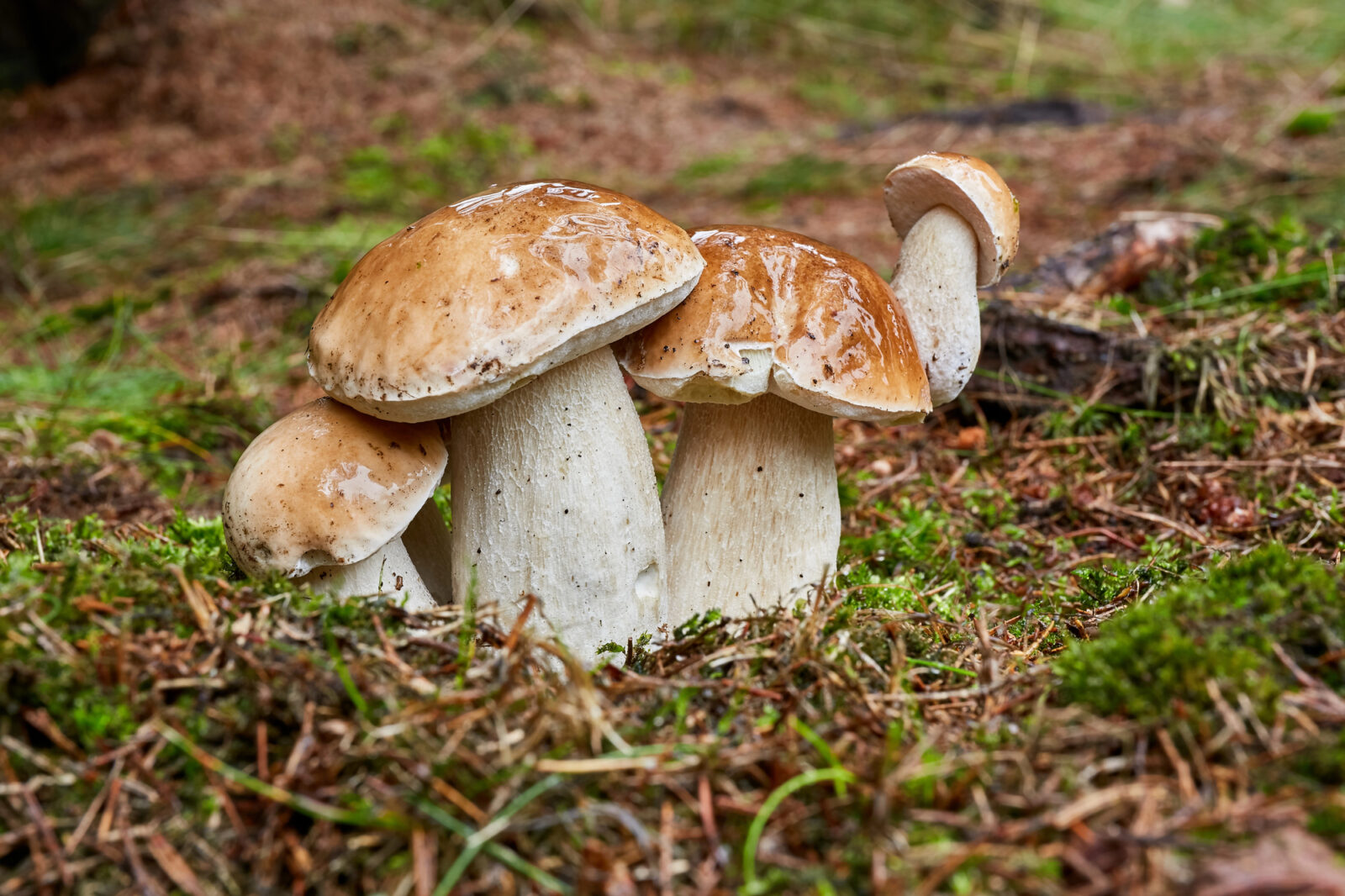
A proven classic for the pantry. Once dried, it stays wonderfully fragrant and full-flavoured. Thanks to its dense flesh it slices neatly and dries evenly. It’s a true all-rounder in the kitchen, suitable for almost anything, and it’s also ideal for making mushroom powder.
Bay bolete
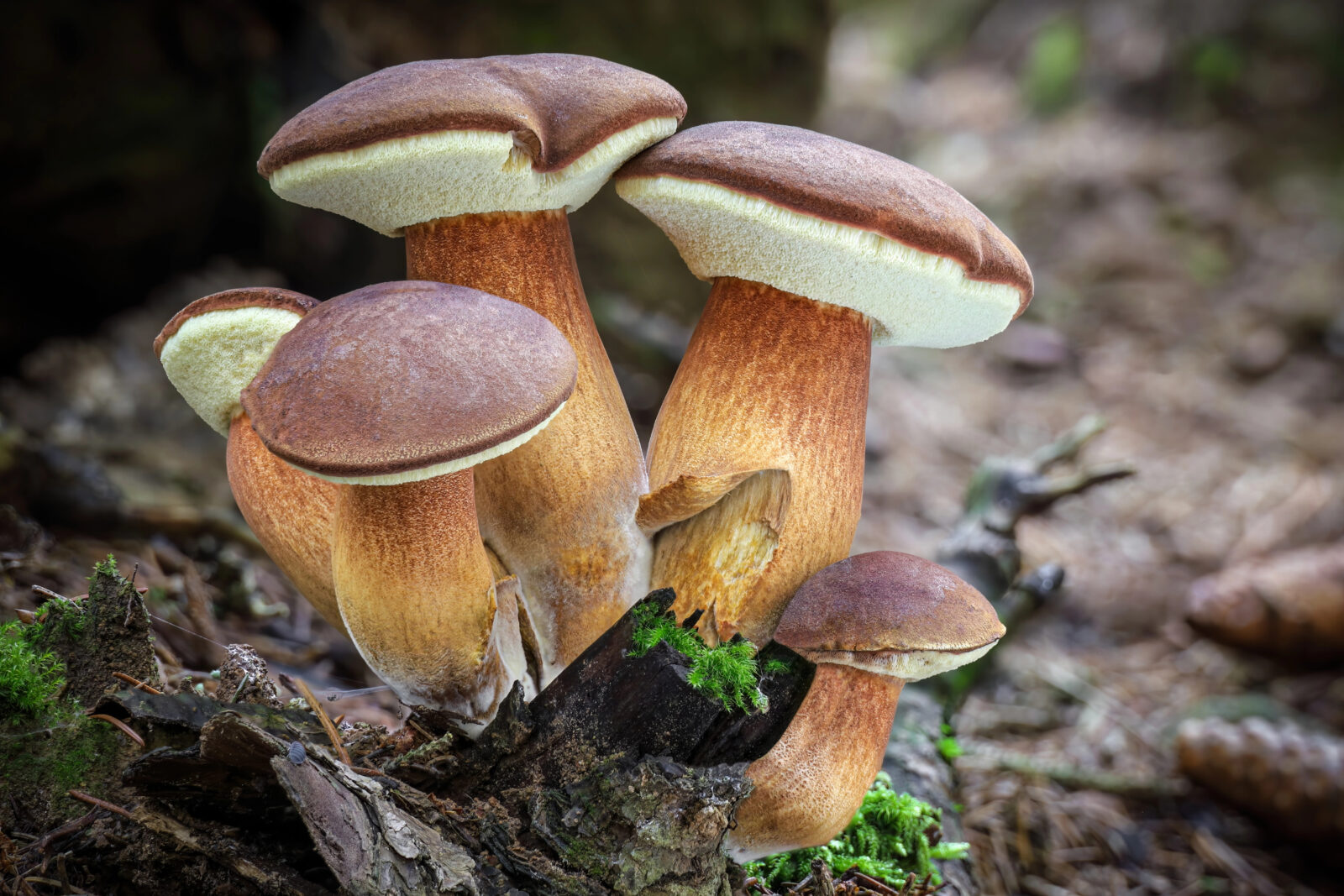
A commonly found species that can be even more aromatic dried than fresh. That’s why it’s a staple in many homemade dried mushroom mixes.
Oak bolete and pine bolete
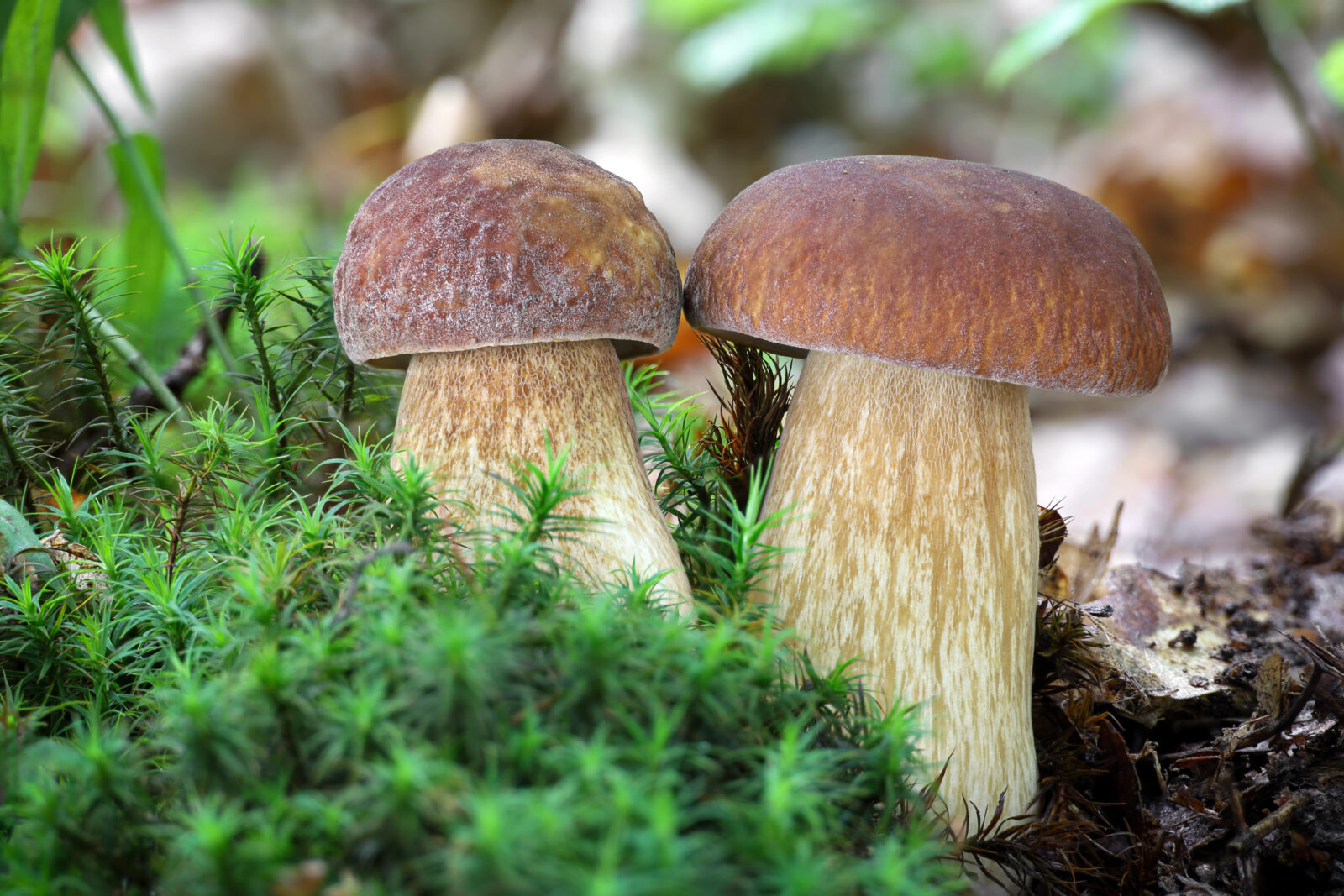
Both types have a firm structure and keep a full flavour after drying. They work brilliantly on their own or as the base of blends you can use for everything from soups to meat dishes.
Birch boletes and orange birch boletes
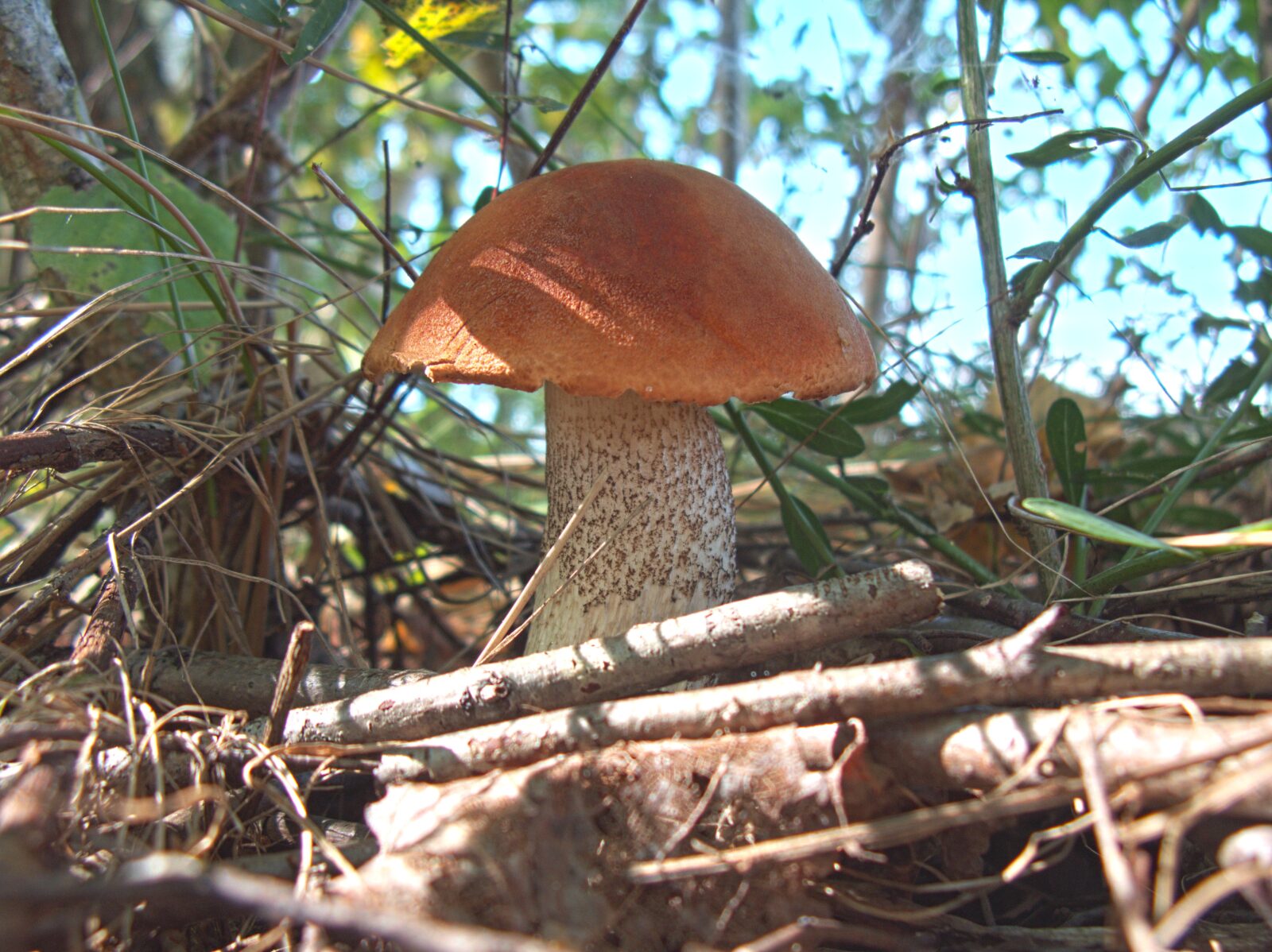
Birch boletes hold their shape well and don’t crumble unnecessarily as they dry. Their flavour is milder, but in a mix they nicely balance stronger boletes. Orange birch boletes also dry very well; once dried they’re distinctive and useful in sauces, soups and with meat.
Parasol mushroom
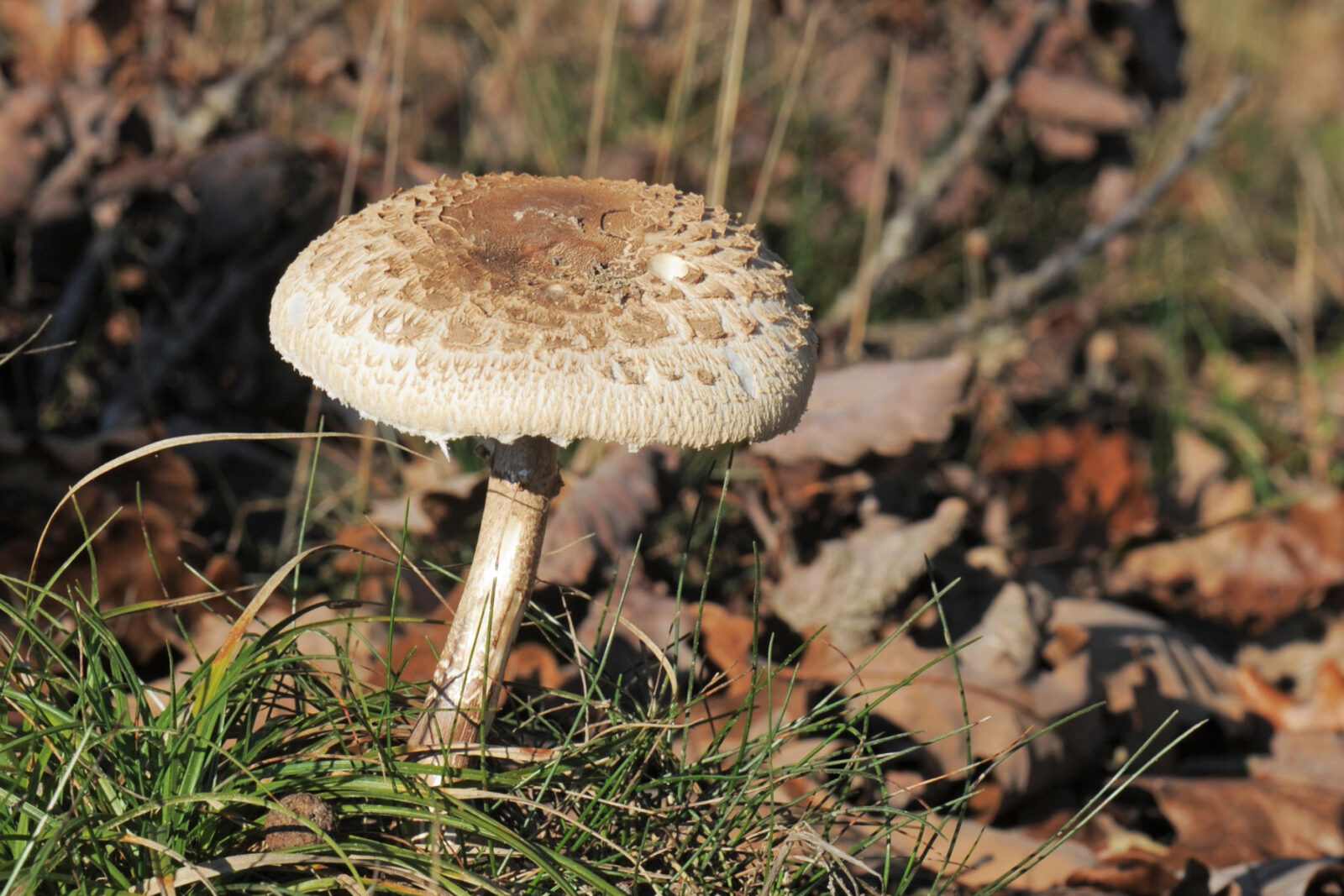
Parasol mushrooms are usually eaten fresh, especially as schnitzels, but they can be dried, particularly the young caps. Dried, they’re more often used as a seasoning to deepen the base of a soup or sauce.
Chanterelle
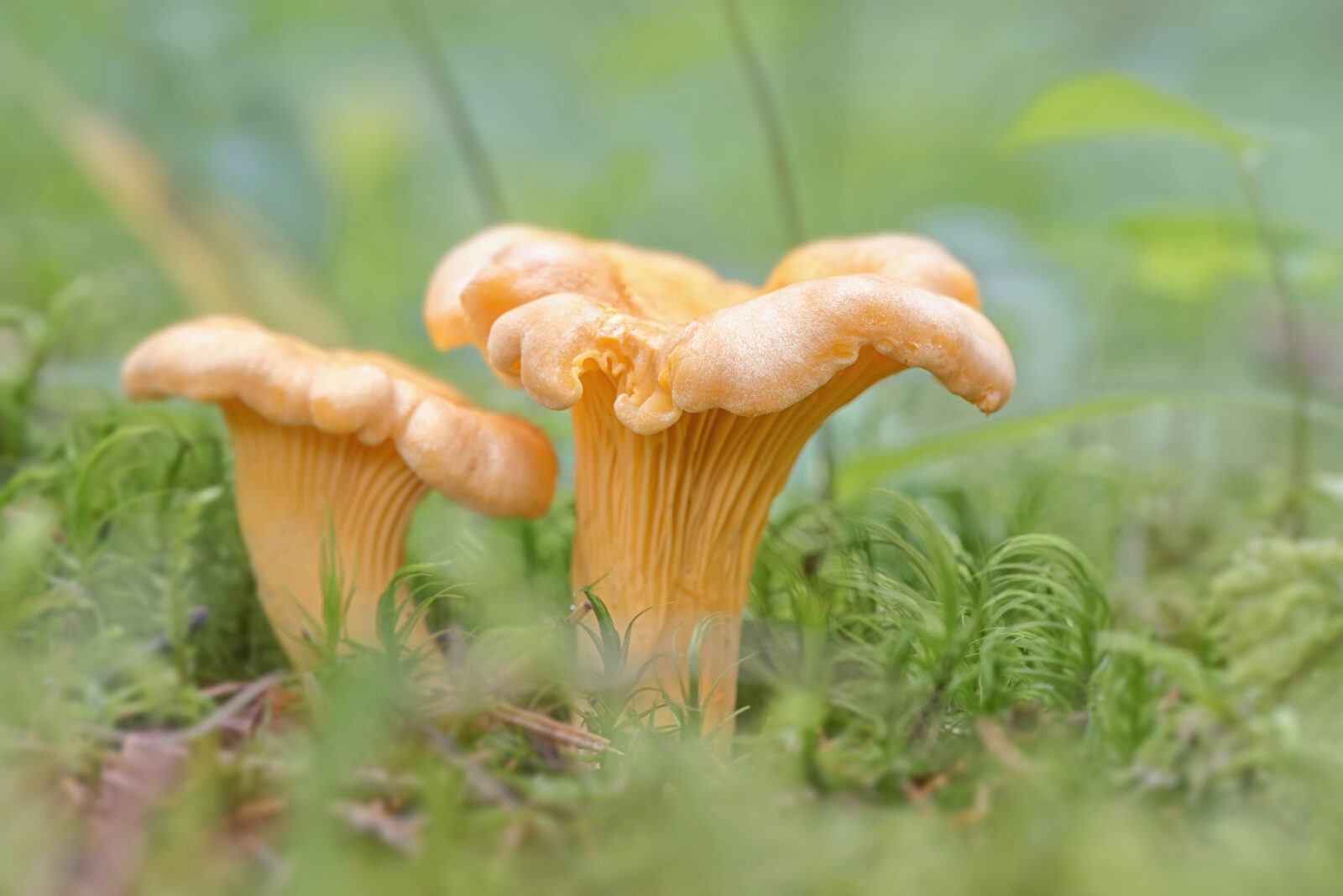
Chanterelles have a signature aroma that can concentrate even further when dried. They’re excellent in risottos, cream sauces and game dishes, where they beautifully enhance the overall fragrance.
Morels
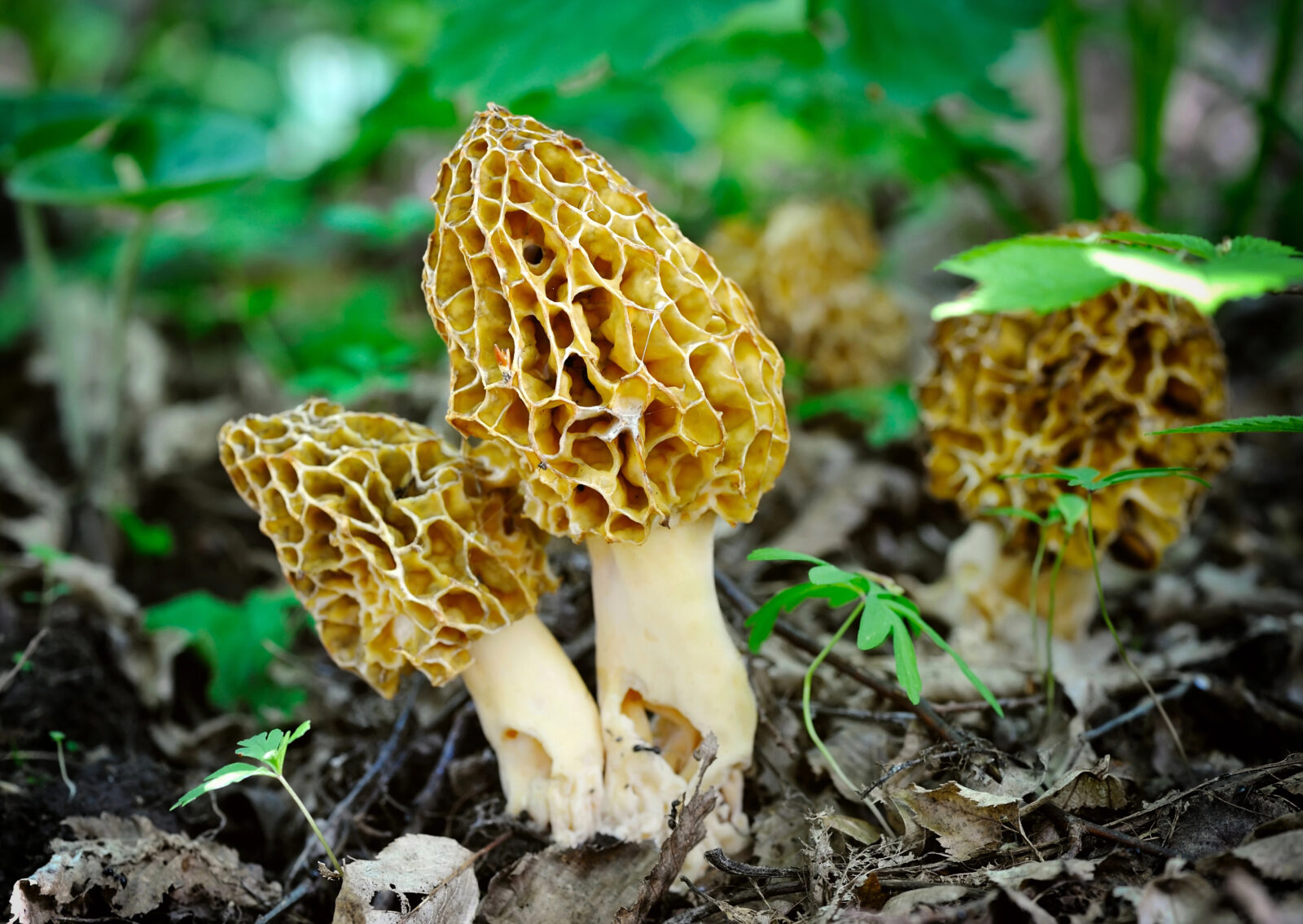
Morels are considered a delicacy. Drying preserves their warm, spicy flavour, and they’re often used sparingly more as a punchy accent and seasoning than as the main bulk ingredient.
Other mushrooms worth drying for the pantry
Trumpet chanterelles also make a great addition to mixes; they darken as they dry and develop a more intense aroma. Amethyst deceivers can be interesting too, as their aroma holds up even after drying. Some people also add velvet shanks to mixes, although their flavour tends to be milder.
Which mushrooms are best avoided for drying
Not every species is a pleasure once dried. Russulas often lose both flavour and texture, leaving a rather bland result. Drying amanitas is generally not recommended, even for edible species, because the flesh isn’t ideal and there’s also a risk of confusion with dangerous lookalikes. Mushrooms with very watery flesh can be troublesome as well for example slippery jacks or common button mushrooms as they’re harder to dry thoroughly and, if storage goes wrong, they can mould easily.
How to prepare and dry mushrooms without losing their aroma
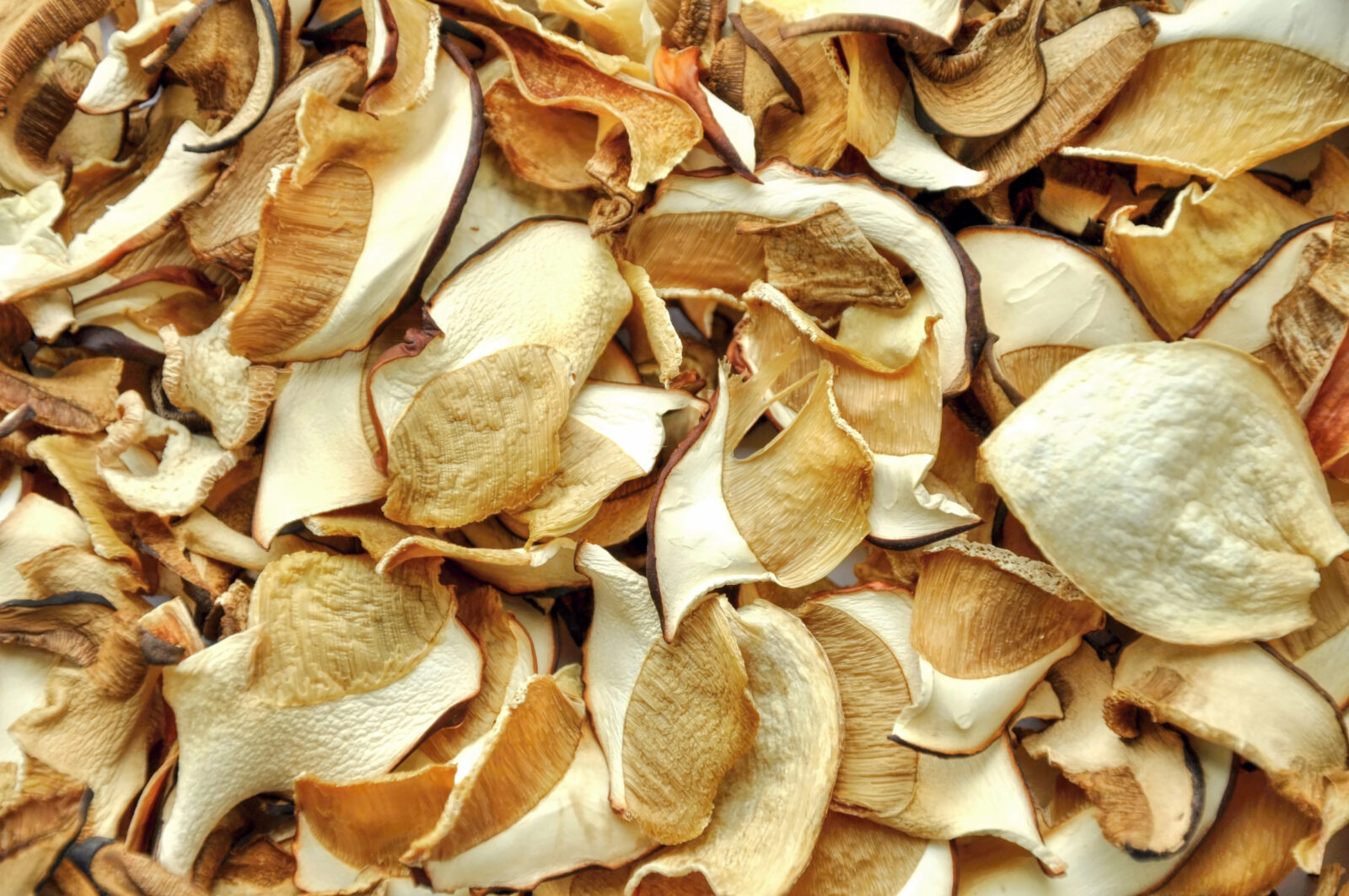
The key rule is not to soak mushrooms before drying. Instead of washing, it’s better to clean them carefully with a knife or a small brush so they don’t absorb water. Slice them to roughly 3 to 5 mm so they dry evenly and store well afterwards. The ideal drying temperature is around 40 to 50 °C, whether you’re using a dehydrator, an oven with the door slightly ajar, or the traditional method in an airy spot. Properly dried mushrooms are brittle and snap; they shouldn’t feel rubbery or damp to the touch.
For storage, it’s best to seal dried mushrooms in jars, or use cloth bags, always kept in a dry, dark place. If you want a seasoning close at hand, grind part of the batch into fine mushroom powder, which quickly deepens sauces, broths and pan juices.
How to use dried mushrooms for full flavour
Before cooking, soak them in warm water or milk for about 15 to 30 minutes. The mushrooms will soften and release their aroma, but the soaking liquid matters just as much. Don’t pour it away; it makes an excellent base for soup or sauce and can replace part of the stock. Dried mushrooms are ideal for mushroom-and-potato soup, creamy dill mushroom soup, and pure mushroom soups, for cream sauces and sauces served with game, for risotto and pasta, and also for goulashes and ragouts, where they add another layer of flavour. Ground, they can stand in for everyday seasonings and give food a naturally mushroom-rich character.
Common questions and practical tips
How long do dried mushrooms keep
With thorough drying and correct storage, typically 1 to 2 years. The strongest aroma is usually in the first year, then it gradually fades.
Drying on a radiator or in the sun
It’s possible, but the results are harder to control. In the sun the aroma can fade faster, and on a radiator there’s a risk of uneven drying. A dehydrator or an oven is usually the more reliable route if you want consistent quality.
Why mushrooms go mouldy
Most often because they weren’t dried completely or they were stored somewhere damp. If they’re still flexible, it’s better to dry them a little longer before sealing them in a container.
Can you dry mushrooms in a microwave
Yes, but only in small batches and with careful control of power and time, because they can overheat and scorch easily. For a bigger harvest, a dehydrator or oven is more practical.
Source: Pestrá zahrada, iReceptář, Na houby, Pestrazahrada.cz

A lover of nature, gardens, and everything that moves, blooms, or grows. He literally grows everything, from herbs to rare species, and he enjoys caring for animals just as much. In his work, he connects modern technology with tried-and-tested grandmotherly methods and is happy when both paths lead to the same goal.
Related articles
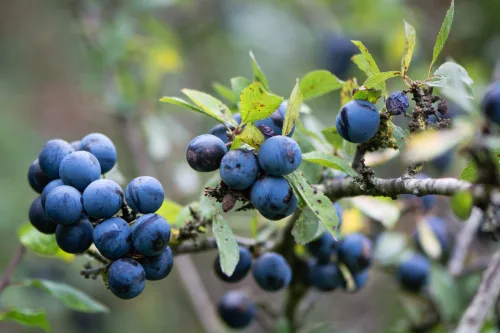
The Most Overlooked Shrub in the Czech Landscape Sloe Feeds Bees Shelters Birds and Bears Fruit Few People Know
Blackthorn (sloe) is an unassuming, thorny shrub that supports wildlife early in the season and yields dark, frosted fruits in autumn. Once touched by frost, its astringent sloes become a valued ingredient for preserves, drinks, and traditional remedies.
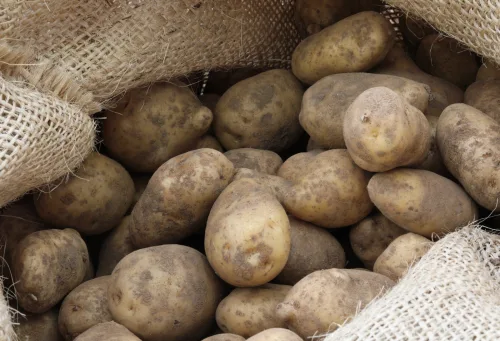
How to Choose a Sack for Storing Potatoes So They Don’t End Up in the Compost in a Few Weeks
The right storage sack helps protect potatoes from light and excess moisture, two common reasons they spoil. Learn when to choose a jute sack or a paper sack and how to keep your crop sound for months.
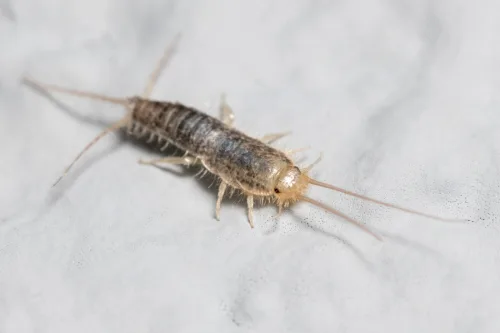
Silverfish Appear at Night and Vanish into Cracks Get Rid of Them with One Change Not a Spray
Silverfish thrive in dark, damp corners and often show up only at night. Long-term control comes from drying the space and removing hiding places, not just spraying chemicals.
Comments (0)
Be the first to comment.