
 English
  Polski
  Deutsch
  Nederlands
  Svenska
  Norsk
Norsk  Dansk
Dansk  Français
  Italiano
  Español
  Português
  Slovenčina
  Suomi
Suomi  Gaeilge
 When to Pull Carrots So They Stay Juicy, Tender and Sweet
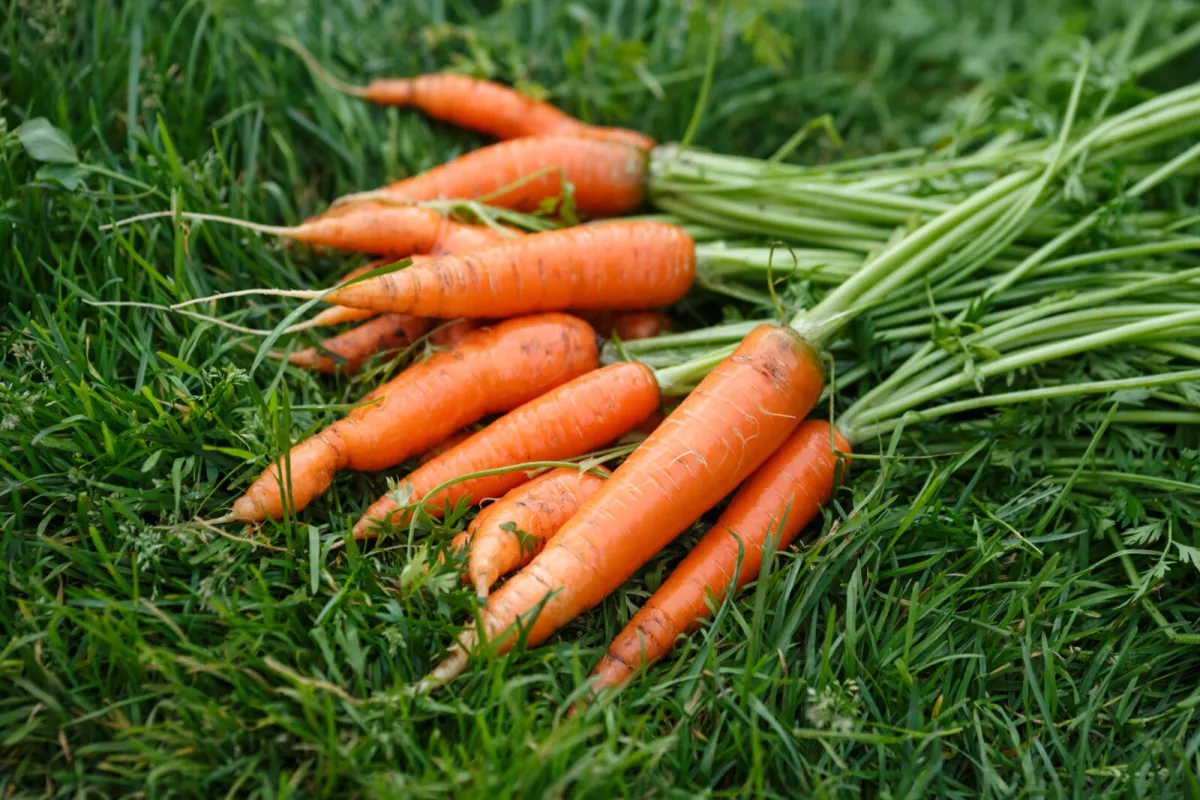
Carrots are among the most widely grown vegetables in Czech gardens. Home-grown roots tend to be sweeter, crunchier, and incredibly versatile in the kitchen. But to get the best possible harvest, it’s not enough to pull carrots whenever it suits you. The right timing determines flavour, firmness, and how long they’ll keep in the cellar without rot or mould. Harvesting too early means small roots and weaker taste; leaving them too long can make carrots turn woody, lose sweetness, and spoil more easily in storage.
What makes carrots such a popular vegetable
Carrots are valued for their bold flavour, pleasant crunch, and their beta-carotene content, which the body can convert into vitamin A. This matters for eyesight, skin, and immune function. Add fibre that supports digestion and naturally helps you feel full, and carrots fit well into lighter, healthier meals too. In the kitchen, carrots have countless uses—from fresh salads to soups and sauces, and even baking, where they add moisture and a gentle sweetness.
Key signs your carrots are ready to pull
Carrot tops as the quickest indicator of maturity
One of the most reliable clues is the foliage. Once the tops start to yellow, flop over, and generally look limp, the plant is signalling that it’s no longer putting energy into leaf growth and the root underground has developed and matured. That doesn’t mean the foliage has to be completely dry; what matters is the change in vigour and colour compared with the rest of the row.
Use the variety’s growing time as your guide
Every variety has a different length of time to maturity, so it pays to follow the information on the seed packet. As a general rule, early varieties are often ready in about 8 weeks from sowing, while later ones typically need around 11 weeks. Treat these figures as a guide, because growth rate is also affected by weather, watering, sowing density, and soil quality. Even so, the stated timeframe is a solid starting point for checking maturity.
Check the roots for certainty straight from the bed
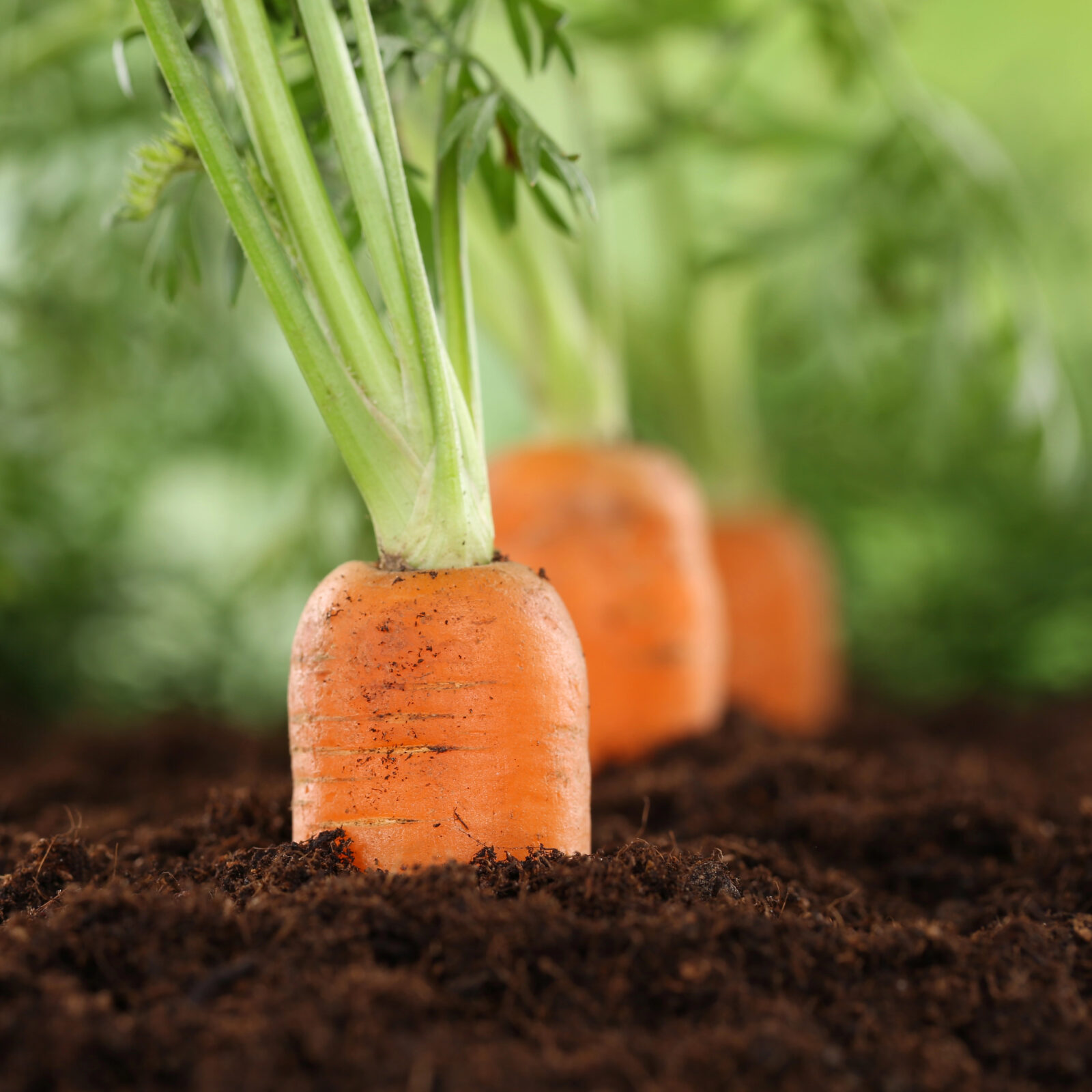
The most practical approach is to check directly in the soil. Carefully lift a few carrots from different parts of the bed and compare their size and colour. A mature carrot usually has a deep orange shade, and you’ll often see fine little root hairs on the surface. If you find roots starting to fade towards a paler, beige tone, it’s a warning not to delay harvest. Over-mature carrots can lose their characteristic flavour, become less juicy, and are more likely to spoil in storage.
How to harvest carrots so they aren’t damaged and keep as long as possible
For harvesting, choose a dry, sunny day. Wet soil and damp roots increase the risk that carrots will sweat in storage or start rotting sooner. A digging fork is ideal, because it lets you loosen and lift the soil beneath the roots so you can pull carrots with less risk of snapping them. After lifting, gently brush off the soil, but don’t wash the roots, as extra moisture shortens storage life. It’s best to remove the tops so the carrots don’t continue to lose water and nutrients. Then store the crop in a cool, dry place—typically a cellar—where, under the right conditions, they’ll keep their quality for much longer.
A short practical recap
You’ll hit the ideal harvest window by combining a few signs. Watch for tops wilting and yellowing, keep the variety’s approximate growing time in mind, and occasionally pull a few roots to check colour and maturity. Harvest in dry weather, use a digging fork, brush the roots clean without washing, and prepare them for cool, dry storage. That way you’ll get carrots that taste great straight from the ground and are also suitable for longer keeping.
Source: Gardenary, Gardening Know How, RHS, Pestrazahrada.cz

A lover of nature, gardens, and everything that moves, blooms, or grows. He literally grows everything, from herbs to rare species, and he enjoys caring for animals just as much. In his work, he connects modern technology with tried-and-tested grandmotherly methods and is happy when both paths lead to the same goal.
Related articles
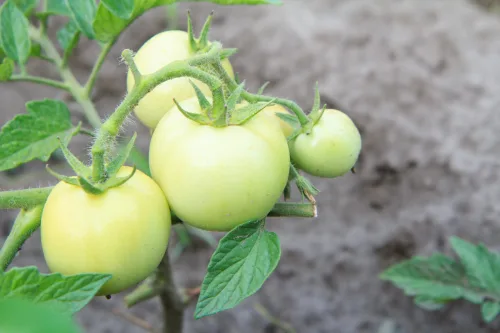
Not all green tomatoes will ripen. Experienced growers know which to pick and which to leave
As the tomato season winds down, it pays to judge green fruit by maturity and the forecast rather than the calendar. Size, skin colour and a quick seed check will tell you what can finish ripening indoors and what won’t.
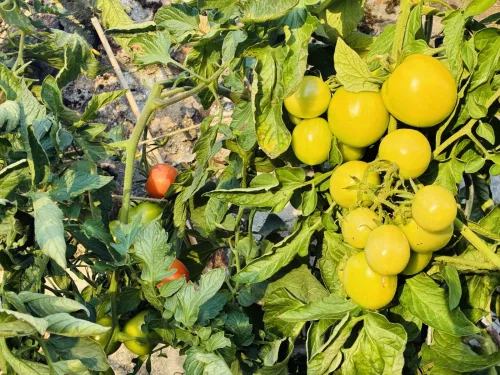
Don’t Throw Away Green Tomatoes They’ll Ripen Indoors and the Rest Belongs in the Pan
As temperatures drop at the end of summer, tomatoes often struggle to finish ripening on the plant. With a few simple tweaks you can help them colour up, ripen the rest indoors, and use any stubborn green ones in delicious recipes.
Walnuts will keep until next year’s harvest, but one post-harvest mistake can ruin them with mould
Home-grown walnuts can stay delicious for months—often right up to the next harvest—if you dry and store them properly. Moisture trapped in the kernel is the quickest route to musty flavour, rancidity and mould.
Comments (0)
Be the first to comment.