
 English
  Polski
  Deutsch
  Nederlands
  Svenska
  Norsk
Norsk  Dansk
Dansk  Français
  Italiano
  Español
  Português
  Slovenčina
  Suomi
Suomi  Gaeilge
 August Pruning Helps the Garden, but Three Woody Plants Only Suffer
August is often the height of summer, but it’s also the time when the garden quietly starts tuning itself for autumn. Borders are often dominated by late-flowering perennials, and ornamental grasses can gradually take on warmer ochre tones. Right now it pays to keep removing spent blooms, tying plants to supports and keeping beds and hedges in good condition. The garden then looks well cared for, without losing its natural summer character.
What’s worth pruning in the second half of summer
In the second half of summer, birds have usually finished nesting, so you can cautiously return to hedge trimming season. But you must always check that there isn’t still an occupied nest hidden in the growth. At the same time, the window is closing for pruning more sensitive plants, which need enough time to seal wounds before the cooler autumn weather arrives.
With some herbaceous perennials that have finished flowering and have flopped under the weight of their stems, you can cut them back close to ground level. By the end of the season they often form a neat basal rosette of leaves, which visually strengthens the planting and keeps it attractive for longer. August is also a good time to rein in overly vigorous climbers if they haven’t been pruned yet this year, typically grapevines or wisteria.
Roses and removing spent flowers
With roses, it’s worth regularly snipping off faded blooms. This stops the plant wasting energy on seed formation and often encourages further flowering. At the same time the shrubs look better overall, and you reduce the risk of old flower heads rotting in damp weather.
Thinning and pruning late-ripening fruit
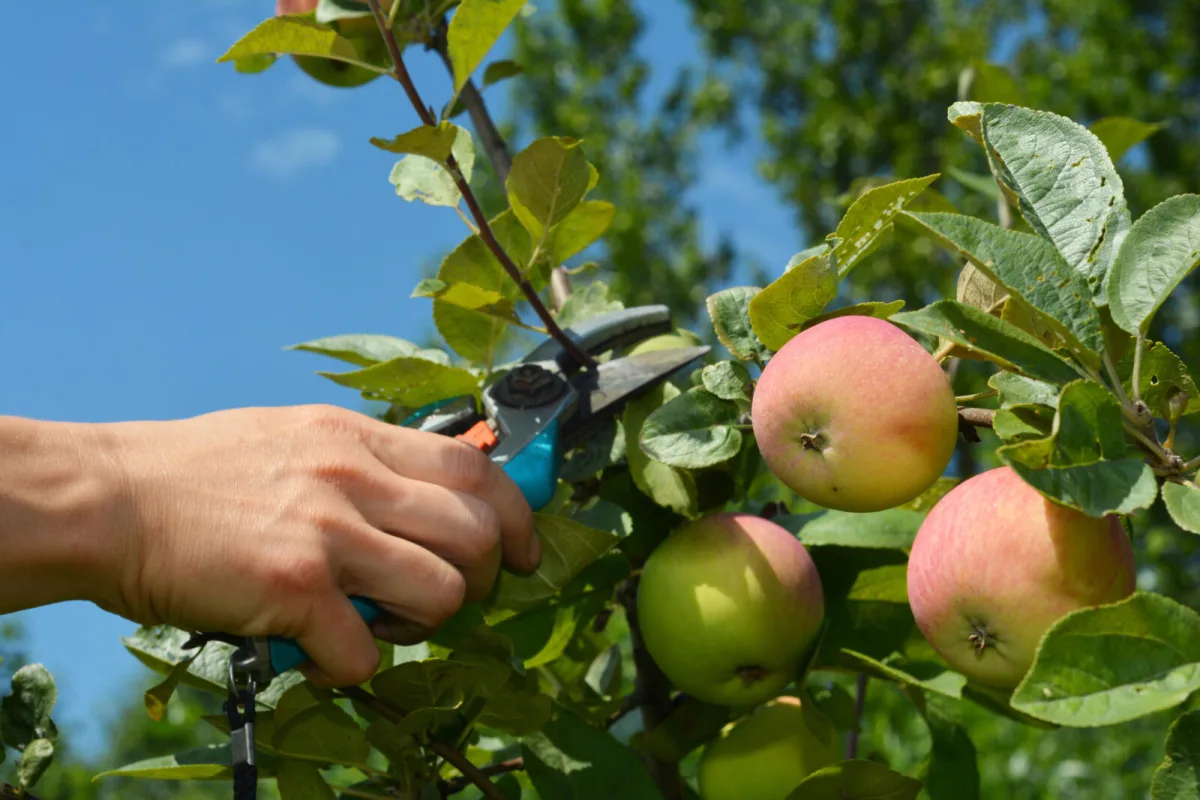
With fruit trees and bushes that are only just setting and developing their crop, you can thin in August. The idea is to reduce the number of fruits so the remaining ones size up better, are sweeter and ripen more evenly. This is especially useful where the crop set is too dense and branches are overloaded.
Grapevines often need reining in during August
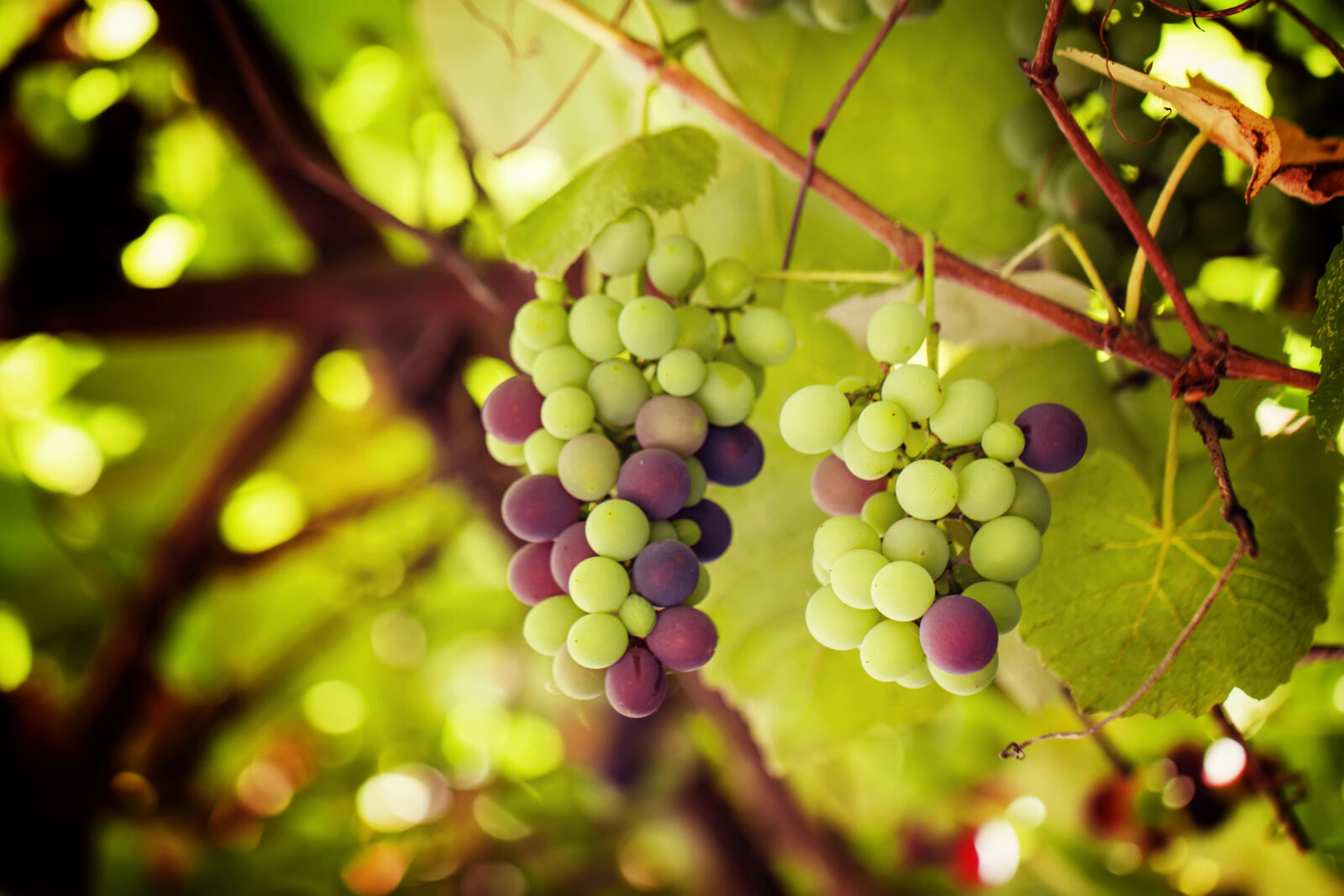
Grapevines have a strong root system that helps them find water even in drier soil. That’s why they thrive in sunny, warm spots, and during the growing season they can produce a lot of foliage and long, soft shoots. These often hang down, shade the bunches and reduce airflow around the fruit.
When clusters are too well covered and air can’t circulate through the canopy, the risk of fungal disease increases. Shortening long shoots in August and training the vine more neatly therefore helps not only keep its shape, but also improves conditions for ripening and overall plant health.
Other plants you can tidy up in summer
The aim of summer maintenance is often to prepare the garden for winter so that, on the one hand, it offers seeds and shelter for wildlife, but on the other hand doesn’t look neglected. Some plants are worth keeping within sensible bounds, removing flattened growth and refining planting lines, especially with hedges.
Climbing roses
With climbing roses, remove dead or damaged shoots at the base in August. Vigorous side shoots can be shortened, and any loose canes should be tied back onto their support so the plant doesn’t snap and is evenly spread over the framework.
Evergreen hedges
Evergreen hedges can be clipped again to keep the garden looking fresh and neat. Before pruning, you need to check that there are no active bird nests. It’s best to do the job in mild weather so the freshly cut sections don’t suffer from drying out.
Lavender after flowering
Lavender only needs a light trim after flowering to keep a compact shape. The key is not to cut into old wood, because lavender often struggles to reshoot from it and the shrub can start to die back.
Trained apple trees
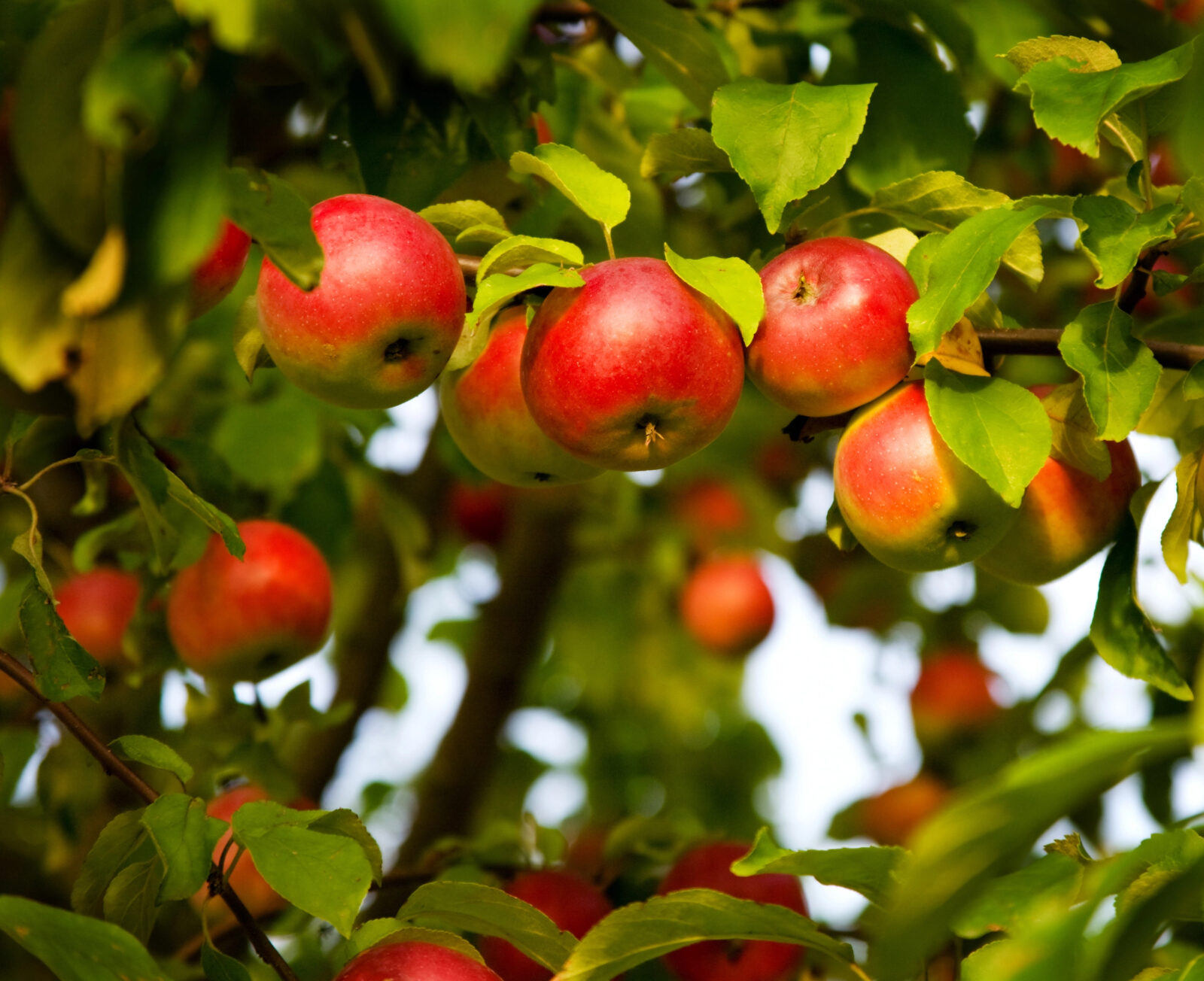
On trained apple trees, you can shorten new leafy shoots in summer. This encourages the development of fruiting spurs and also helps form flower buds for next year. The result is more balanced growth and better long-term productivity.
Which woody plants are best left alone in August
Not everything should be pruned in late summer. In general, evergreens are pruned more often at this time than deciduous trees, although there are exceptions, such as apples, plums or poplars. With some species, though, August pruning brings more risk than benefit.
Maples
Maples usually don’t need pruning. If work is necessary, a better time is during dormancy, typically between November and January, when you can more easily minimise unwanted sap bleeding and stress to the tree.
Staghorn sumac
Staghorn sumac is valued for its striking autumn colour. Summer pruning could cost you some of that display and disrupt the tree’s natural crown structure, so it’s wiser to leave shaping until spring. A similar approach makes sense with other trees and shrubs prized for autumn foliage.
Snowberry
Snowberry forms clusters of small white berries in autumn that look decorative even in winter. If you cut it back hard in August, you’d lose that fruiting display, and the shrub would lose one of its main ornamental features.
Source: The Spruce, Záhrada, Gardening Know How, Pestrazahrada.cz

A lover of nature, gardens, and everything that moves, blooms, or grows. He literally grows everything, from herbs to rare species, and he enjoys caring for animals just as much. In his work, he connects modern technology with tried-and-tested grandmotherly methods and is happy when both paths lead to the same goal.
Related articles
Not all green tomatoes will ripen. Experienced growers know which to pick and which to leave
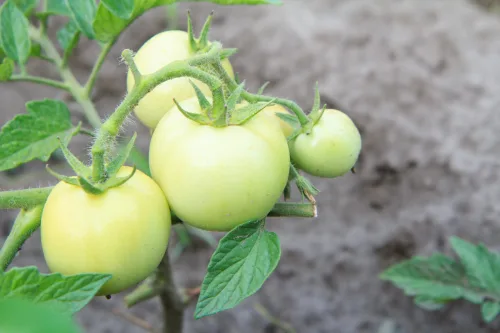
As the tomato season winds down, it pays to judge green fruit by maturity and the forecast rather than the calendar. Size, skin colour and a quick seed check will tell you what can finish ripening indoors and what won’t.
Don’t Throw Away Green Tomatoes They’ll Ripen Indoors and the Rest Belongs in the Pan
As temperatures drop at the end of summer, tomatoes often struggle to finish ripening on the plant. With a few simple tweaks you can help them colour up, ripen the rest indoors, and use any stubborn green ones in delicious recipes.
Walnuts will keep until next year’s harvest, but one post-harvest mistake can ruin them with mould
Home-grown walnuts can stay delicious for months—often right up to the next harvest—if you dry and store them properly. Moisture trapped in the kernel is the quickest route to musty flavour, rancidity and mould.
Comments (0)
Be the first to comment.