
 English
  Polski
  Deutsch
  Nederlands
  Svenska
  Norsk
Norsk  Dansk
Dansk  Français
  Italiano
  Español
  Português
  Slovenčina
  Suomi
Suomi  Gaeilge
 A single infected apple can spread rot through a whole cluster within hours
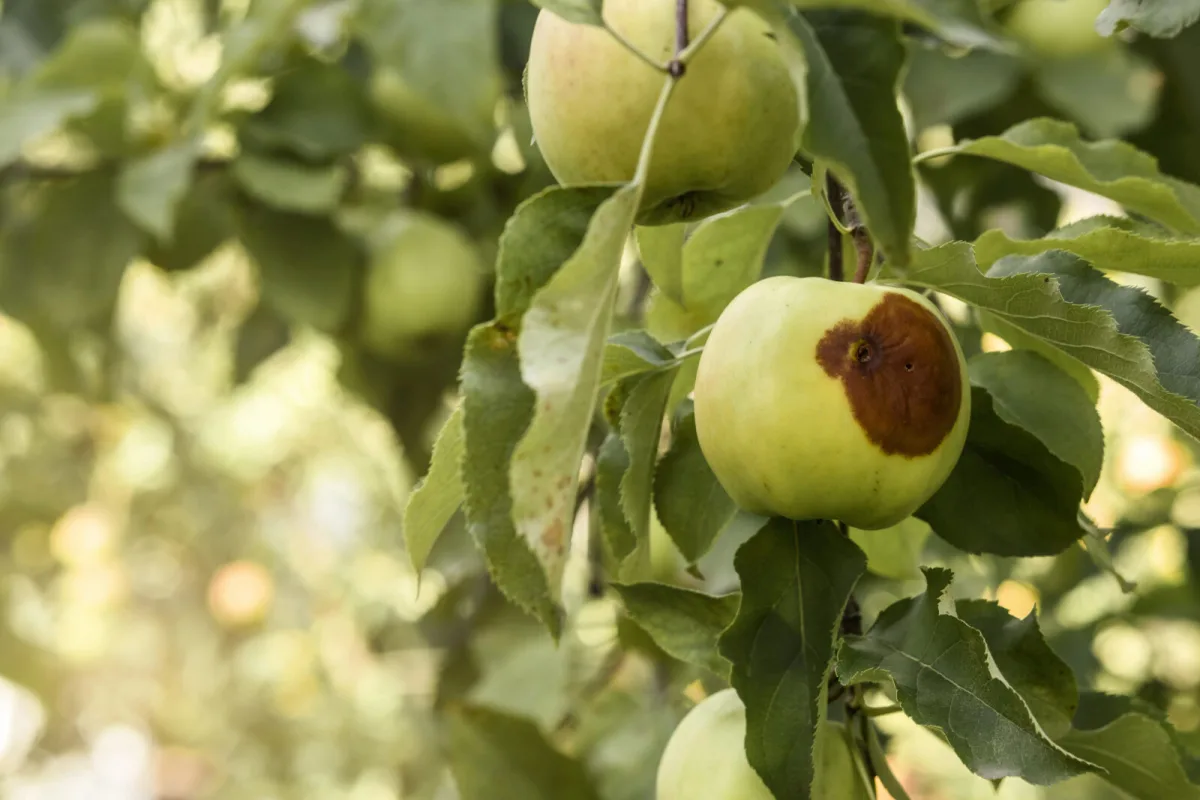
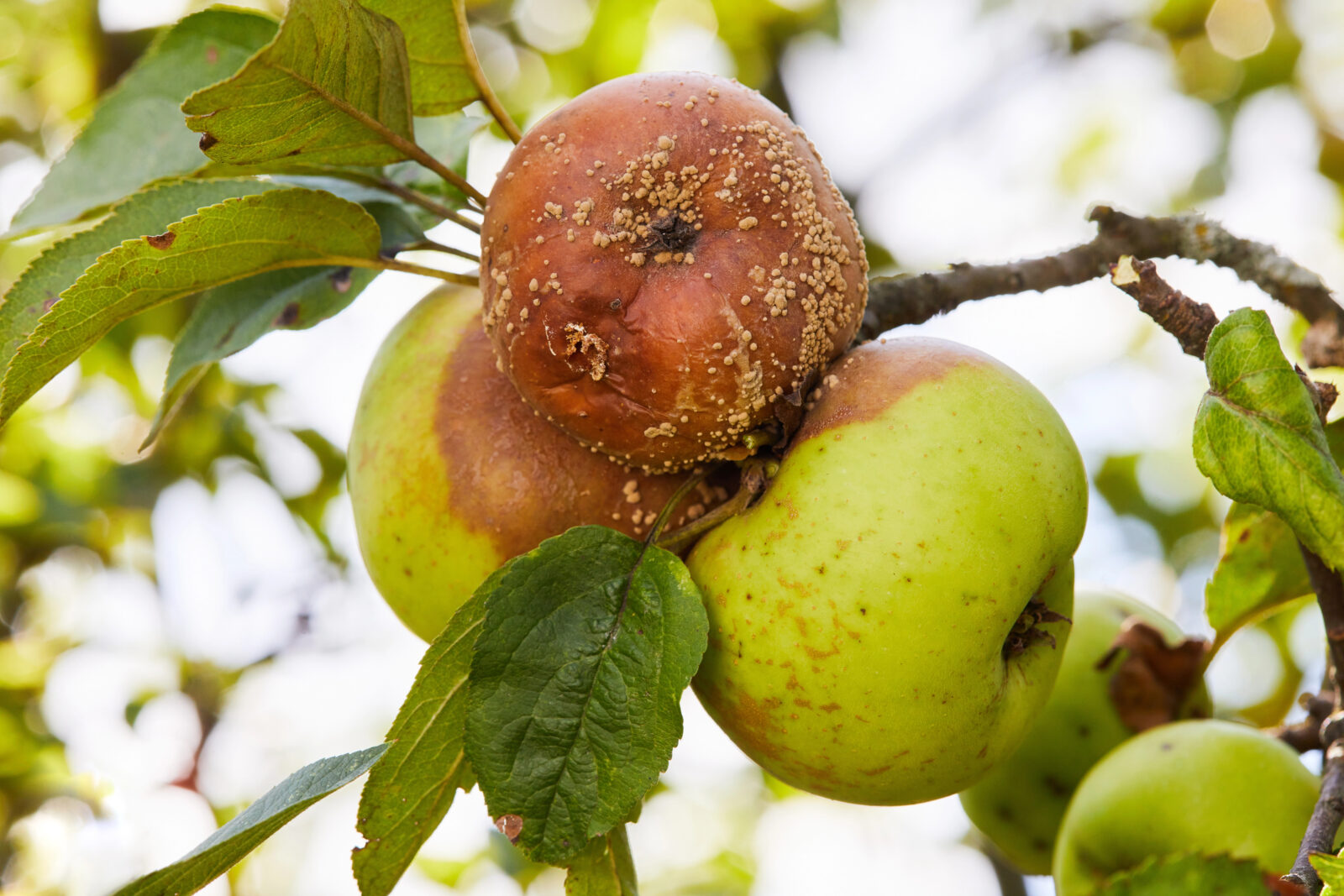
At ripening time, a brief delay is enough for a single infected apple or plum to become a hotspot that infects the fruit beside it within the day. The typical scenario is subtle: in the morning the tree looks healthy, by evening soft fruit is hanging on the branch with browning skin and pale yellowish spore pads. This is brown rot of fruit, a very widespread disease of fruit trees caused by fungi of the genus Monilinia. An infected fruit acts like a spore factory, and the most at-risk are fruits in dense clusters where they touch each other.
How the infection gets into the fruit and jumps further
The fungus doesn’t need a complicated route into the flesh; it takes advantage of any damage. Open entry points include punctures from wasps and hornets, small wounds after hail, cracks, scuffs around the stem, and areas weakened by other diseases. Once the pathogen establishes, the fruit softens quickly, turns brown, and the typical spore pads appear on the surface, often arranged in rings.
The crucial factor is fruit-to-fruit contact in a cluster. Spores often don’t even need wind or rain; it’s enough for the skin of a healthy fruit to touch the skin of an infected one. When it’s warm around 20 to 22 °C and humidity lingers in the canopy, infection can take off within a few hours and the whole cluster can start browning almost at the same time.
Where the risk is highest even without persistent rain
August doesn’t have to be rainy across the board, yet it’s often very favourable for brown rot. The fungus takes advantage of a local thunderstorm or night-time dew, after which moisture can linger for a long time in a shaded, poorly lit canopy. The biggest trouble arises where several factors come together at once.
Risk increases markedly with a dense canopy with little airflow, fruit repeatedly damaged by insects, and last year’s leftovers. Especially dangerous are mummified fruits that stayed hanging on the tree over winter. The pathogen survives in them, and in spring they can kick off another wave of infection that later shows up in full on ripening fruit in summer.
What to do immediately and why the same day matters
The most effective first step is simple sanitation. As soon as you see an infected fruit, it needs to be removed straight away. Every additional day means more spores and a greater chance the entire cluster will become infected. The aim isn’t to save a fruit that’s already rotten, but to stop the infection factory before it hits what’s around it.
It’s also worth collecting all dried, blackened, or mummified fruit from the tree and from the ground. Pay attention to insect injury, because even a tiny puncture speeds the fungus’s entry. Infected fruit isn’t suitable to leave on top of the compost heap; safer is disposal with green waste or storage in a way that prevents it from continuing to release spores.
Pruning and tool hygiene when infection is suspected
If you’re also removing sections of branch with infected fruit, clean working practice helps. Tools should first be cleaned of plant sap residues and then disinfected so any infection isn’t carried further. In practice, alcohol-based disinfectants are used, but always work safely and with regard to the tool materials.
Chemical control in August is limited by harvest timing
In late summer, the window for spraying is narrowed by the approaching harvest. It’s essential to observe pre-harvest intervals and follow the label for the specific crop. In home gardens, the active ingredient captan is often mentioned, available for example in products with the appropriate registration. By contrast, some active ingredients used in the past may no longer be approved, so you must check the current status and not use old stock outside the rules.
Not every browning is brown rot
A common mistake is confusing brown rot with apple scab. Scab typically produces firmer, corky spots and cracking; the fruit is more misshapen than outright rotten. Brown rot shows up as rapid softening of the flesh and the appearance of spore pads on the surface.
However, the two problems can follow on from each other. Cracks caused by scab are an ideal entry point for brown rot, so on one fruit you may first see scab and then rot. That’s why it helps not to underestimate even seemingly cosmetic damage to the skin.
Cultivars and surroundings matter more than you think
Susceptibility varies by species and cultivar. Some apples are infected more often, while in plums there are cultivars described as more resistant to brown rot of fruit. At the same time, resistance to scab doesn’t automatically mean resistance to brown rot, because these are different diseases.
Brown rot also doesn’t respect garden boundaries. Spores spread by wind, rain splash, and insects, so one neglected tree can increase infection pressure across the whole neighbourhood. The problem doesn’t start when the first rotten fruit appears, but when it’s left hanging another day and continues to supply the canopy with spores.
Source: Aps Net, Science Direct, The Spruce, Pestrazahrada.cz

A lover of nature, gardens, and everything that moves, blooms, or grows. He literally grows everything, from herbs to rare species, and he enjoys caring for animals just as much. In his work, he connects modern technology with tried-and-tested grandmotherly methods and is happy when both paths lead to the same goal.
Related articles
The More Often You Harvest, the Longer Plants Keep Cropping
With fruiting vegetables, frequent picking keeps plants flowering and producing for longer. A few crops, such as aubergines, are tastiest when harvested slightly earlier rather than fully mature.
Wasps Aren’t Just a Barbecue Menace They Can Ruin Your Garden Woodwork Too
Weathering isn’t always the main culprit behind damaged outdoor timber. Wasps can scrape fibres from boards and beams surprisingly fast, leaving grooves that soak up water and accelerate decay.
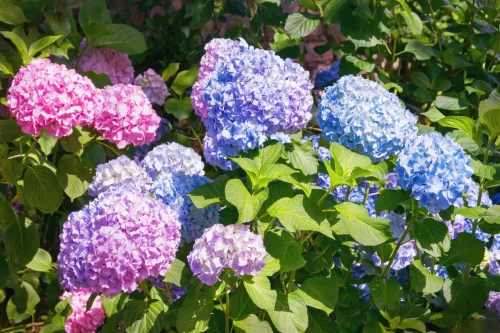
Why hydrangeas wilt in summer even when watered and how to save them fast
Hydrangeas can look limp in hot weather even if you’ve been watering faithfully. The key is to check what’s happening in the root zone, then adjust watering, shade and mulching so the plant can actually use the moisture available.
Comments (0)
Be the first to comment.