
 English
  Polski
  Deutsch
  Nederlands
  Svenska
  Norsk
Norsk  Dansk
Dansk  Français
  Italiano
  Español
  Português
  Slovenčina
  Suomi
Suomi  Gaeilge
 Want a Pest Free Garden Keep Guinea Fowl and Get Eggs and Meat Too
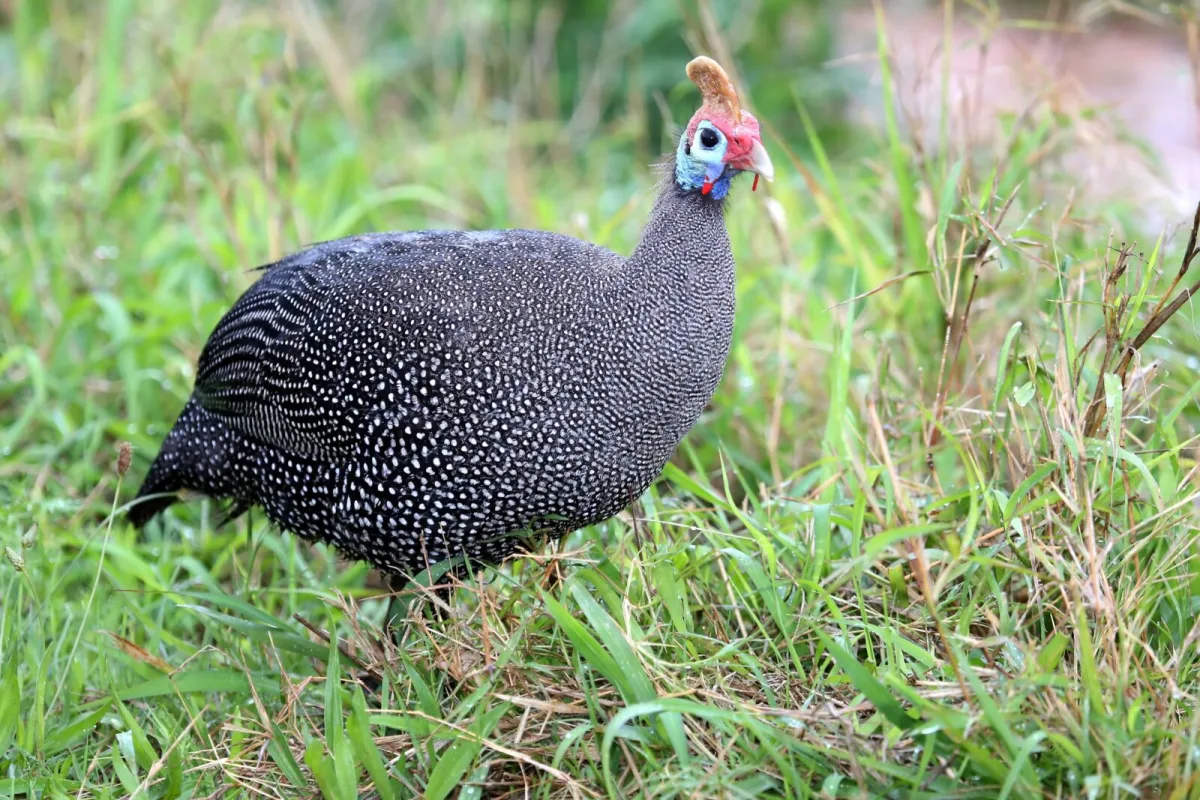
If you’re weighing up what poultry to add to your homestead, guinea fowl can be a pleasant surprise. They’re a hardy, generally very healthy species that, compared with other poultry, only rarely struggles with disease. Keepers also appreciate that salmonella issues aren’t typically a concern with guinea fowl. Alongside eggs and meat, they bring something extra: a striking look that adds interest to the garden and catches visitors’ attention.
In our conditions, guinea fowl are fairly undemanding as long as they have dryness, warmth and peace and quiet for laying.
Where to buy guinea fowl and what to watch out for
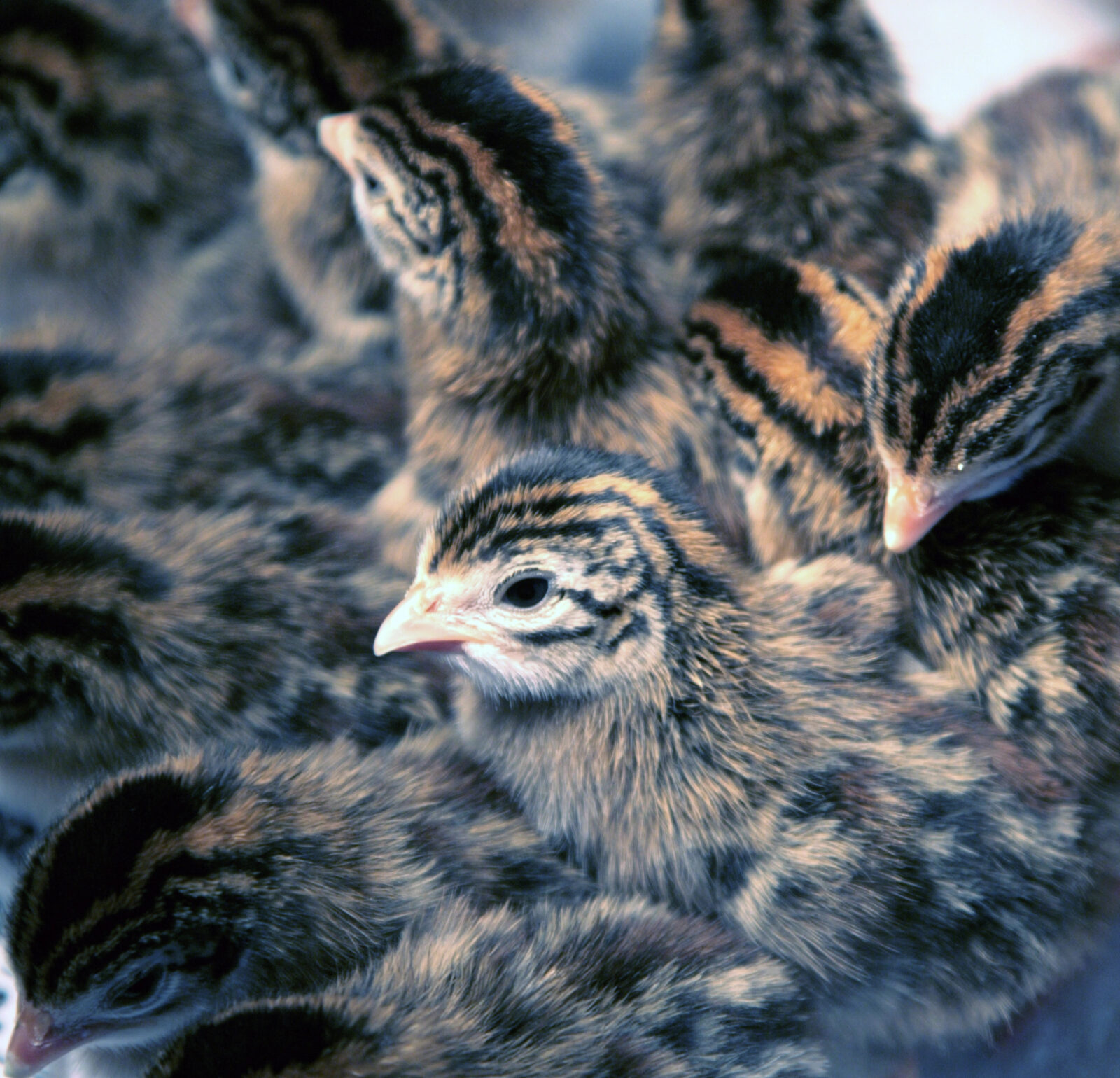
The safest option is usually to buy directly from a reputable breeder or at livestock and poultry shows, where you’re more likely to get healthy birds and also have a contact for any questions later. Offers also appear online, often as birds around six months to a year old for roughly 400 CZK, or very young keets aged about 1 to 3 weeks for around 140 CZK.
With very small chicks, though, you must keep a close eye on brooding conditions. A stable temperature of about 25 to 30 °C is key, along with plenty of light and, above all, dry bedding. Chilling and damp are among the most common reasons for losses in the first weeks.
Living with other poultry and flock behaviour
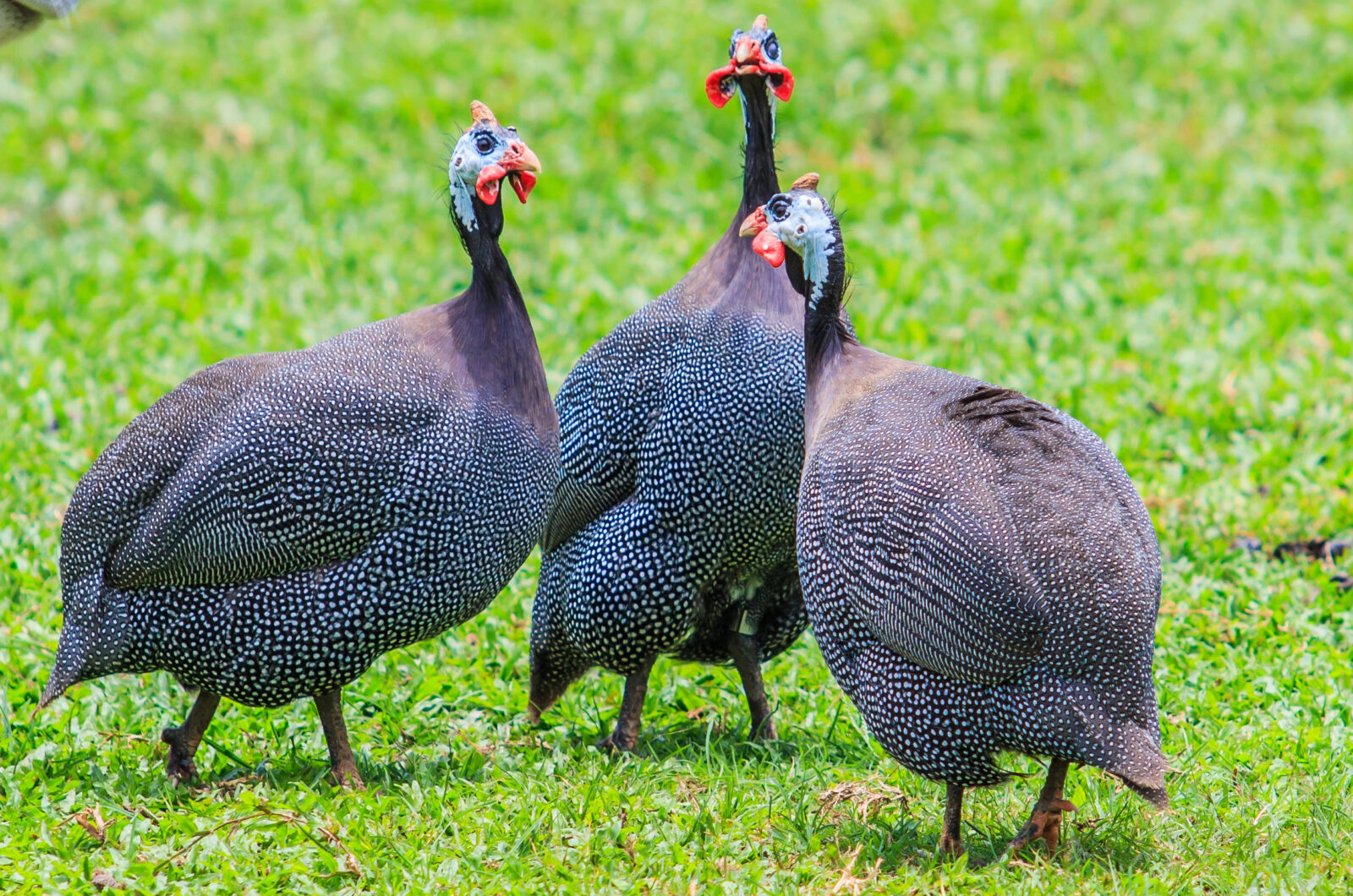
Guinea fowl usually get along well with other animals around the yard, and it’s not unusual for them to share a coop with chickens. Trouble can be caused by a dominant male, the guinea cock, who sometimes guards his status fiercely and may even compete with a rooster. If you don’t want to deal with pecking order and conflicts, you can also keep guinea fowl without a male, depending on your goal.
A coop, perches and nests tailored to guinea fowl
The coop should be spacious enough for all birds and arranged so they don’t crowd each other. It’s best to space perches at least 15 cm apart. Guinea fowl like to roost higher up; they feel safer closer to the ceiling, so it pays to give them a higher perch.
Place laying nests in a quieter, darker part of the coop where traffic won’t disturb them. The basis of comfort is a thick layer of dry shavings or similar bedding, where guinea fowl like to make shallow hollows and rest. In winter, insulation and dryness are important. Although they originate from warmer regions, with a well-insulated coop and dry bedding they cope with overwintering without major problems.
Run space, exercise and natural pest control
Guinea fowl appreciate a large run because they have a strong need to move. During the day, they can cover even a long run repeatedly, constantly searching and pecking as they go. They can help the garden by picking up insects, beetles and slugs. In practice, it’s said that in potato plantings they can significantly reduce pests, including Colorado potato beetle. They’re also often described as birds that don’t damage beds as much as some other species, because they typically don’t feel the need to scratch up the soil intensively.
Feed, water and calcium during laying
The essentials are clean water topped up regularly, ideally changed daily, and feeding adjusted to how much foraging the run allows. Common feeds include grains, cracked grain, boiled potatoes, beetroot, soaked hard bread and green fodder. If guinea fowl have plenty of space, they’ll find a significant portion of their food themselves while grazing. During the laying period, remember to provide enough calcium so shells are strong and the birds don’t suffer deficiencies.
When to expect the first eggs and how not to lose a clutch
The first eggs typically appear around late March into April. When it’s still cold outside and there’s no fresh grass yet, it helps to create coop conditions that encourage laying. One important practical detail is to leave at least one egg in the nest. If a guinea hen comes to the nest and finds nothing, she may choose a new spot virtually anywhere in the garden, which then makes eggs much harder to locate. Over one laying season, a guinea hen can manage roughly around 120 eggs.
Useful qualities of the eggs and meat
A guinea egg resembles a chicken egg, usually just a little smaller, with a mild flavour. A typical feature is the light brown speckled shell, which is harder and denser, so with proper storage the eggs keep surprisingly well, sometimes from summer right through to the following spring. With long storage, the proportions of the white can change, but the egg remains usable. A lower cholesterol content is also often mentioned compared with chicken eggs. For hard-boiling, a short time is commonly given, about 4 minutes.
Guinea fowl meat is tender and lean, valued for its unsaturated fatty acids, lower cholesterol and a decent share of vitamins. The flavour is often compared to game, sometimes to pheasant, so it can be an interesting change from everyday poultry.
Guinea fowl as guards and a natural deterrent
Another reason people keep guinea fowl is their strong vigilance. When they judge something as a threat, they set off a loud call that alerts everything around them. This can work as a natural alarm, but it won’t suit everyone, especially in built-up areas. The noise has a side benefit too: according to keepers’ experience, rodents can’t stand the sound of guinea fowl, so it may help deter rats, which sometimes turn up around poultry.
Droppings as fertiliser for vegetable and ornamental gardens
A practical bonus is making use of the droppings. Managed sensibly, they can serve as a high-quality fertiliser for vegetable beds and ornamental plantings alike. So if you’re looking for poultry that provides eggs and meat, helps with pests, and supports the garden’s nutrient cycle as well, guinea fowl fit that concept nicely.
Source: E-bird, The BDI, Backyard Chicken, Pestrazahrada.cz

A lover of nature, gardens, and everything that moves, blooms, or grows. He literally grows everything, from herbs to rare species, and he enjoys caring for animals just as much. In his work, he connects modern technology with tried-and-tested grandmotherly methods and is happy when both paths lead to the same goal.
Related articles
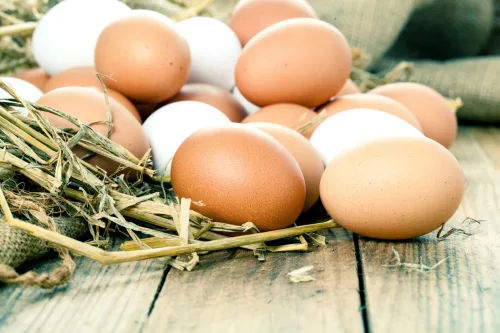
The Most Common Mistake With Home-Laid Eggs That Seems Careful but Actually Harms Them
Fresh eggs from your own or local hens have a natural protective coating that helps keep bacteria out. Washing them too soon can strip that protection and shorten their keeping quality.
An Empty Nest Box in a Tree Reveals a Mistake Even Experienced DIYers Make
Making a bird nest box is an easy project, but small construction and placement mistakes can leave it sitting empty. Get the sizing, ventilation, materials and siting right so birds will actually move in.
Late Feeding Weakens the Whole Colony and Beekeepers Know the Deadline They Must Not Miss
Successful overwintering depends on timely feeding and enough easily digestible stores. If you feed too late, you overburden winter bees and risk a weakened colony or starvation losses.
Comments (0)
Be the first to comment.