
 English
  Polski
  Deutsch
  Nederlands
  Svenska
  Norsk
Norsk  Dansk
Dansk  Français
  Italiano
  Español
  Português
  Slovenčina
  Suomi
Suomi  Gaeilge
 Want More Blooms on Your Hibiscus Try These Proven Growing Tips
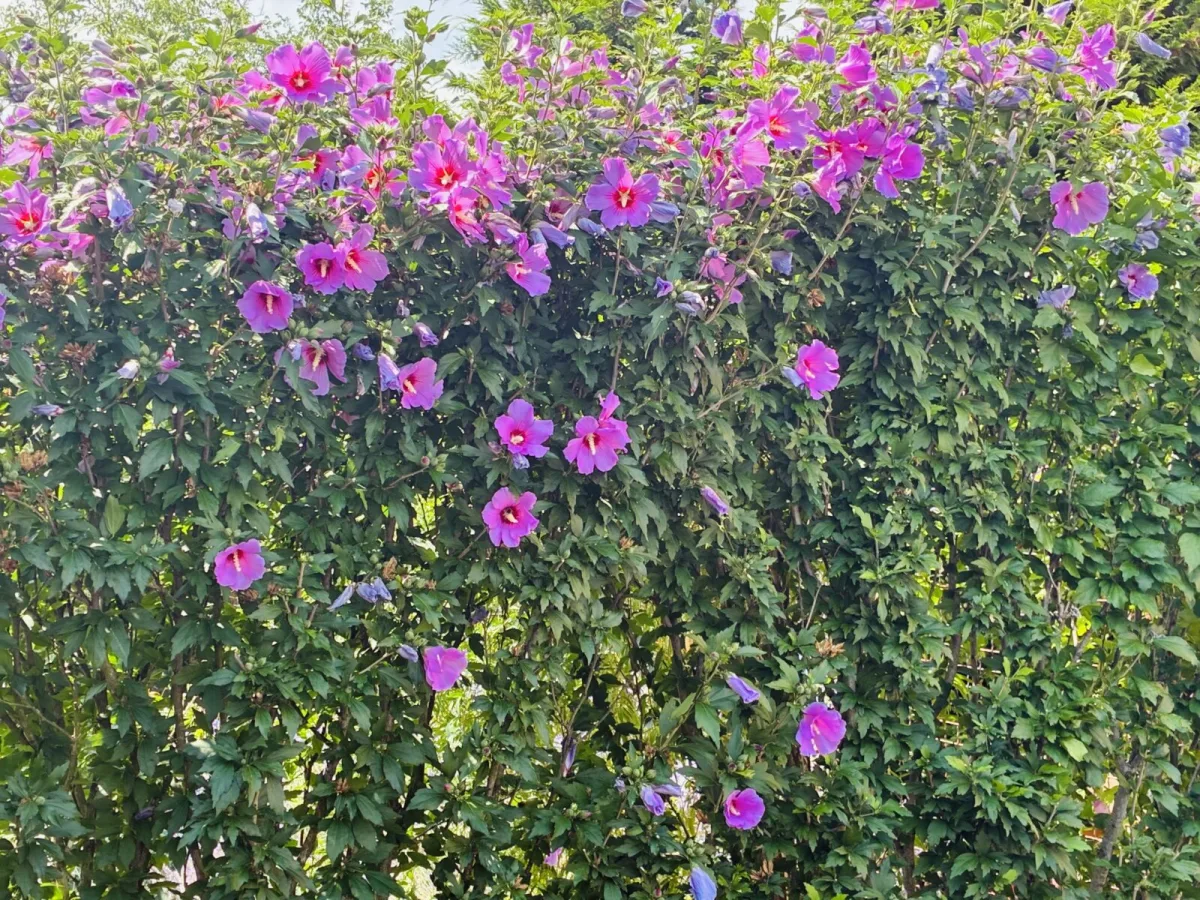
Hibiscus is one of those shrubs that can genuinely steal the show in a garden, both for the size and the colour of its flowers. Some types, such as large-flowered hardy perennial hibiscus, can produce blooms with a diameter that looks like a dinner plate. Even so, growers often ask how to make flowering more than a brief episode and keep it going for as long as possible. The principle is simple: the more vigorous the plant, the more buds it will set and the longer it can hold its flowers. What matters most is the site, water, nutrients, pruning and regular checks of the plant’s health.
Choose a spot where hibiscus will truly thrive
The first step is the right location. Hibiscus can adapt to a range of conditions, but for a long flowering season it needs a place where it won’t struggle. The key is soil that drains excess water well, yet still holds even moisture with regular watering. Most commonly grown hibiscus dislike waterlogged soil over the long term, because roots take up nutrients less effectively and the plant quickly loses vigour.
There are exceptions that prefer wetter, even boggy positions, and those are ideal where water tends to sit. With most varieties, though, the rule is: moist yes, saturated no.
Keep the soil slightly acidic
Soil reaction also matters for abundant flowering. Hibiscus generally grows best in slightly acidic conditions, ideally around pH 6.5 to 6.8. This pH improves nutrient availability because nutrients are released in forms roots can take up easily. Uptake of trace elements in particular can suffer when the pH is off.
Especially important is iron, which directly affects chlorophyll production. With too little chlorophyll the plant is weakened, grows poorly, and flowering becomes sparser and shorter. In practice this often shows up as paler leaves or weak bud set.
Give hibiscus plenty of sun, ideally from the morning
Hibiscus can grow in partial shade, but for maximum bloom it needs full sun. For some types, more than eight hours of direct light a day is ideal. What also matters is when the sun hits the plant. Morning sun supports photosynthesis and is usually less drying than intense afternoon heat.
If your site gets strong afternoon sun, it isn’t automatically a problem—you just need to stay on top of hydration. When leaves droop, it’s often not a lack of light, but a lack of water.
Watering is the foundation of long flowering
Hibiscus is among the plants that enjoy water, especially in summer when they grow quickly while also supporting large blooms. Outdoors in containers, daily watering is sometimes normal, provided the pot drains well. The goal is to keep the compost consistently slightly moist, not constantly wet.
For hibiscus in the ground, it depends on your climate and rainfall, but the principle is the same: don’t let the soil dry out for long, and don’t overwater to the point that water sits around the roots.
Watch out for overwatering, which can mimic drought stress
Ironically, hibiscus can look wilted even when it has too much water. In saturated soil, nutrients are diluted and roots are starved of oxygen, so the plant can’t manage water properly. A typical sign is yellowing leaves and an overall tired look, even though the compost is wet.
With potted plants, repotting into fresh, airier compost often helps, along with checking whether fungal problems are starting. It’s always essential that the container has reliable drainage holes.
Mulch helps hold moisture and keep root conditions stable
Mulching is a simple step that often makes a big difference to a longer flowering period. A layer of organic mulch reduces evaporation, buffers temperature swings around the roots, and gradually improves the soil. Indoors, a thinner layer of about 1 inch is usually best; outdoors, a thicker layer of roughly 3 inches is commonly used.
Mulch can be bark, wood chips or other organic material. Along with conserving moisture, it also brings extra benefits such as supporting soil life and suppressing weeds that would compete with hibiscus for water and nutrients.
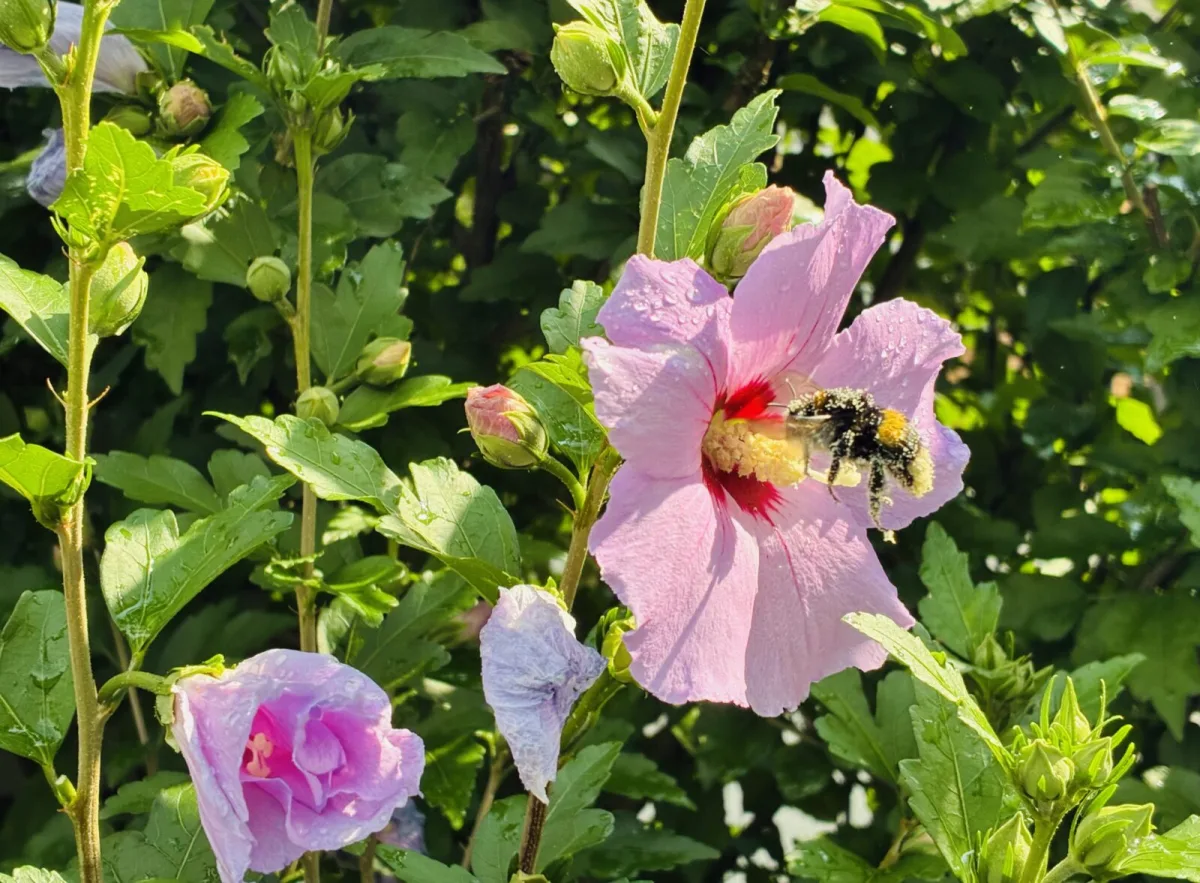
Regular pruning encourages new shoots—and with them, flowers
Hibiscus typically flowers on new wood, so well-timed pruning is one of the most effective tools for abundant bloom. In late autumn, it’s sensible to remove damaged or diseased branches, but during winter it’s better to let the plant rest.
The main prune is best done in spring so the plant has time to recover, produce new growth and set buds on it. Use clean, sharp tools, because smooth cuts heal more quickly. With vigorous growth, shoots are often shortened by a third to a half, depending on the plant’s strength. It also pays to thin the centre of the shrub so air can circulate more freely and disease risk is reduced.
Feed at the right time and with the right balance
Hibiscus can flower without feeding, but the difference in both quantity and quality of blooms is often noticeable, especially for plants grown in containers. To encourage flowering, choose a fertiliser with a higher phosphorus content—meaning a higher middle number on the label. Phosphorus is closely tied to bud formation and overall bloom quality.
Adding iron can also be useful, particularly if the plant is in a pot or the pH isn’t ideal. During the season, feeding is usually done once or twice a month from spring until flowering finishes. In winter, you generally don’t feed unless the plant shows clear signs of deficiency.
Remove spent flowers so the plant doesn’t waste energy
Regular deadheading is often the quickest route to longer flowering. Many hibiscus hold an individual flower for only one day, but they form clusters of buds at the tips of stems that open in sequence. By removing faded blooms as you go, you free up space, improve light access to the next buds, and allow the plant to direct nutrients where they’re needed.
Spent flowers can be pinched off by hand or snipped with clean scissors. With consistent care, hibiscus typically rewards you with a steady wave of flowers through summer, often into early autumn.
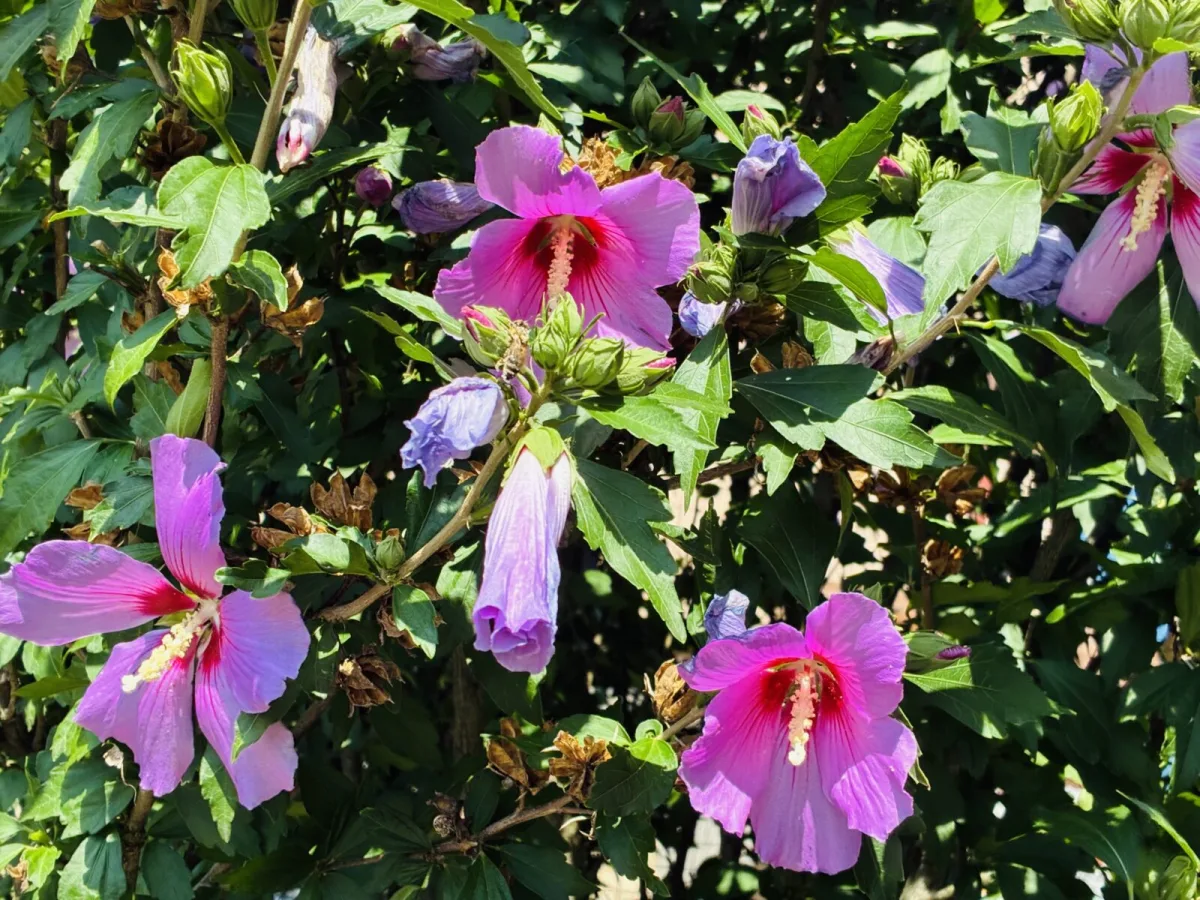
Repot when the container is getting tight
Hibiscus actually likes being slightly pot-bound, and that can encourage flowering. But it can be taken too far. A container that’s too small leads to exhausted compost, poorer uptake of water and nutrients, and the result is weaker growth and fewer flowers.
For container plants, repotting roughly every one to two years is common, choosing a pot only slightly larger than the root ball. A clear sign is roots growing out of the drainage holes. At the same time, recheck drainage, because standing water is a problem for most hibiscus.
Keep checking for pests and diseases
Shortened flowering can also be caused by pests or disease. It’s worth inspecting leaves and buds regularly and watching for holes, coatings, spots, deformities or wilting. Common pests include aphids, whiteflies, mealybugs and scale insects. Early on, a thorough rinse with a strong jet of water often helps; with heavier infestations, a more decisive approach is needed.
Natural treatments such as neem oil can also help reduce pests and extend the time the plant can hold buds and flowers. Diseases may include powdery mildew, leaf spot, various root or crown rots, and viral problems. The foundation of prevention is correct watering and good airflow through the canopy. If you suspect disease, act quickly—an weakened hibiscus drops buds earlier and recovers more slowly.
Source: The Spruce, Rhs , Pestrazahrada.cz
Related articles
The More Often You Harvest, the Longer Plants Keep Cropping
With fruiting vegetables, frequent picking keeps plants flowering and producing for longer. A few crops, such as aubergines, are tastiest when harvested slightly earlier rather than fully mature.
Wasps Aren’t Just a Barbecue Menace They Can Ruin Your Garden Woodwork Too
Weathering isn’t always the main culprit behind damaged outdoor timber. Wasps can scrape fibres from boards and beams surprisingly fast, leaving grooves that soak up water and accelerate decay.
Why hydrangeas wilt in summer even when watered and how to save them fast
Hydrangeas can look limp in hot weather even if you’ve been watering faithfully. The key is to check what’s happening in the root zone, then adjust watering, shade and mulching so the plant can actually use the moisture available.
Comments (0)
Be the first to comment.