
 English
  Polski
  Deutsch
  Nederlands
  Svenska
  Norsk
Norsk  Dansk
Dansk  Français
  Italiano
  Español
  Português
  Slovenčina
  Suomi
Suomi  Gaeilge
 You Can Still Sow in August and Keep Harvesting Into the Cooler Days
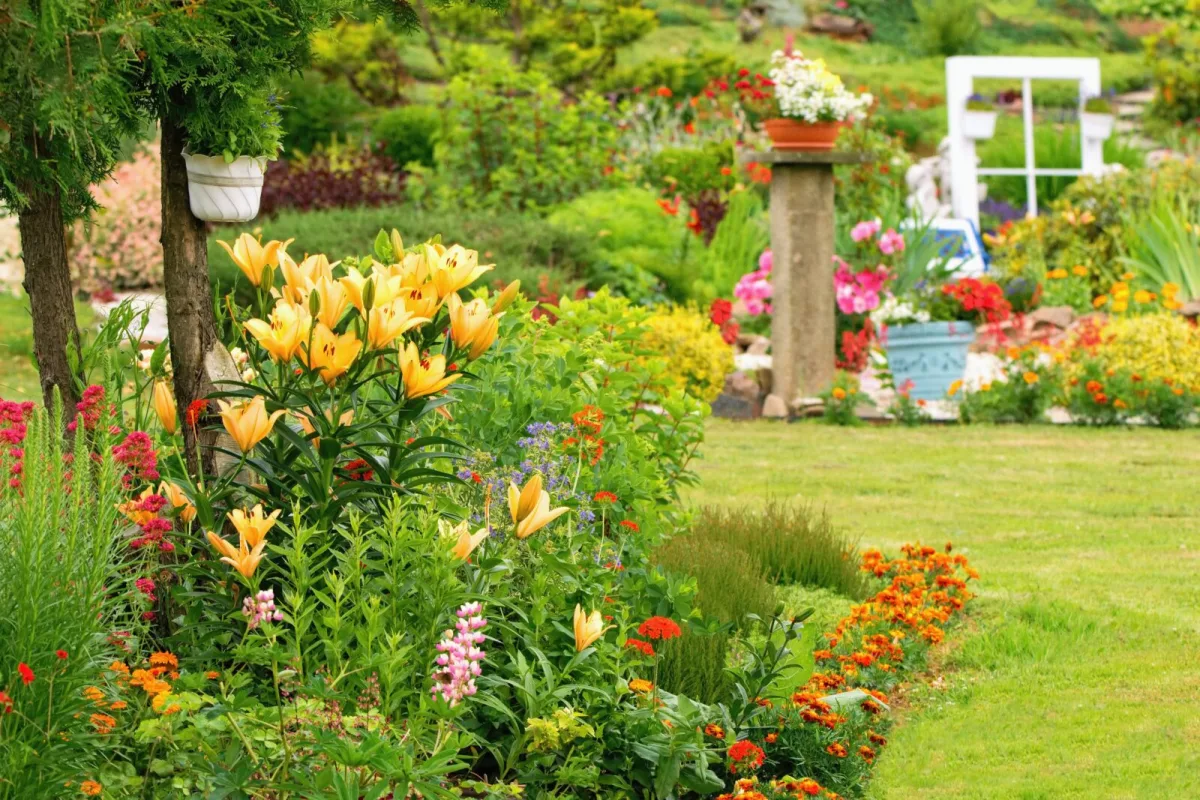
August is far from the end of the gardening season. On the contrary, it’s the month when the first big results are harvested, but it’s also when the workload ramps up—work that will decide how long your beds stay in good shape and how smoothly plants cope with the heat. If you want your garden to look good right through to autumn, focus on a combination of pruning, ongoing harvesting, feeding and sensible water management.
It pays to split the jobs into the ornamental garden, the productive plot and general maintenance. That way it’s easy to see what matters most—especially when tropical heat or a dry spell arrives.
What to have ready for August jobs
The basics are sharp, clean secateurs—ideally bypass pruners for living growth—plus tools suitable for the finer stems of perennials and herbs. Paper bags or jars are handy for collecting seed, along with a watering can or a drip irrigation system for gentle, targeted watering, and a feed for fruiting vegetables, typically for tomatoes. Regular tool cleaning is essential too, because dirty blades can spread disease and tear tissues unnecessarily.
The ornamental garden in August
Light trimming and shaping
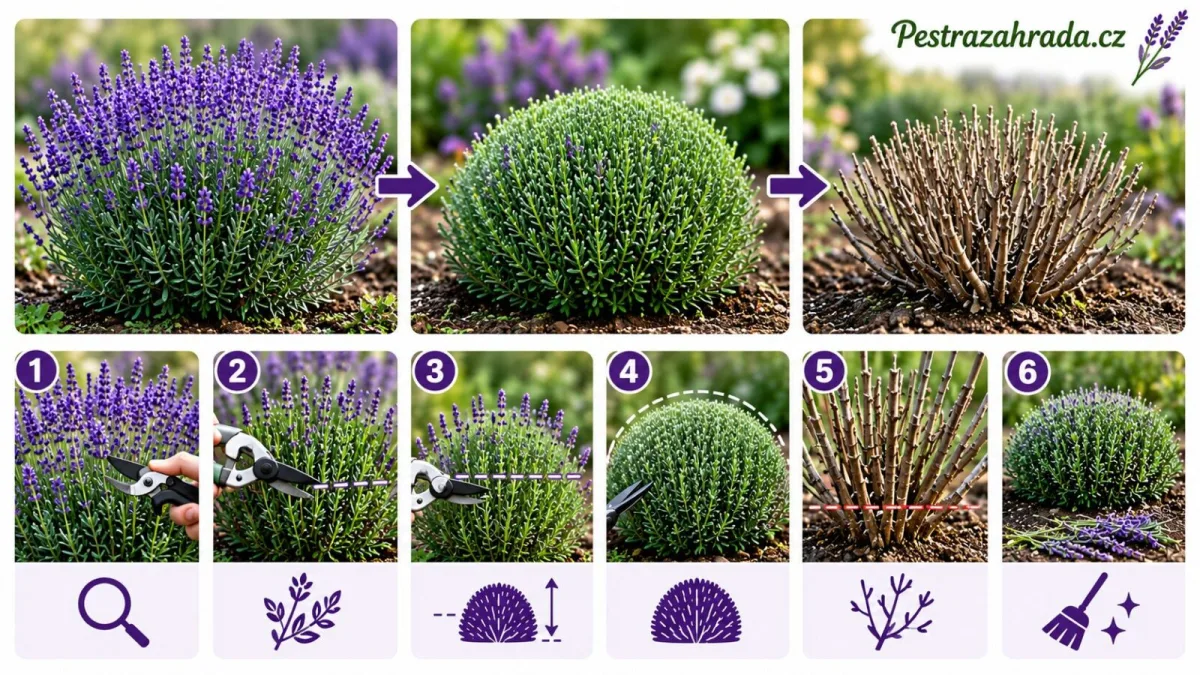
There’s plenty you can do with pruners in August. Some evergreen shrubs tolerate a light tidy-up, and many summer-flowering plants appreciate a cut back after flowering. A classic example is lavender: after trimming it thickens up and looks neater. The rule is simple—cut with a light hand, and always make clean cuts that don’t cause needless damage.
Regular deadheading
One of the most effective August tasks is deadheading. It stops the plant wasting energy on seed production and often triggers another flush of bloom. This applies to annuals as well as repeat-flowering roses, which—given regular care—can produce another wave of flowers right to the end of the season.
Removing spent flowers is one of the most effective August steps, because it encourages more buds and extends the flowering period.
Collecting seed for next year
If you let seed heads ripen on selected plants, you can harvest seed for the next season. It’s especially useful for easy-to-propagate species you want to keep without buying more. Collect seed only when the heads are dry. Then simply snip off the seed head, shake it into a paper bag, or carefully pick the seed directly from the plant.
For storage, a cool, dry, dark place is best. A paper bag or a lidded jar kept in a cupboard will help keep seed in good condition until spring.
Propagating from cuttings
August weather can be ideal for propagation too. You can take cuttings from many ornamental plants, including lavender, coneflowers and other perennials that root readily. The key is to use clean, sharp tools and choose healthy, undamaged shoots. Many gardeners prefer taking cuttings in the morning, when tissues are naturally well hydrated, which improves the chances of successful rooting.
The productive garden in August
Sowing vegetables for autumn harvests and a spring head start
If you want to extend the season, you can still sow in August. Choose crops that handle the cooler end of summer, or that can be harvested over a longer period. Curly kale, spring onions and Swiss chard are often recommended because they keep cropping later on. Some brassicas can be sown to give an early harvest next year, conditions permitting.
Keep harvesting and watch ripeness closely
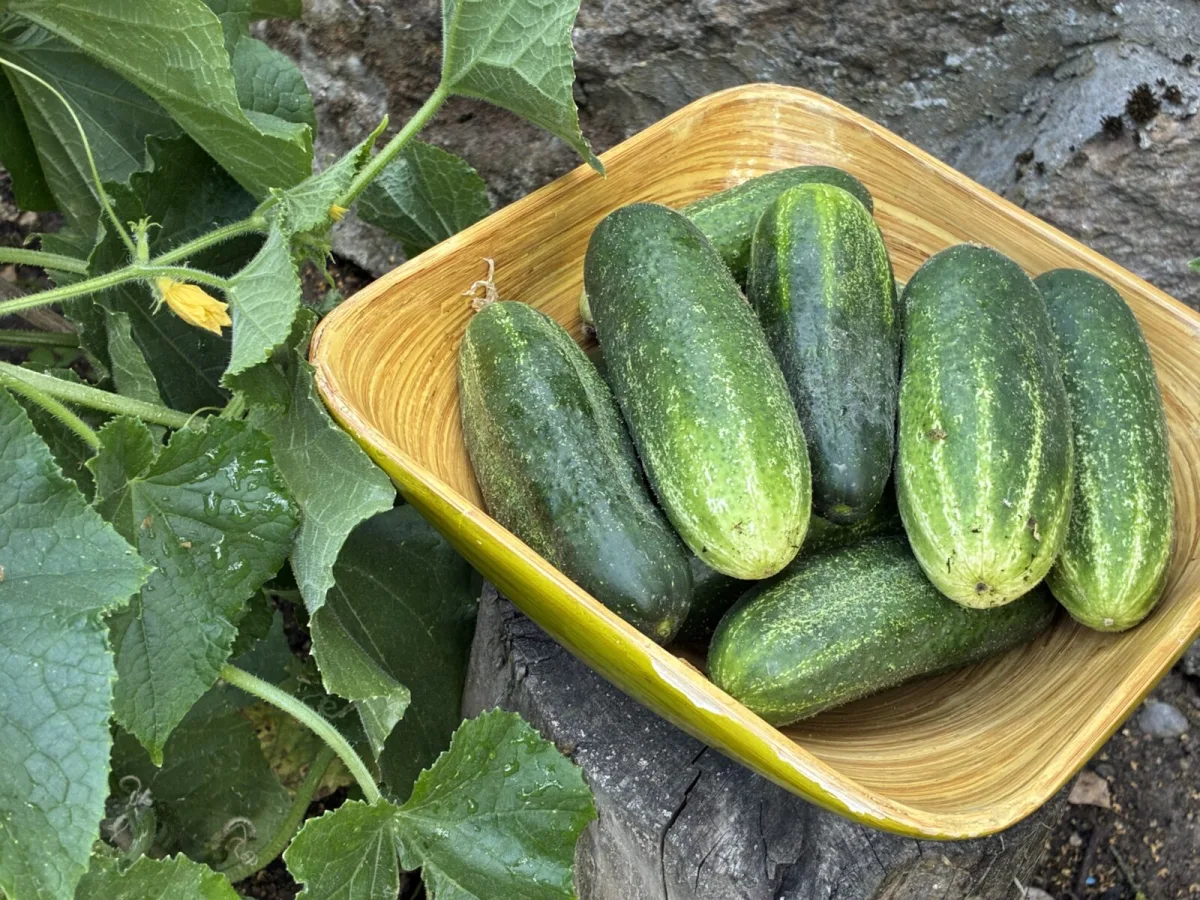
August is peak harvest time. With potatoes and onions, it’s worth watching for the foliage to die back and lifting them in dry weather. With fruiting crops, picking little and often is important, because regular harvesting encourages more to set. Cucumbers, tomatoes and courgettes can quickly get oversized or overripe within a few days, so it’s worth checking beds almost daily.
Green manures for empty beds
As soon as space opens up after harvesting, it’s time to consider green manures. Sowing mustard or phacelia helps protect the soil, improves structure and adds organic matter. Some mixes also naturally enrich the soil with nutrients and prepare beds for next year, without leaving them bare over winter and prone to nutrient leaching.
Feeding fruiting crops
Tomatoes, peppers and courgettes are in full swing in August, and without support they often lose momentum. Regular watering and targeted feeding—typically once a week with a tomato feed—can speed ripening and improve fruit quality. Consistency matters: alternating drought and waterlogging is a common cause of fruit problems.
Checking for pests and diseases
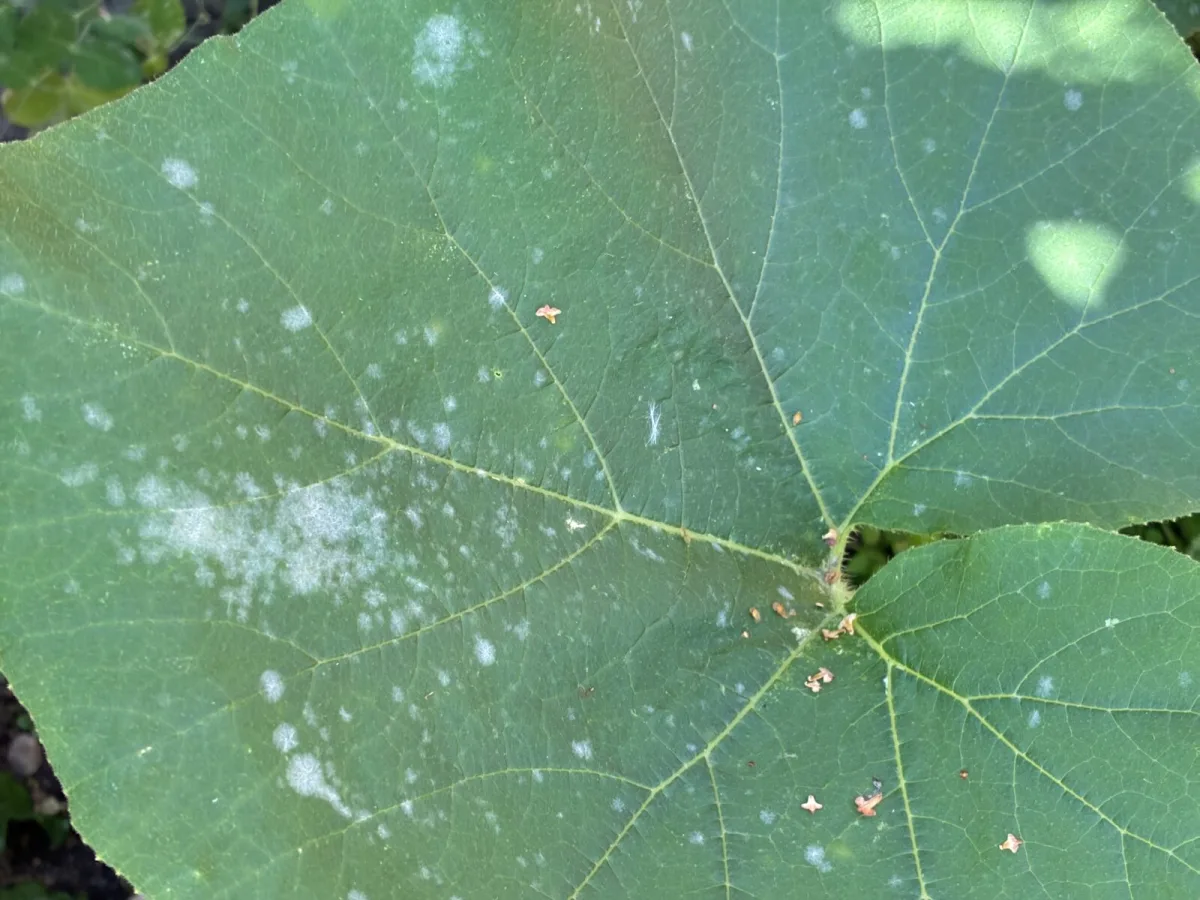
Warm weather suits pests as much as it suits gardeners—aphids, caterpillars and more. In August it pays to check plants each time you visit the plot. On tomatoes and potatoes, watch for early signs of blight; on other plants, look for insect eggs and chewed leaves. If you catch an issue early, mechanical removal or a gentle, natural spray is often enough before it escalates.
Cutting back perennial herbs for a fresh flush of leaves
Herbs are working hard in summer, but after repeated picking they can look tired. An August trim of chives, mint or parsley encourages fresh young leaves and extends the period you can harvest green growth. It’s also worth removing flowering stems on species where flowering reduces flavour or slows leaf production.
Other August jobs and maintenance
Watering properly and keeping moisture in the soil
In hot weather, soil moisture drops faster than you might think, which is why thoughtful watering is crucial in August. Deep watering at the roots works best, rather than sprinkling foliage, where much of the water evaporates and little reaches the plant. New plantings are best watered thoroughly once every few days, encouraging roots to grow downwards. A thick layer of mulch helps reduce evaporation and stabilise soil temperature.
A practical solution is drip irrigation, which delivers water efficiently and precisely. It’s also ideal for pots, window boxes and raised beds, where compost dries out fastest.
Lawn care and supporting wildlife
In August, lawns suffer from drought and heavy use. If you mow, set the blades higher so the grass shades the soil better and dries out less. With watering, less often but more deeply is usually better than daily light sprinkling, which encourages shallow roots.
Alongside plants, it’s worth thinking about wildlife. Topping up water in a pond or bird bath can make a real difference in hot spells. Bird baths should also be cleaned regularly to keep the water safe. Another good tip is to create a shallow patch of damp soil where butterflies can settle and take up minerals. A simple dish filled with a mix of soil and water, placed where it gets sun for part of the day and shade for part of the day, and kept consistently moist, is enough.
Source: Ideal Home, Rhs , Pestrazahrada.cz
Related articles
Overwintering Geraniums in a Box Ensures Stronger Growth and More Abundant Spring Bloom
Many people throw balcony geraniums away after the season, even though they can overwinter very well. Stored correctly in a box in cool, dark, dry conditions, they’ll come back stronger and flower generously in spring.
This perennial flowers when others are finishing, thrives in shade and is still little known in the Czech Republic
Liriope is a tough, evergreen perennial with grassy foliage that comes into its own at the end of summer, when many other plants are fading. It thrives in partial shade to shade, needs little care, and adds structure to borders year-round.
When an Orchid Stops Blooming, a Homemade Fertiliser Made from One Unexpected Ingredient Can Wake It Up
Orchids often survive just fine indoors, but getting them to flower again is the real challenge. The right feeding routine—and a few gentle kitchen-based fertilisers—can help encourage strong growth and the next round of blooms.
Comments (0)
Be the first to comment.