
 English
  Polski
  Deutsch
  Nederlands
  Svenska
  Norsk
Norsk  Dansk
Dansk  Français
  Italiano
  Español
  Português
  Slovenčina
  Suomi
Suomi  Gaeilge
 A Florist Approved Kitchen Trick to Restore Roses Freshness and Strength

Roses are among the most rewarding ornamental plants because they can turn a garden into a colourful display of blooms in just a few days. In summer they’re often at their peak, but they’re also under the greatest strain. Heat, harsh sun and irregular watering quickly show on both foliage and flowers. When roses struggle, the flowering period shortens, the blooms fade and the plant looks exhausted. With the right care, however, you can noticeably extend their season and encourage the formation of more buds.
Water is the foundation, but the way you water makes the difference
In warm months, roses need a steady supply of moisture. A common mistake is a quick surface sprinkle that only wets the top layer while the roots remain dry. Far more effective is deep watering straight to the roots, at the base of the shrub. That way the water reaches where it matters most, and roses cope better even through tropical heat.
If you water thoroughly and deeply, it’s usually enough to repeat it about once every two weeks, depending on weather and soil type. In extreme heat you may need to water more often, but it still holds true that a deep soak is better than frequent light watering. The soil doesn’t dry out as quickly and the roses don’t suffer sudden swings in moisture.
Feeding and regular deadheading keep the bush in shape
For roses to do more than just survive summer and to flower generously, they need several targeted nutrient boosts through the year. A proven approach is feeding three times a year. The first comes after pruning, as the plant wakes up and starts the new season. The second dose is useful at the time of the first main flush, when roses use the most energy. The third falls at the end of July to early August, supporting another wave of flowers and overall vitality.
After every feeding, it’s important to water the bushes thoroughly so the nutrients reach the roots and don’t irritate the plant. On top of that, roses benefit greatly from regularly removing spent, faded or damaged blooms. The bush doesn’t waste energy on seed formation and can put its strength into new growth and buds. It’s also a good idea to cut out any parts that are clearly diseased or dried out so the problem doesn’t spread.
Reviving roses with baking soda from the kitchen

If you want to give your roses a new boost, you can try a simple trick that, according to experience, is also used by people who work with cut flowers. It involves baking soda, a versatile helper commonly used around the home. In the garden, it can be used as support for rejuvenating rose bushes, especially when they look depleted or produce few new shoots.
Prune first, then apply the solution
Before you start the application itself, the roses need to be cleaned up. Remove old, dry, dead or damaged stems that only weaken the plant. Keep healthy canes and shorten them so the cut is made just above the fourth bud from the ground. This encourages new shoots and makes the bush look more compact. Use clean secateurs so infections don’t enter the cuts.
How to mix the solution and how often to use it
Pour warm water into a 5-litre container and add two teaspoons of baking soda. Mix well and let it cool. Then apply it directly to the root zone, not onto the flowers. Repeat about once every fourteen days. Regularity matters, because the goal is to gradually stimulate growth and encourage the development of new young shoots that will then carry more blooms.
What to take from rose care for longer flowering

If you want your roses to look fresh for as long as possible, focus on three things. First, deep watering at the root zone to help them handle heat. Second, regular feeding in three waves through the year, followed by thorough watering. Third, ongoing deadheading and removal of weak parts. And if the bushes need a reset, a simple baking soda solution can help, used after pruning and repeated once every two weeks. With this combination, roses will be stronger, healthier and the flowering season can stretch on pleasantly.
Source: Wholesale Flowers, That Chand Roses, The Spruce, Pestrazahrada.cz

A lover of nature, gardens, and everything that moves, blooms, or grows. He literally grows everything, from herbs to rare species, and he enjoys caring for animals just as much. In his work, he connects modern technology with tried-and-tested grandmotherly methods and is happy when both paths lead to the same goal.
Related articles
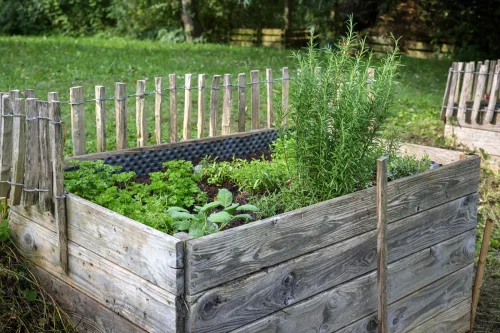
Winter is crucial for raised beds and most people skip the pest prevention step
Your raised beds don’t go dormant just because winter arrives. A few quick, well-timed tasks now will protect the soil, discourage pests, and set you up for a smoother, more productive spring.

When to Mow the Lawn for the Last Time Before Winter
There’s no universal date for the season’s final mow—your lawn and the weather will tell you. Time it just ahead of hard frost and leave the grass slightly higher to help it overwinter healthier and bounce back faster in spring.

Oleander Still Needs Water in Winter and a Common Mistake Can Cost It Its Roots
Oleander is tough in summer heat, but winter cold can quickly damage roots and shoots if it isn’t prepared properly. Timely protection, sensible watering, and the right overwintering spot make all the difference.
Comments (0)
Be the first to comment.